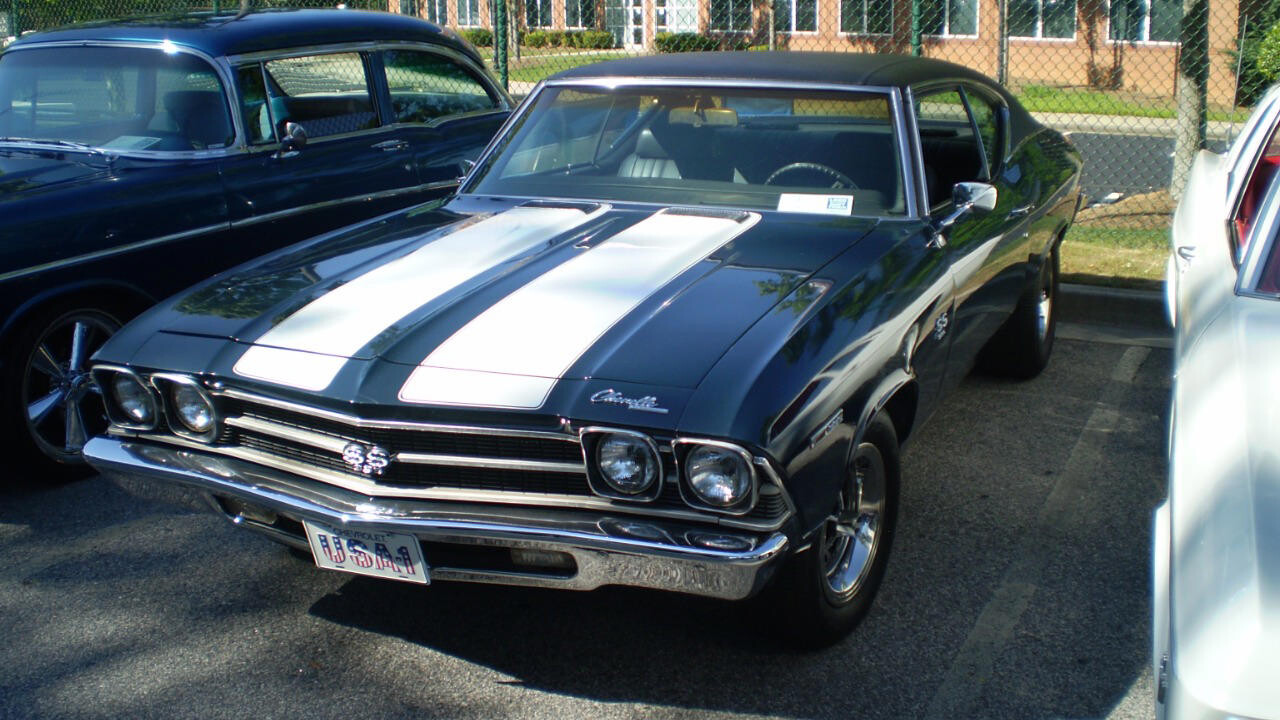
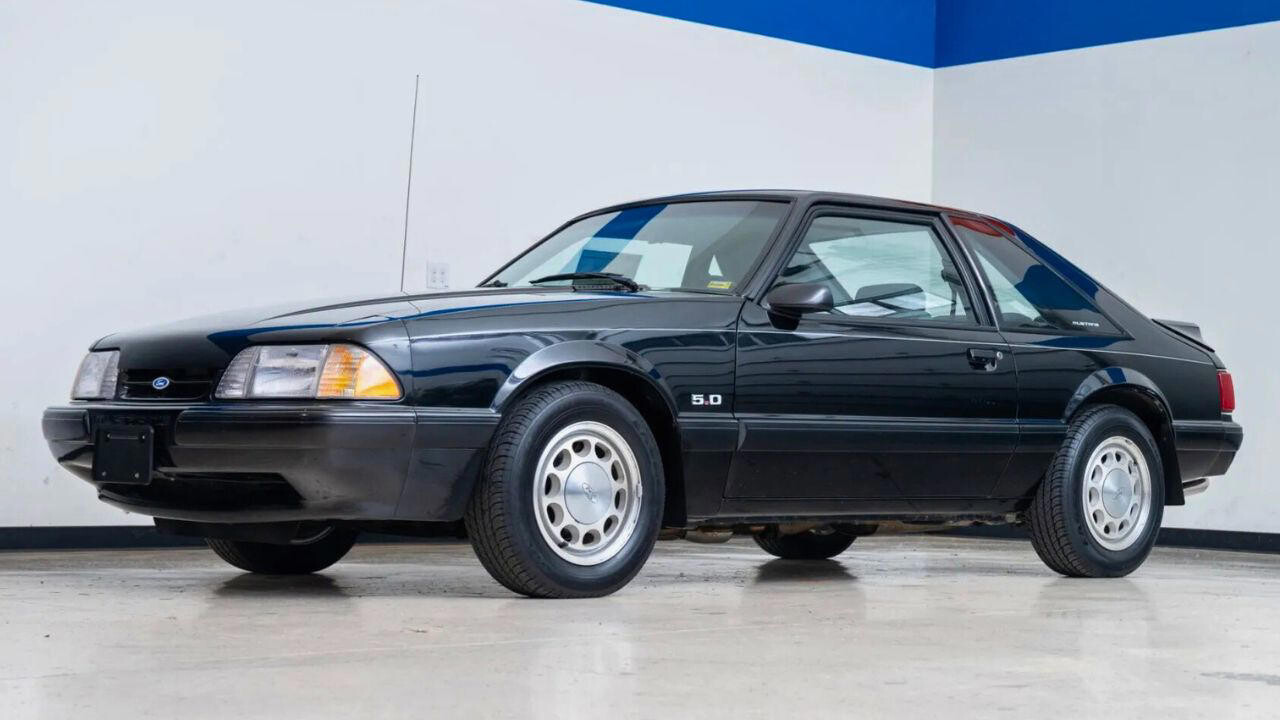
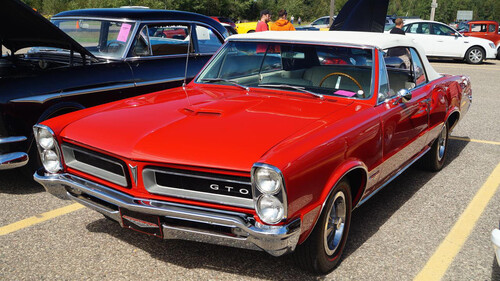
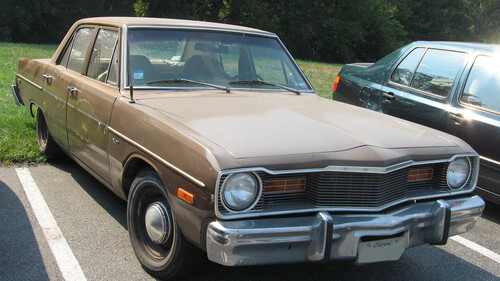
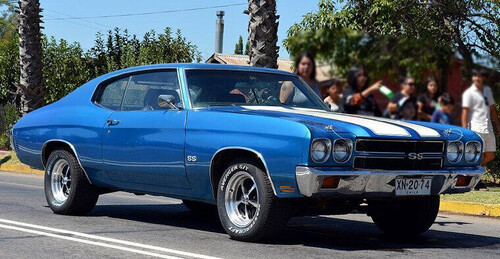
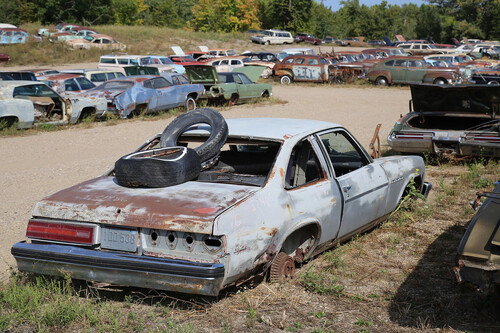
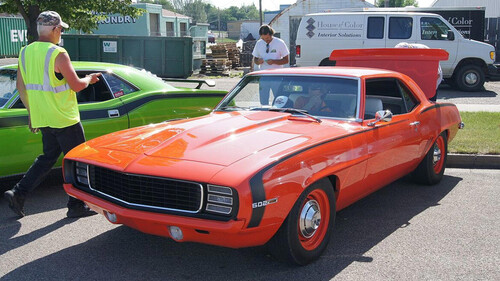
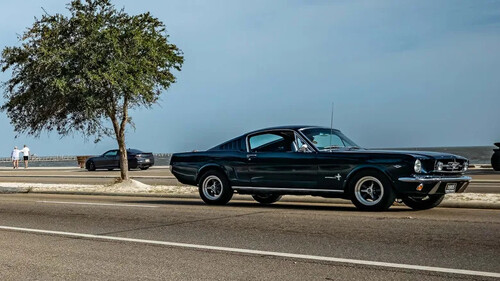
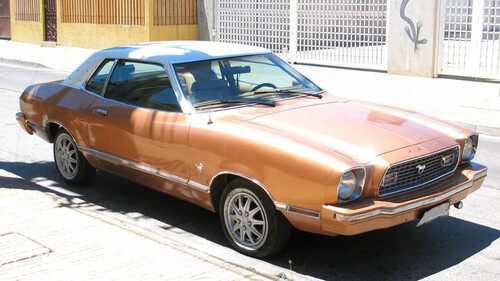
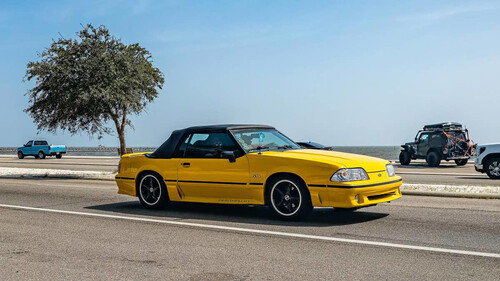
Before social media and factory launch events shaped reputations, performance cars earned respect one quarter-mile at a time. Word traveled through late-night street races, weekend drag strips, and stories told in parking lots. These machines didn’t rely on marketing alone. They proved themselves repeatedly where it mattered most—under green lights and timing boards.Chevrolet Nova SS 396The 1969 Chevrolet Nova SS 396 built its legend by hiding big-block muscle in a compact, unassuming body. Powered by a 396 cubic-inch V8, it delivered explosive launches that surprised drivers expecting a mild commuter coupe. Its lighter weight compared to larger muscle cars made it a formidable presence at local drag strips. Many competitors underestimated it at stoplights, only to watch its taillights disappear. The Nova SS 396 earned respect not through flashy styling but through repeatable straight-line dominance that turned a simple compact into a feared street performer.Ford Mustang 5.0 LXThe Fox-body Mustang 5.0 LX became a 1980s and 1990s street racing staple thanks to its lightweight chassis and easily modified 302 V8. Even in factory form, it offered strong acceleration for the price, making it accessible to younger enthusiasts. Its simple pushrod engine responded well to bolt-on upgrades, amplifying its drag strip presence. Sleeper LX trims without excessive graphics added to the surprise factor. The 5.0’s reputation grew organically through countless grassroots races, cementing it as a stoplight legend long before nostalgia elevated its status.Dodge Dart GTS 440The 1969 Dodge Dart GTS 440 stuffed a massive 440 cubic-inch V8 into a compact A-body platform, creating a brutally quick street machine. Traction was often its biggest limitation, yet that unpredictability added to its notoriety. At local strips, the Dart’s torque advantage frequently overwhelmed competitors with smaller engines. Its relatively plain appearance masked serious displacement, enhancing its sleeper appeal. Drivers who lined up against one quickly learned that size didn’t dictate speed. The GTS 440 earned its legend through sheer cubic-inch audacity and stoplight shock value.Buick Grand NationalThe 1986 Buick Grand National rewrote expectations by using turbocharged V6 power to outrun traditional V8 rivals. Its blacked-out exterior projected menace, but it was the boost surge that truly defined its street reputation. Factory tuning delivered strong midrange acceleration ideal for quick sprints between intersections. Many owners discovered that modest upgrades unlocked even greater drag strip performance. The Grand National became synonymous with quiet intimidation, building credibility in real-world races rather than showroom hype alone.Pontiac GTOThe original 1964 Pontiac GTO helped ignite the muscle car movement by offering big-engine performance in a midsize platform. Its 389 cubic-inch V8 provided strong torque that translated into confident launches at stoplights nationwide. Affordable pricing meant many young drivers could access serious horsepower without exotic budgets. As word spread about its quarter-mile potential, demand surged. The GTO’s reputation wasn’t built through corporate exaggeration; it came from consistent street and strip victories that proved Pontiac had created something genuinely transformative.Chevrolet Chevelle SS 396The 1968 Chevrolet Chevelle SS 396 combined aggressive styling with a torque-rich big-block that excelled in straight-line contests. Its balanced stance and available four-speed transmission made it a favorite among weekend drag racers. At stoplights, its rumbling idle alone hinted at serious intent. The Chevelle’s broad popularity ensured countless informal matchups across the country, reinforcing its dominance. Through repetition and accessibility, the SS 396 became a benchmark for mid-size muscle credibility on both public streets and sanctioned strips.Toyota Supra TurboThe A70 Toyota Supra Turbo gained traction in late-1980s street racing scenes thanks to its turbocharged inline-six and solid chassis tuning. While not the quickest car on paper, its boost-driven acceleration surprised many domestic V8 owners. Factory reliability encouraged owners to push limits without constant mechanical anxiety. Over time, modest modifications turned the Supra into a consistent drag strip contender. Its reputation grew steadily through head-to-head contests, demonstrating that forced induction and engineering precision could rival larger displacement rivals at stoplights.