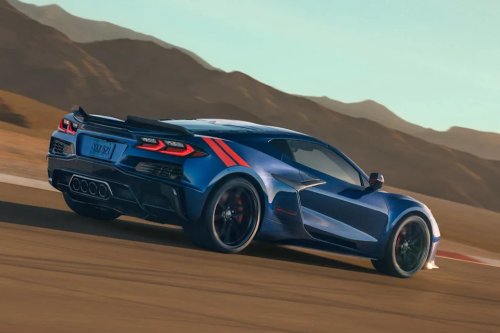
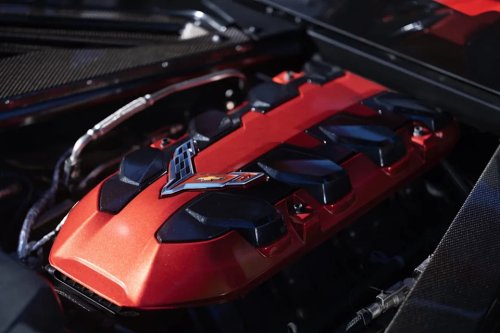
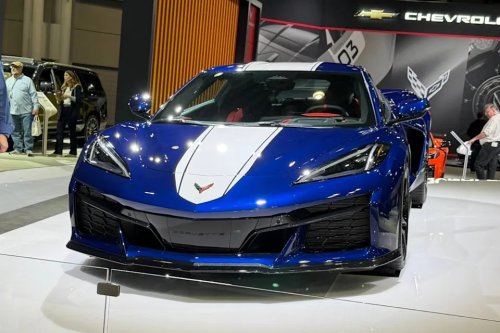
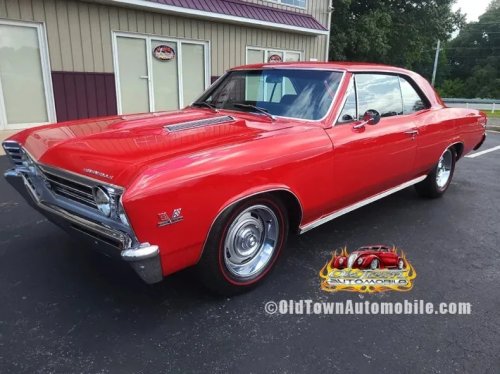
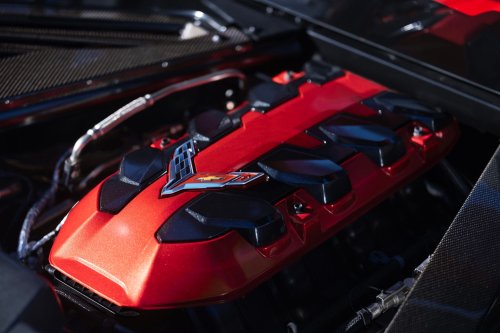
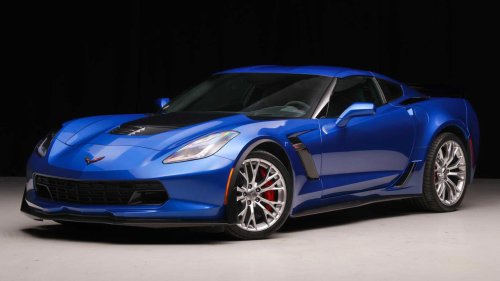
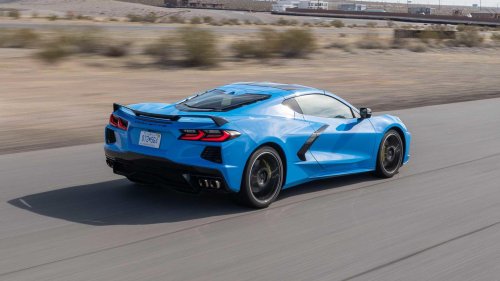
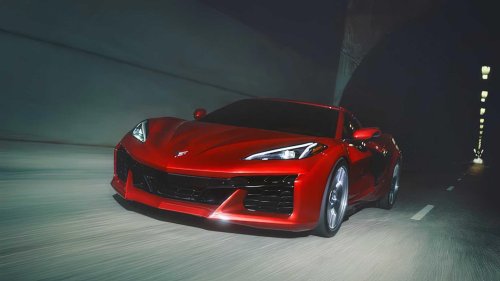
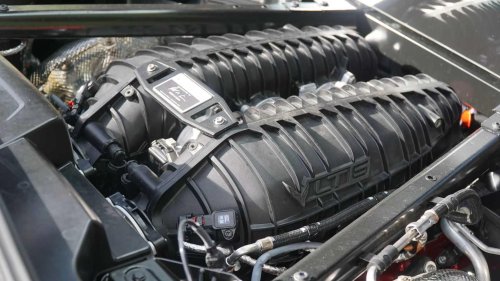
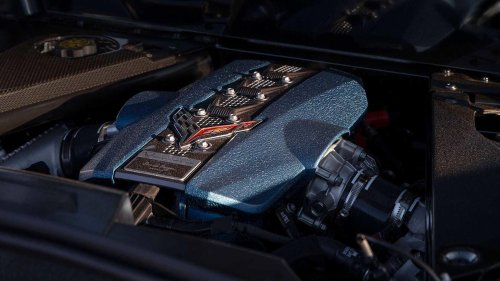
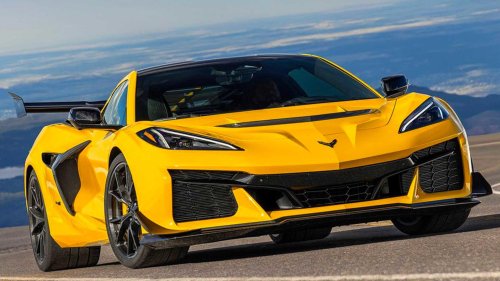
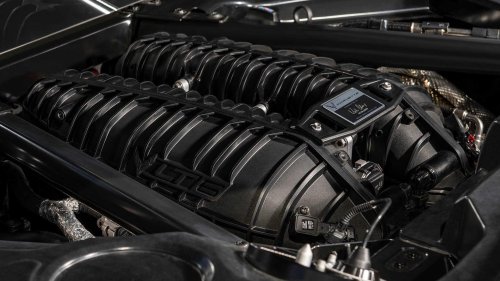
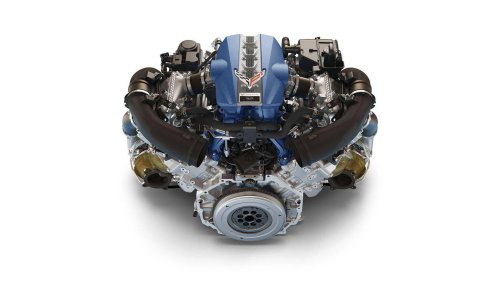
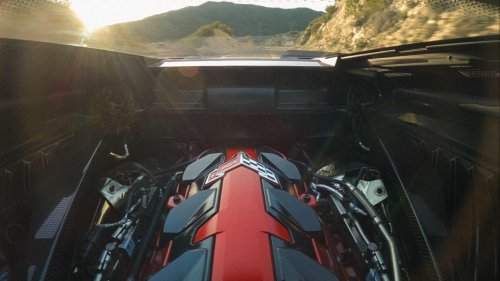
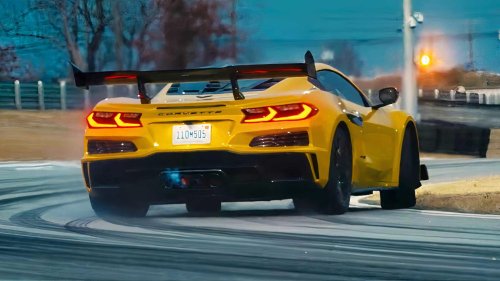
When you talk about the Chevy V8, you think about power, big displacement and the familiar sound of a rumbling pushrod V8. For 70 years, this recipe has defined the Chevrolet small block, an iconic engine that powered many iconic front-engine, rear-wheel drive muscle cars and sports cars. It was a simplistic design that worked, winning countless races and hearts over the years. But the transition from the C7 to the C8 generation wasn't just a model change—it was a fundamental shift in the DNA of American performance cars. While the C8 still carries a small block V8 at its core, the engineering behind the latest engine has evolved it from a traditional American V8 to a world-beating masterpiece capable of challenging the very best from Europe. The Moment Chevrolet Broke Its Own Rulebook Via: Bring a TrailerSince its inception, the Chevrolet Corvette has always been a front-engine rear-wheel-drive sports car. This was how it was from the C1 to the C7 Corvette. But the Corvette met its limits with the 755-horsepower C7 ZR1. The engine made crazy power, but you could only put so much power through the rear wheels when the engine was sitting over the front axle. Traction was almost non-existent, especially when you floored it at slow speeds.With the debut of the C8, Chevrolet finally did what it had been teasing forever: the engine was moved to the back. By placing the V8 behind the driver, the Corvette became a completely new vehicle. The Corvette team abandoned the 60-year-old architecture in favor of the superior mid-engine platform that had been the dream of "Father of the Corvette," Zora Arkus-Duntov, since the 1960s. Why The Shift To A Mid-Engine Corvette Changed Everything ChevroletGiving the Corvette a mid-engine platform altered the weight distribution, shifting it towards the rear wheels. In a front-engine car, hard acceleration lifts the nose and reduces traction. In the mid-engine C8, that same acceleration retains traction, allowing the car to launch with a ferocity and precision that only high-end supercars could achieve. This layout also made the car handle much better, especially on twisty roads. The base 495-hp C8 could accelerate to 60 mph faster than the 755-hp C7 ZR1, it was more nimble, balanced and composed than any Corvette before it. The Z06 Put Ferrari And Others On Notice ChevroletThe base Stingray maintained the traditional small block V8, but while that was a very good engine, Chevy made another huge change with the Z06 model. When it was introduced in 2023, it didn't just have more power, it had an all-new engine. The previous Z06 used a supercharged 6.2-liter LT4 V8, the current Z06 uses a high-revving, naturally aspirated 5.5-liter flat-plane crank V8 known as the LT6. This isn't your old rumbling torquey V8—it is a high-tech screamer.The flat-plane screamer isn't what you would associate with American cars; this configuration is typical with Ferraris and McLarens. This move allowed the Z06 to rev to a staggering 8,600 rpm with a pitch similar to a high-end Ferrari 458, and with an aftermarket exhaust, it sounds like an old F1 car. The previous highest-revving Corvette was the 7.0-liter LS7 in the C6 Z06 at 7,000 rpm, making 505 horsepower and 470 pound-feet of torque. The C8 Z06 produces 670 horsepower and 460 pound-feet of torque, making it the most powerful naturally aspirated V8 ever put into a production vehicle. For comparison, the supercharged C7 Z06 made 650 horsepower but more torque at 650 pound-feet. Why The LT6 Is So Good 2024 Corvette Z06 engineThe magic of the LT6 is how responsive it is. The flat-plane crankshaft is lighter and more balanced, especially at high rpm. It can move up and down its rev range pretty quickly, so as soon as you step on the gas, the car is moving. There is no "waiting" for the power to arrive—the throttle response is almost telepathic. It doesn't have loads of torque at the low end, but it has more than enough for regular driving. It was built to give you the very best emotional experience at the top end. With the sound it makes and linear power delivery, the engine urges you to keep the revs high and the music going as long as you can. The LT6 turned the Z06 into a precision instrument that could finally compete with European exotics on their own terms and beat them with its next evolution. The LT7 Changed The Performance World Chevrolet(Chevrolet)Everyone knew the ZR1 was coming but no one expected that this car would disrupt the industry the way it did. If the Z06 was a precision instrument, then the ZR1 is a force of nature. The heart of this beast is the same 5.5-liter V8 found in the Z06 with a lower 8,000 rpm redline but with two massive turbochargers attached to it. The result is a mind-bending 1,064 horsepower and 828 pound-feet of torque sending power to the rear wheels. Once again, Chevrolet used the C8 platform and the LT7 engine to set a new benchmark.These aren't just "good for a Chevy" numbers—these are numbers that put the Corvette in the same conversation as the most exclusive hypercars on the planet. With a confirmed top speed of 233 mph, the LT7 has pushed the American V8 into a stratosphere it has never occupied before. But the Corvette team still wasn't satisfied. They came out with the ZR1X, which adds electric motors to the front wheels and bumps the power to 1,250 horsepower. The C8 Finally Became A Supercar Via: Chevrolet With the arrival of the ZR1, the debate over whether the Corvette is a "true" supercar is pretty much over. With the Z06, a lot of people were on the fence about whether an exotic engine simply made it a supercar, but the performance metrics speak for themselves. A sub-10-second quarter-mile time and enough downforce to keep it glued to the tarmac at speeds that would make a pilot nervous. The C8 ZR1 is the ultimate evolution of the Corvette and definitely a supercar. It has the handling of some of the best mid-engine cars, a sophisticated V8 and boost levels never seen in a Corvette. The Corvette isn't just competing with the world's best supercars—it is beating them for way less money. How The Flat-Plane Crank Z06 Engine Paved The Way Via: ChevroletThe ZR1’s success would not have been possible without the groundwork laid by the Z06. The LT2 in the base C8 and the LS6 in the Corvette Grand Sport both use the traditional cross-plane crank pushrod V8. The C8 Z06 transitioned to a dual overhead cam (DOHC) and flat-plane crank design, which was a massive gamble since they already had a very reliable and proven engine. By proving that the new engine could be reliable, it created the perfect foundation for the LT7. Without the engineering lessons learned from the LT6—such as how to manage the unique vibrations and heat associated with such a high-strung design—the 1,000-plus horsepower LT7 simply wouldn't exist. What Makes The LT7 Different From Every Small Block Before It Chevrolet This LT7 is still considered part of the small-block family, but it is a technological leap that separates it from every "small-block" in history. While it shares the same 5.5-liter displacement as the Z06’s LT6, almost every component has been improved to handle the immense pressure of turbocharging. Engineers added a secondary port injection fuel system with the direct injection to ensure enough fuel at peak boost. The head castings are unique, the combustion chambers are CNC-machined for precision, and the turbos themselves are integrated into the exhaust manifolds to virtually eliminate turbo lag. It is a masterpiece of engineering and sits at the top of the Corvette hierarchy as the most sophisticated engine GM has ever produced. What This Means For The Future Of The American V8 ChevroletMost companies are either downsizing or getting rid of engines in favor of electrification. But the story of the Chevy V8 is far from over. Instead, it has started a new chapter. For 70 years, the small block has survived by being simple, reliable, and powerful. Today, it is one of the most advanced engines in the automotive industry. The C8 generation has proven that American engineering doesn't have to choose between heritage and new technology—it can have both. The C8 ZR1 is pushing the limits of what is possible with the combustion engine and making it more available for everyone. It even combines the latest hybrid tech to set the pace for the rest of the American car manufacturers to follow. Why The LT7 Will Define This Generation Of Corvette Top Gear / YouTubeEvery ZR1 has been the best version possible at the time, but the C8 ZR1 feels more special. It isn't just the fastest Corvette; it is the car that finally pushed the Corvette to new heights. For years, the Corvette was the "best performance for the money." With the LT7-powered ZR1, it is simply one of the best, period. This engine won't just define the C8 alone, it is the new standard of American performance. It represents the moment the American V8 stopped chasing the world’s elite and started leading them.Sources: General Motors, Chevrolet.



















 +69 others