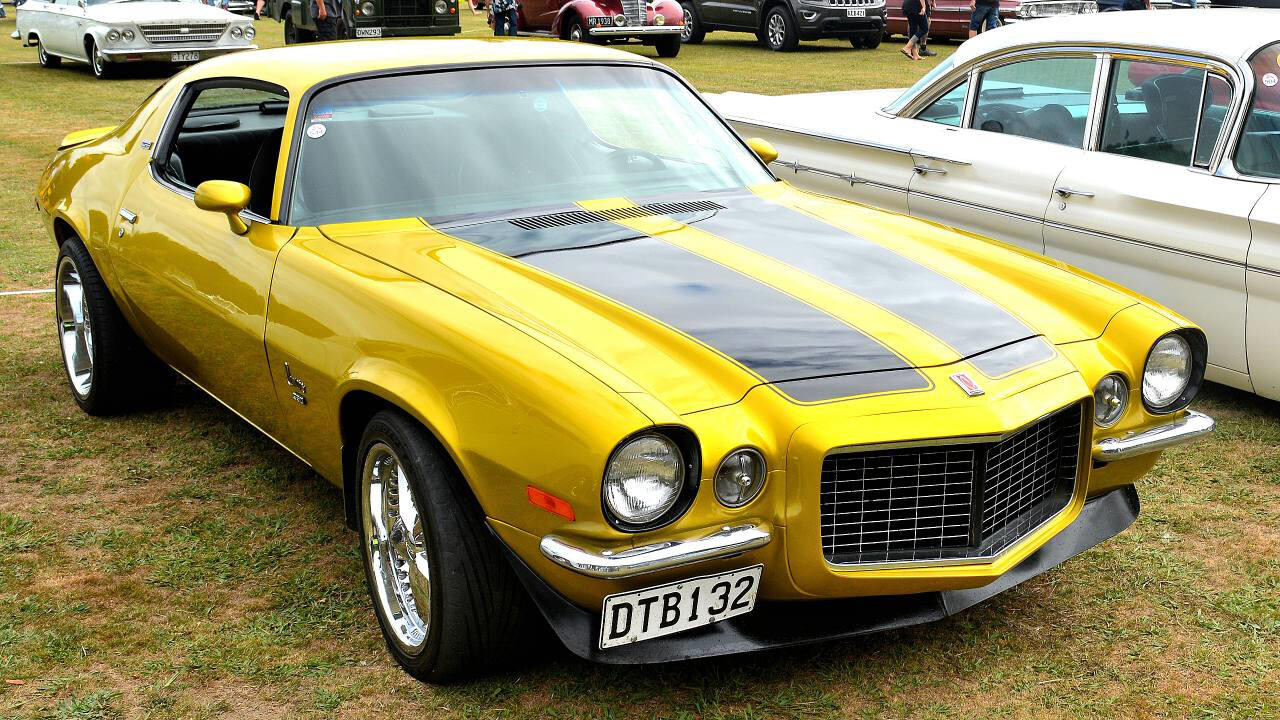
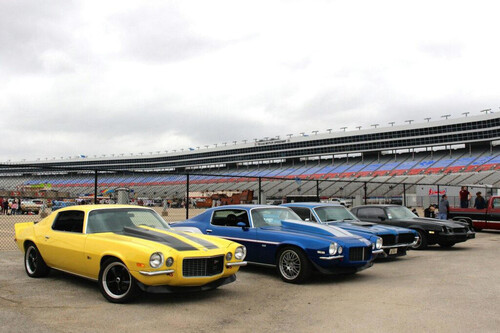
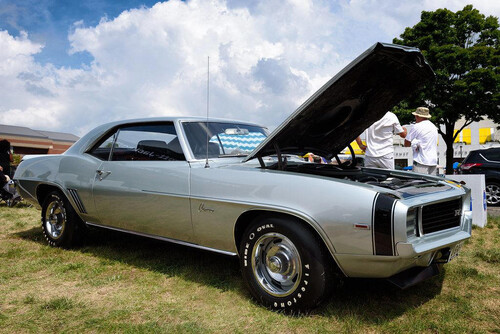
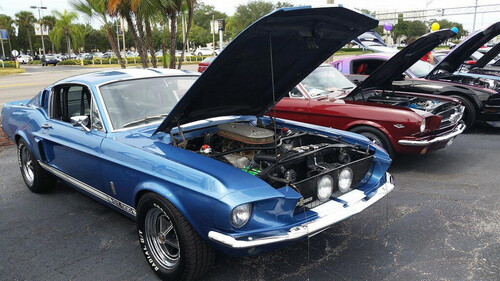
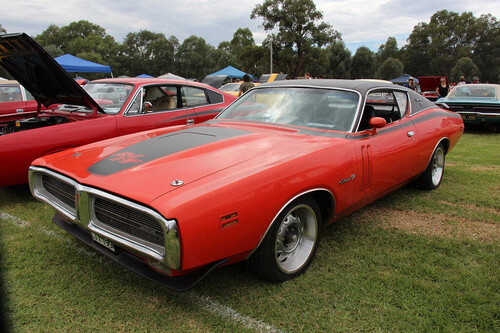
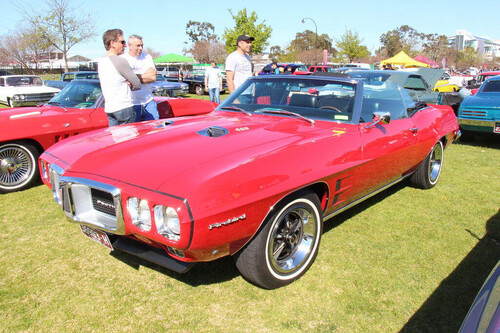
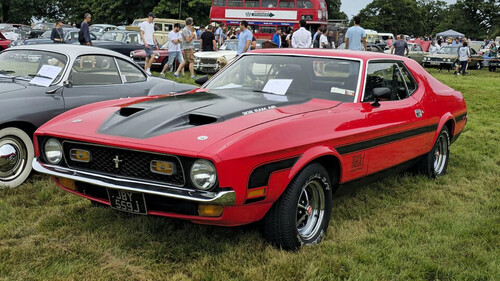
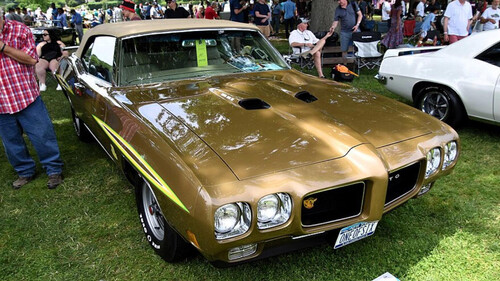
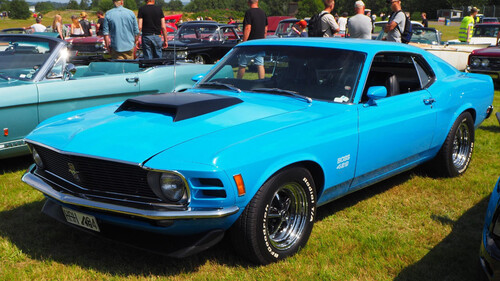
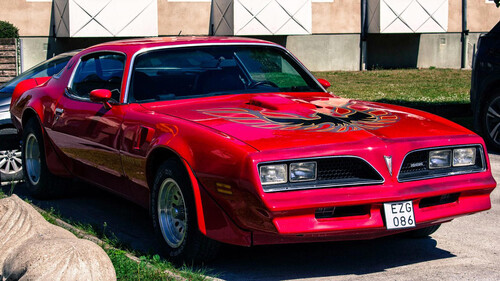
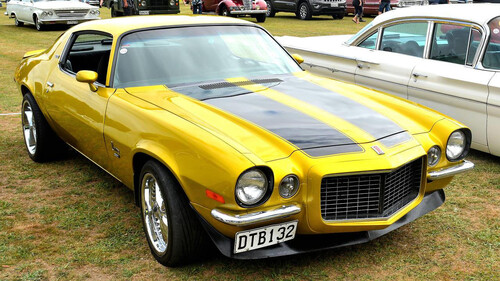
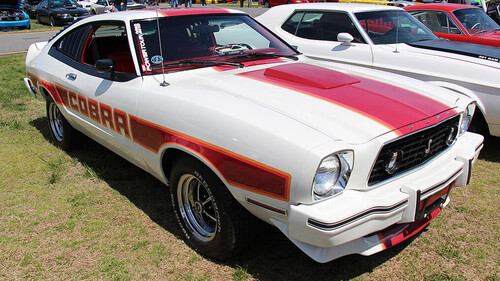
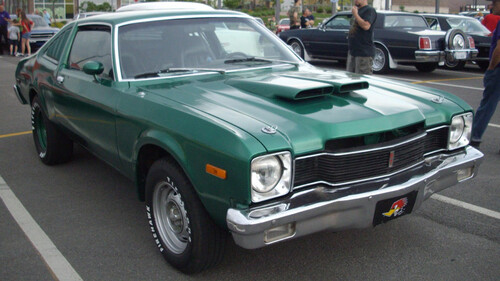
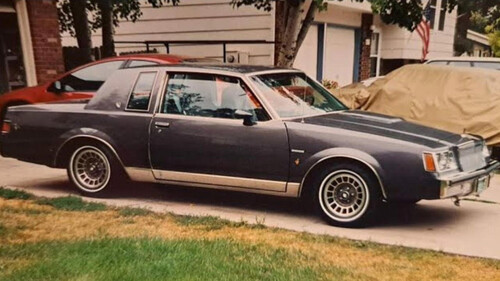
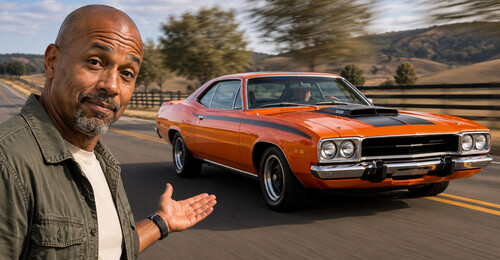
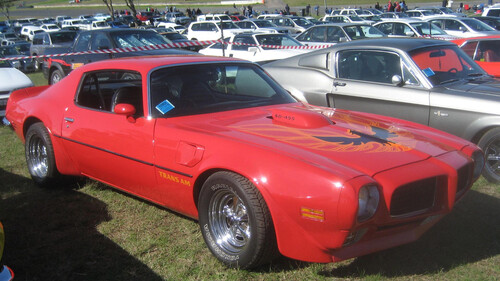
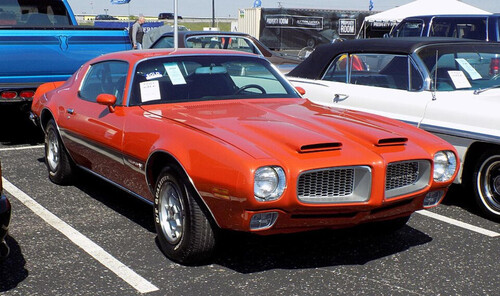
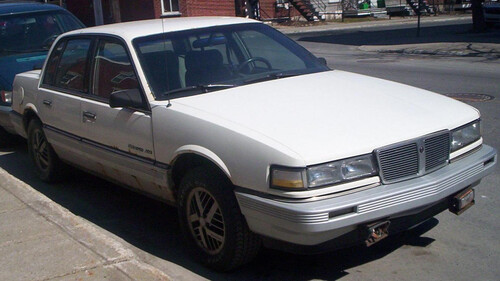
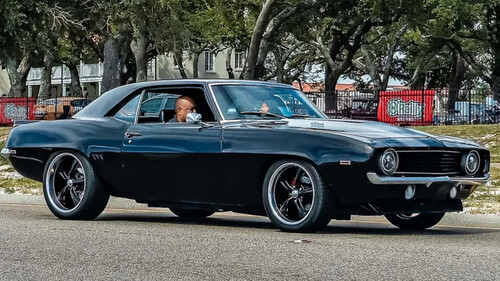
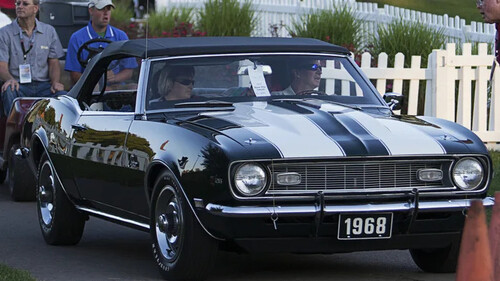
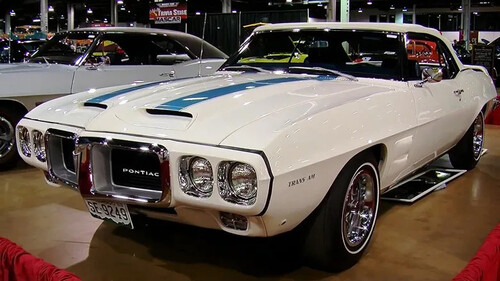
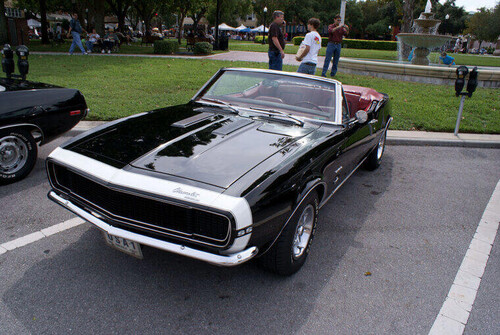
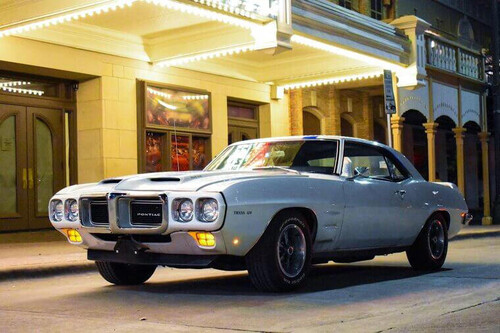
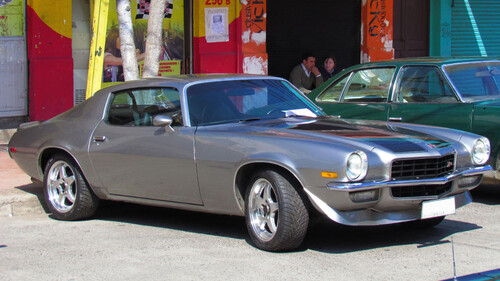
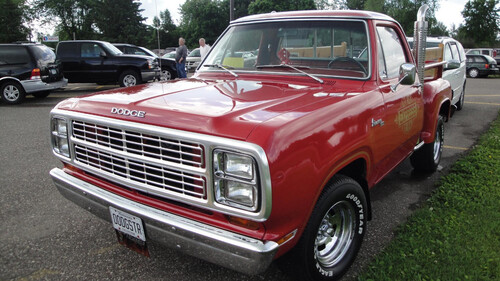
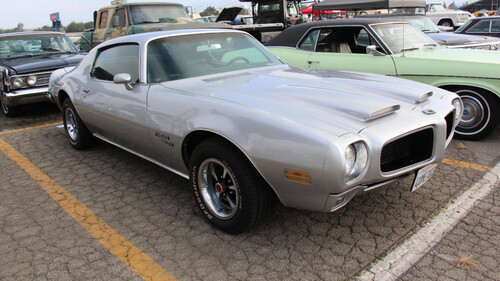
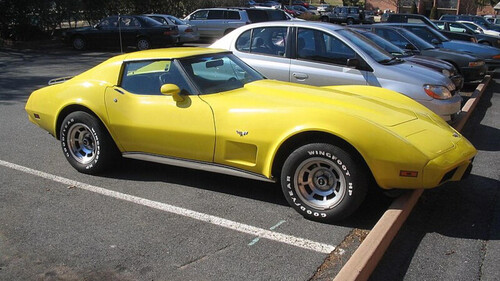
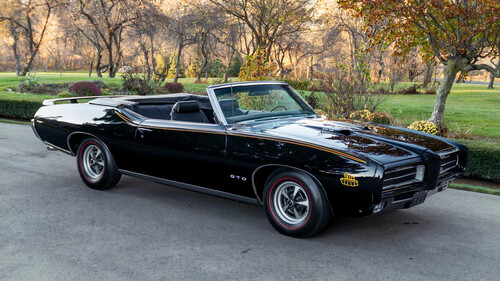
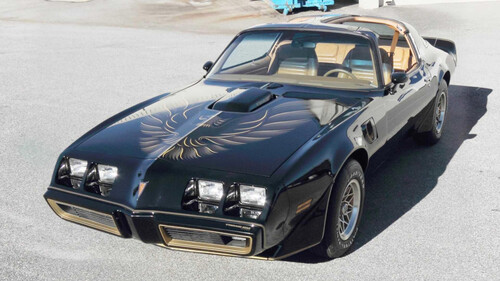
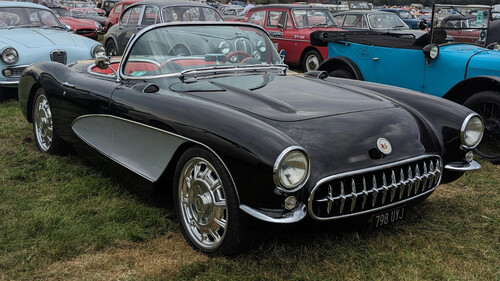
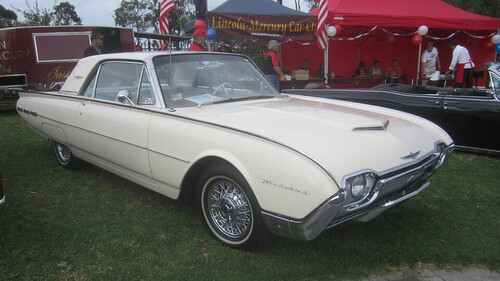
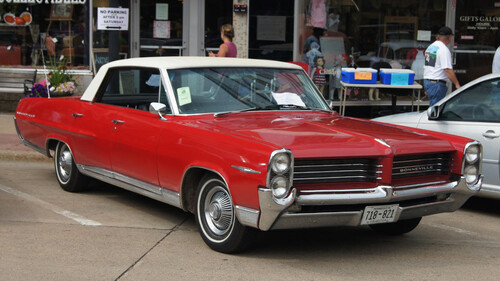
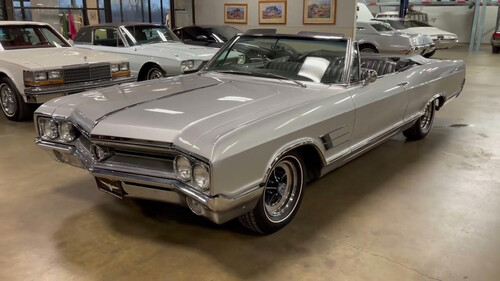
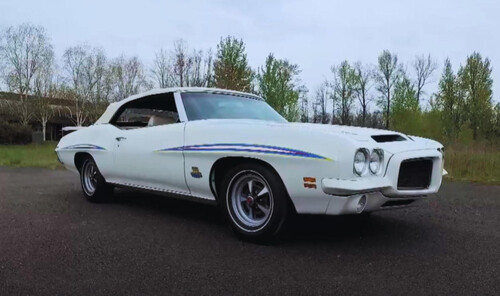
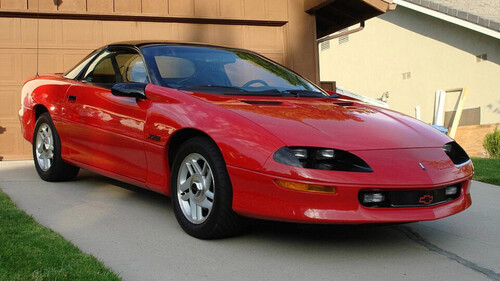
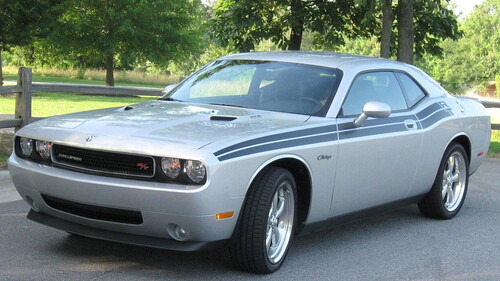
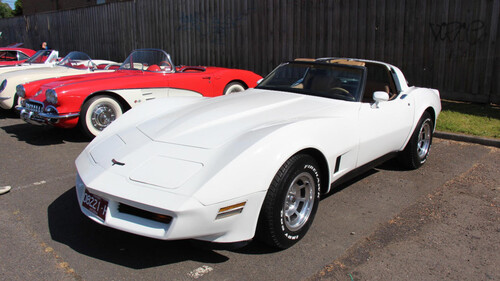
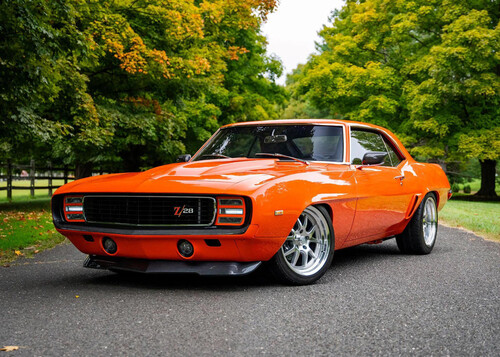
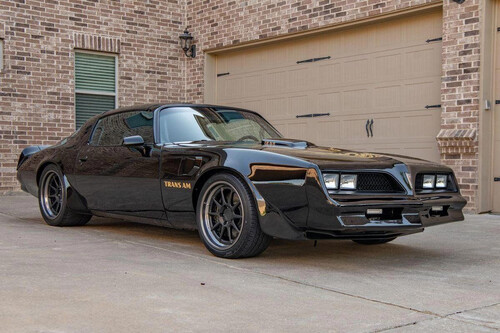
The 1970s forced American performance cars into a difficult transition period shaped by emissions rules, rising insurance costs, and falling compression ratios. Horsepower numbers dropped dramatically compared to the late 1960s, yet some street machines still managed to build legendary reputations through styling, attitude, torque, and unmistakable road presence. These cars proved muscle culture could survive even during challenging times.Pontiac Firebird Trans AmThe Pontiac Firebird Trans Am became the defining American performance icon of the late 1970s despite shrinking horsepower figures industry-wide. Produced by Pontiac, it combined shaker hoods, aggressive graphics, and wide-body styling with strong V8 torque and unmistakable street presence. Pop-culture exposure elevated its image enormously during the decade. Enthusiasts appreciated its rebellious personality even when outright performance declined. The Trans Am became legendary because it preserved muscle-car attitude when many rivals completely lost theirs.Chevrolet Camaro Z28The Chevrolet Camaro Z28 survived the difficult 1970s by emphasizing handling, visual aggression, and enthusiast appeal. Built by Chevrolet, it retained V8 power and sporty suspension tuning while adapting to tightening regulations. Rally-inspired styling and low-slung proportions helped maintain strong showroom appeal. Drivers still enjoyed its responsive character and unmistakable muscle-car identity. The Z28 became legendary because it continued representing affordable American performance during one of the industry’s toughest transitions.Dodge Lil Red Express TruckThe Dodge Lil Red Express Truck shocked buyers by becoming one of the quickest American vehicles of the late 1970s. Developed by Dodge, it exploited emissions loopholes for trucks to preserve stronger V8 performance than many passenger cars. Massive chrome exhaust stacks and bold graphics gave it outrageous visual presence. Magazine tests revealed surprisingly impressive acceleration numbers. The Lil Red Express became legendary because it found creative ways to keep genuine street performance alive.Chevrolet Corvette L82The Chevrolet Corvette L82 helped maintain America’s sports-car credibility during an era dominated by performance compromises. Produced by Chevrolet, it featured improved V8 tuning and lighter fiberglass construction that preserved respectable acceleration despite reduced horsepower ratings. Sharp styling and removable roof panels added excitement beyond raw speed figures alone. Buyers still viewed the Corvette as a serious performance machine. The L82 became legendary because it carried American sports-car identity through difficult regulatory years successfully.Pontiac Can AmThe Pontiac Can Am briefly revived classic muscle-car spirit during the late 1970s with bold styling and large-displacement V8 power. Built by Pontiac, it featured dramatic decals, rear spoilers, and a functional shaker hood inspired by earlier performance legends. Limited production increased its mystique among enthusiasts over time. Drivers appreciated its willingness to celebrate muscle-car excess despite changing industry priorities. The Can Am became legendary because it unapologetically embraced American V8 culture during decline.Ford Mustang Mach 1The Ford Mustang Mach 1 adapted carefully to the realities of the 1970s while preserving recognizable muscle-car character. Developed by Ford Motor Company, it retained aggressive styling, V8 options, and sporty suspension packages that kept buyers engaged. Hood graphics, spoilers, and fastback proportions reinforced its performance image visually. Although power levels declined, enthusiasts still connected strongly with its personality. The Mach 1 became legendary because it kept the Mustang performance tradition alive during difficult years.Buick Regal TurboThe Buick Regal Turbo represented one of the earliest signs that forced induction could reshape American performance. Produced by Buick, it used turbocharging to recover power lost through emissions regulations and lower compression ratios. Smooth torque delivery and understated styling gave it an unexpectedly modern personality. Many buyers initially underestimated its importance within performance history. The Regal Turbo became legendary because it hinted at the turbocharged performance revolution that would arrive during the 1980s.Plymouth Volare Road RunnerThe Plymouth Volare Road Runner carried one of muscle culture’s most recognizable performance names into a difficult automotive era. Built by Plymouth, it blended sporty styling cues with available V8 power and a more practical compact platform. Purists criticized its reduced performance compared to earlier Road Runners initially. Over time, enthusiasts appreciated its role in preserving Mopar muscle identity through changing conditions. The Volare Road Runner became legendary because it refused to let the Road Runner legacy disappear completely.