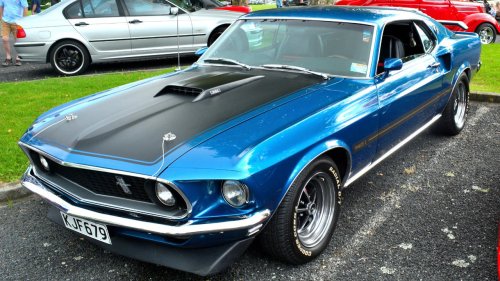
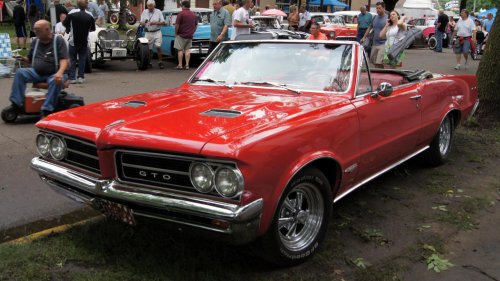
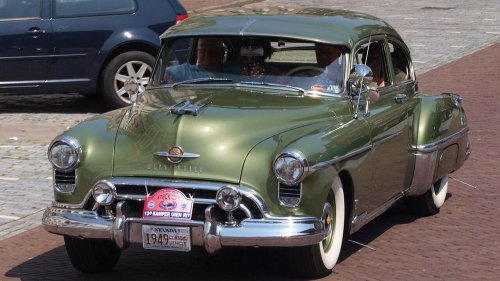
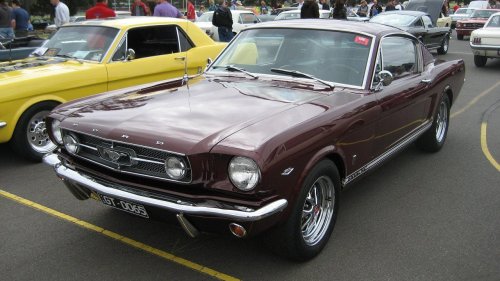
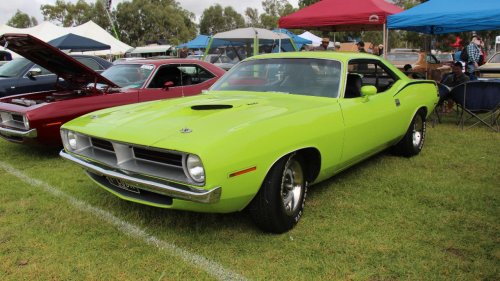
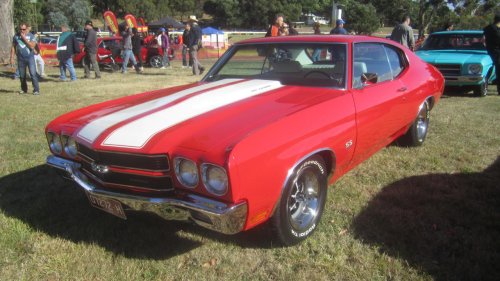
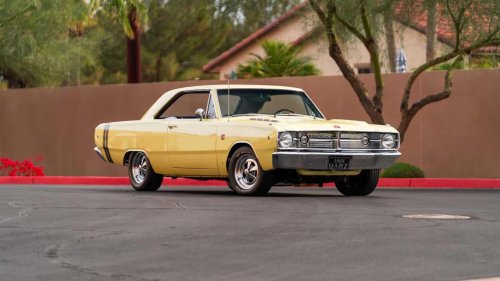
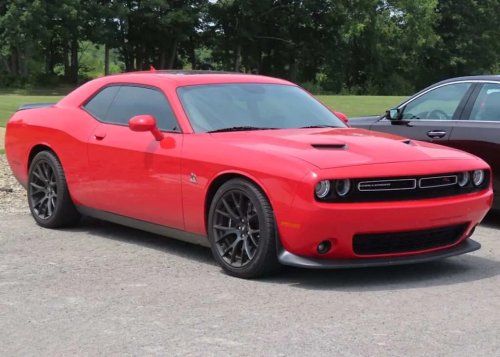
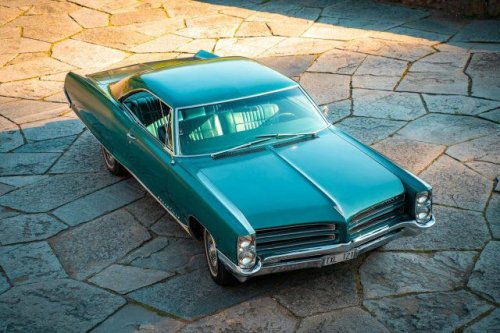
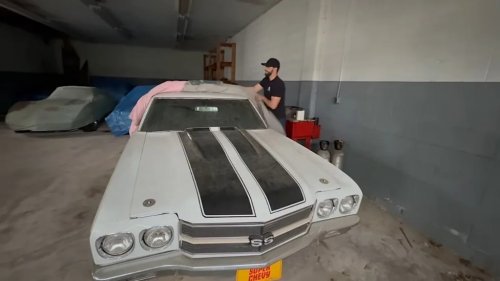
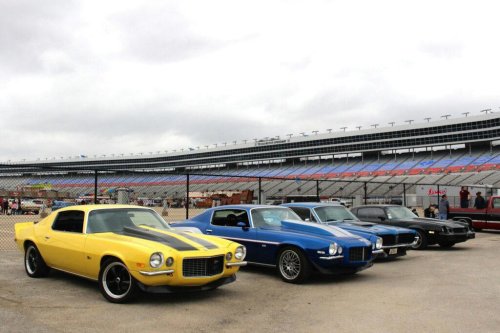
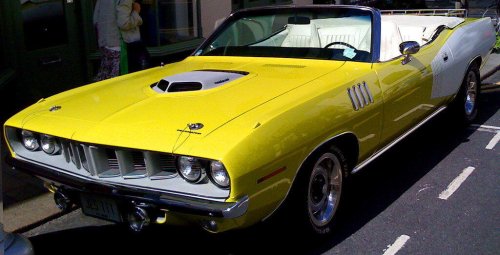
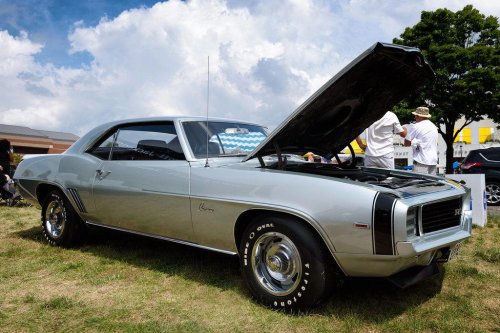
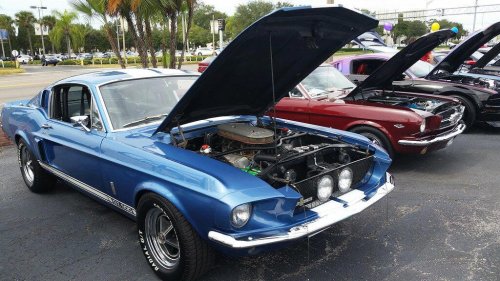
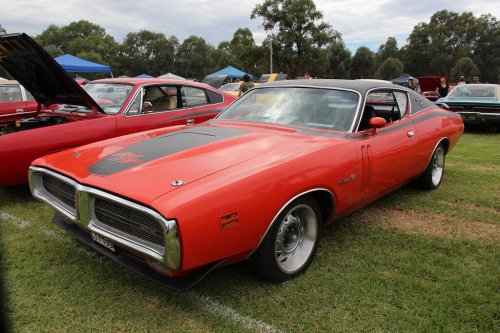
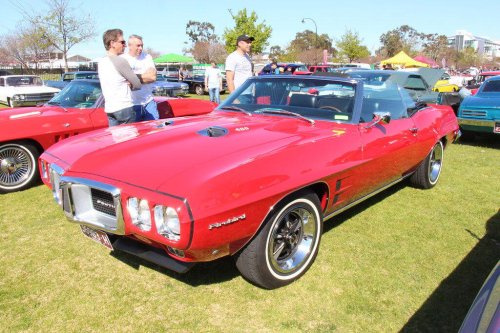
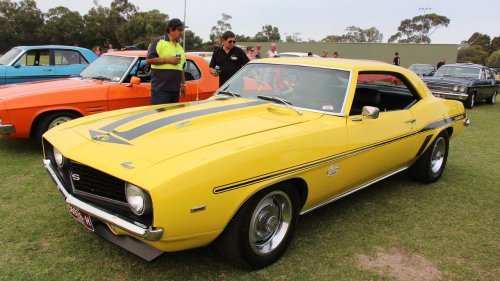
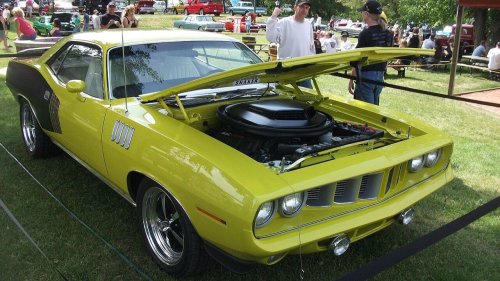
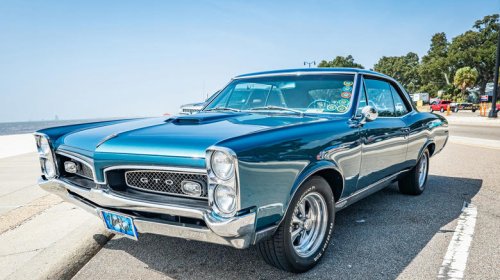
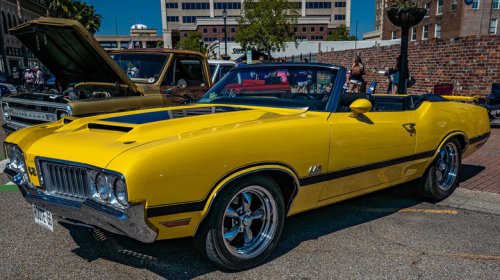
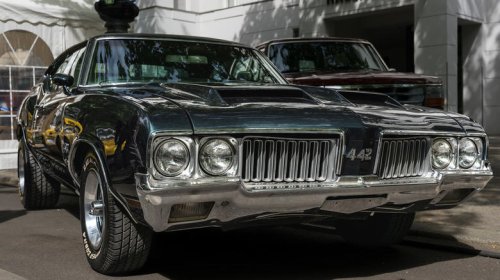
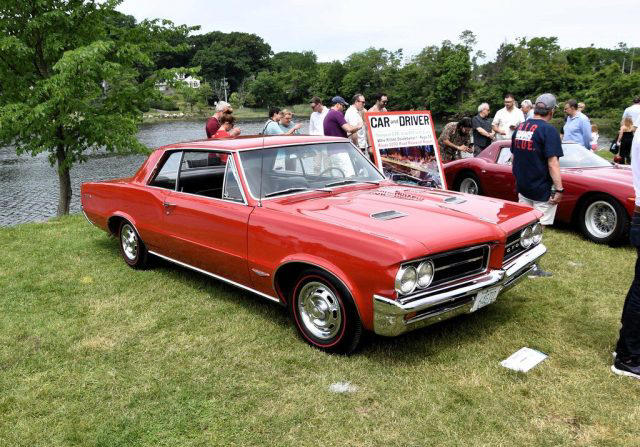
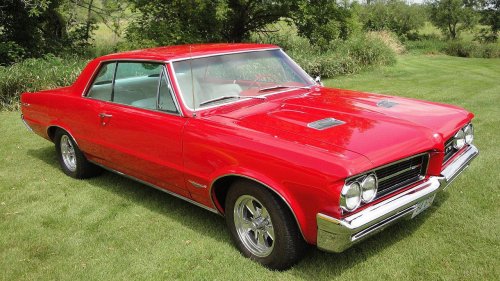
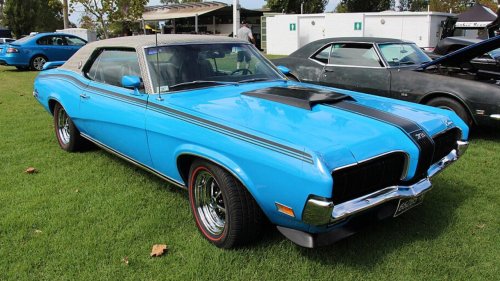
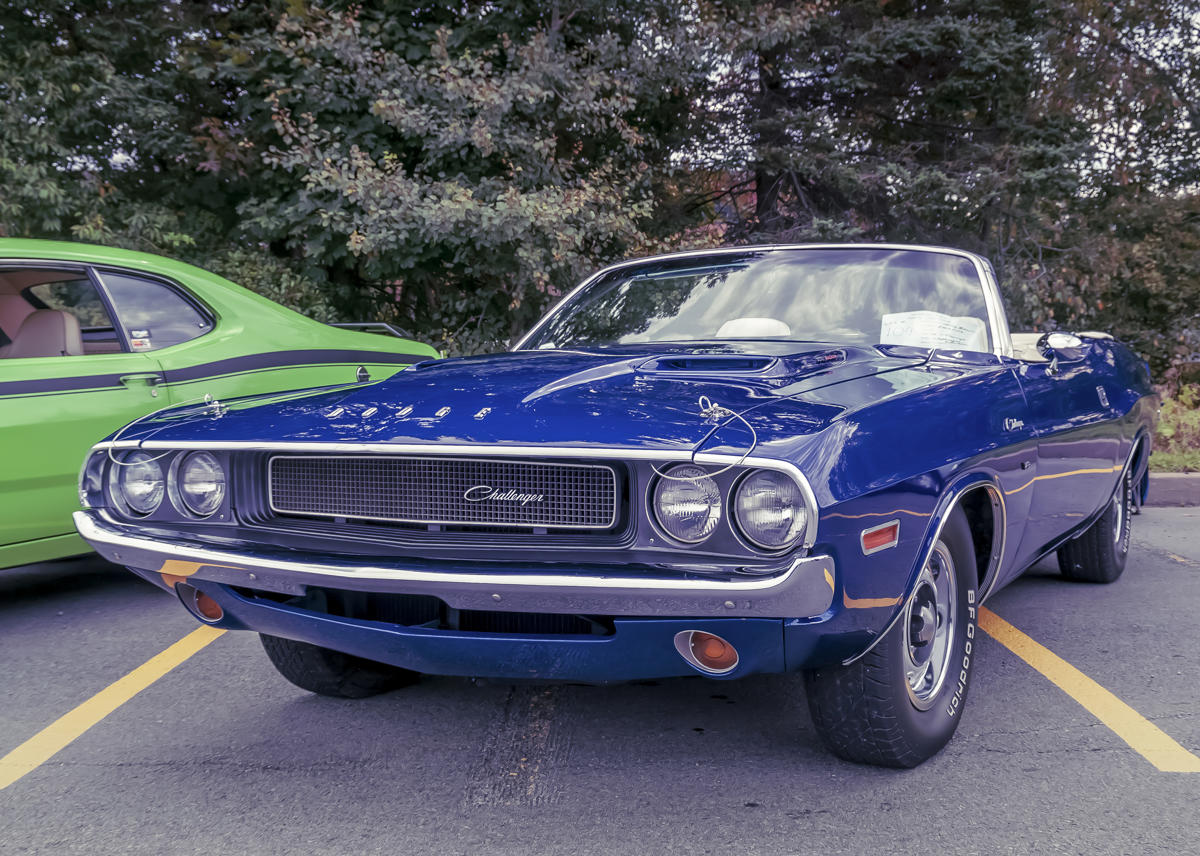
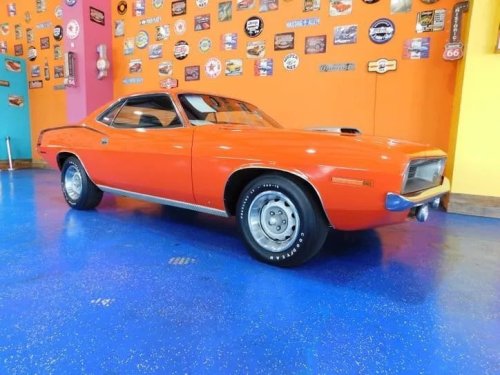
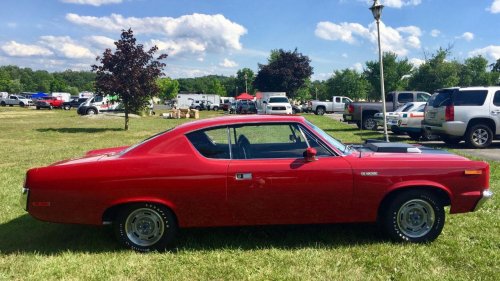
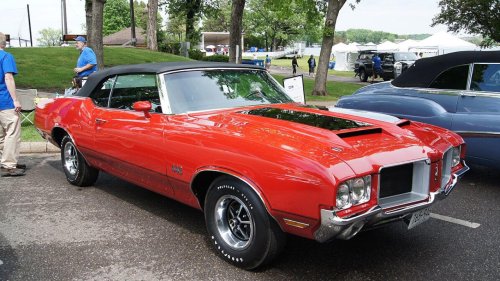
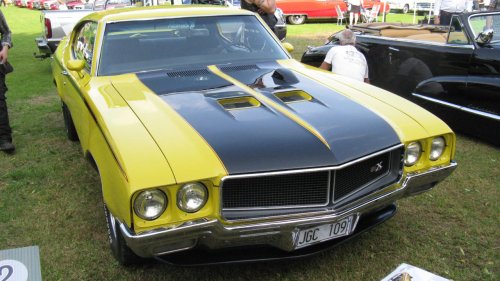
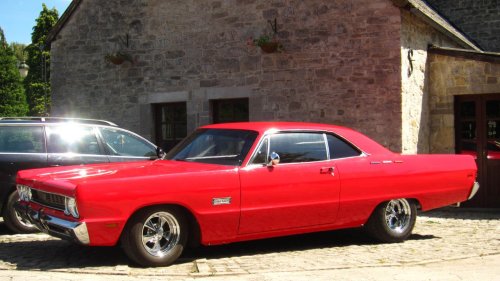
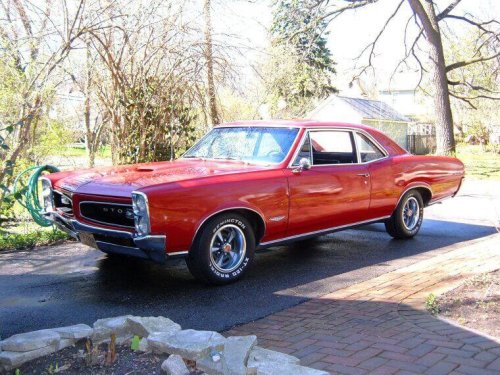
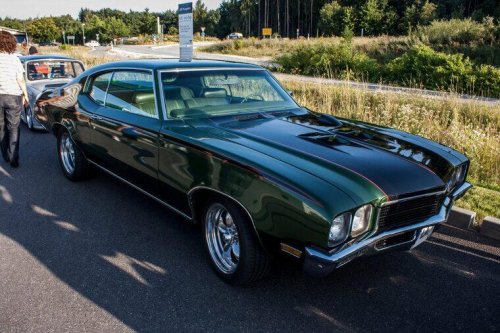
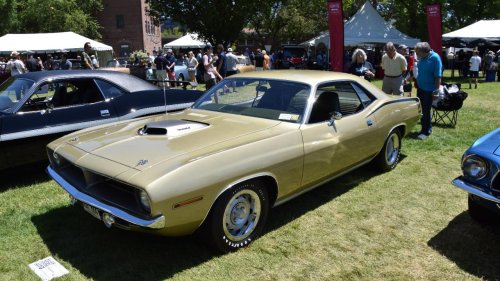
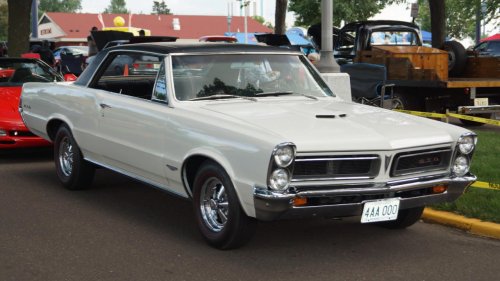
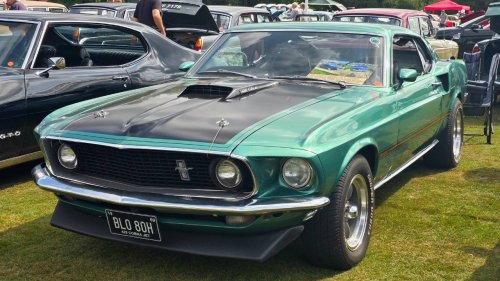
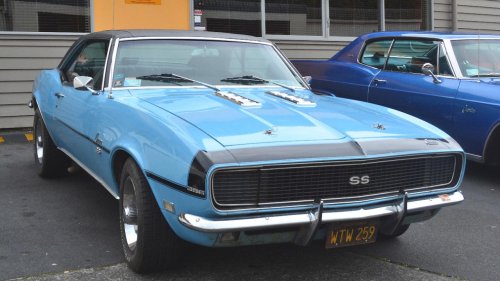
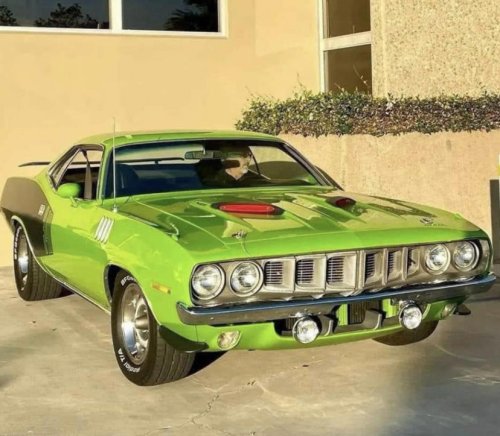
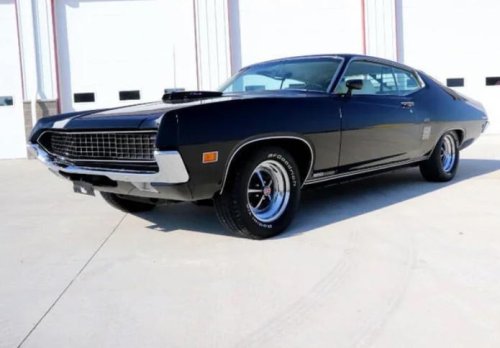
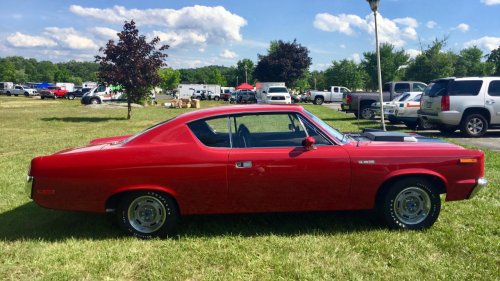
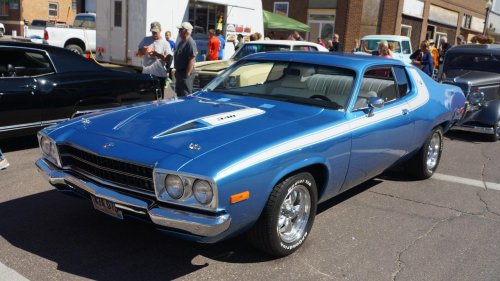
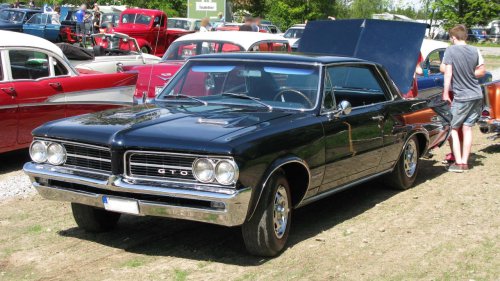
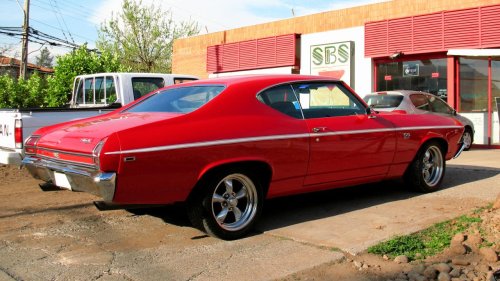
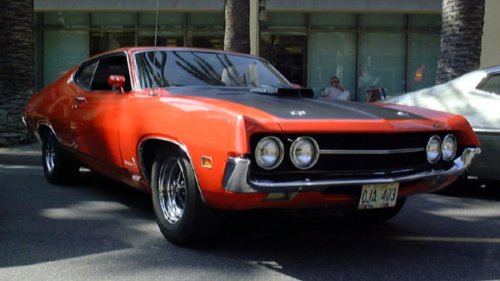
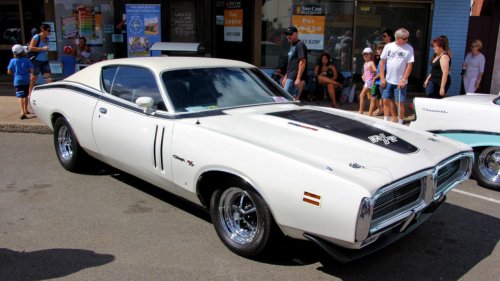
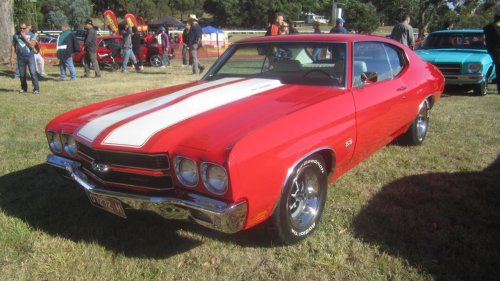
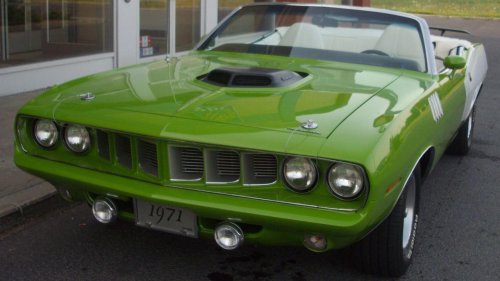
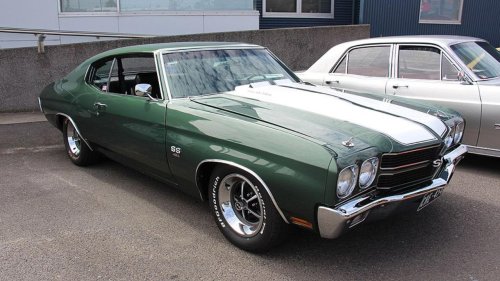
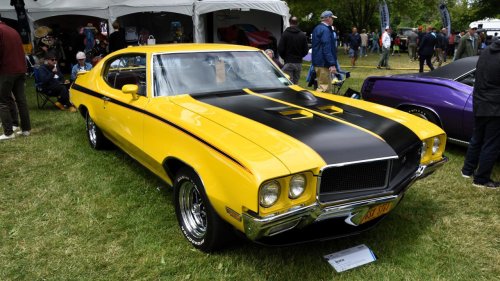
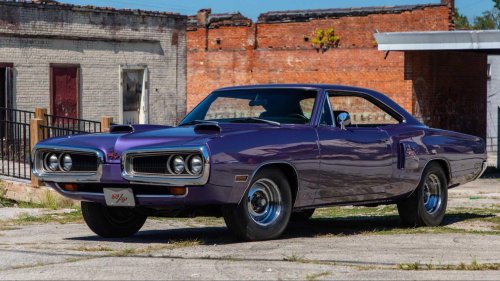
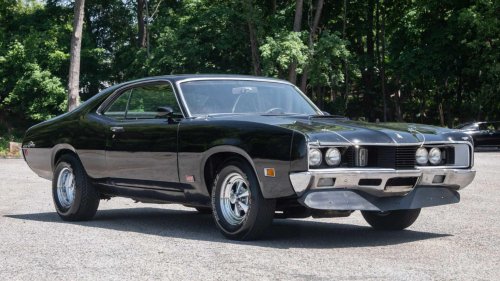
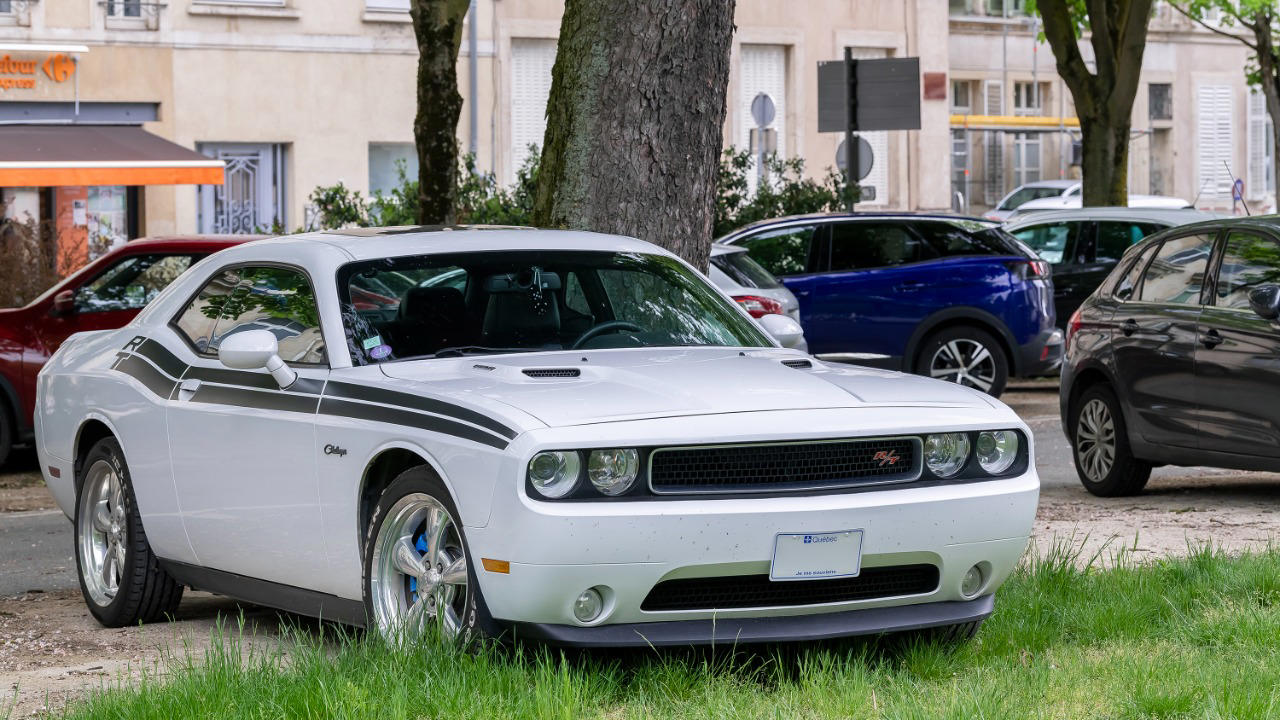
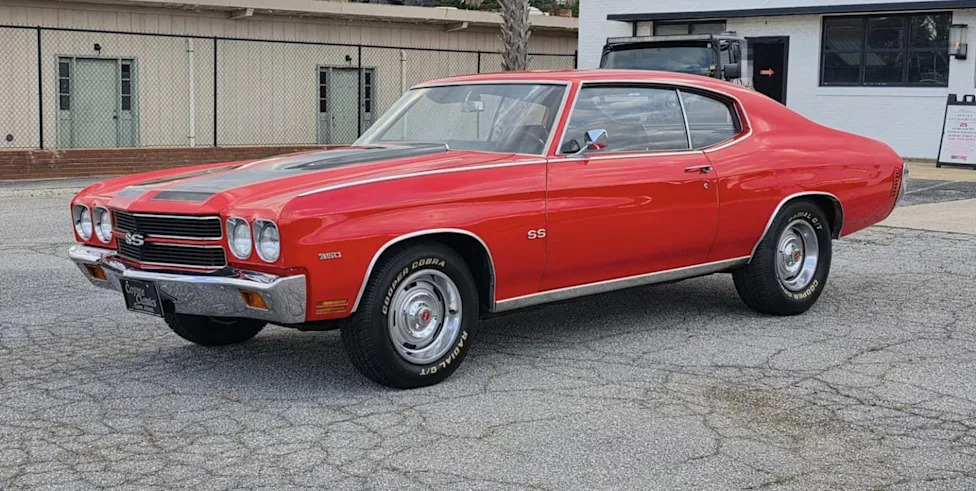
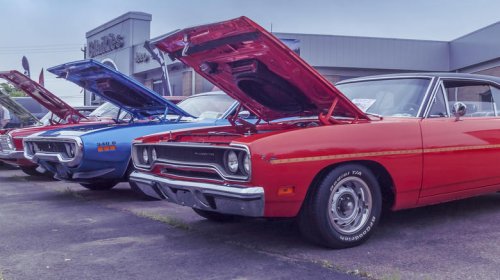
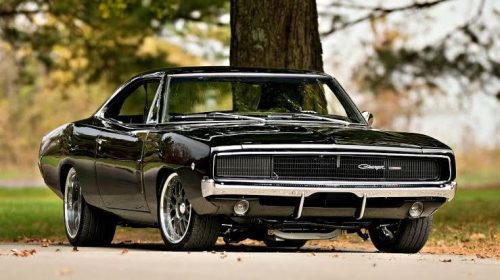
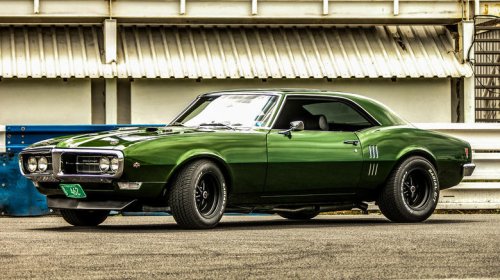
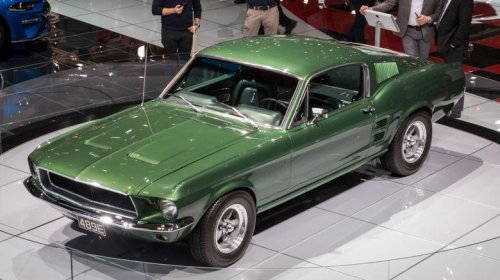
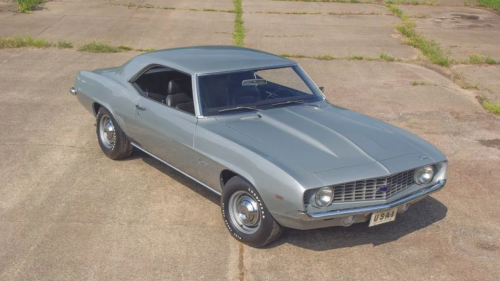
You feel the legend of the V8 every time you hear a hard-edged idle or a ripping full-throttle pass, and muscle cars turned that sound into a cultural event. From early street terrors to high-compression homologation specials, specific models turned simple American coupes into icons. As you walk through these cars, you see how each one shaped what a muscle car means and why the V8 still defines raw performance in your mind.Pontiac GTO (1964)The 1964 Pontiac GTO is where you start if you want to understand how the V8 legend became a movement. You see it repeatedly described as the car that took a midsize body and dropped in serious power to create a new template for performance. In several rankings of classic muscle, the Pontiac GTO appears with the 389 Tri Power setup and an Estimated Payment of $738, which shows how collectors still put real money behind this story. That 389 cubic inch V8 and triple carburetors gave you the sort of punch that made stoplight races feel like major events. When you look at later lists of Of The Sickest V8 Engine Muscle Cars Of The Last 50 Years, you see the Pontiac GTO again, which confirms how deeply this model shaped expectations for torque, noise, and attitude. You are not just looking at one old coupe. You are seeing a blueprint that other brands chased for decades, and that blueprint still guides how you judge any V8 street car.Oldsmobile Rocket 88 (1950)The Oldsmobile Rocket 88 lets you trace the V8 legend back before the official muscle era. You get a compact body, a strong V8, and marketing that leaned into speed, which many historians treat as a prototype for what followed. When you read about Rocket 88 history, you see how its early overhead valve V8 made family cars feel like race machines. For you as a modern enthusiast, the Rocket 88 matters because it shows that the idea of stuffing a big V8 into a lighter body did not appear out of nowhere in the 1960s. It helped set the stage for The Birth of the Muscle Car and the Power Revol that followed, giving you a direct line from early postwar innovation to the big-cube monsters you love.Ford Mustang (Gen 1)The first-generation Ford Mustang gives you the emotional hook that turned V8 power into a global symbol. In one detailed look at the car, the American legend is described as Gen 1 Ford Mustang The first-generation Ford Mustang started it all, with raw V8 power, timeless design, and attitude that could not be ignored. You feel that combination every time you see a long hood, short deck, and hear a small-block barking through dual exhaust. Another examination of American performance history notes that the Mustang’s success pushed rivals to build their own V8 pony cars, which means your entire idea of a muscle car parking lot flows from this one shape. As you compare different generations, you keep coming back to how this early Ford Mustang The model made V8 sound and style part of everyday life, not just race tracks.Ford Mustang Boss 429 (1969)The Ford Mustang Boss 429 shows you how racing needs can create street legends. In one breakdown of ultra-rare machines, the 1969 Ford Mustang Boss 429 is listed with only 859 units produced and a massive 429 cubic inch engine, and the narrator stresses that Ford did not create the Boss 429 just to grab headlines. You see that Boss 429 story tied directly to homologation for high-level racing, which turned this Mustang into a halo car. When you look at broader classic rankings, the 1970 Ford Mustang Boss 429 appears again with vivid performance numbers, including a sprint to 60 mph in a short 5.1 seconds according to classic muscle lists. For you, that means the Boss is not just rare, it is proof that Detroit could blend race-spec hardware with street registration in a way that still shapes how you judge modern V8 specials.Ford Mustang Mach 1 (1969)The 1969 Ford Mustang Mach 1 gives you a more attainable expression of the same V8 bravado. In a curated group of classic American picks, the Ford Mustang Mach 1 appears as the car that followed the original pony launch by Five years after its World Fair debut, tying style upgrades to serious engine options. You get functional scoops, stripes, and big block choices that made the Mach 1 feel like a street fighter. For you, this model matters because it shows how quickly the muscle formula matured. Instead of a simple sporty coupe, you see an integrated package of suspension, brakes, and V8 power that anticipated later performance trims. The Mach 1 helped cement the idea that a V8 Mustang could be both a style statement and a legitimate performance tool in your hands.Chevrolet Camaro SS 396 (1970)The Chevy Camaro SS 396 lets you feel how competition sharpened the V8 arms race. In a survey of standout muscle cars, you find the Camaro SS 396 L78 mentioned alongside the AMC AMX 390 G o Pack and the Dodge Challenger 440 Six Pack as part of an almost absurd menu of choices. That 396 cubic inch big block in a compact body gave you brutal straight line performance with a distinct exhaust bark. As you compare these options, you see how each engine code, from 396 to 390 G to 440, represented a different flavor of the same V8 obsession. The Camaro SS helped define the Chevrolet side of that rivalry, giving you a car that could trade blows with any Mustang while proving that the V8 legend was not owned by a single brand.Dodge Challenger 440 Six Pack (1970)The Dodge Challenger 440 Six Pack shows you what happens when engineers chase maximum street torque. In the same period that highlighted the Camaro SS 396 and AMC AMX 390 G o Pack, the Challenger with its 440 Six Pack setup brought triple two barrel carburetors to a huge displacement V8. That combination, described alongside other 440 powered options, gave you instant throttle response and towering torque. For you as a fan, the Challenger 440 Six Pack represents the point where muscle cars flirted with excess in the best way. It turned quarter mile bragging rights into a factory option sheet, and that attitude still shapes how you think about big cube V8 builds and modern retro-styled performance cars.Plymouth Hemi 'Cuda (1970)The Plymouth Hemi ‘Cuda is the car you point to when you want to explain why the word Hemi still sends a chill through enthusiasts. With its 426 cubic inch hemispherical head V8, the ‘Cuda turned a compact E body into a near race car for the street. In discussions of America did it, the Hemi ‘Cuda often appears as proof that Detroit could sell you drag strip hardware with a warranty. For collectors and fans like you, the Hemi ‘Cuda also shows how limited production and outrageous performance combine to build myth. Every time you hear a modern Hemi badge, you are really hearing echoes of this car’s lumpy idle and the way it forced rivals to respect Chrysler’s V8 engineering.Chevrolet Chevelle SS 454 (1970)The Chevrolet Chevelle SS 454 gives you the textbook image of a big block muscle car. With its 454 cubic inch V8, often rated at conservative horsepower figures, the Chevelle SS turned a family friendly midsize into a straight line monster. In many best muscle car rundowns, this model stands out as the ultimate expression of the big block era, balancing brutal acceleration with clean, understated styling. When you think about the legend of the V8, the Chevelle SS 454 reminds you that displacement and torque were once the simplest path to dominance. It also shows how a relatively ordinary body style can become unforgettable once you bolt in a giant V8, a lesson that still guides modern engine swap culture you see at local meets.