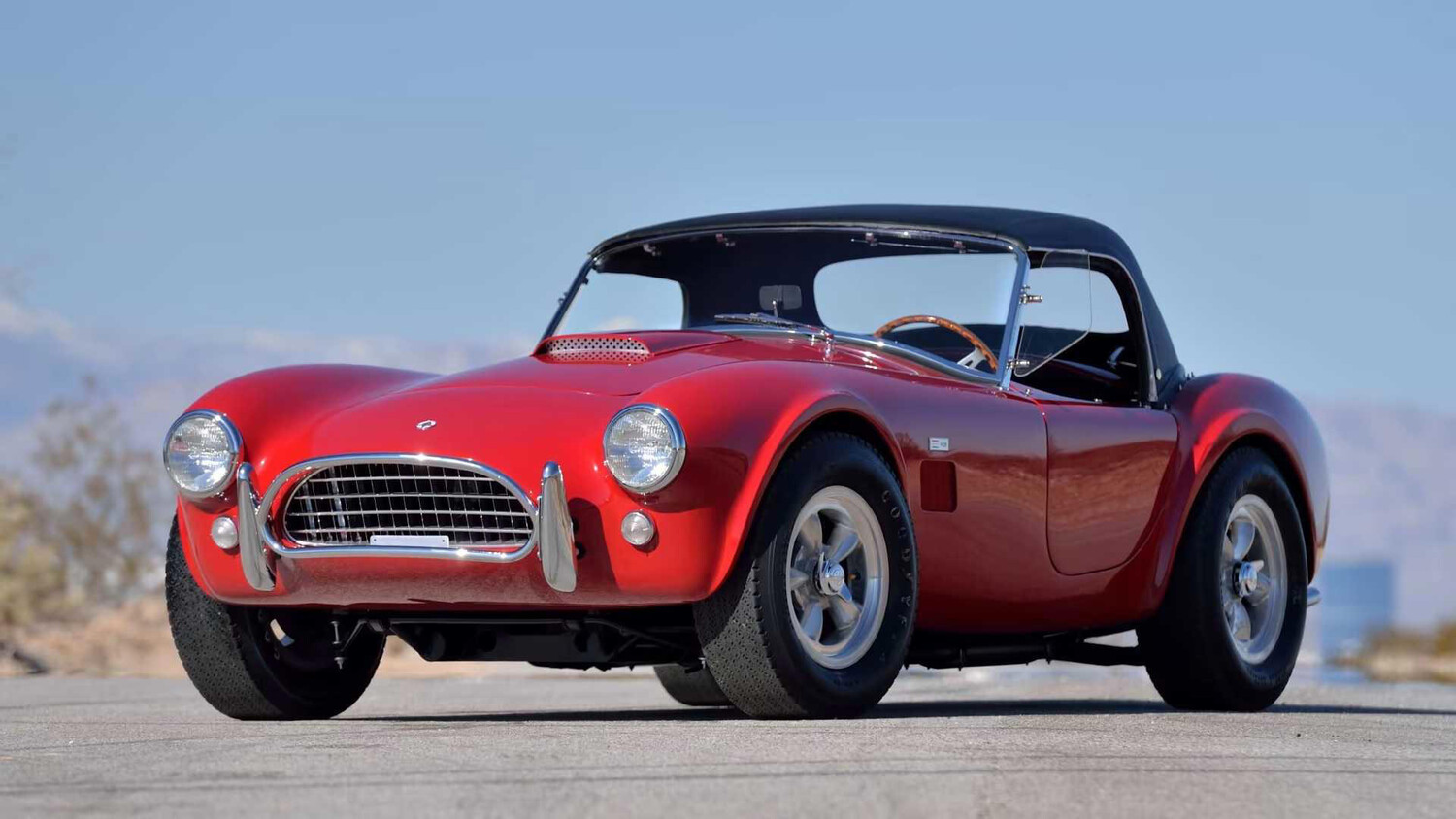
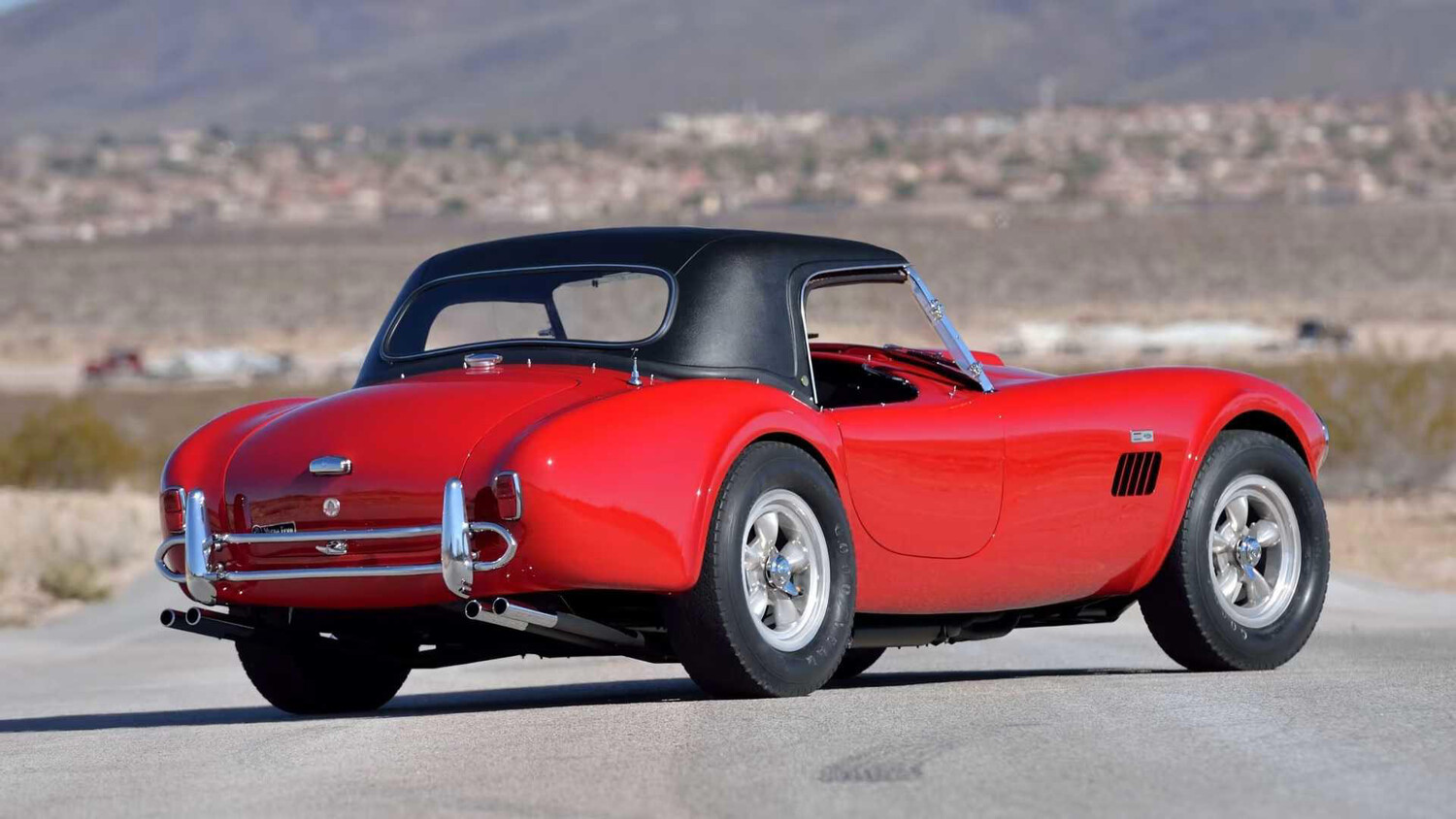
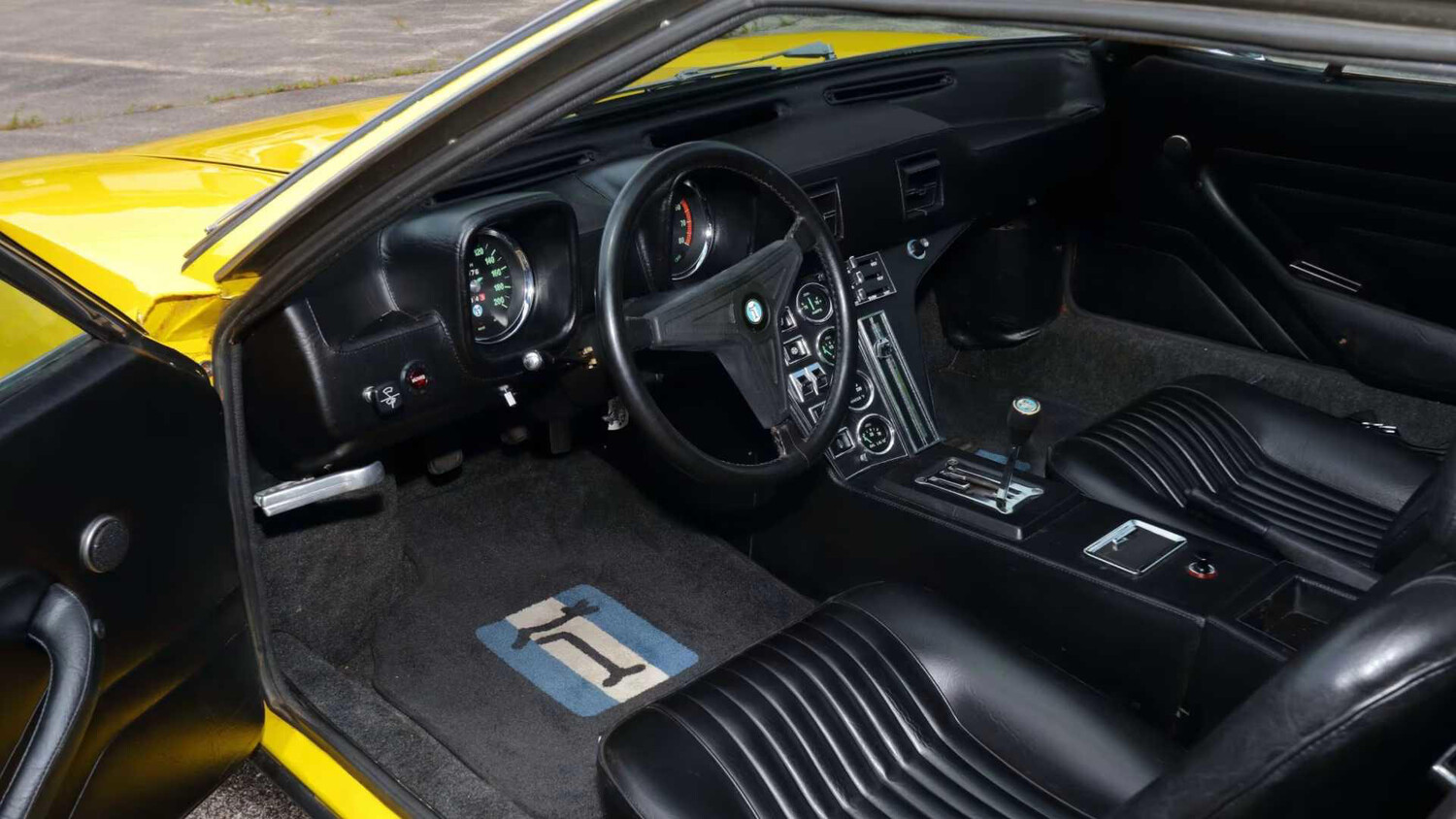
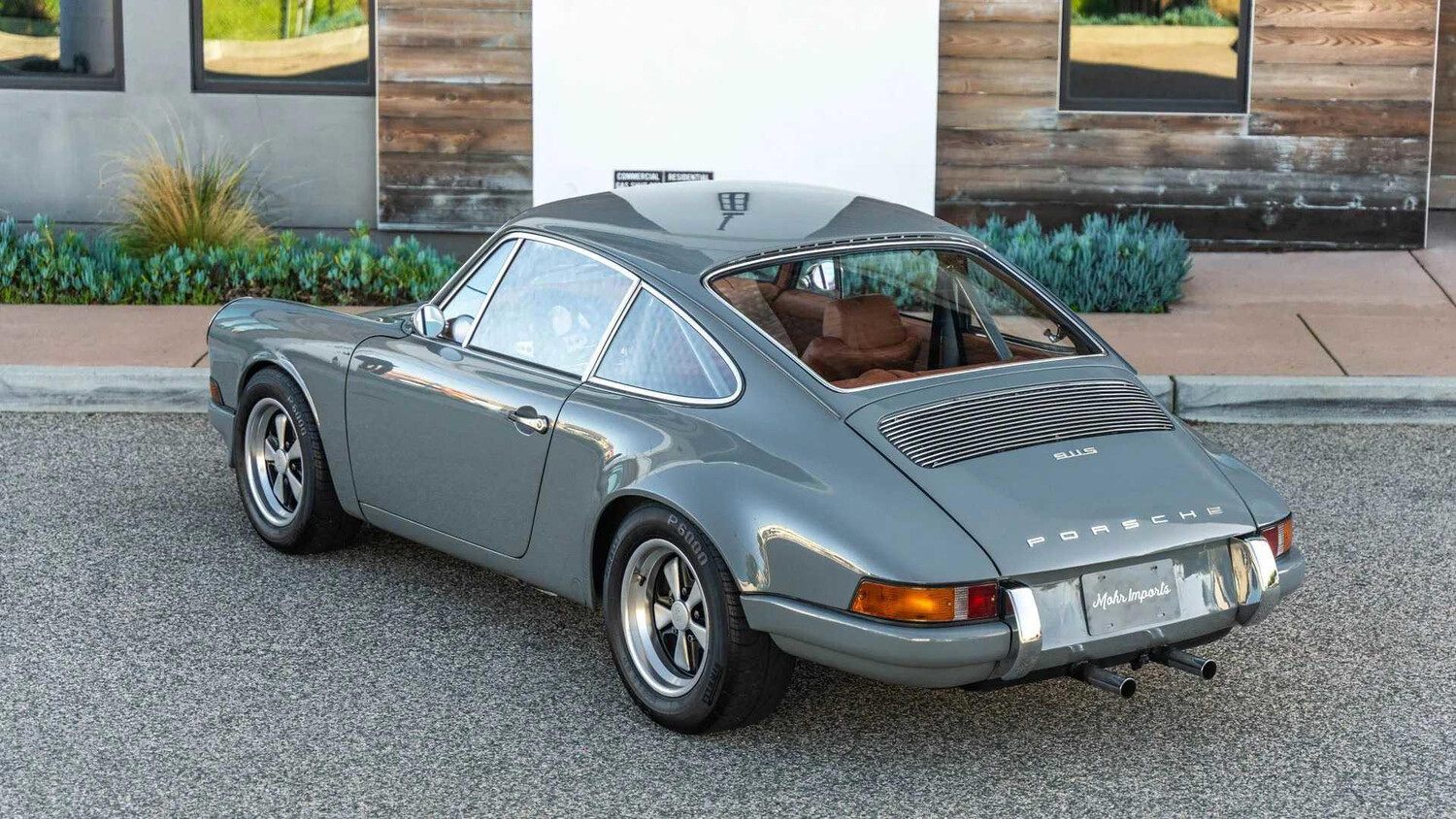
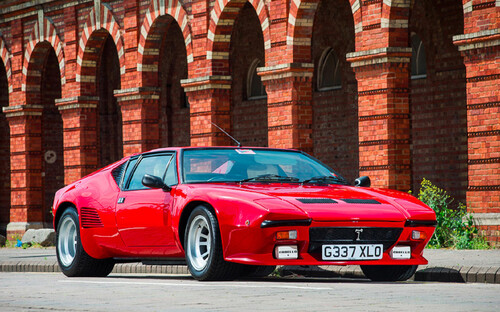
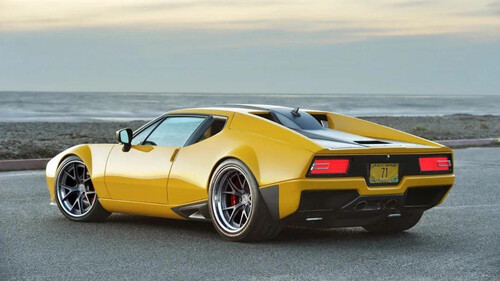
Smart collectors do not always look for the loudest car in the room – often, the real prize sits under a cover, wearing old paint, correct trim, factory hardware, and just enough dust to make a detailer twitch. These cars prove what performance looked, sounded, and smelled like before touchscreens, launch control, and fake exhaust noise joined the party.The problem is simple – the clean ones keep vanishing into private garages. Enthusiasts still talk about horsepower, rarity, and auction numbers, but survivor-grade cars bring something deeper. They carry original parts, odd options, period quirks, and stories that restorations can sand away. 1971 Plymouth Hemi ’Cuda Hardtop Price: $1,179,900 Mecum The 1971 Hemi ’Cuda Hardtop sits near the top of the muscle-car food chain, and not because it politely waited in line. It brought the 426-cubic-inch Hemi V8, a factory rating of 425 horsepower, and the final-year swagger of Chrysler’s wildest street engine. One documented 1971 Hemi ’Cuda sold at $1,179,900 and carried the kind of details collectors obsess over – original Rallye Red paint, black billboards, an untouched Hemi, a Torqueflite automatic, a Dana 60 rear end, and enough factory option tags to make Mopar people start breathing manually.MecumThe magic here does not come from speed alone – modern minivans can embarrass old quarter-mile legends if the stars align and the snacks are properly secured. But the ’Cuda matters because it captures Detroit at peak lunacy – Plymouth gave buyers a compact E-body shell, bright colors, cartoon-level graphics, and an engine that sounded like it wanted to eat the hood. True survivor cars feel even wilder because they still show how Chrysler actually built them. Uneven panel gaps? Period charm. Loud idle? Factory meditation app. 1964 Shelby/AC 289 Cobra Price: $610,500 Mecum Auctions The 289 Cobra proves that small-block does not mean small attitude. Gooding sold a 1964 Shelby 289 Cobra for $610,500, and that number now looks almost quaint next to later Cobra sales. The 655 small-block Cobras were built from 1962 to 1965, and the car weighed roughly 2,020 pounds. That gives the 289 car the correct recipe with British roadster bones, Ford V8 punch, and just enough mass to make the driver feel like part of the suspension.Mecum AuctionsBig-block 427 Cobras get the poster fame, but many serious drivers quietly prefer the 289. It has narrower hips, lighter steering feel, and a more delicate balance. Later 289s gained rack-and-pinion steering while keeping the leaf-spring chassis, which makes them feel more precise without losing the early Cobra bite. It is not a car for people who like cupholders, soft-close doors, or emotional support lane assist. A real 289 Cobra feels like a clenched fist with license plates. De Tomaso Pantera Price: $181,000 Mecum The Pantera looks Italian, speaks with a Ford accent, and eats parts from a shelf instead of a trust fund. That combination explains why collectors keep circling back to it. De Tomaso built the Pantera around a mid-mounted Ford 351 Cleveland V8 and a ZF five-speed transaxle, then sent many U.S. cars through Lincoln-Mercury dealers. Ford wanted an exotic it could sell through familiar stores, and De Tomaso delivered a wedge-shaped answer that made the Corvette look almost sensible.MecumThe Pantera’s secret is that it feels exotic without demanding full exotic obedience. Yes, early cars had rust concerns, cooling complaints, and Italian build quality that sometimes treated “fit and finish” as a loose suggestion. Still, owners could tune the Ford V8 without calling a priest or selling land. De Tomaso built about 7,260 Panteras through 1992, with more than 5,500 sold through Lincoln-Mercury stores, which gives the car a rare but not hopeless parts ecosystem. A $181,000 Pantera sale shows where excellent examples now sit, especially when the car keeps its period character instead of turning into a chrome-plated SEMA fever dream. Porsche 911T Coupe Price: $112,500 BaT The Porsche 911T used to be the “cheap” long-hood 911. That sentence now sounds like a joke told by someone who bought Apple stock in 1985. The T stood for Touring, and Porsche placed it below the E and S, but the model still had the core 911 magic with an air-cooled flat-six, light body, rear-engine handling, and a shape that Porsche has been remixing for six decades. The 1970-1971 911T 2.2 made 125 horsepower, and Porsche built 6,544 coupes, which makes it common enough to use and special enough to protect.BaTCollectors like the 911T because it tells a cleaner story than many hotter 911s. It rewards momentum, heel-and-toe shifts, and drivers who understand that rear weight bias can become either a dance partner or a lawsuit. A $112,500 high bid for a 1973 911T coupe shows how far the “entry-level” Porsche has traveled in collector circles. The best ones still wear honest colors, correct trim, and interiors that smell like old vinyl, warm oil, and bad financial decisions. 1979 Ford Bronco Custom Price: $67,725 BaT The 1979 Ford Bronco Custom has a different kind of survivor appeal. It looks like it can pull a stump, haul a cooler, and still make it to church if someone hoses the mud off first. Ford’s second-generation Bronco lasted only 1978 and 1979, shared major pieces with the F-Series, and moved the Bronco into the full-size SUV class. The larger Bronco kept off-road ability while gaining the size and comfort buyers wanted.BaTThe Custom trim adds to the charm because it feels honest. The fancy Ranger XLT gets more chrome and comfort, but a clean Custom has that plain-shirt, work-truck vibe collectors love. Hagerty reported a 1979 Bronco Custom selling for $67,725 in 2020, a record at the time for the second-generation model. The appeal has only grown because two-door SUVs now feel almost rebellious. The Bronco has a removable rear hardtop, V8 torque, and a square body that looks drawn with a ruler and mild anger. Honda S600/S800 Roadsters Price: $25,000 to $45,350 via Bring A Trailer The Honda S600 and S800 roadsters are tiny, but they do not think small. The S600 used a 606cc dual-overhead-cam four-cylinder that made 57 horsepower at 8,500 rpm and drove the rear wheels through chain-drive assemblies. That sounds like something built after an engineer stared at a motorcycle and said, “Fine, but give it doors.” The S800 pushed the formula further with a 791cc four-cylinder, 70 horsepower, and 100-mph capability, which made it one of the most overachieving little roadsters of its era.Hagerty, YouTubeCollectors quietly stash these because they represent Honda before Honda became shorthand for sensible daily transport. The S-cars show the company’s motorcycle brain in full bloom – high revs, tiny displacement, clever engineering, and a tachometer that looks optimistic until the engine actually gets there. They also carry a special U.S. mystique because they never sold here in large official numbers. A good one feels like a mechanical watch with a steering wheel. It will not scare a Hellcat, but it may shame one at a gas station, which counts as a moral victory. 1971 Dodge Challenger R/T Price: $32,500 Mecum The 1971 Dodge Challenger R/T gives collectors a way into E-body Mopar muscle without needing Hemi ’Cuda money. Dodge built the first-generation Challenger on the same broad platform family as the Barracuda, but gave it a slightly longer, more upscale flavor. For 1971, the R/T remained the performance badge, and the standard engine was the 383 Magnum V8 rated at 300 gross horsepower. Dodge also offered bigger weapons, including the 440 Six Pack and the 426 Hemi, before emissions rules and insurance pressure started thinning the herd.MecumThat $32,500 price makes this car fascinating. A one-family-owned 1971 Challenger R/T brought that amount on Bring a Trailer. Not every desirable classic needs to be a museum-grade unicorn with three security guards and a velvet rope. A real R/T with history gives an enthusiast the look, the noise, and the Road/Track badge without turning every parking lot stop into a net-worth audit. The 1971 front end also has extra attitude, like Dodge asked the grille to frown harder. It did, and it worked.