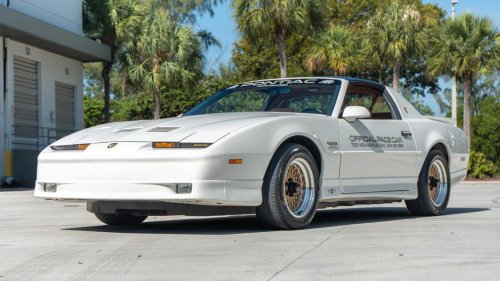
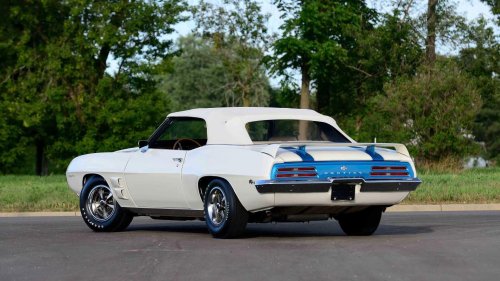
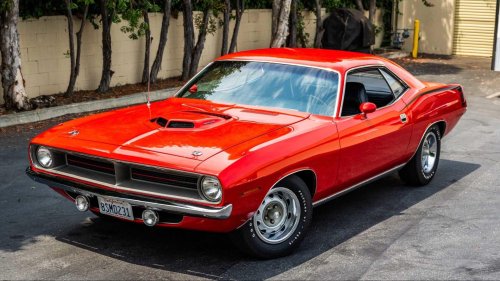
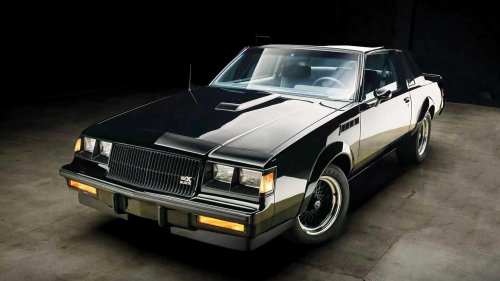
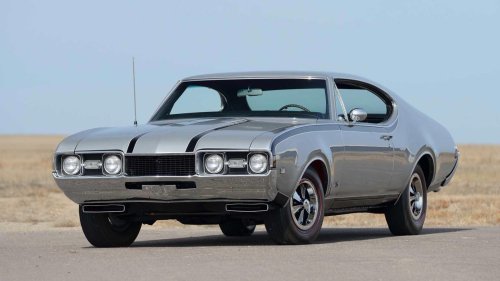
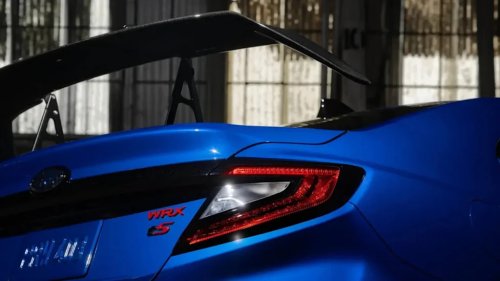
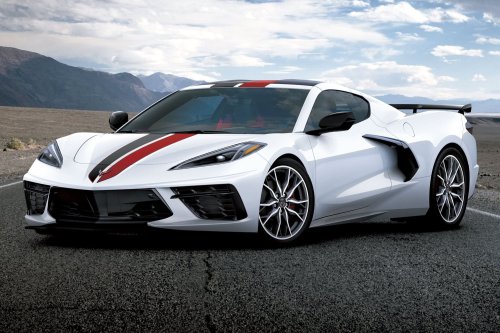
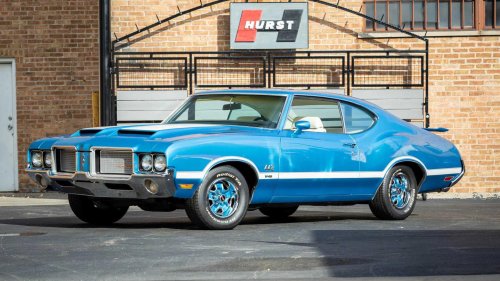
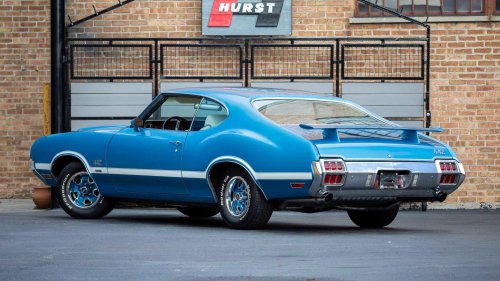
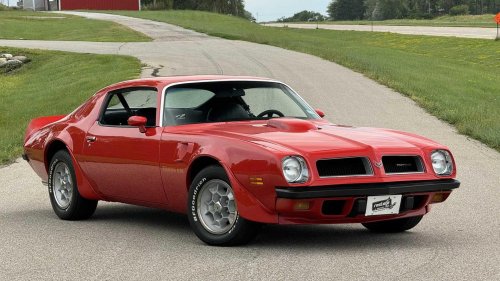
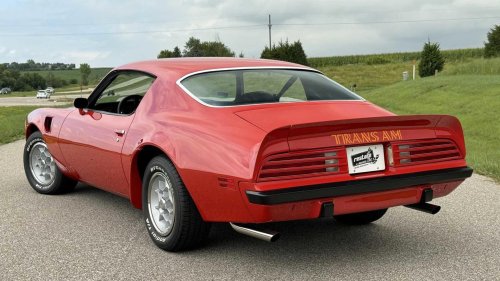
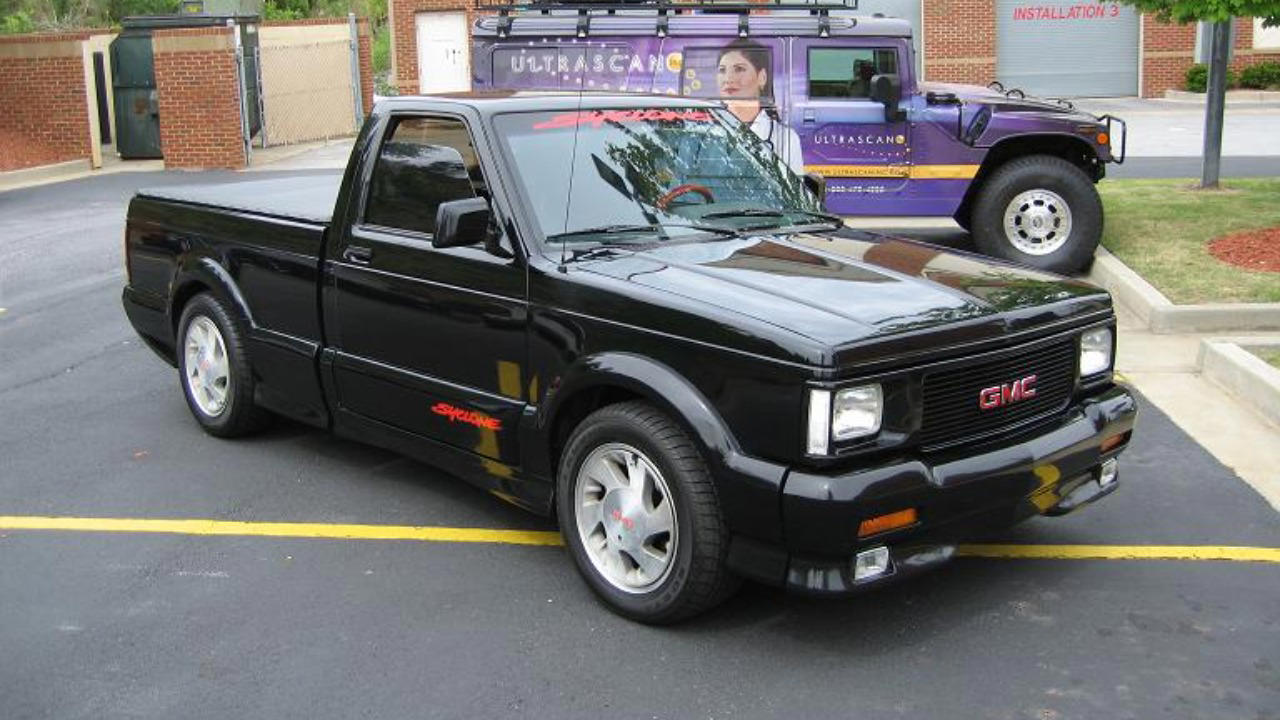
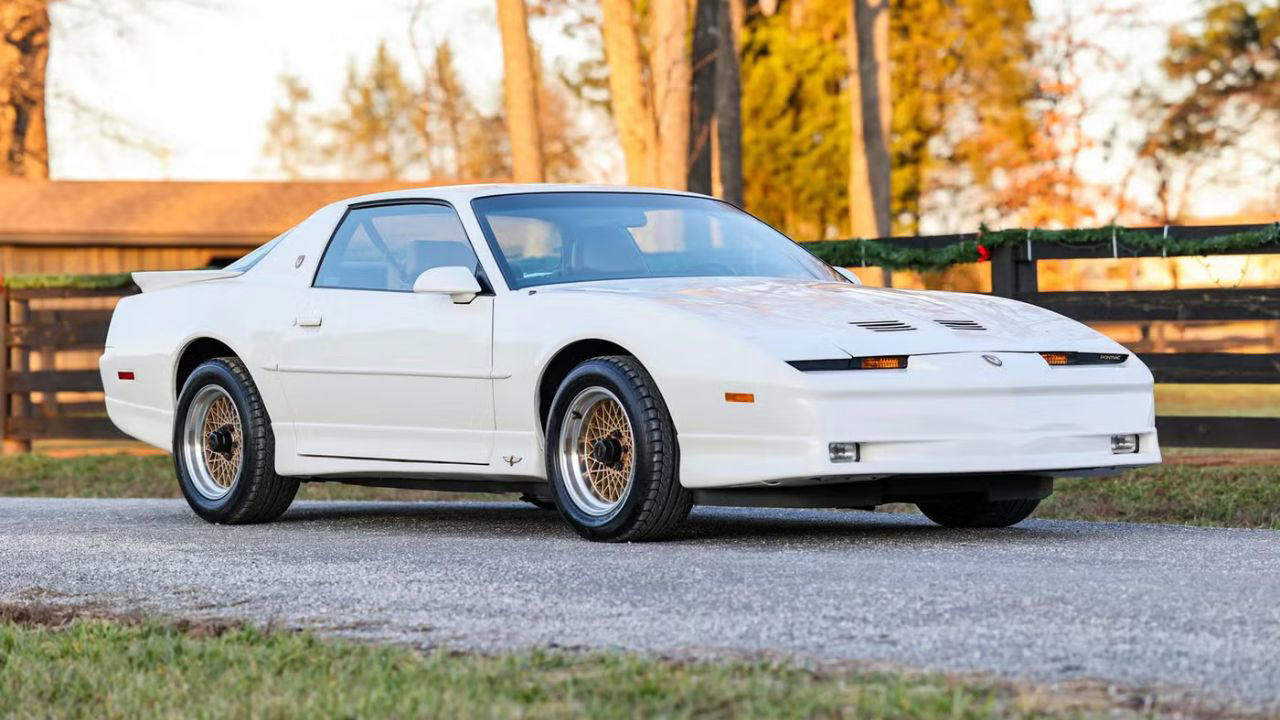
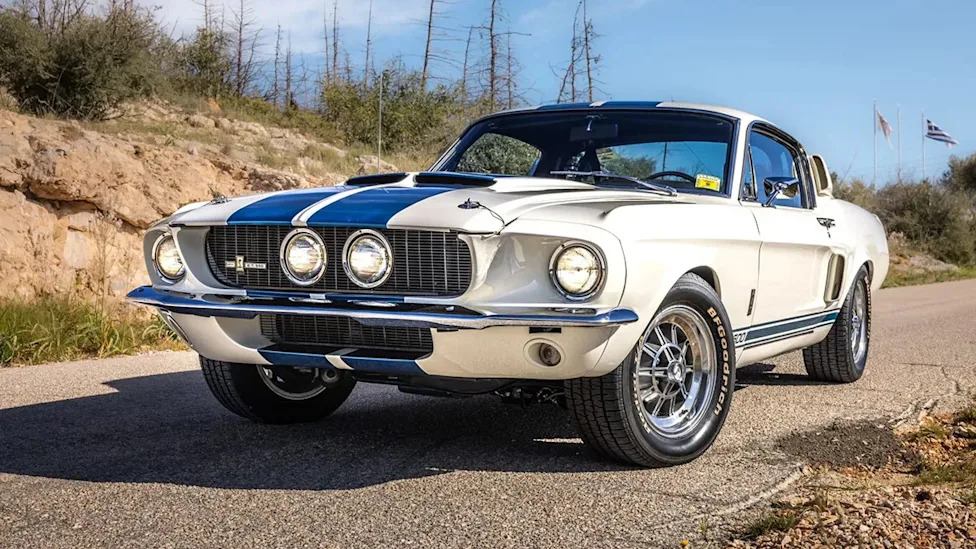
Every car on this list was constrained by circumstance: a mid-year launch that ran out of time, a manufacturing partnership that capped what was possible, a corporate ban that required a workaround, or a deliberate decision to limit supply from the first day of production. None of these cars were cheap when new. All of them sold out before most buyers knew they existed. What they have in common is that the production numbers tell the story better than any specification sheet, and the collectors still hunting for them understand exactly why those numbers matter. 1989 Pontiac Trans Am 20th Anniversary Turbo 1,555 Units Bring a TrailerPontiac built the 20th Anniversary Trans Am to serve as the official pace car of the 1989 Indianapolis 500, and chose to power it not with a V8 but with the turbocharged 3.8-liter V6 from the Buick Grand National. The engine was prepared by PAS Engineering in Van Nuys, California, with a reinforced crankshaft, high-flow cylinder heads, and a Garrett T3 turbocharger running 16.5 PSI of boost through a four-speed automatic. Every one of the 1,555 examples left the factory finished exclusively in white with a tan leather interior, gold honeycomb wheels, and functional hood scoops. The cars were delivered to dealers with Indy pace car decals included but not applied.Factory-rated at 250 hp, independent testing confirmed the output was closer to 300 hp at the rear wheels, producing a 4.6-second 0-60 time and a 13.4-second quarter mile at 101 mph. Well-preserved examples in good condition currently trade in the $35,000 to $65,000 range, representing significant value relative to the GNX that donated its engine given those cars now average nearly $200,000. The pace car connection and single-year production run have made it one of the most recognized limited-edition Pontiacs ever built. 1969 Pontiac Trans Am 689 Units Via: Mecum AuctionsThe Trans Am performance package arrived as a mid-year addition to the Firebird lineup in March 1969, which left it fewer than six months of production before the 1970 model year replaced it. Of 87,708 Firebirds built that year, only 697 carried the Trans Am package. Of those, 689 were hardtop coupes and 8 were convertibles. Every example was finished in Cameo White with Tyrol Blue stripes, with either the Ram Air III or the more aggressive Ram Air IV 400-cubic-inch V8. Pontiac paid the Sports Car Club of America five dollars per car for the right to use the Trans Am name, a detail that underlines how quietly the car arrived.PHS documentation remains the accepted standard for verifying authenticity on surviving examples, which matters considerably given the car's current value. Good condition examples currently trade between $75,000 and $150,000, with Ram Air IV cars and fully documented examples commanding the upper end of that range. The Trans Am was so new at the end of the model year that most buyers had barely heard of it before the 1970 car replaced it entirely, and that compressed window of awareness is reflected in every dollar of what survivors fetch today. 1970 Plymouth Hemi 'Cuda Coupe 652 Units Bring a TrailerIn 1970, Plymouth sold 48,867 Barracuda 'Cuda models. Of those, just 666 were ordered with the optional 426 cubic-inch Hemi V8, and only 652 of those were hardtop coupes. The remaining 14 were convertibles, which now command multi-million dollar valuations in their own separate tier. The Hemi was an $871 option on a car that started at approximately $3,164—a price that deterred the majority of buyers at the time and created the scarcity that defines the model today.Each example was built at the Hamtramck assembly plant in Michigan, and Chrysler's original build records remain the primary tool for verifying authenticity. Documented Hemi 'Cuda hardtops in excellent condition start above $250,000, with exceptional examples achieving considerably more at auction. The arithmetic of 652 hardtops distributed across a global collector market explains every dollar of that figure. 1987 Buick GNX 547 Units Bring a TrailerBuick's Chief Engineer Dave Sharp approached ASC/McLaren at the end of the Grand National's production run with a brief to build one final, definitive version. Each of the 547 examples produced was converted individually from a fully-optioned Grand National, fitted with a blueprinted turbocharged V6, a Garrett intercooled turbocharger with a revised control chip, upgraded sequential fuel injection, and a comprehensively revised chassis. The factory-rated 276 horsepower was widely understood to understate the actual output, and the quarter-mile time of 13.43 seconds at 104 mph confirmed the GNX was the fastest-accelerating production car General Motors sold in 1987. The 124 mph top speed was electronically governed; removing that restriction is estimated to add approximately 20 mph. Each example received an individual number.Excellent condition examples sit at approximately $176,000, with the average across all recorded sales at $196,264 as of May 2026. A Mecum Kissimmee sale in January 2026 confirmed $192,500 for example number 312 of 547. The record stands at $308,000 for a 568-mile car at Barrett-Jackson Scottsdale in 2022. 1968 Oldsmobile Hurst/Olds 515 Units MecumIn 1968, General Motors maintained an internal policy prohibiting V8 engines larger than 400 cubic inches in mid-size cars. Oldsmobile's engineers wanted to fit the 455 cubic-inch Rocket V8 into the new 4-4-2 but were blocked by the corporate rule. The solution was to contract the work to Hurst Performance Research Corporation, an outside vendor not subject to the internal GM restriction. Hurst installed the 455 producing 390 horsepower and 500 pound-feet of torque into modified Cutlass body shells finished outside standard GM factory procedures, in Peruvian Silver with a Cameo White accent treatment unique to the model. Of the 515 total examples, 51 were Sport coupes and 464 were Holiday coupes. Each car carried a numbered Hurst identification plate.The 1968 Hurst/Olds averages above $65,000 in the current market, a figure that reflects both its historical significance as the first Hurst/Olds and its scarcity relative to the more numerous later models. Examples rarely surface publicly, and when they do, documentation of the Hurst conversion is the primary factor separating genuine examples from later replicas.Sources: Hagerty, PHS-Online, Bring a Trailer, Mecum.