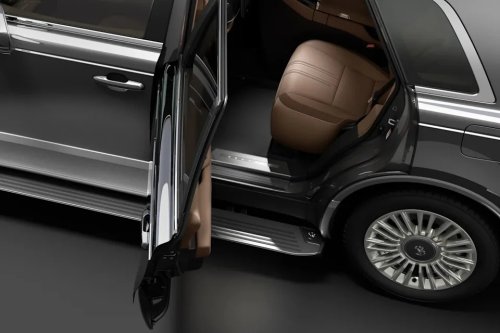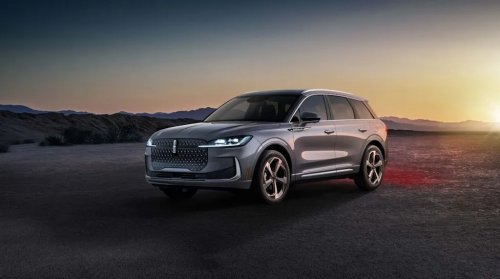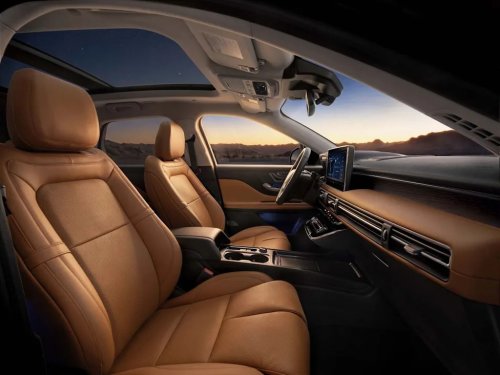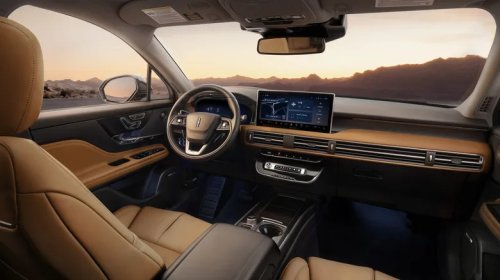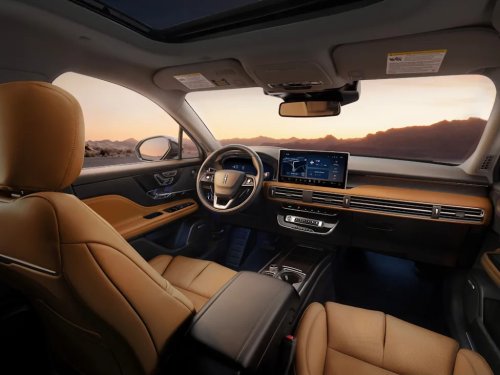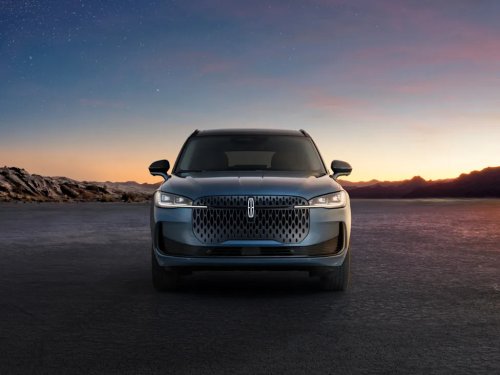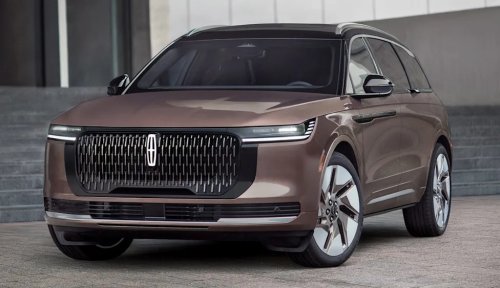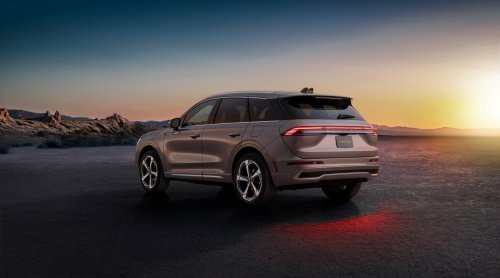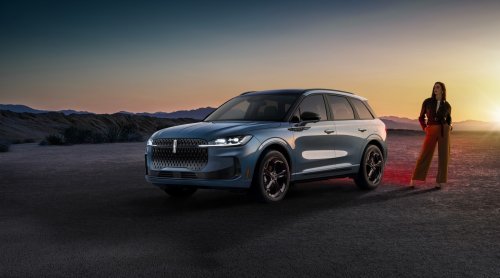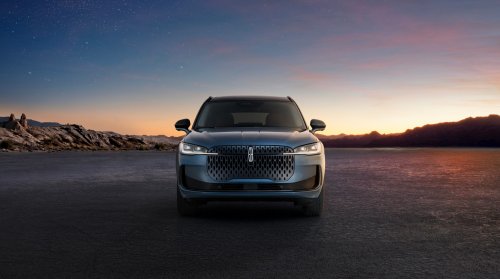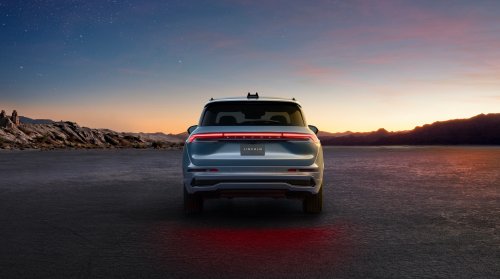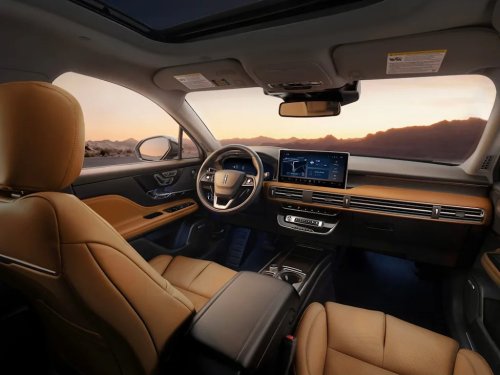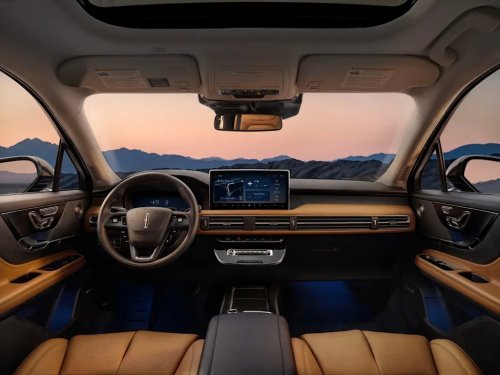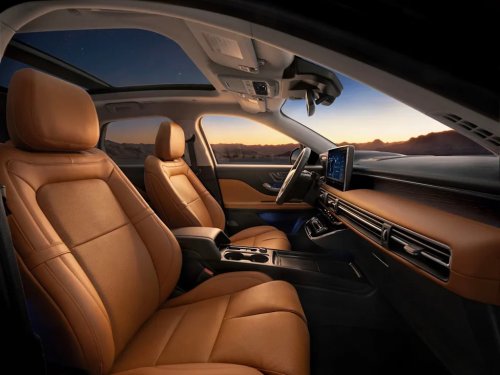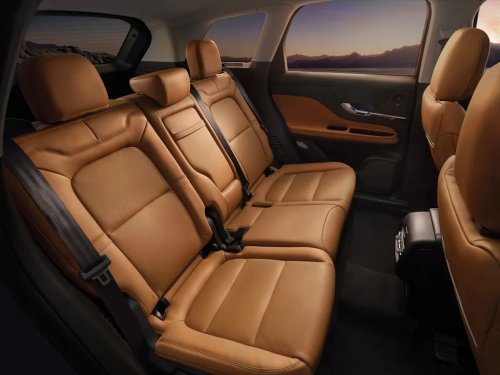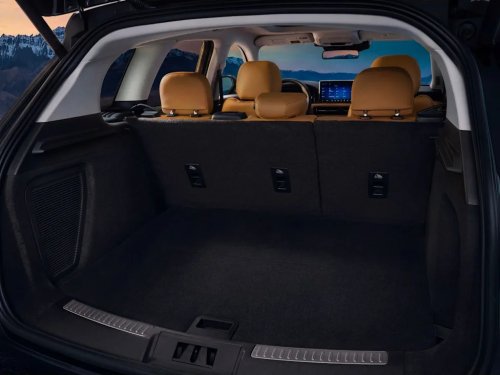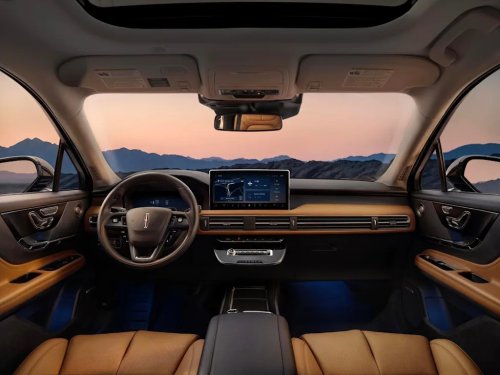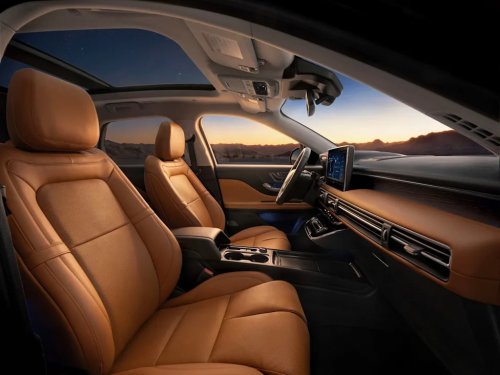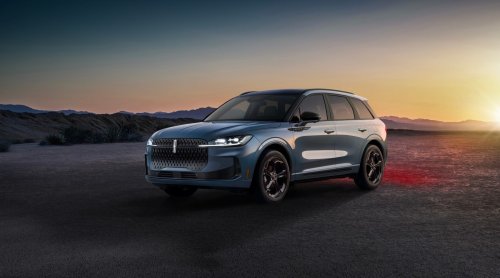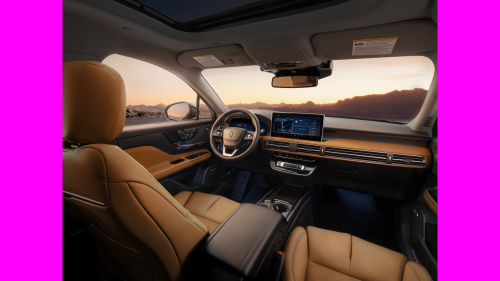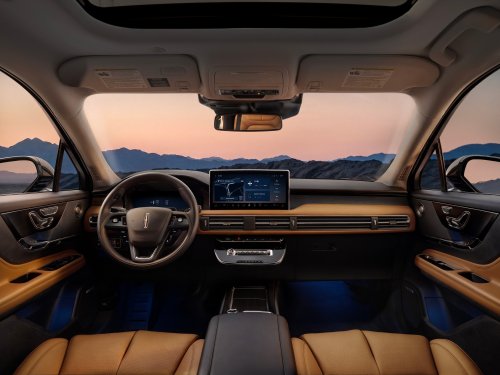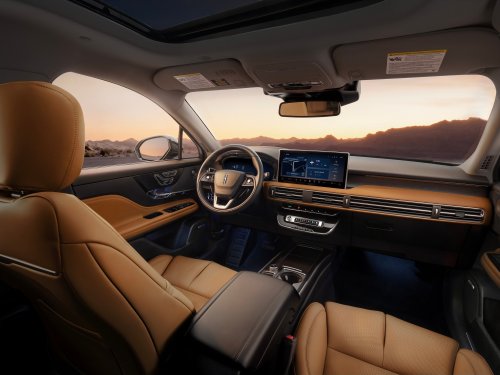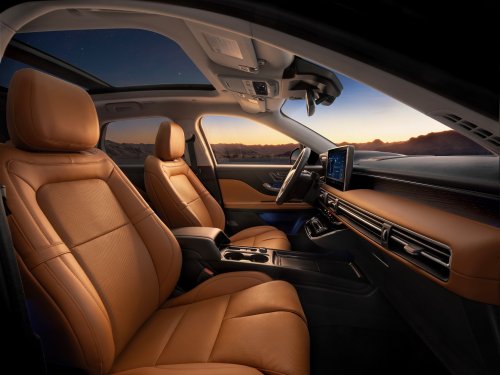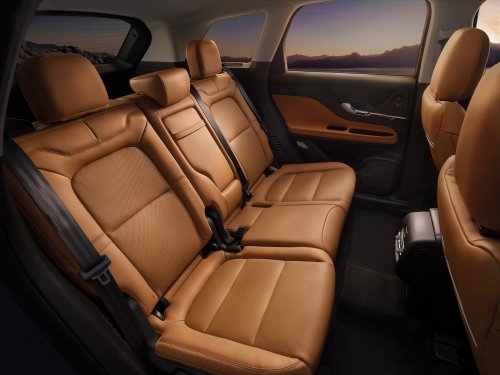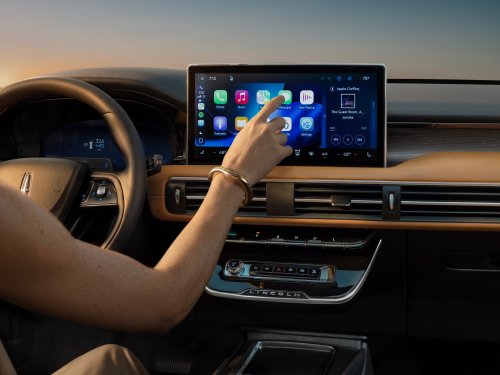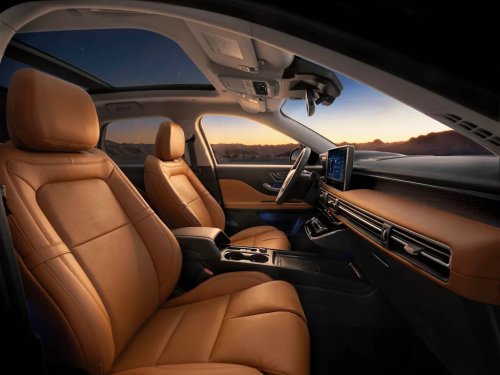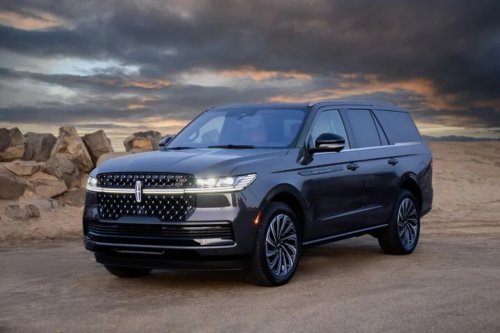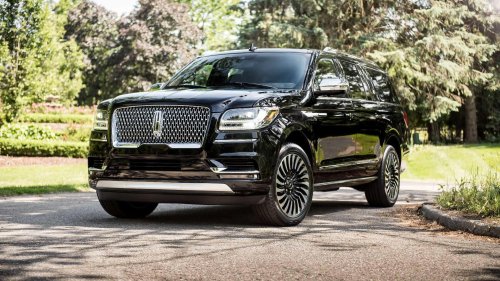
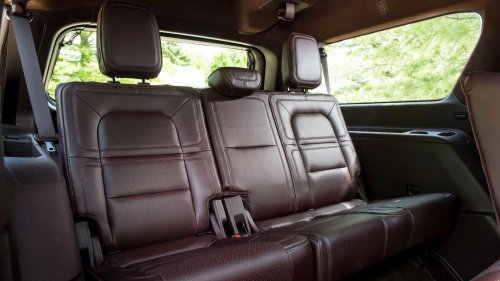
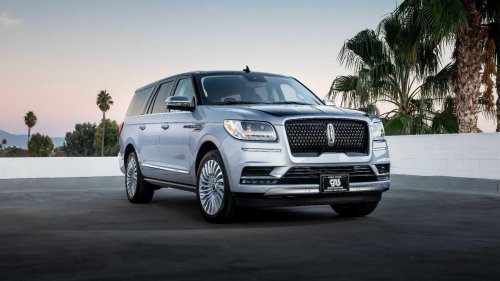
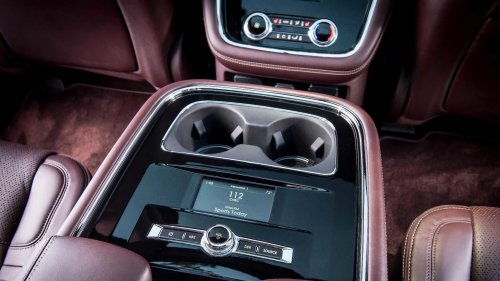
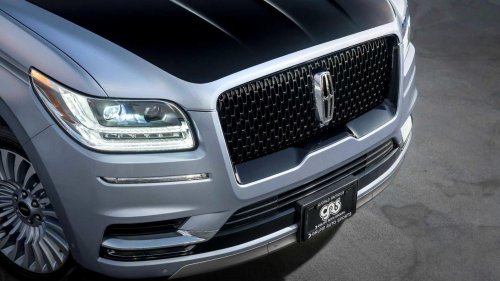



















Jump LinksWhen high-level premium SUV designers receive a brief from their OEM bosses, they may often be told to chase performance, and add all the latest technology, while tuning the chassis to within an inch of its life. These days, it seems that digital minimalism, aggressive driving modes, or the largest touchscreens are the fundamentals, as those bosses try to claw market share and keep up with the rest.But has this type of approach actually changed the definition of luxury over the last decade? Somewhere along the line, the concept of real, physical, on-board comfort may not get as much attention as it once did. And in that context, a vehicle like the fourth-generation Lincoln Navigator feels like a rebel. After all, it’s not trying to impress you with circuit-inspired cornering chops or confuse you too much with those nested menus. Instead, it gives you an interior experience that’s more like a high-end livingroom than a modern cockpit.Enter The Cadillac EscaladeWe updated this feature with another used option you might be interested in. It's the Cadillac Escalade, and it also depreciates fairly rapidly. The Lincoln Navigator Talks About Comfort And Not Sportiness FordLincoln introduced the fourth-gen Navigator for the 2018 model year at a time when luxury brands still thought that isolation, relaxation, and general softness were virtues rather than liabilities. It was a clean sheet rethink at the time and, crucially, designers didn't chase the sport/luxury formula that was starting to dominate the segment.Rather than trying to outfox any of its European competitors, the Navigator would simply try to isolate its occupants from the outside world as best as it could. The objective was to produce a genuinely comfortable luxury SUV that would still make drivers feel good after three hours behind the wheel and not try to impress them in the first three minutes.The Navigator had a body-on-frame construction which was becoming an increasingly rare layout among luxury brands. Many companies thought that unibody platforms gave sharper handling and lower weight, but a traditional frame would allow engineers to temper any vibrations or feedback from road impacts, keeping the noise down in the passenger cell. The Navigator also had an aluminum body to cut down on mass without sacrificing its size, so overall, the vehicle structure suited any comfort-first tuning.Engineers calibrated the Navigator's suspension to reinforce their intent, by fitting adaptive dampers to help it glide over broken pavement. You’d certainly get some noticeable body movement if you tried to push this SUV hard, but that trait wasn’t a priority, as Lincoln wanted this to be more of a sanctuary for its occupants rather than a driver’s SUV.Meanwhile, the powertrain also reflected Lincoln’s approach with its twin-turbo 3.5-liter V6 giving effortless torque at low engine speeds. You’d also get a smooth-shifting 10-speed automatic that did its own work without any drama, while throttle response would be progressive rather than aggressive. So, on board, nothing felt hurried or abrupt and people could relax in comfort instead of rushing. The Seats And Materials Felt More Like High-End Furniture On Wheels Ford Once designers and engineers were happy with the vehicle’s chassis, they got to work on the interior. And here, they’d fit some of the most adjustable and genuinely comfortable seats you could imagine in a production SUV, with available 30-way Perfect Position capability.You’d have independent controls for cushion length, bolster width, size support, and upper back positioning, so whatever your body type or size, you could probably find a neutral and strain-free posture. The cushioning was soft but still supportive, so it could absorb pressure points over those long-distance Interstate drives. This was in sharp contrast to many of the Navigator's German rivals, whose vehicles may have looked and felt impressive upon first experience but may have tended to become more tiring on extended journeys.Lincoln also added heating, ventilation, and multimode massage functions to make you feel even more at home in your Navigator. So you could use the massage system to reduce fatigue and gently cycle through pressure zones and keep your muscles relaxed during a long drive.Move one row back, and you’re still in the lap of luxury with available captain’s chairs that mirror the front seat capability. You’d get generous padding with supportive back rests and plenty of space to stretch out fully, while in the third row, you’d get adult-friendly dimensions and cushioning that does its job perfectly. Overall, the cabin materials emphasized tactility and warmth, from soft leather surfaces to real wood and metal accents. The Quiet And Isolating Ride — And The Disappearing Art Of NVH Suppression Ford Now that you were sitting comfortably, Lincoln wanted you to hear a pin drop and so, they did their level best to shut out the outside world by investing heavily in noise, vibration, and harshness (NVH) suppression.Designers added laminated acoustic glass with plenty of sound deadening materials, and an active noise cancellation system to produce a really calm interior environment. You could conduct a calm and casual conversation even at highway speeds due to muted wind noise, and even the road noise over coarse surfaces would seem quite distant and subdued.As far as the ride was concerned, it wasn’t perfect by any means, and some critics called it "floaty". Yet many buyers seemed to like that sense of separation and would rather let the Navigator sort it all out instead of being constantly reminded of the road beneath. This accommodating SUV didn’t attempt to obsess with feedback or engagement, but instead it majored in isolation. The Fourth-Gen Navigator Makes A Lot Of Sense In The Used Market Ford Driving enthusiasts may not have flocked to Lincoln’s Navigator due to the company’s comfort-first philosophy, but the general market seemed happy enough. And today, the vehicle represents quite a compelling proposition on the used luxury market as, just like other large and full-size SUVs, it has depreciated heavily.Remember that this was once an almost six-figure luxury purchase, but you can now find one for a fraction of that original price, even if it has relatively low mileage and high specification. Think somewhere between $25k on the low-end and $55k on the high, with JD Power showing an average dealer price for a 2020 model at $32,460.You can still get that soft leather, effective sound insulation, and well-tuned suspension, so together, it all feels just as good at 50,000 miles as it may have done at five. And remember that Lincoln put a great deal of effort into engineering its interiors, so even though the infotainment may not seem innovative anymore, comfort doesn’t age poorly.Looking at the CarBuzz Marketplace, we can see three distinct price ranges for a used Lincoln Navigator, explored in the table below.If you buy one of these Navigators, ownership costs should be relatively predictable. After all, the twin-turbo V6 has been a stalwart in Ford and Lincoln’s lineup, and maintenance is not too expensive in this sector. It’s certainly going to be less of a headache than some of the more exotic powertrains which seemed to come with complexity and fragility baked in. And if you’re on the lookout, try to prioritize well-maintained examples with higher trims and especially the Reserve or Black Label models. The Last Luxury SUV Built For Relaxation And Not Outright Performance Ford Nobody said that luxury has to be sharp, aggressive, and screen dominant, but it seems to have been trending in that direction for some time. So, the fourth generation Lincoln Navigator stands apart with an interior that designers prioritized according to how your body feels, and with a super-quiet cabin that allows you to feel relaxed whenever you arrive.Certainly, digital novelty and performance metrics may be more on the SUV menu now and this makes vehicles like this Lincoln Navigator increasingly rare. But if you want something that’s rewarding to live with and a genuinely comfortable place to spend your time, look past those tech showcases at a used fourth-gen Navigator instead. There's Another Way The Navigator's natural rival has always been the Cadillac Escalade, and the good news is that it also suffers from horrid depreciation. If you're looking for a Caddy from the same era, you'll need a bit more money, however. The average used price for an Escalade sits at $57,774. And if it's space you want, the most obvious choice is the ESV. The Caddy is also available with more engine options, with the manic V model sitting at the top of the pile. The turbocharged diesel is the best all-rounder, but you also can't go wrong with the robust and powerful naturally aspirated 6.2-liter V8.