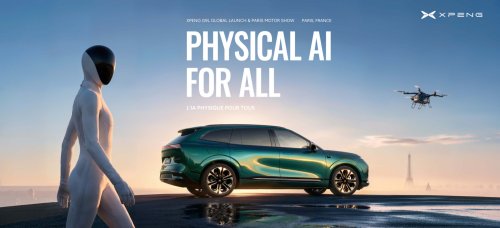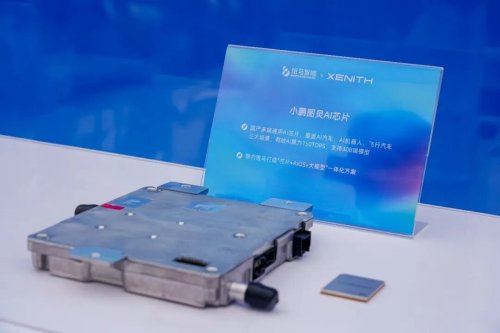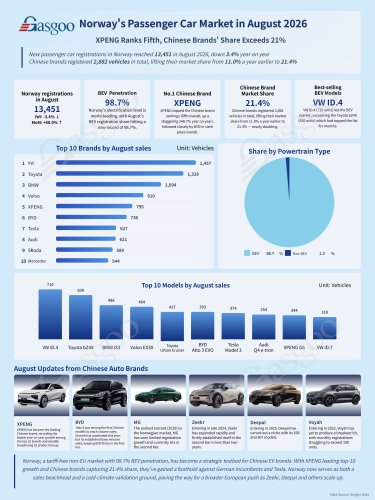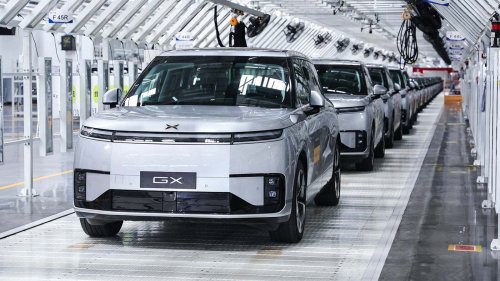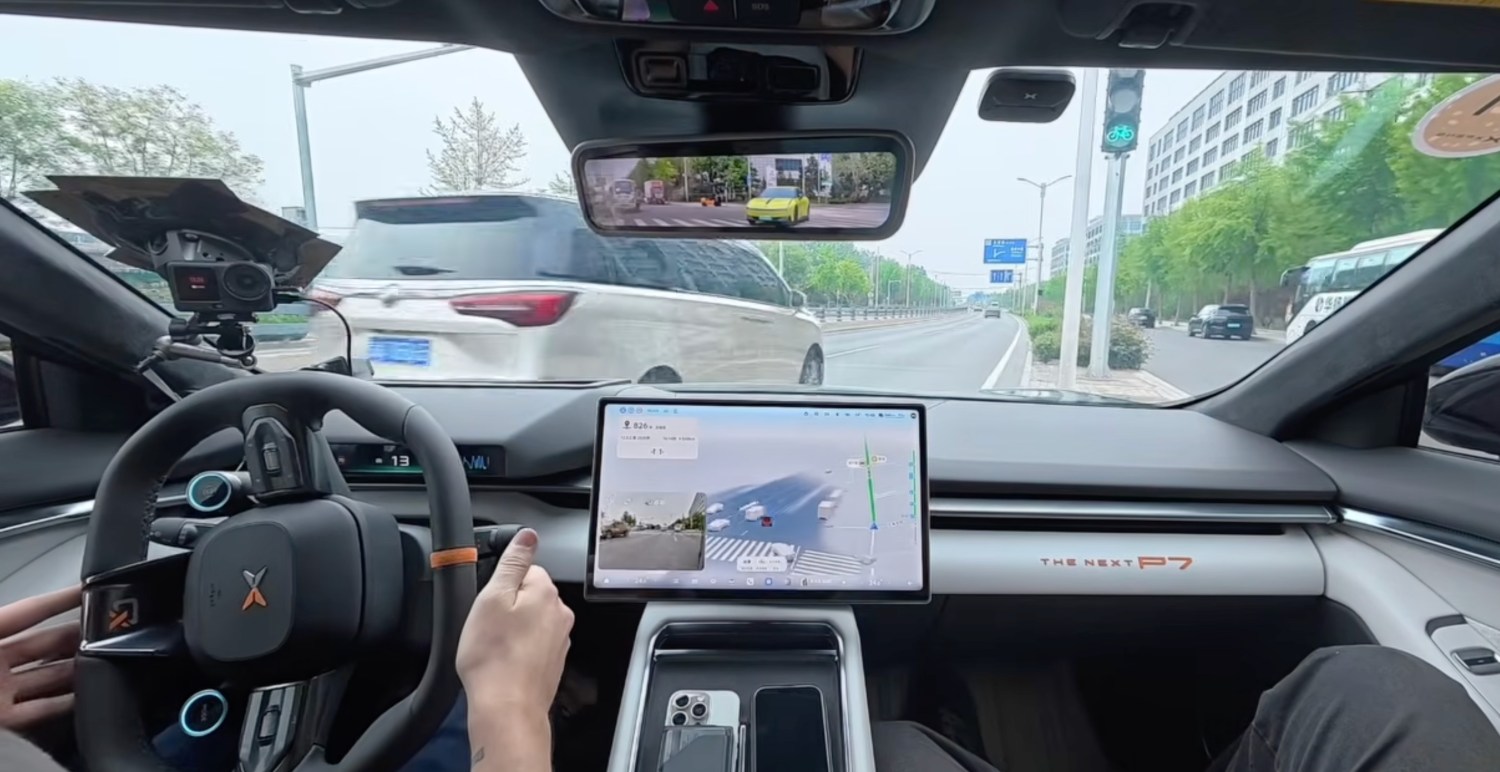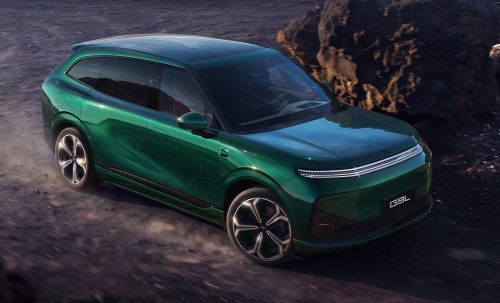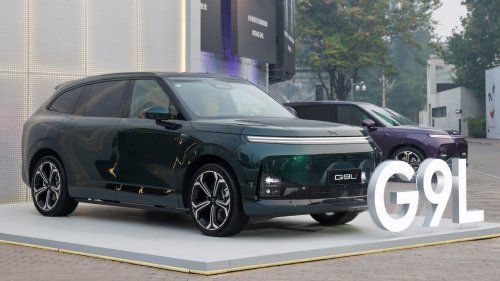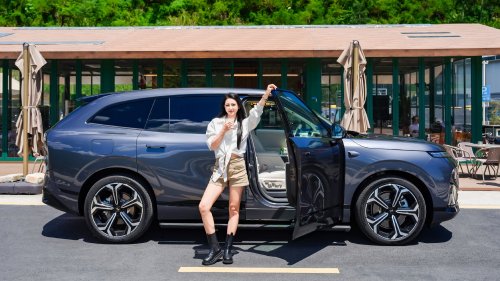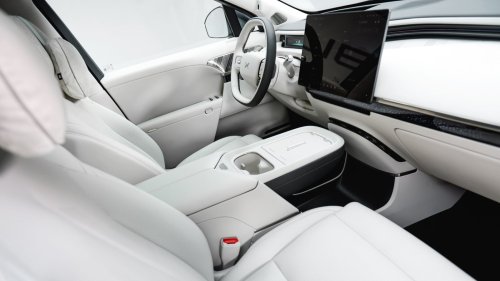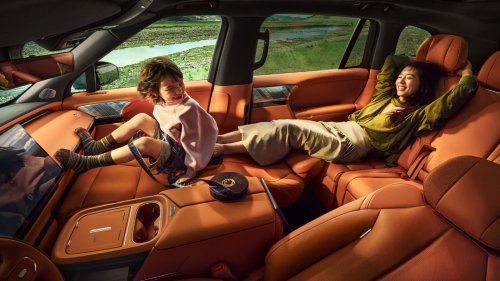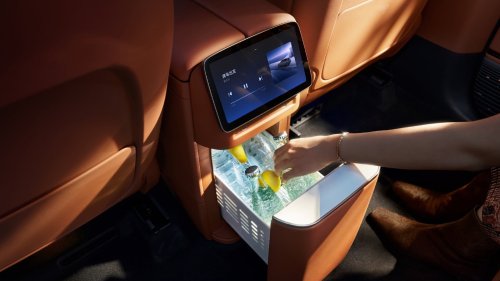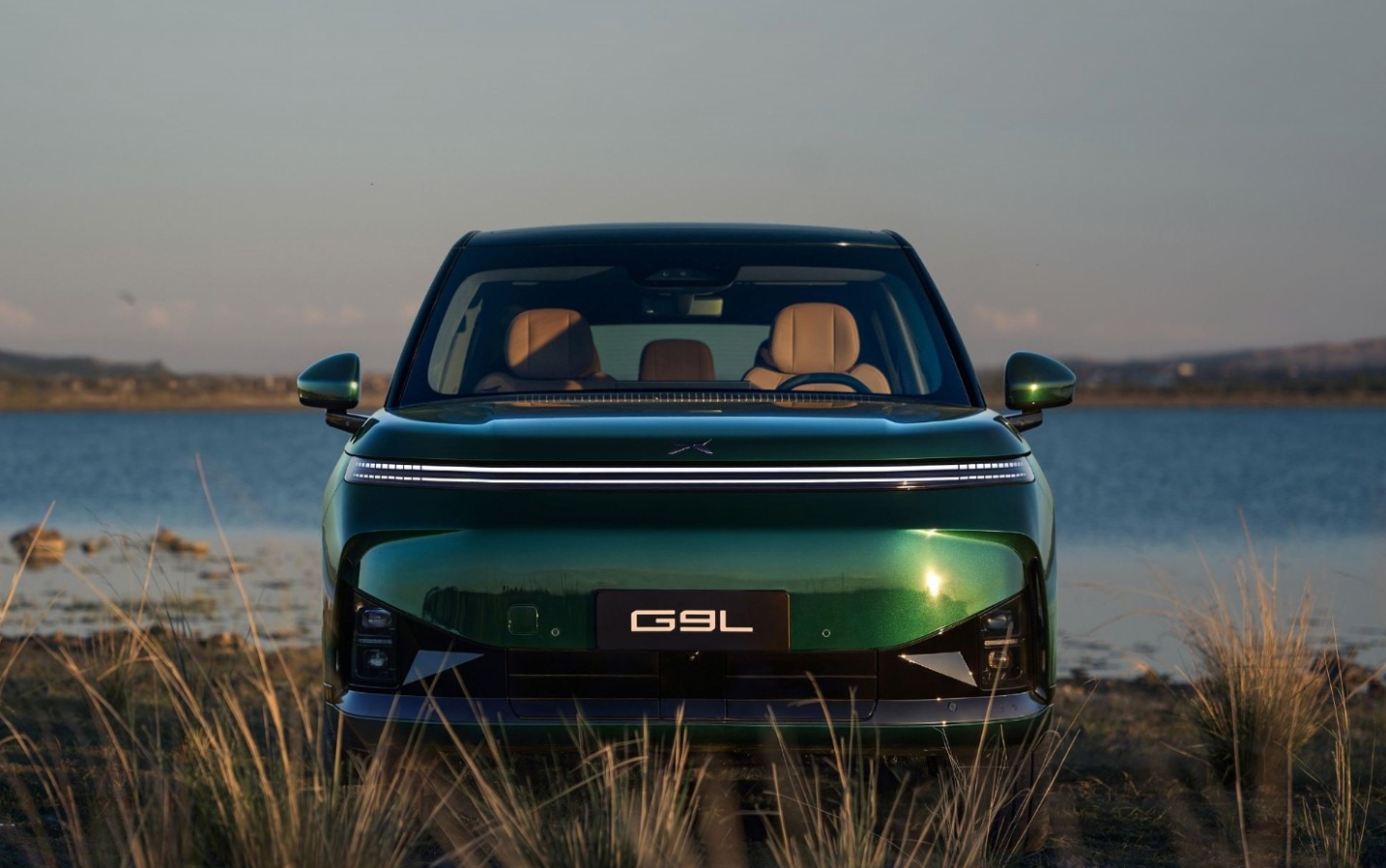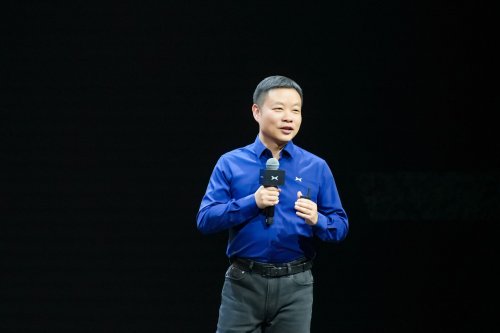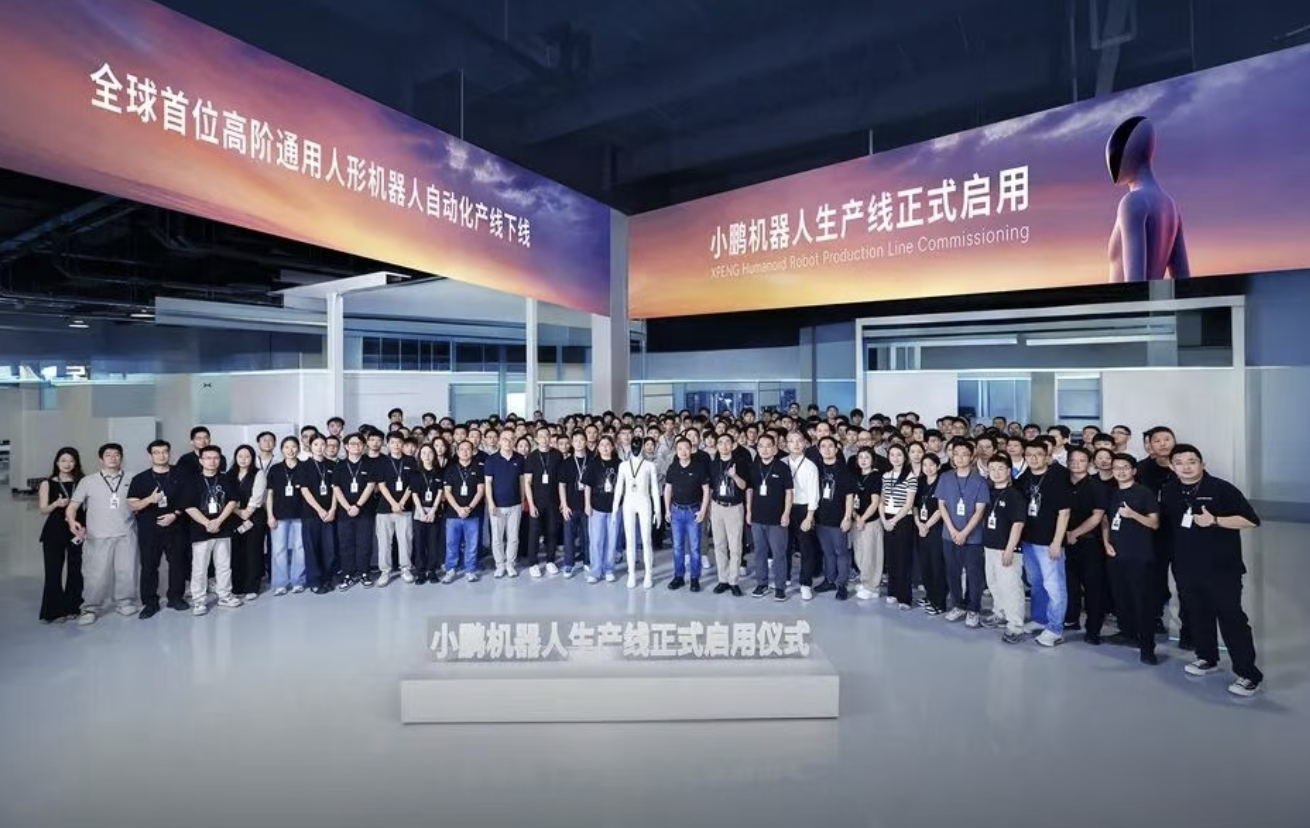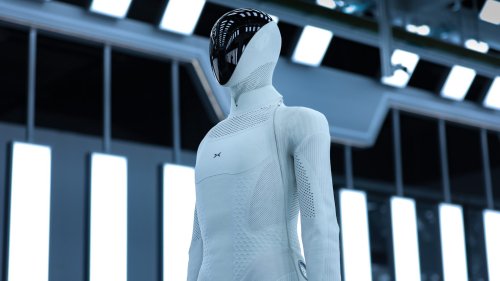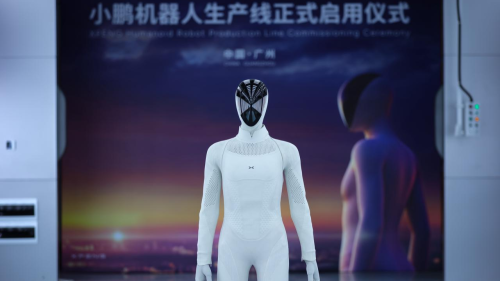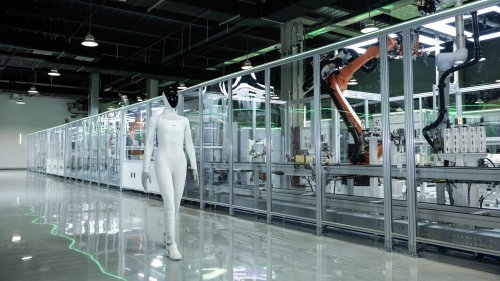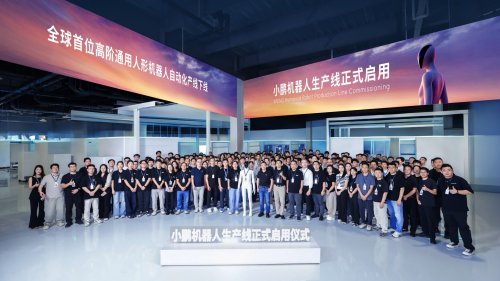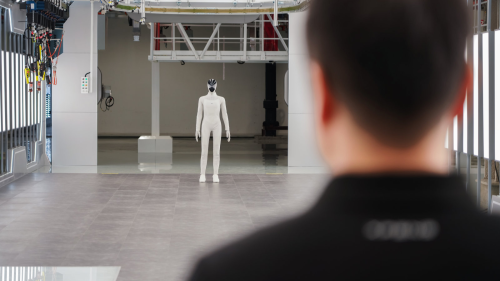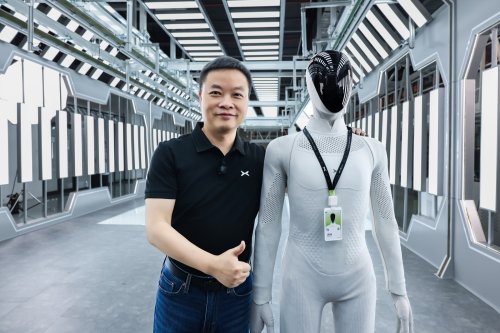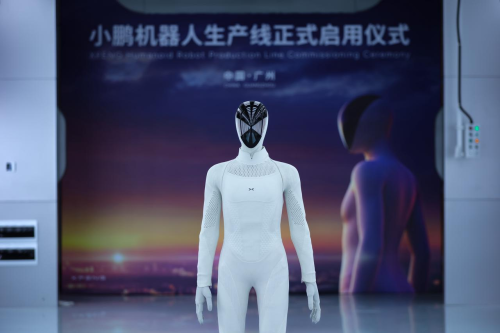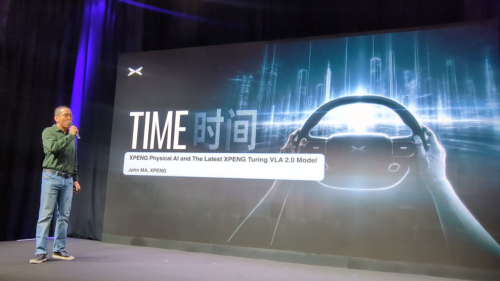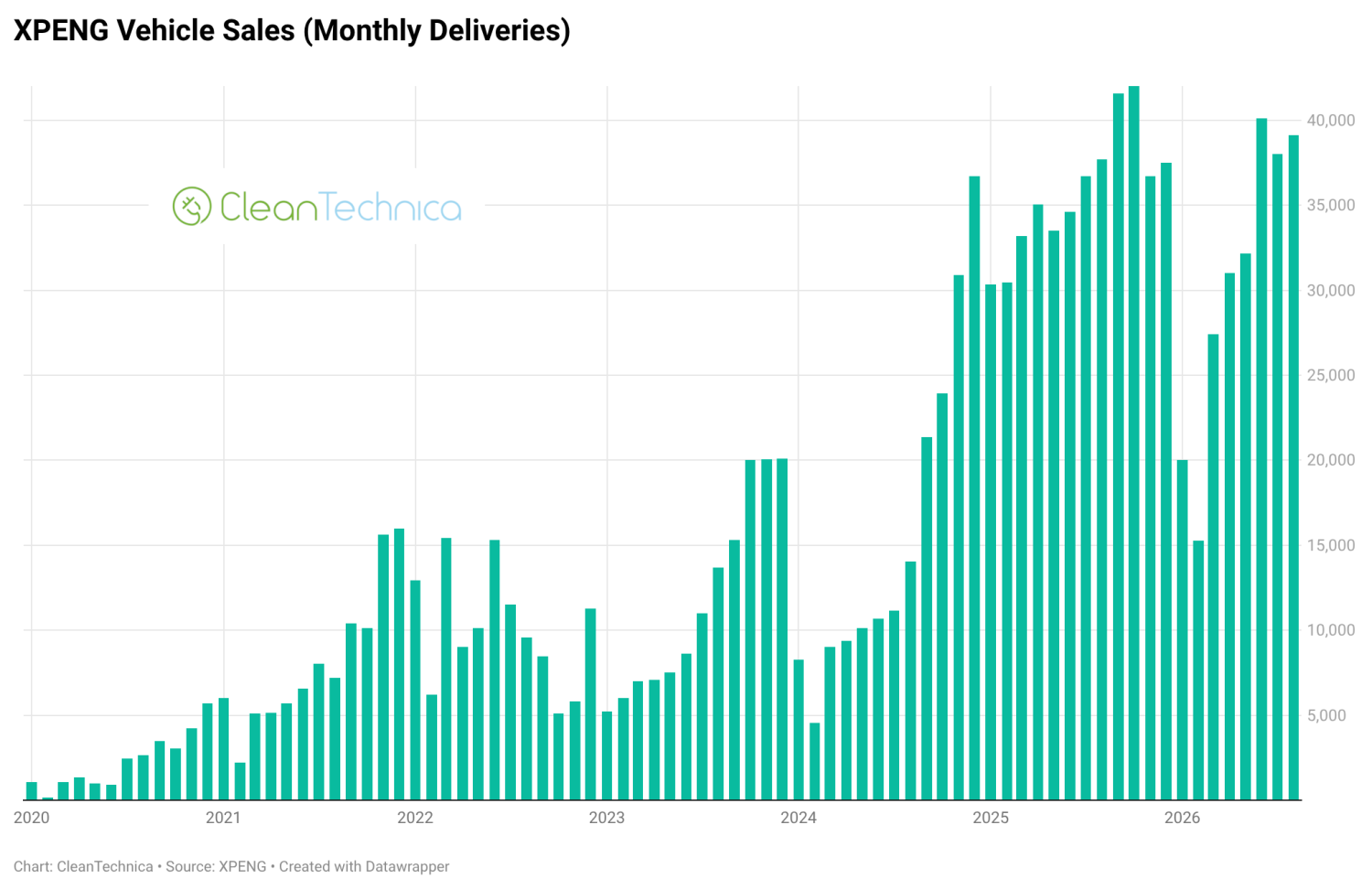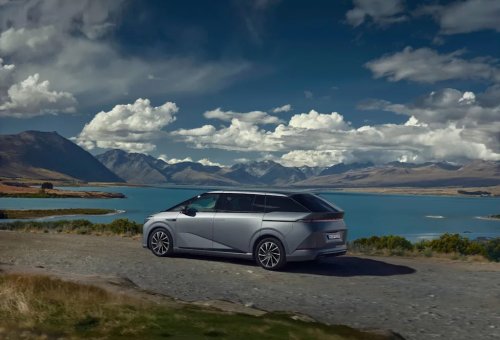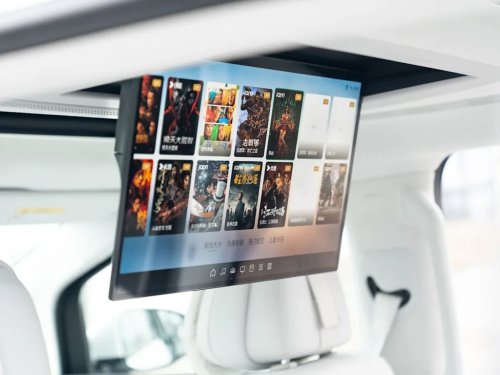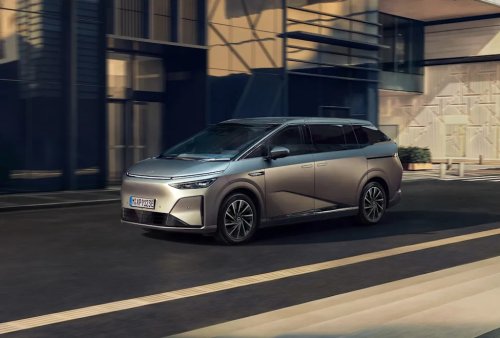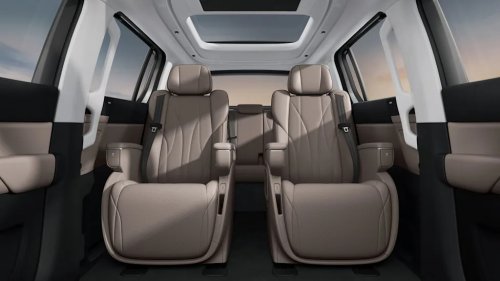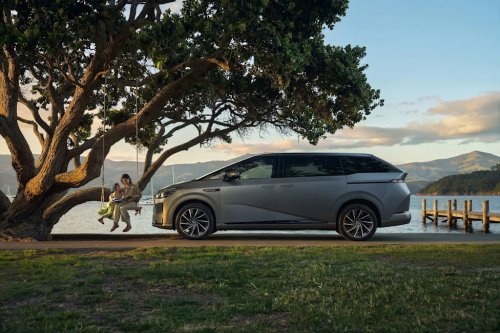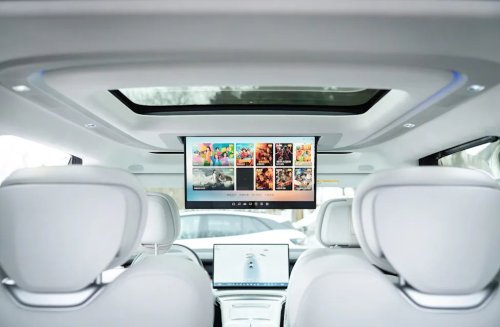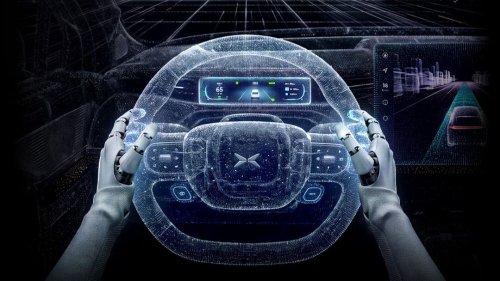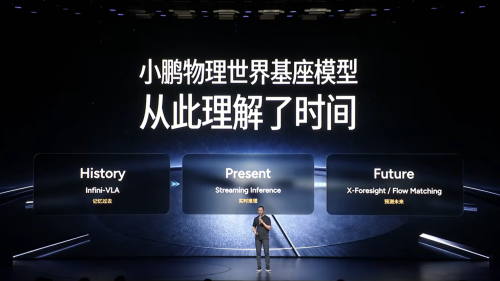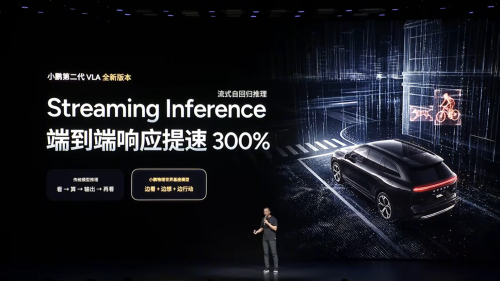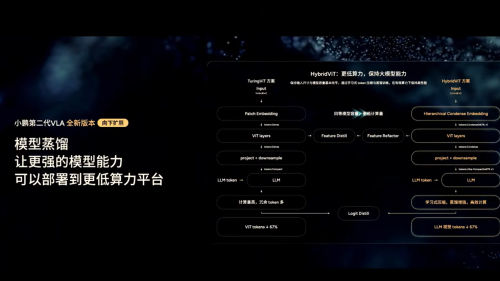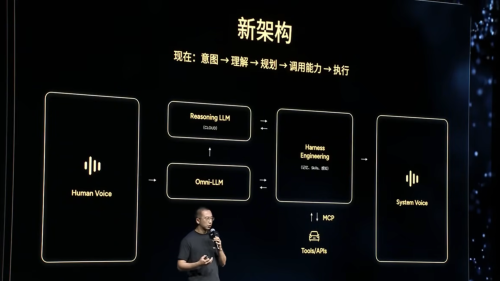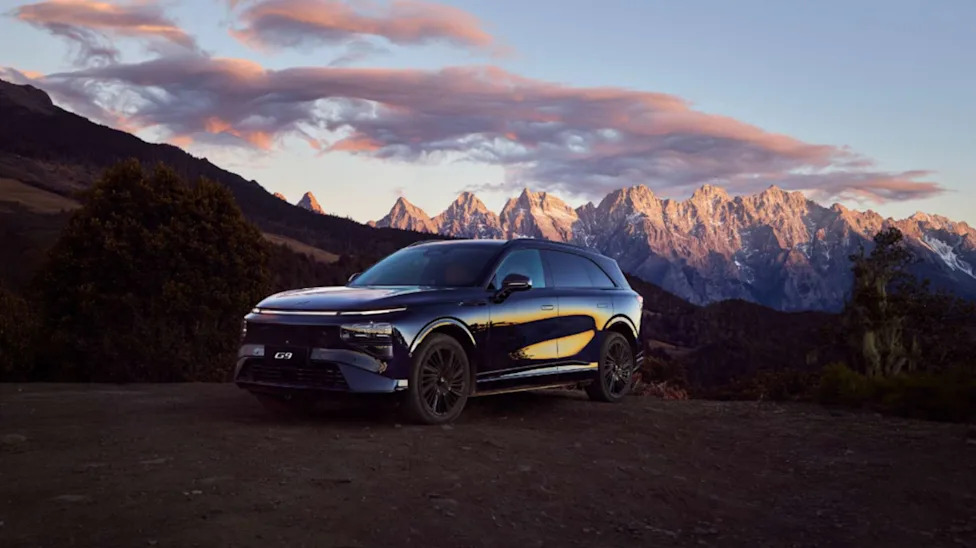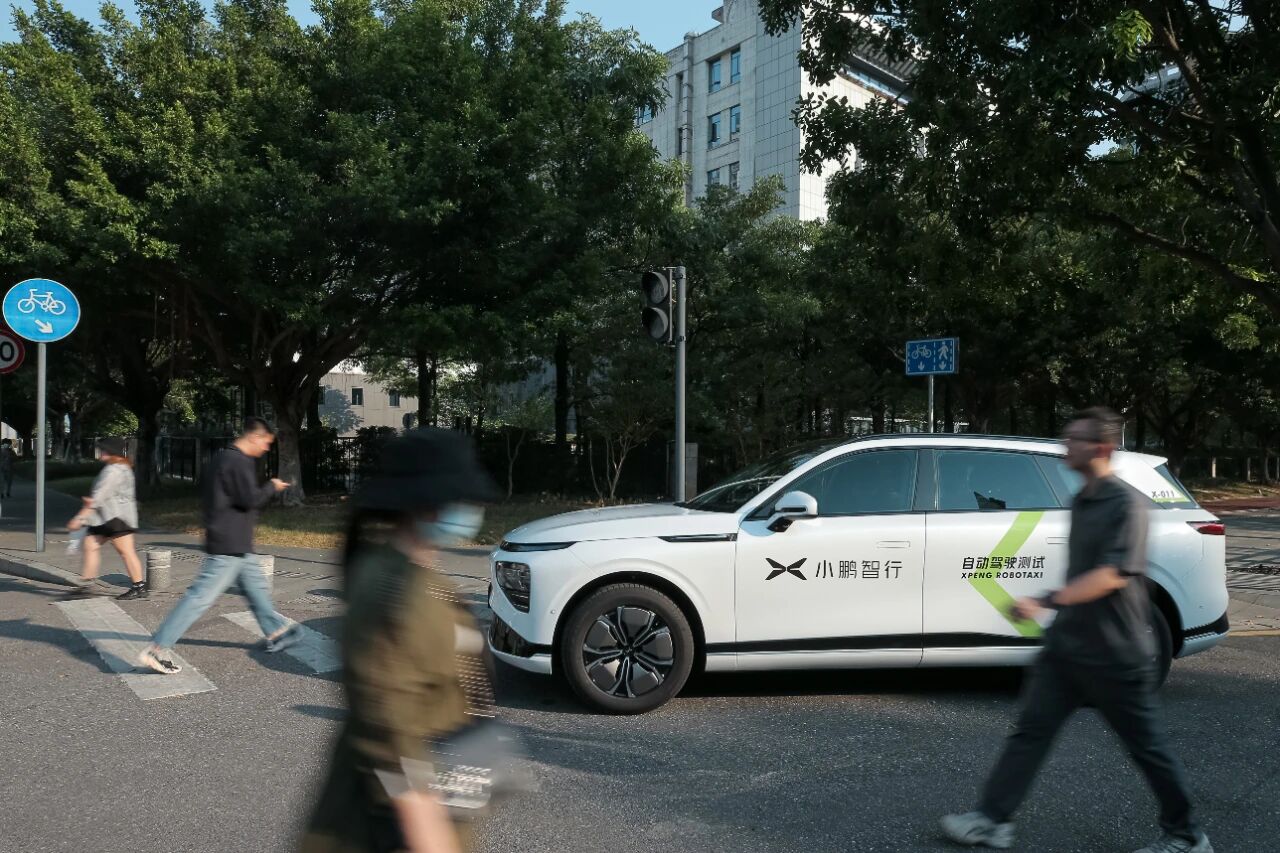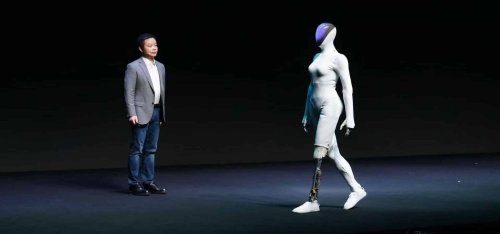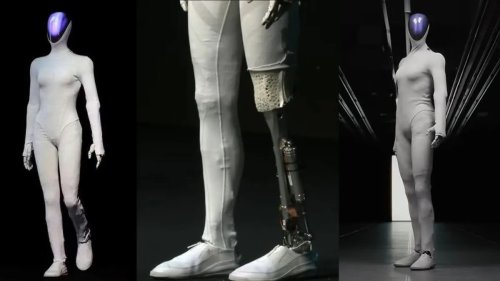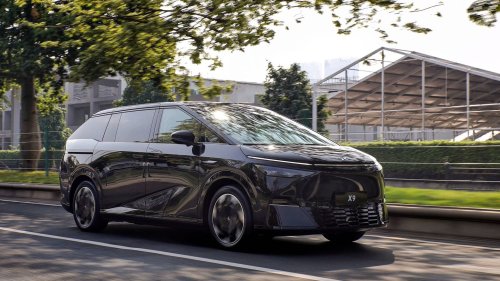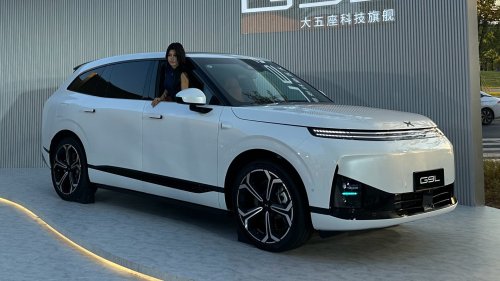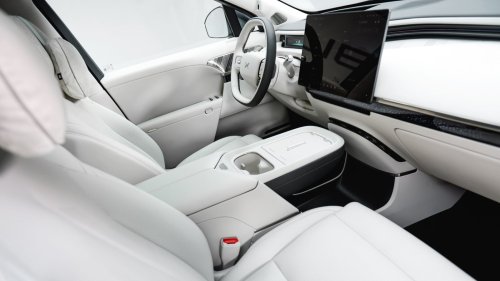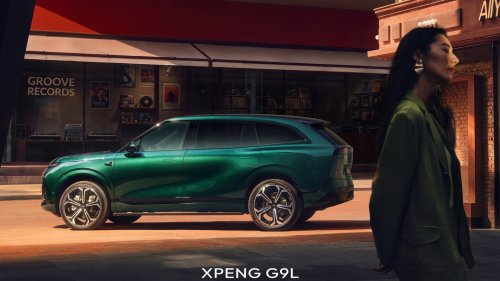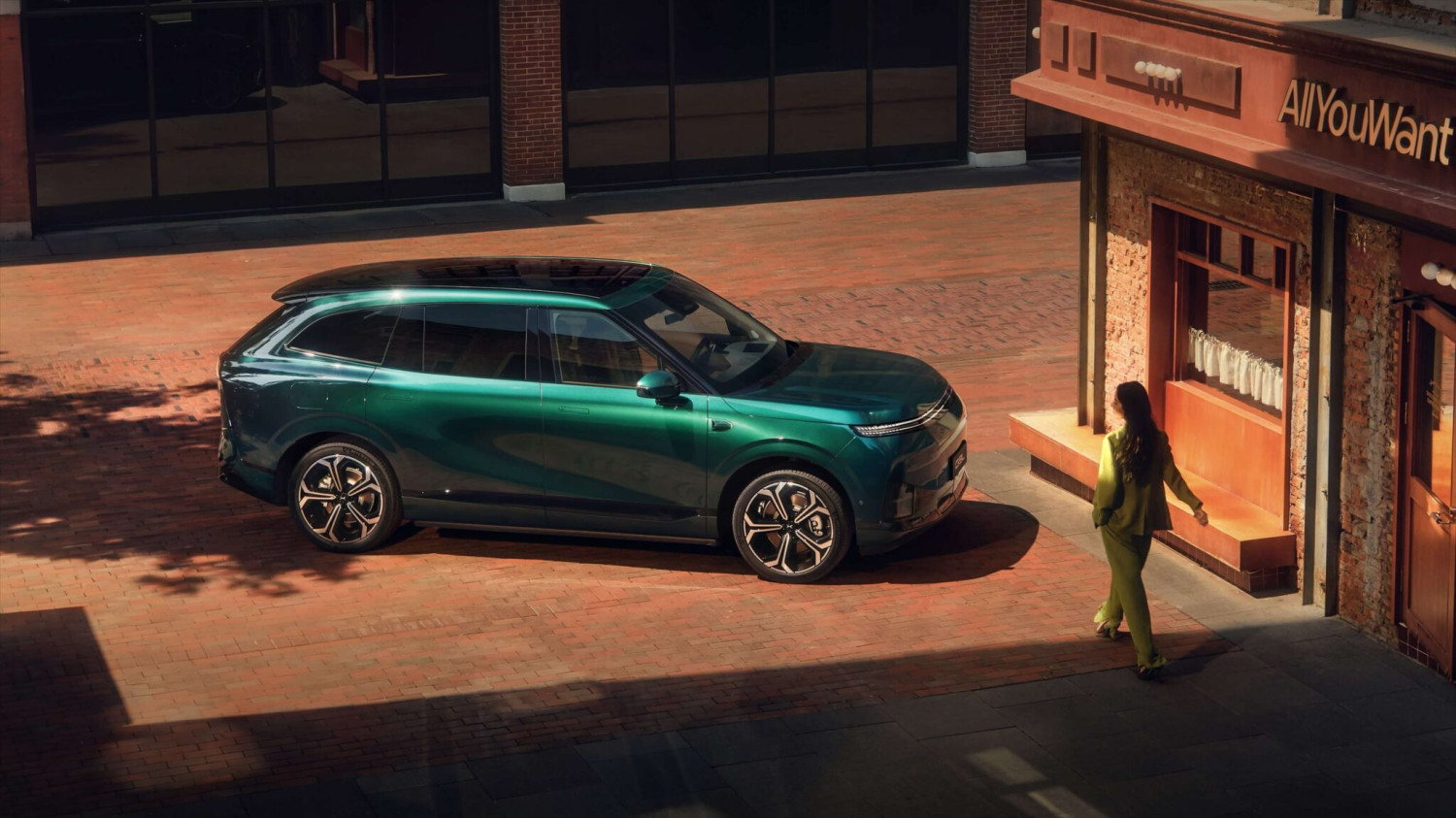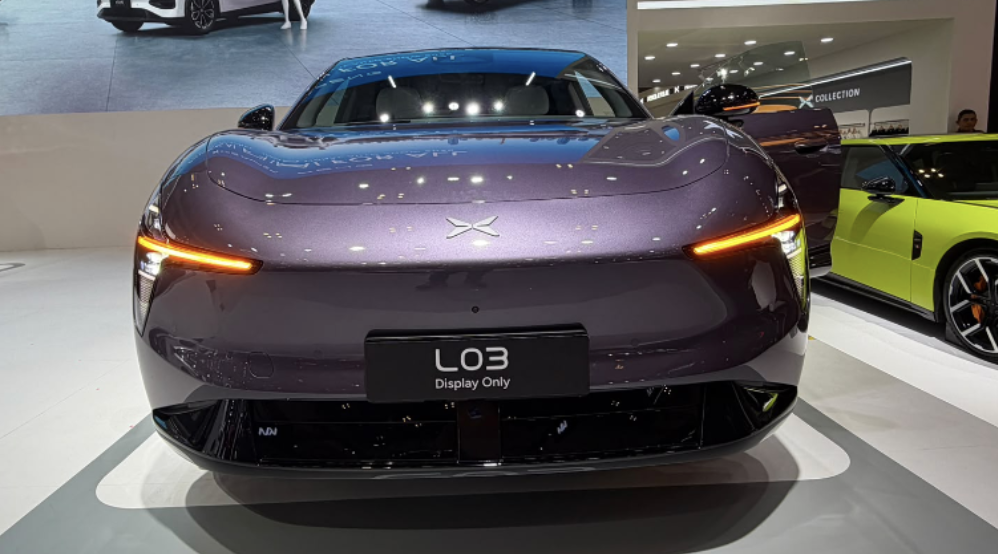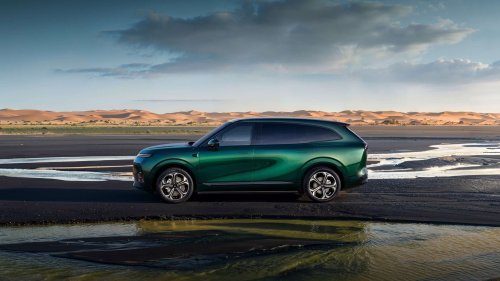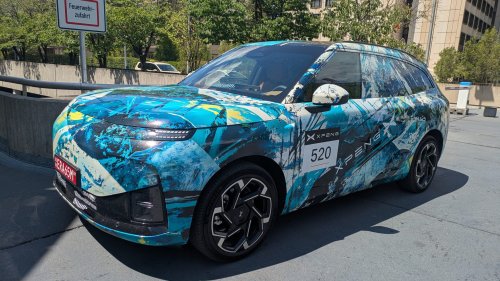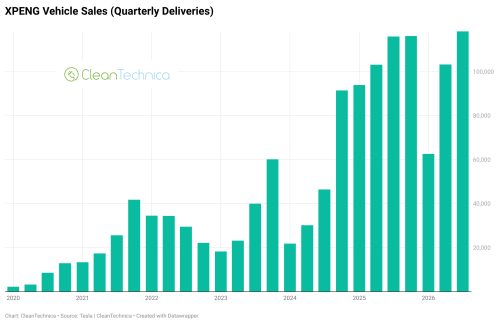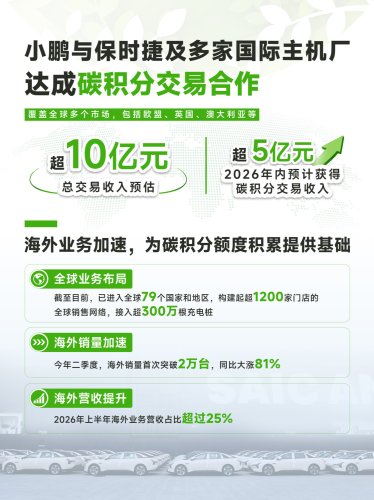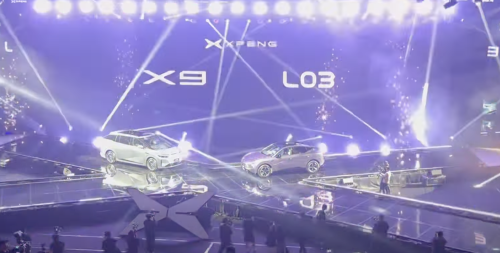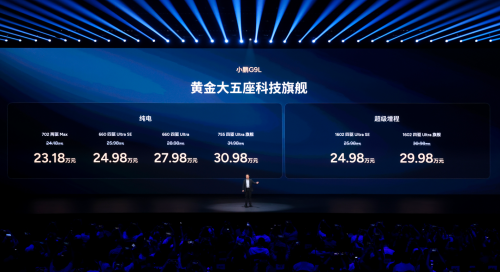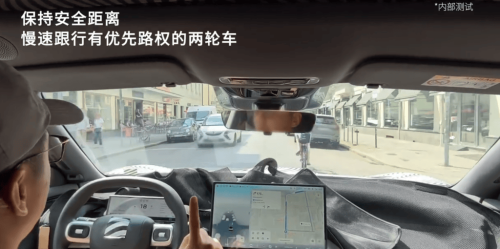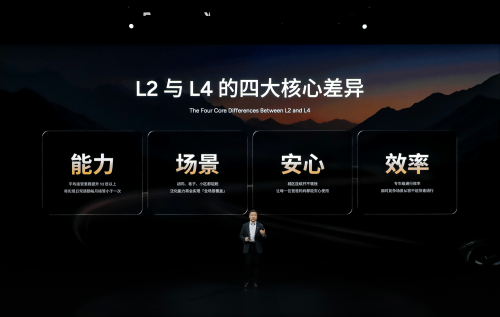
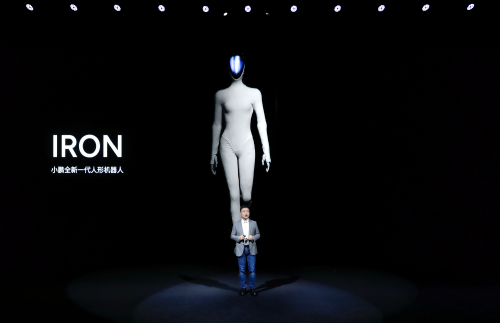



















Xpeng CEO He Xiaopeng believes the company stands at a historic turning point, where Physical AI and globalization must be fully executed in 2026. February 24, the first working day after the Chinese New Year holiday (the Year of the Horse), Xpeng Motors CEO He Xiaopeng released an internal letter to all employees themed “Steady Progress and Breakthroughs: Journeying Together to a New Decade of Physical AI in 2026.” In the internal letter, He Xiaopeng briefly reviewed the company’s 2025 performance: annual deliveries reached 429,400 units, a year-on-year increase of 126%, achieving 113% of the annual sales target. These results have further solidified Xpeng Motors’ core strategy for 2026: Physical AI and globalization must be fully executed in 2026. He Xiaopeng predicted in the letter that 2026 will become the “DeepSeek moment” for full autonomous driving. He also shared important strategies across four major industry areas: Physical AI, products, globalization, and talent. 1. VLA Technology He Xiaopeng revealed that over the past month, the team has continued internal testing and optimization of the “second-generation VLA (Vision-Language-Action),” describing it as “the first version Xpeng Motors has delivered for the L4 full autonomous driving era.” Concurrently, he announced in the letter that Volkswagen will become the launch customer for Xpeng’s second-generation VLA autonomous driving solution. He Xiaopeng also explained the logic behind the organizational restructuring in the letter. This February, Xpeng merged its Autonomous Driving Center and Intelligent Cockpit Center into the “General AI Center.” He pointed out that the biggest advantage of cockpit-driving integration is that “driving decisions and human-machine interaction are no longer separate.” This is also the core innovation of the second-generation VLA model: it eliminates the traditional “language translation” step, achieving for the first time end-to-end direct generation from visual signals to action commands, allowing Physical AI to directly understand the real world. It is reported that this model is planned for a full rollout to Xpeng’s Ultra models in the first quarter of 2026. 2. Physical AI He Xiaopeng stated that this year will be the watershed for Xpeng’s embodied AI, moving from “being able to do it” to “being able to mass-produce it.” Xpeng aims to be the world’s first tech company to mass-produce three cutting-edge AI businesses—robots, flying cars, and Robotaxis—all in the same year. According to the plan: Robotaxi will commence pilot operations with ride-hailing models this year and is expected to enter its initial rapid growth phase in 2027-2028, leading to a significant leap in revenue, market value, and momentum. The new generation IRON robot is set to begin mass production by the end of the year. Described as an “AI agent meeting automotive-grade standards,” its goal is to “become the world’s first mass-produced advanced humanoid robot.” He Xiaopeng introduced that Xpeng’s robots will initially be deployed in scenarios like guided tours and shopping assistance, with plans to open the SDK to global developers. Additionally, the modular flying car, the “Land Aircraft Carrier,” has already rolled off the pilot production line and will achieve scaled mass production and delivery within the year. 3. Product Planning 2026 will be a major product year for Xpeng Motors. According to the plan, in the first quarter, Xpeng will launch three super range-extended products, fully implementing its “one vehicle, dual powertrain” strategy (offering both BEV and EREV options for the same model). As the first product equipped with Xpeng’s super range-extended system, the Xpeng X9 achieved sales of 5,424 and 4,219 units in December 2025 and January 2026 respectively, following its launch on November 20, 2025. On January 8, 2026, Xpeng Motors officially unveiled the 2026 Xpeng P7+, Xpeng G7 Super EREV, 2026 Xpeng G6, and 2026 Xpeng G9. 4. Globalization Alongside the comprehensive expansion of its product line, Xpeng Motors’ globalization strategy is being fully upgraded. In 2025, Xpeng Motors delivered over 45,000 units overseas, a year-on-year increase of 96%. In 2026, at least four new Xpeng models will enter overseas markets. He Xiaopeng expects the company’s overseas sales to “double” and aims to “sell 1 million vehicles overseas by 2030, contributing over 70% of profits.” In terms of product and market layout, Xpeng’s six models cover a price range from the RMB 100,000 level to the RMB 200,000 level. They will primarily target five benchmark markets: Israel, Germany, Norway, Thailand, and France. The number of channel outlets is set to double to 680 this year, with a corresponding doubling of sales leads. To support the implementation of these strategies, Xpeng Motors will significantly expand its team this year: increasing its total global workforce by 8,000, including plans to recruit 5,000 campus hires. He Xiaopeng revealed that he has already approved over 100 doctoral graduates, with some AI-focused positions offering annual salaries reaching the million-yuan level.