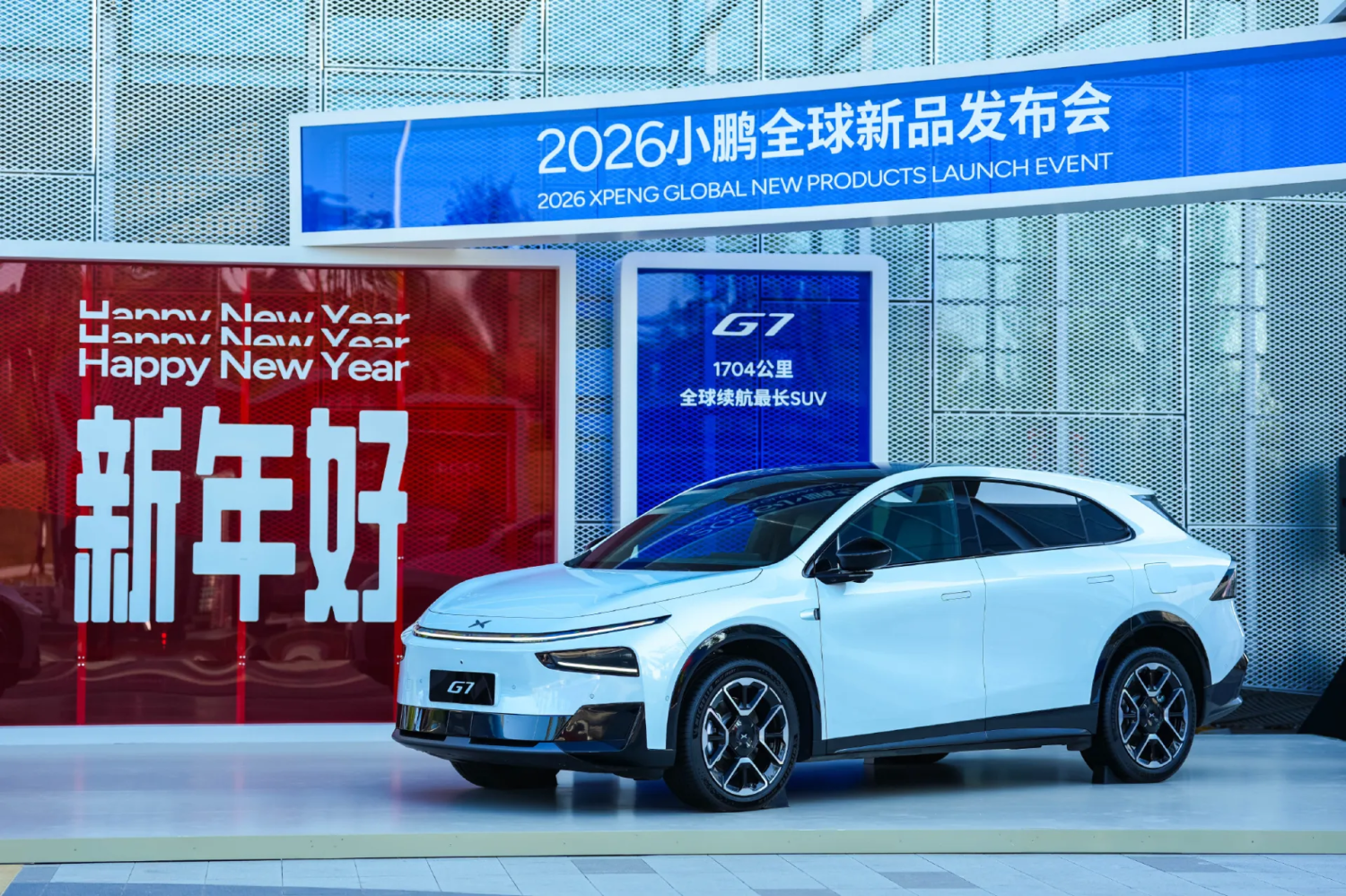
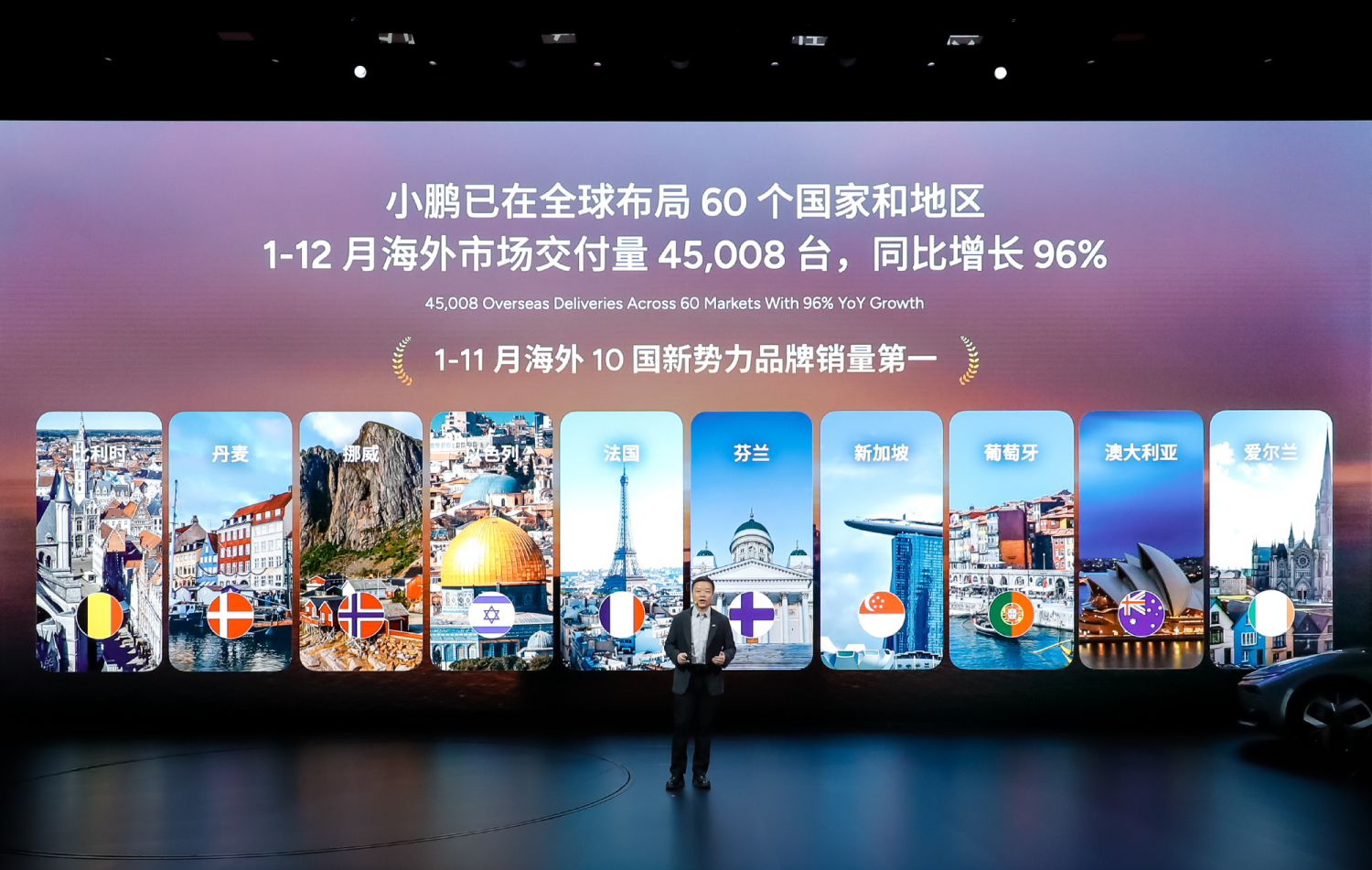
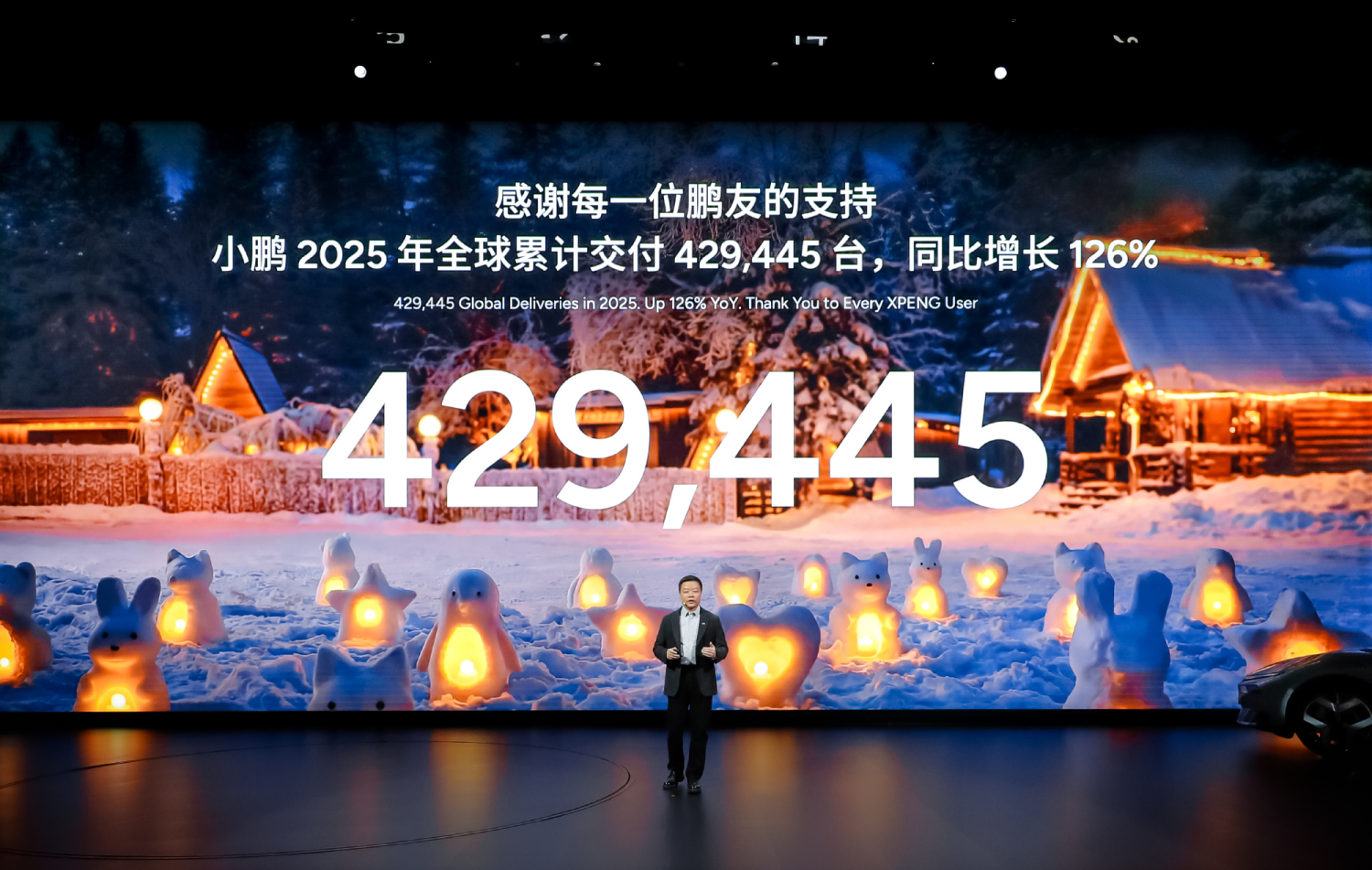
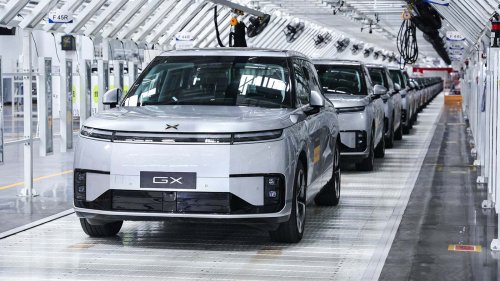
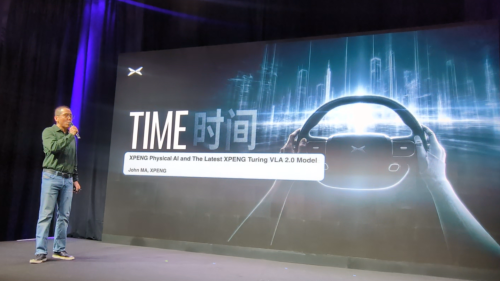
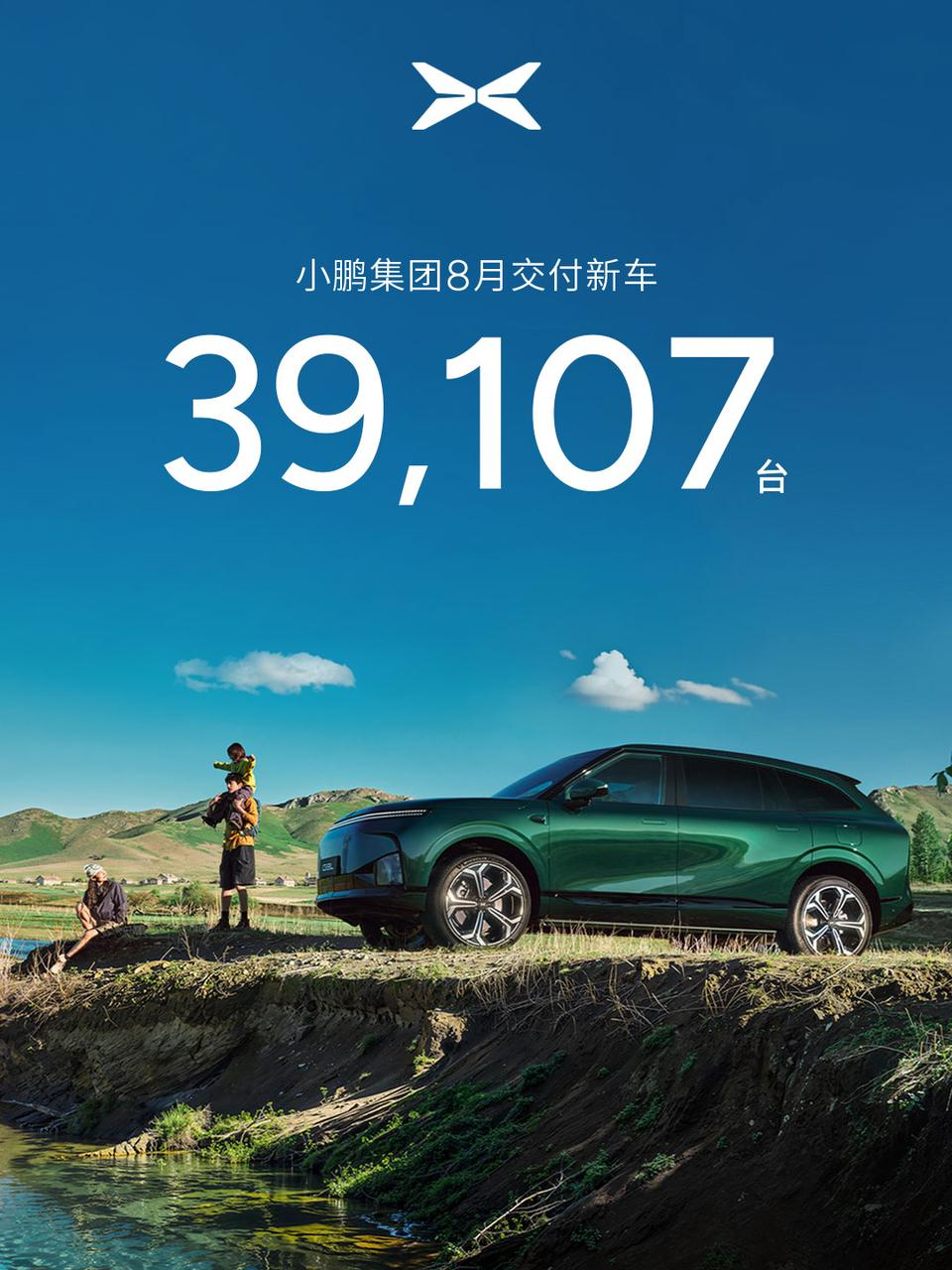
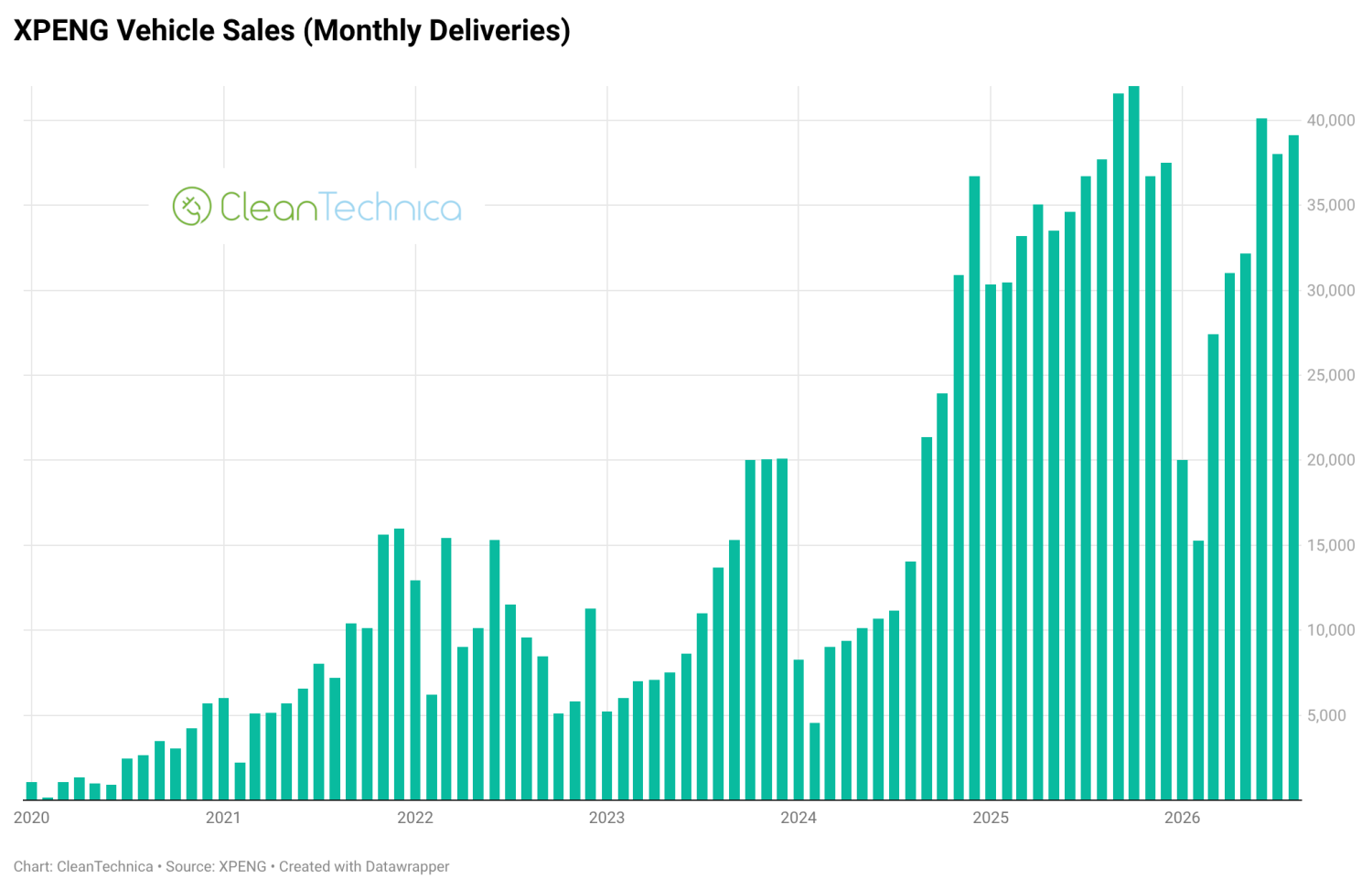
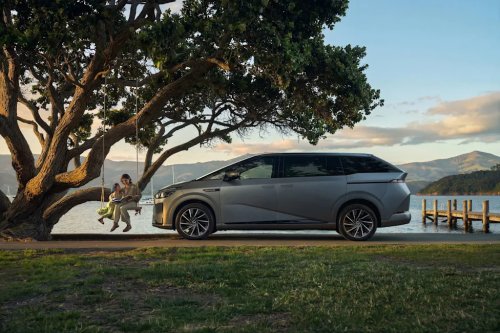
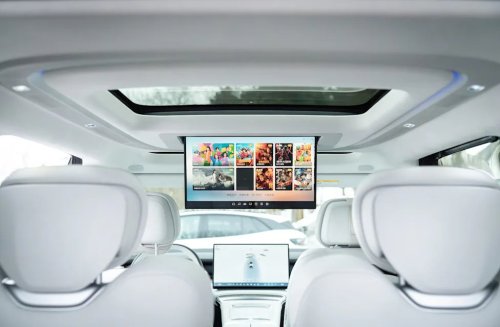
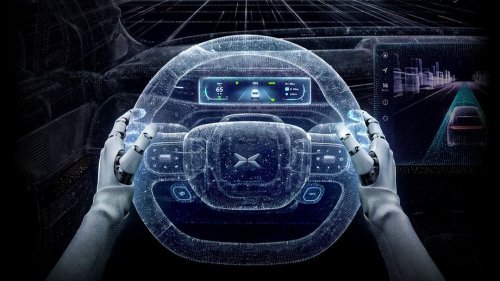
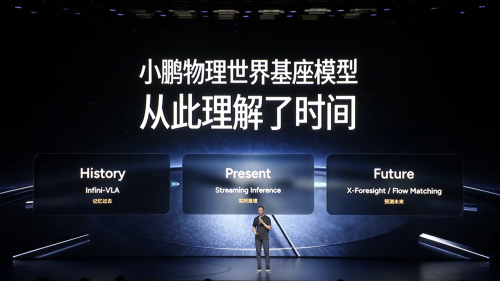
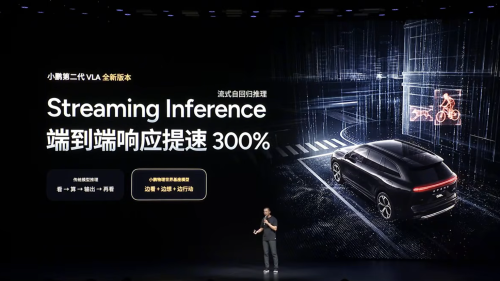
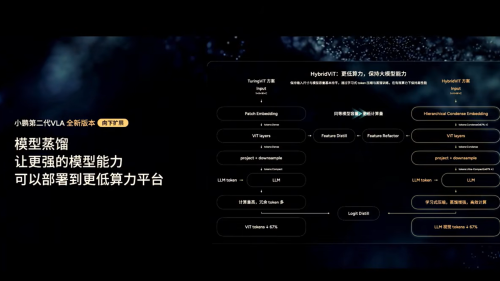
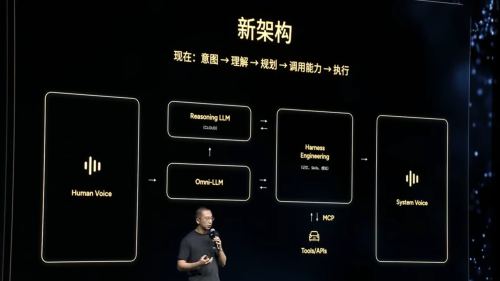
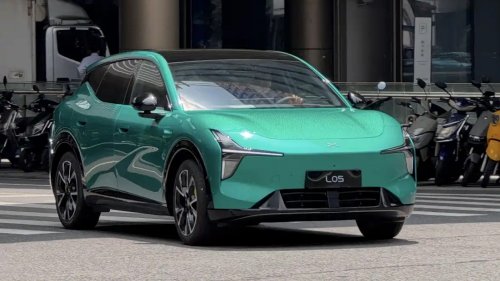
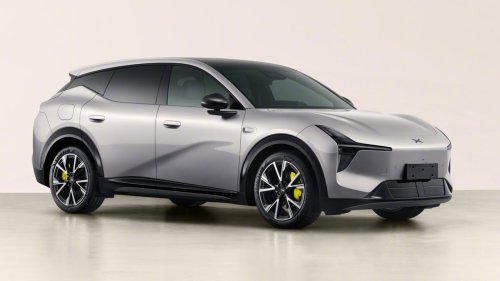
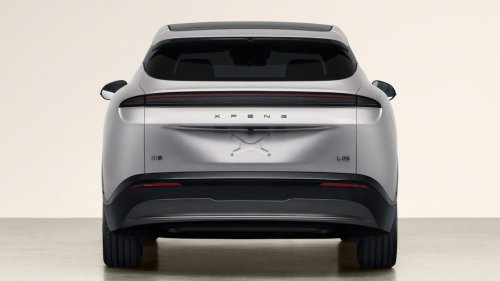
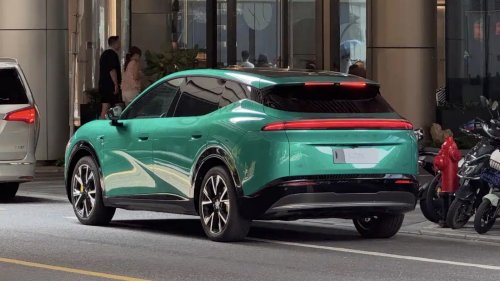
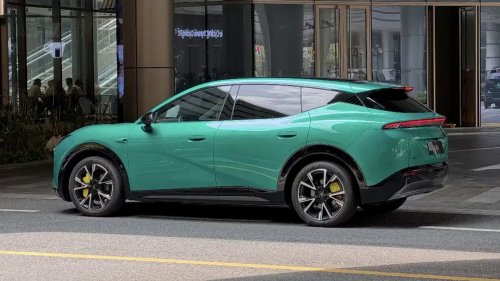
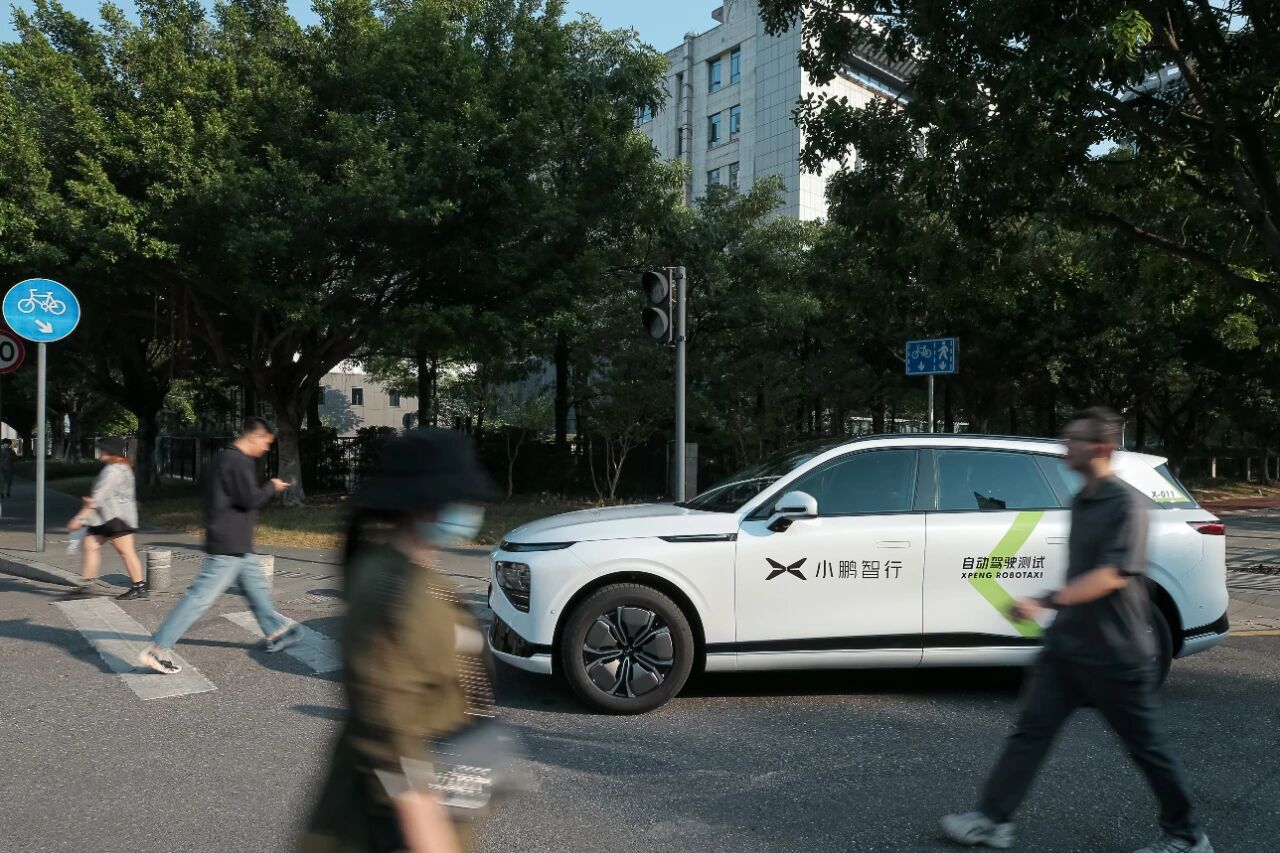
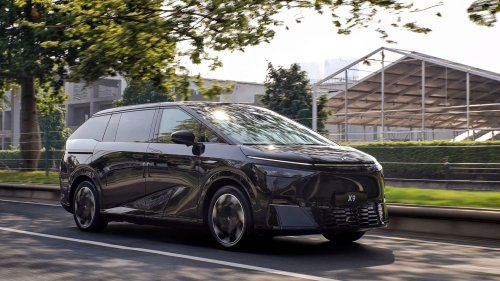
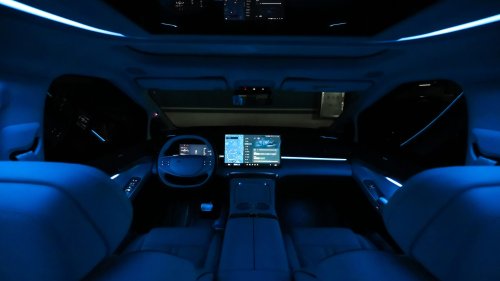
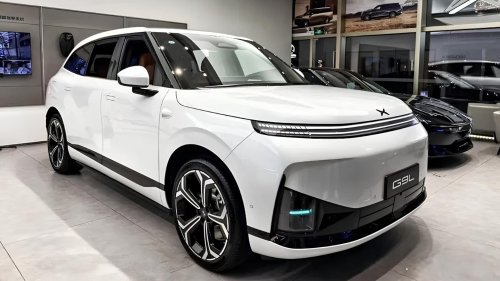
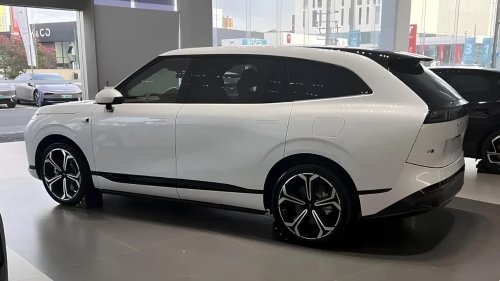
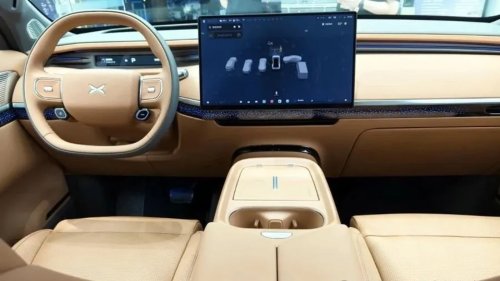
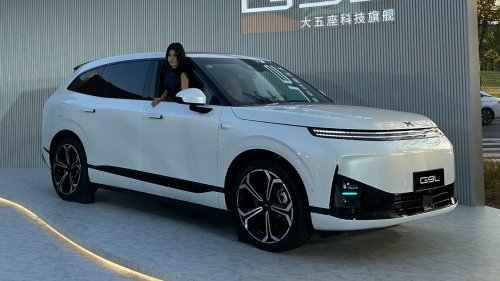
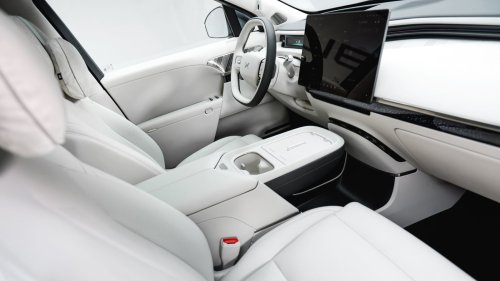
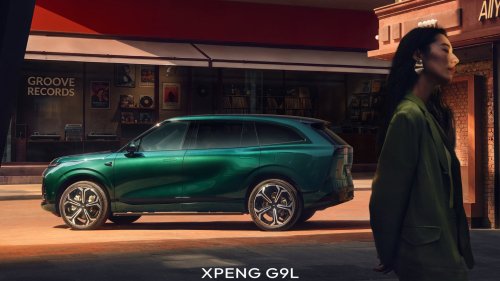
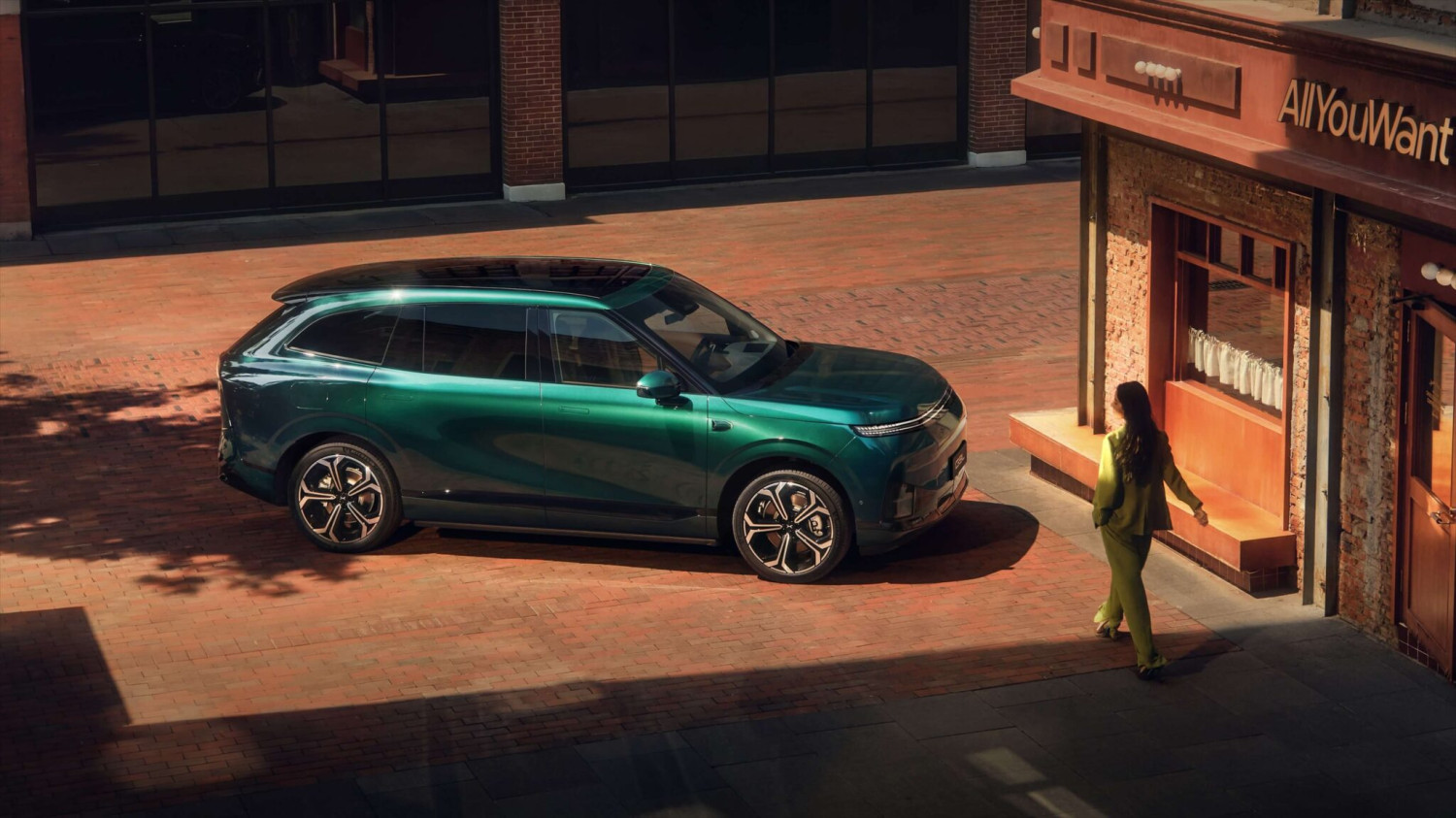
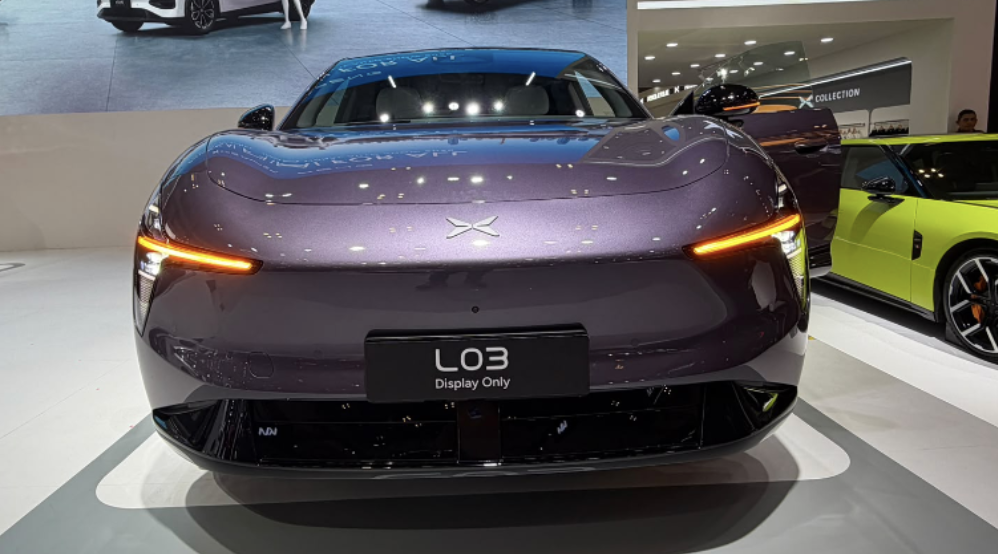
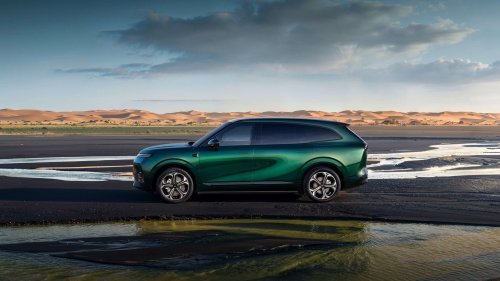
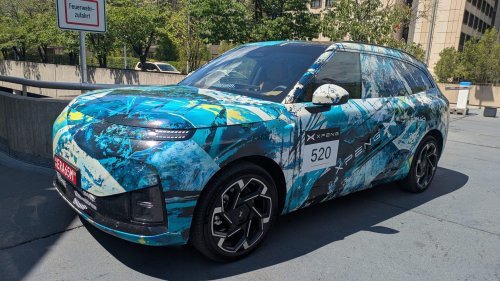
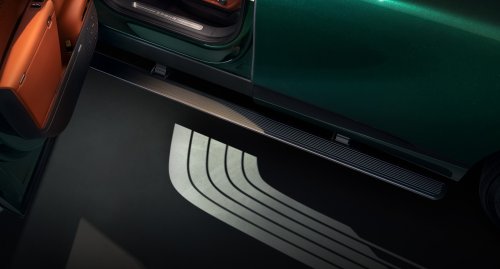
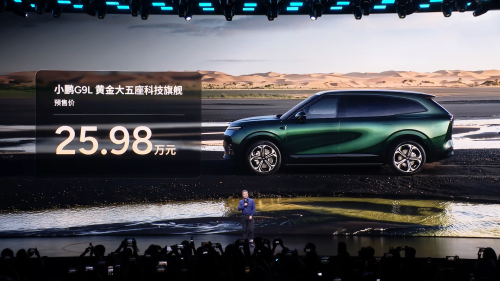
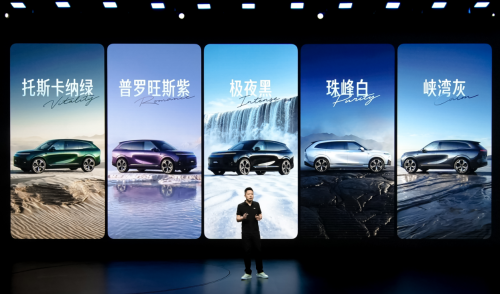
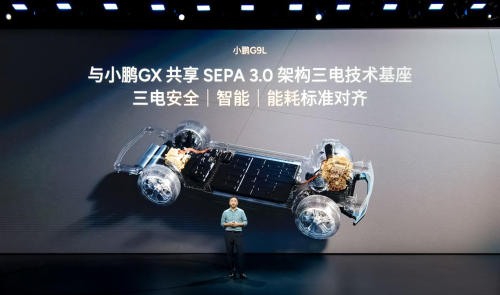
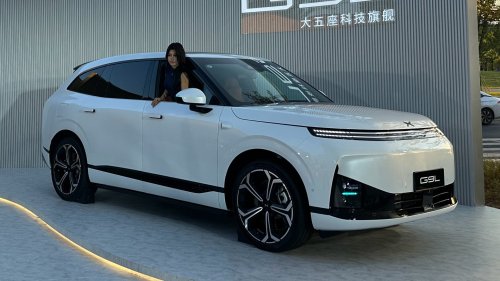
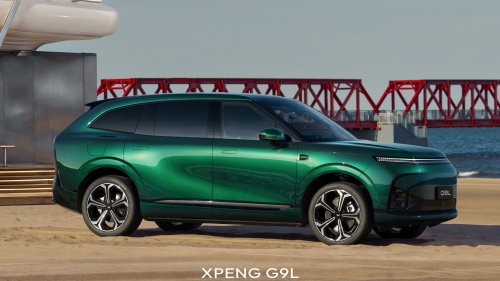
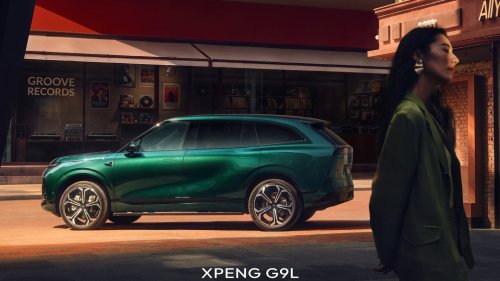
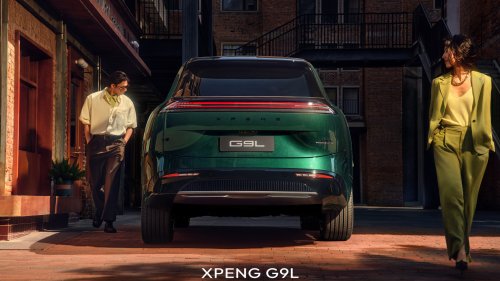
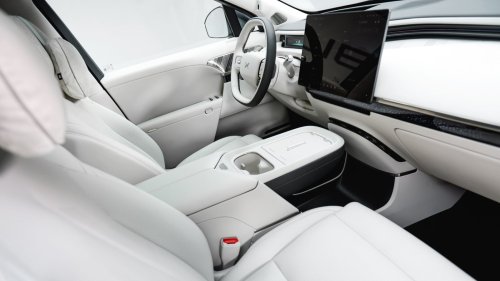
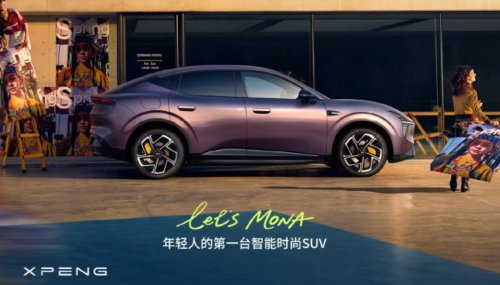
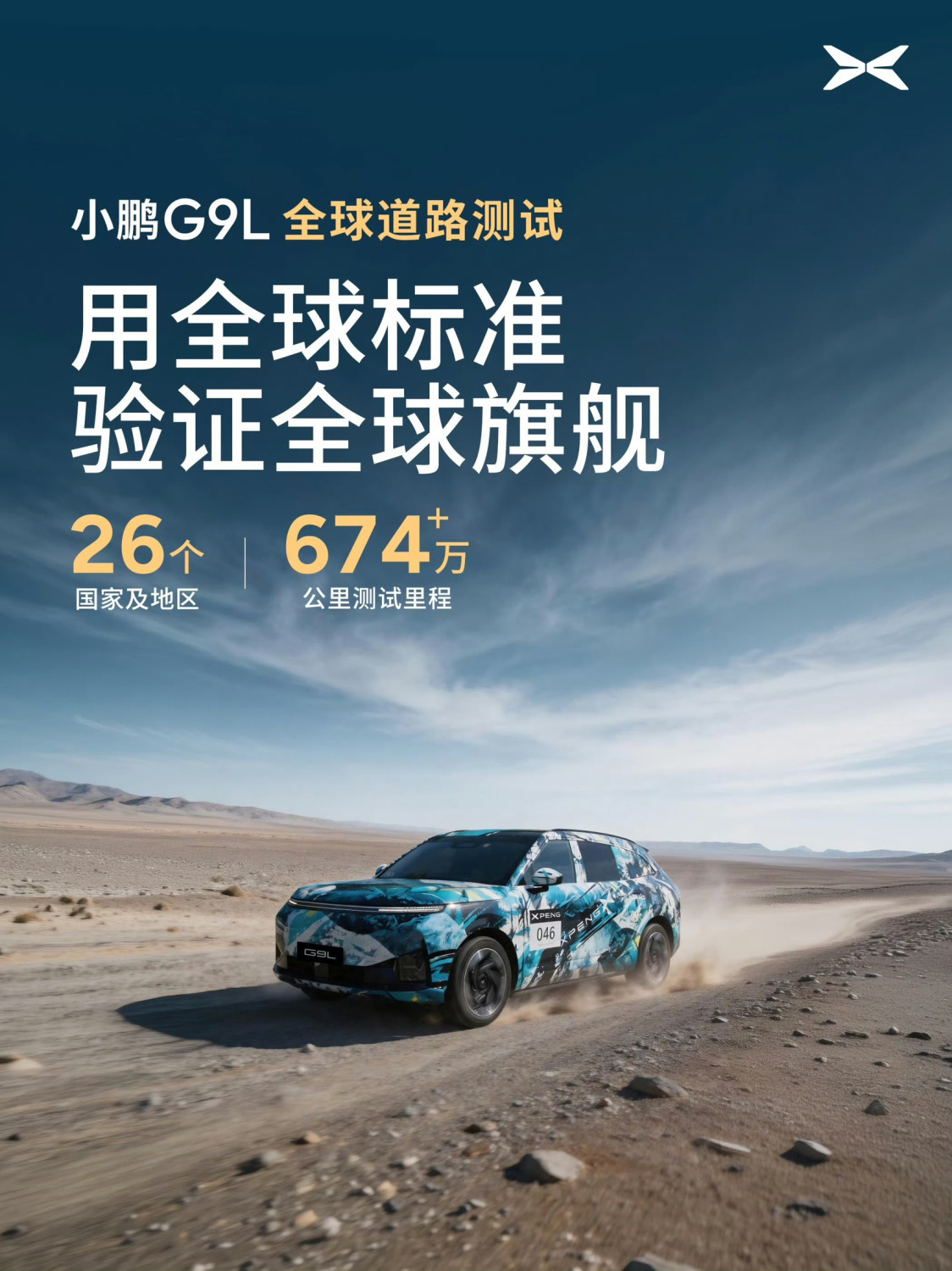
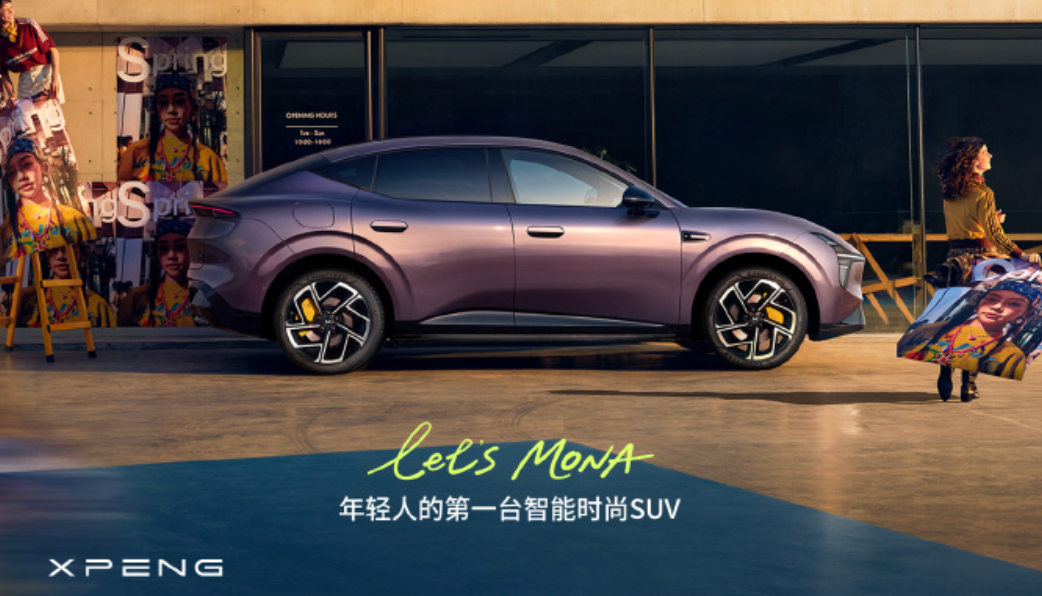
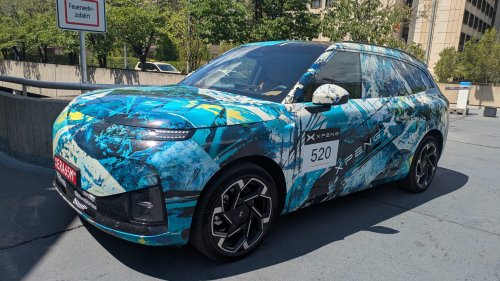
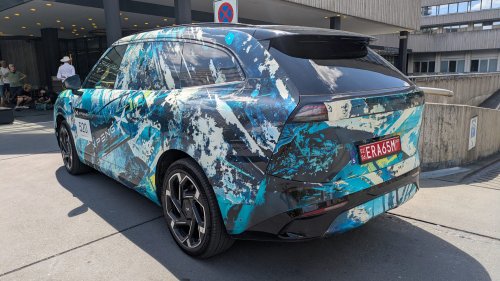
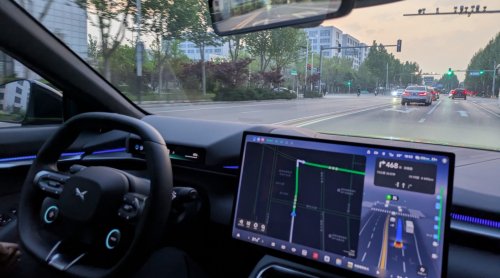
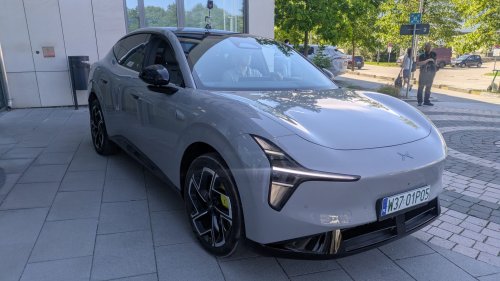
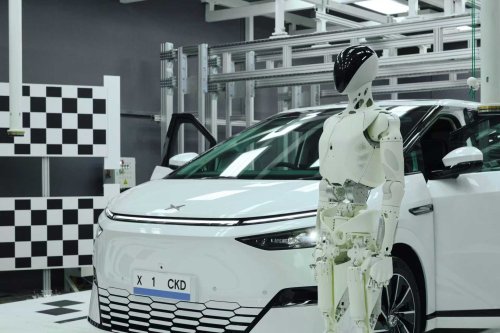
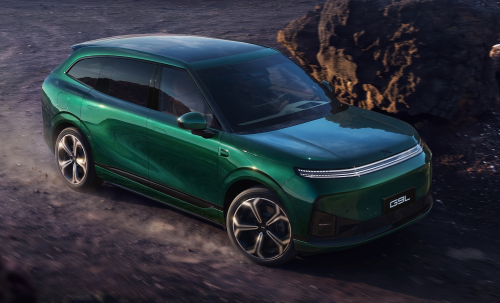
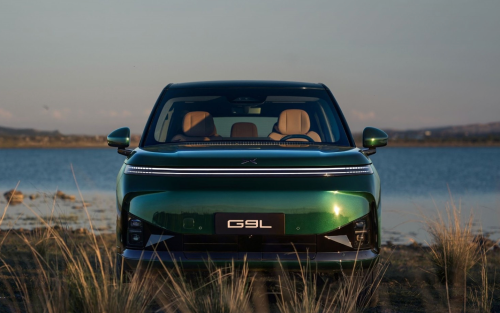
The four all-new models will include the XPeng G01 and G02, as well as the D02 and D03 under the MONA brand, all positioned in the SUV segment. According to a Chinese media report, XPeng has finalized its 2026 sales target during a recent internal strategy meeting, with planned annual deliveries set at 550,000–600,000 units. On the product front, XPeng continues to pivot toward extended-range powertrains. Chairman He Xiaopeng has previously disclosed that the company plans to launch seven dual-power vehicles with “super range-extension” capability in 2026, including three EREV models and four all-new dual-power vehicles. To date, XPeng has already rolled out EREV versions of models such as the X9, P7+, and G7, laying the product and technology groundwork for its next phase of expansion. Xpeng G7 EREV Supply chain sources indicate that the four all-new models will include the XPeng G01 and G02, as well as the D02 and D03 under the MONA brand, all positioned in the SUV segment. The G01 is described as a premium six-seat SUV with a body length of around 5.1 meters and a wheelbase of approximately 3 meters. The G02 is positioned as a full-size flagship SUV, targeting competitors such as the Li Auto L9 and Aito M9. Under the MONA brand, the D02 will be a mid-size SUV, while the D03 will be a compact SUV aimed at higher-volume sales. The strategic significance of range-extended models extends beyond the domestic market. The report notes that XPeng is accelerating its overseas expansion, with the P7+ and MONA SUVs identified as key export models this year. In 2025, overseas markets accounted for about 10% of XPeng’s total sales. By 2026, the company aims to double that share, creating a second growth curve to support overall scale expansion. Xpeng’s sales data in overseas market in 2025 Beyond its EREV strategy, XPeng is also stepping up investment in intelligent driving. He Xiaopeng has stated that “2026 will mark the true first year of full autonomous driving in China and the United States,” with XPeng planning to deploy a unified VLA architecture across both Ultra models and Robotaxi applications. At the foundational technology level, XPeng is advancing a system combining its self-developed Turing chip with a second-generation VLA architecture. The company has reportedly already secured production capacity for more than one million in-house chips to support future vehicle rollouts. Data show that XPeng delivered a total of 429,445 vehicles in 2025, up 126% year-on-year. Overseas deliveries reached 45,008 units, representing a 96% increase. Xpeng’s global sales data in 2025 Based on these figures, achieving the 2026 delivery target of 550,000–600,000 units would require XPeng to grow deliveries by approximately 28.1%–39.7%, with average monthly deliveries rising to more than 45,800–50,000 units.