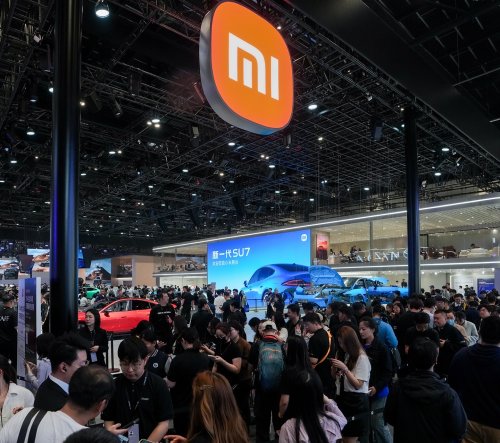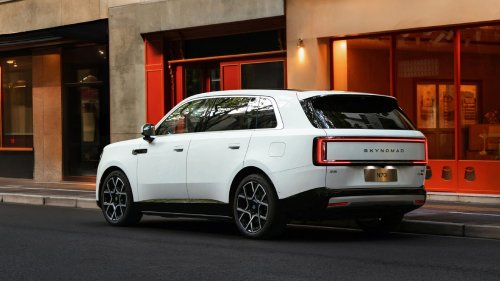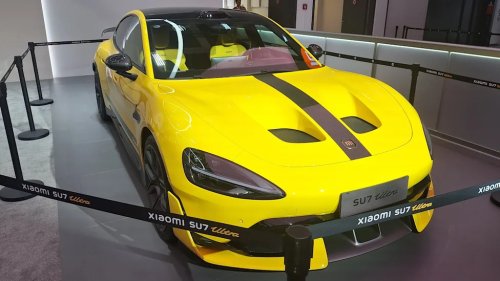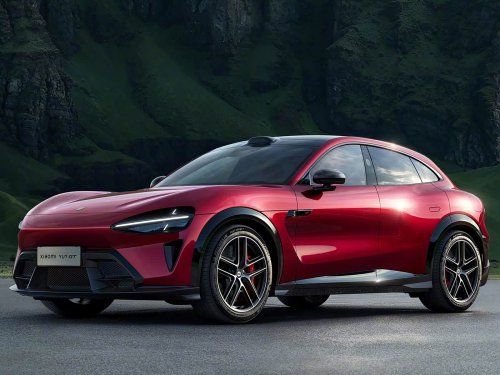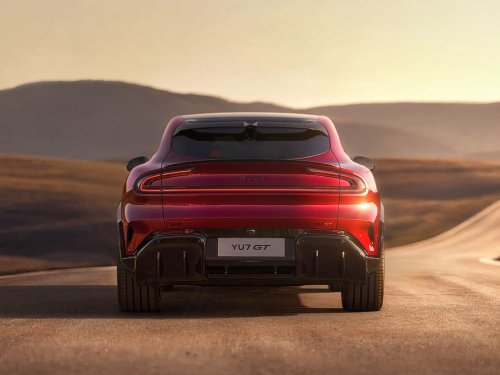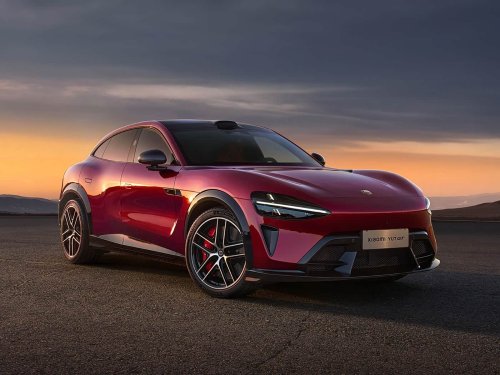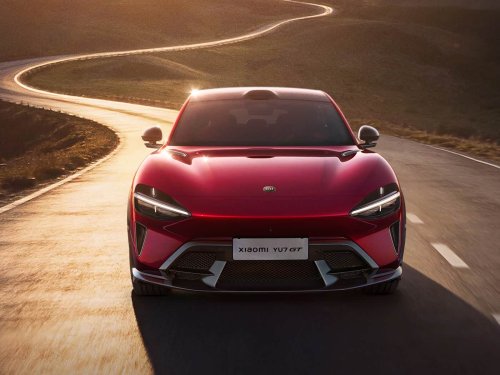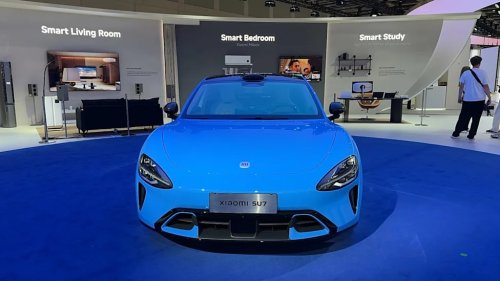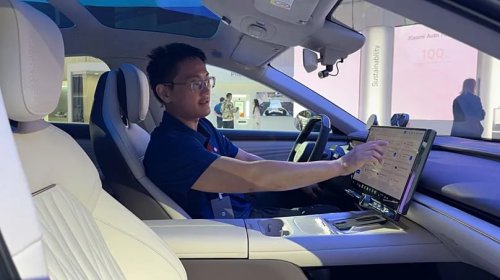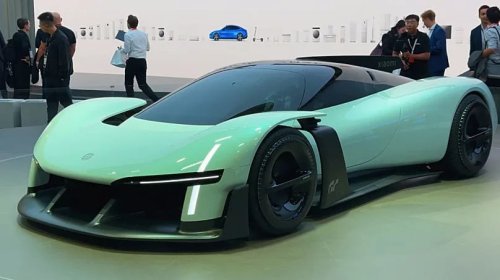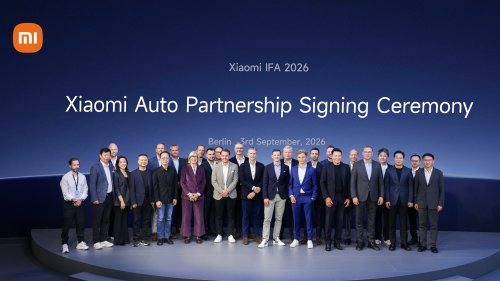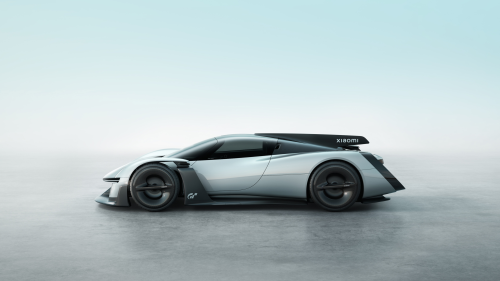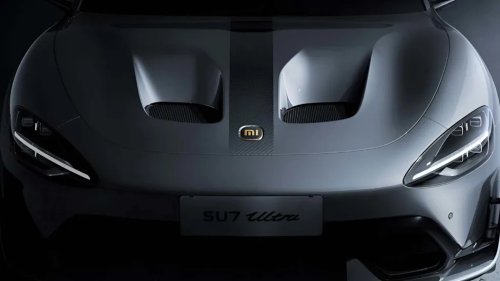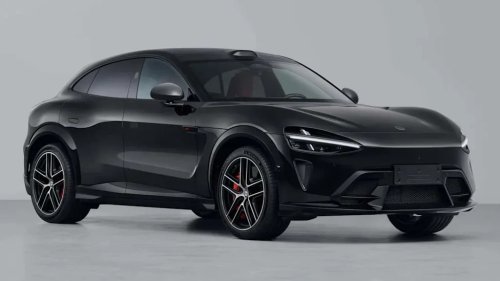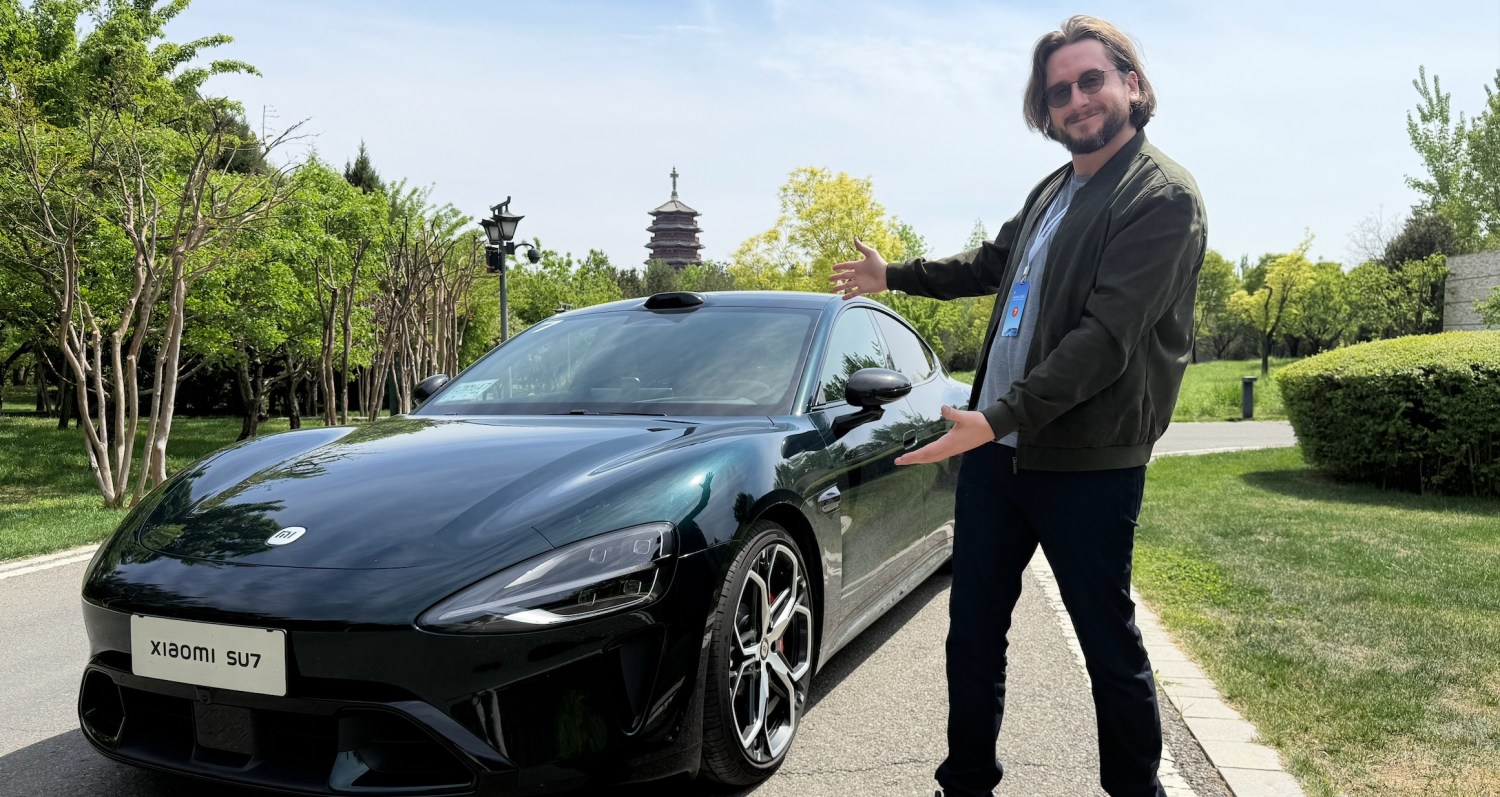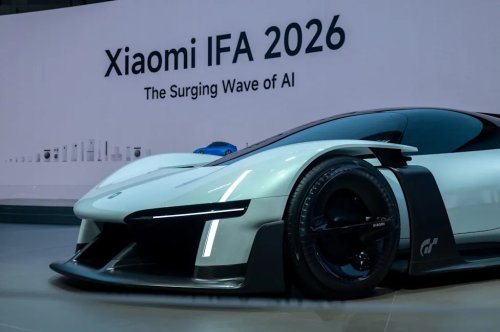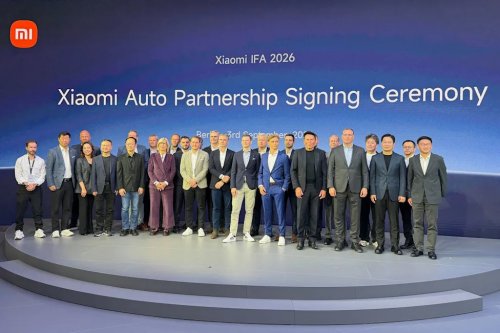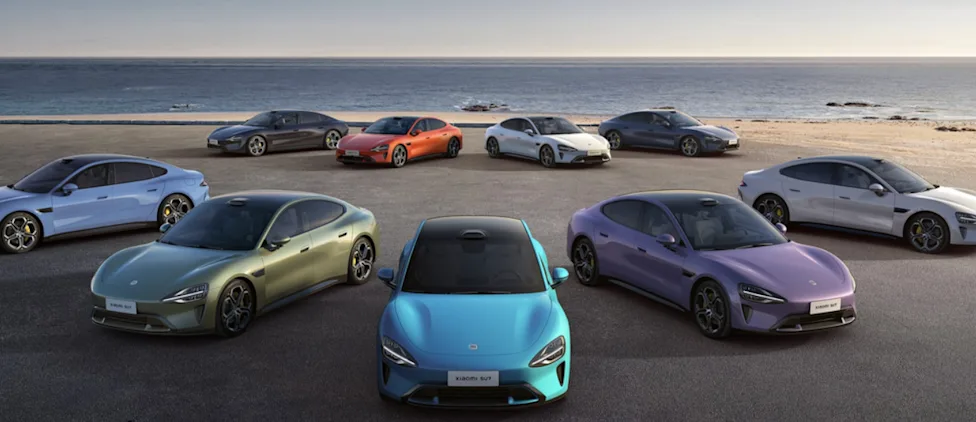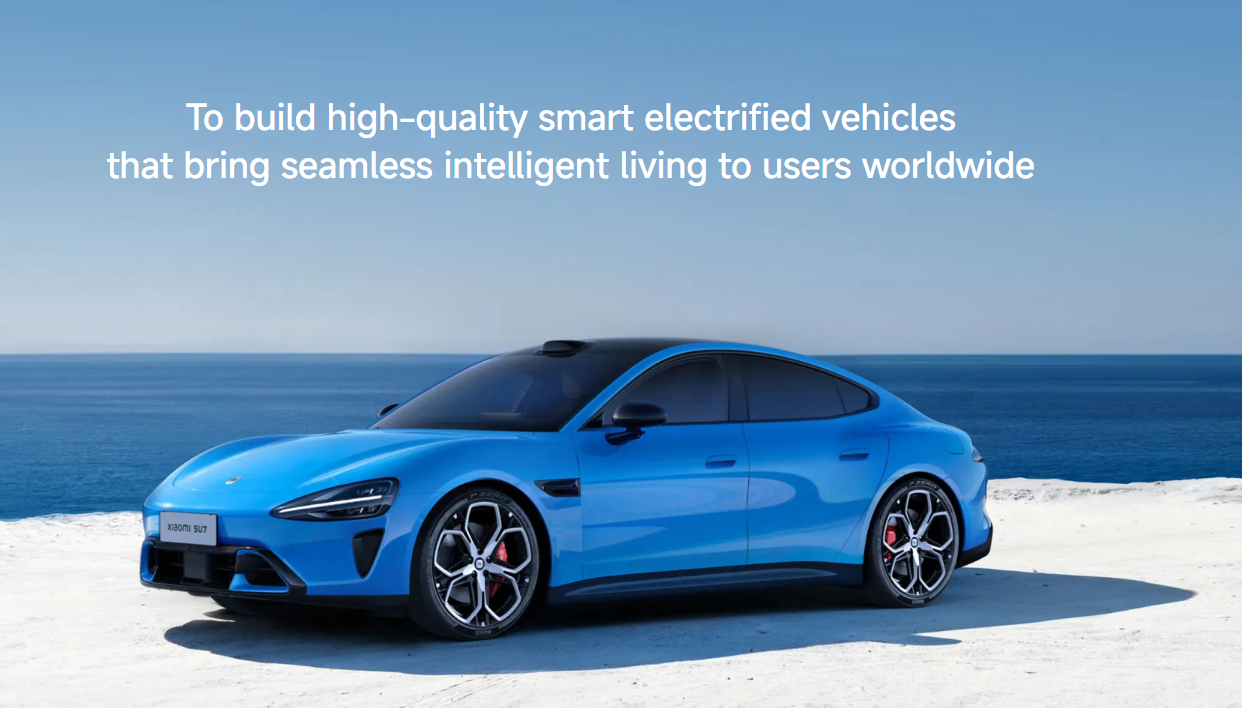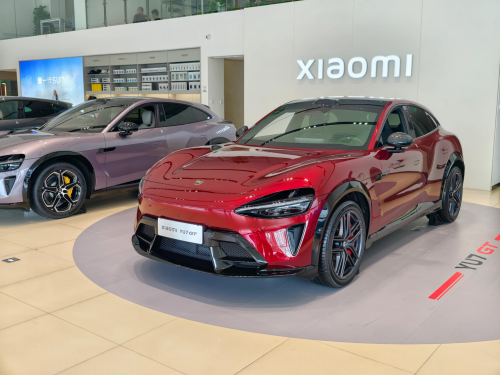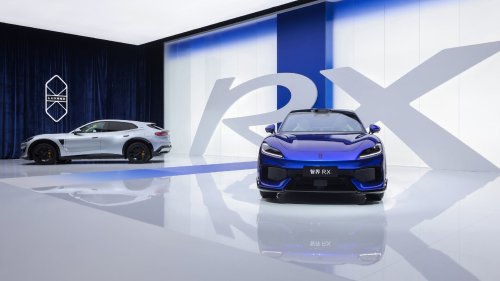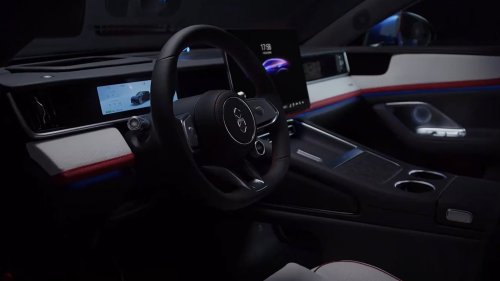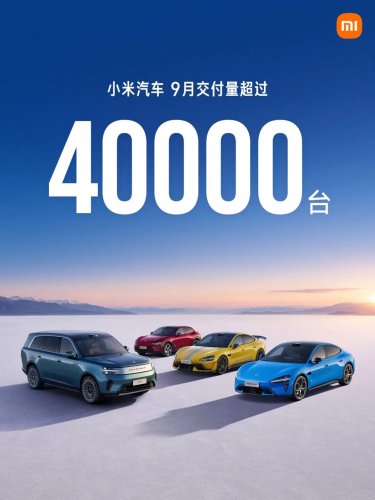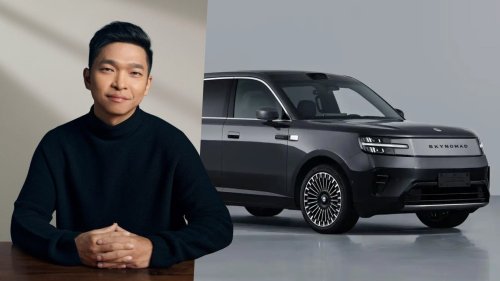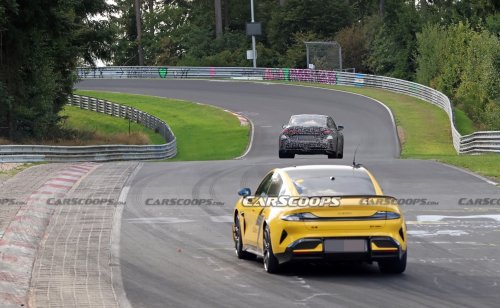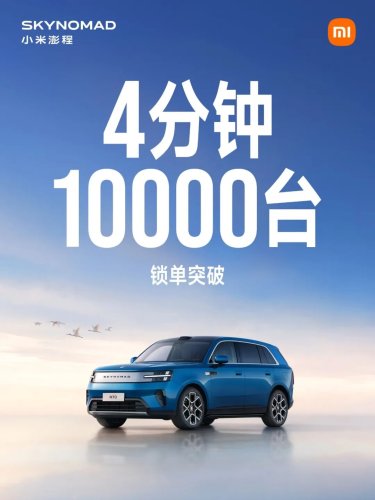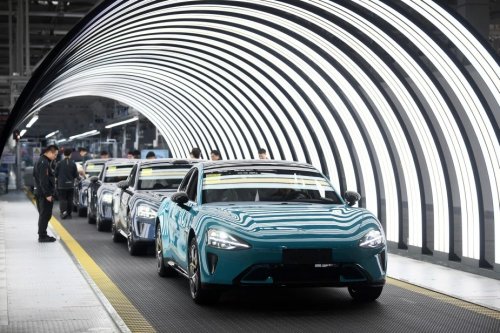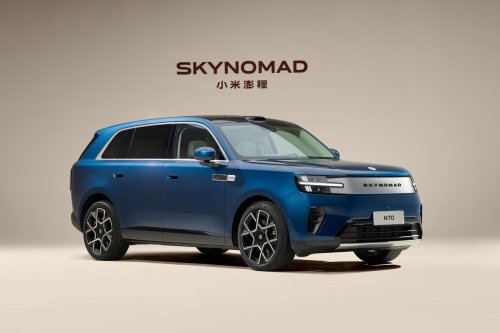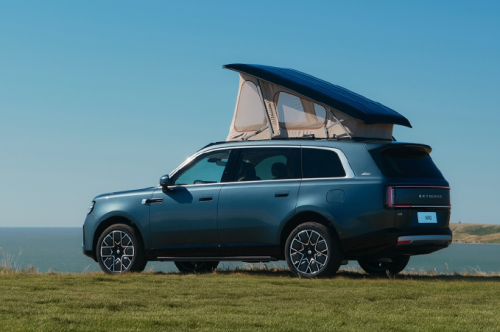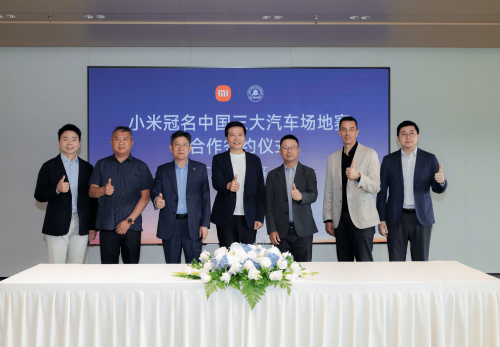
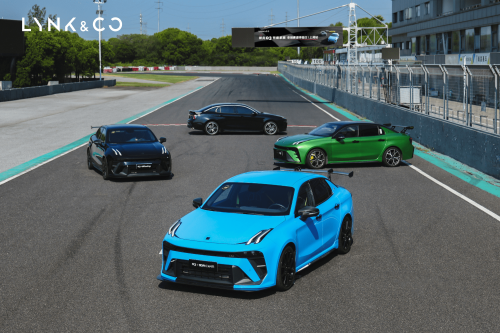
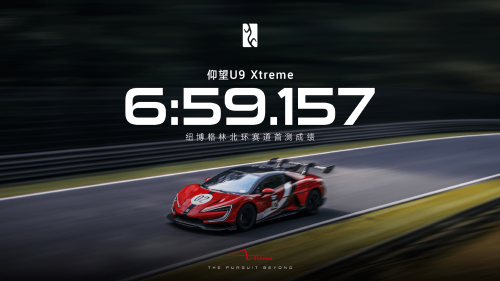
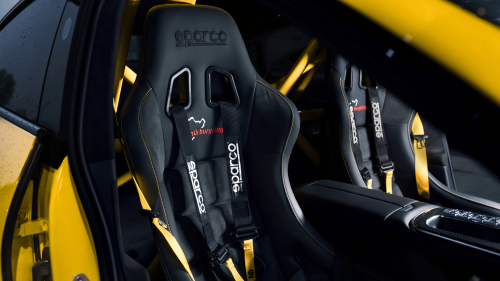



















Xiaomi Auto has officially announced a title sponsorship deal with China’s three top-tier national motorsport championships: the China Touring Car Championship (CTCC), China GT Championship, and China Endurance Championship (CEC). Under the agreement, the Xiaomi SU7 Ultra and YU7 will serve as the official safety car and medical car respectively, subjecting Xiaomi’s vehicles to rigorous testing in high-intensity racing environments. Xiaomi titles China’s three major circuit racing championships. In fact, leveraging racetracks as a platform for technical validation has been a consistent strategy for Xiaomi Auto. Chief Executive Lei Jun stated: “Once you refine a product to racing standards, the pursuit of high performance and safety becomes deeply embedded in the team’s DNA.” According to public records, as early as October 2024, the Xiaomi SU7 Ultra prototype set a Nürburgring Nordschleife lap record for the “fastest four-door car” with a time of 6 minutes 46.874 seconds. In 2025, the production version of the SU7 Ultra claimed the title of “fastest production electric vehicle” at the Nürburgring with a lap time of 7 minutes 4.957 seconds, surpassing the Porsche Taycan Turbo GT. By late 2025, the SU7 Ultra prototype further secured the prototype/pre-production class record at the Nürburgring with a time of 6 minutes 22.091 seconds, placing it alongside the Yangwang U9 Xtreme on the official 2025 Nürburgring lap time leaderboard. Additionally, Lei Jun revealed that the company has launched an internal “1,000 Racing Licenses” initiative, encouraging employees to obtain racing certifications to develop an intuitive understanding of vehicle performance through hands-on motorsport participation. Lynk & Co 03 performance lineup at Shanghai Tianma Circuit. Prior to Xiaomi Auto’s entry, Geely’s Lynk & Co brand had already established a template for Chinese automakers’ motorsport involvement. The team has secured multiple championship titles in both international and domestic competitions, feeding technologies validated through racing—such as chassis tuning, powertrain calibration, and thermal management systems—back into the development of production vehicles. Yangwang U9 Xtreme clocks 6:59.157 in Nürburgring debut lap. In contrast to the “gradual” approaches of Xiaomi Auto and Lynk & Co, media reports suggest BYD may enter Formula 1 either by establishing its own team or acquiring an existing outfit. The timing aligns with the 2026 season, when F1 undergoes its most significant technical regulation overhaul in years. Under the new rules, power unit output from the electric motor will surge from 120 kilowatts to 350 kilowatts, with electric power accounting for nearly 50% of total output—a specification that dovetails with BYD’s years of expertise in hybrid technology. If realized, this would mark the first time a Chinese automaker has entered the world’s premier motorsport competition as a manufacturer. Interior of Xiaomi SU7 Ultra Nürburgring Limited Edition. The primary industrial logic behind Chinese automakers’ intensifying motorsport push is technology transfer. Racetracks serve as proving grounds under extreme conditions. Kinetic energy recovery systems, hybrid technologies, and endurance racing reliability validation ultimately cascade down to consumer vehicles. As industry insiders note, F1 is becoming “a super-hybrid laboratory on wheels,” with the extreme charge-discharge cycles and thermal management challenges on track serving as the most expensive “testing ground” for next-generation battery management systems. The second driver is brand premiumization. Motorsport carries an inherent association with luxury marques. The performance credentials of Porsche, Ferrari, and Mercedes-AMG were largely built through decades of racing participation. For Chinese automakers, motorsport offers a critical pathway to shed the “value-for-money” label and establish “technology leadership” in consumer perception. From Xiaomi’s title sponsorship of three domestic championships to BYD’s preparations for F1 entry, embedding racing DNA into product development processes is becoming standard practice for an increasing number of automakers.