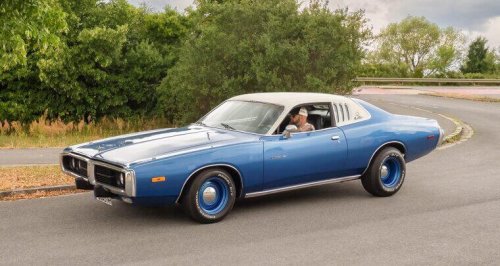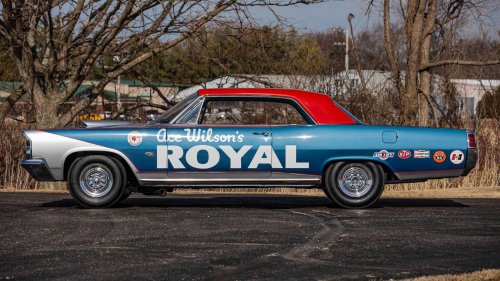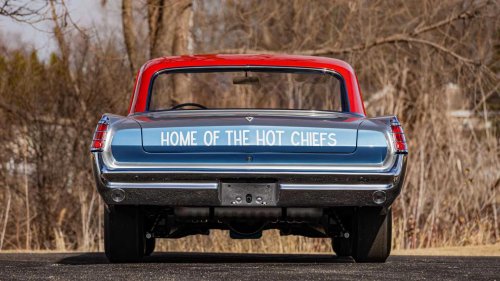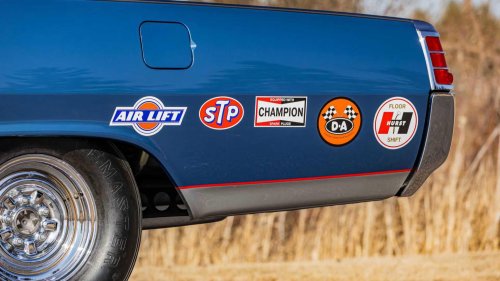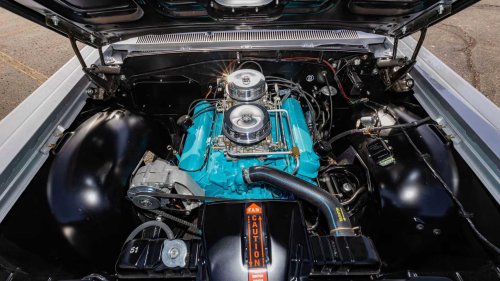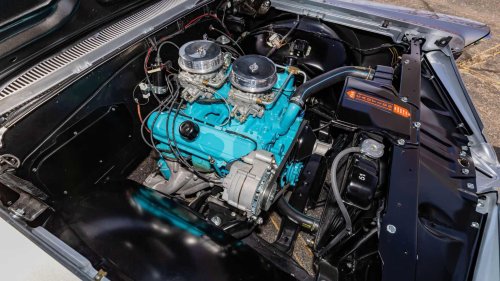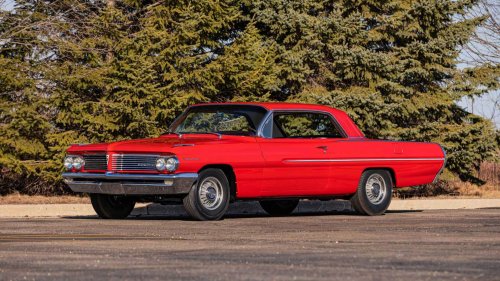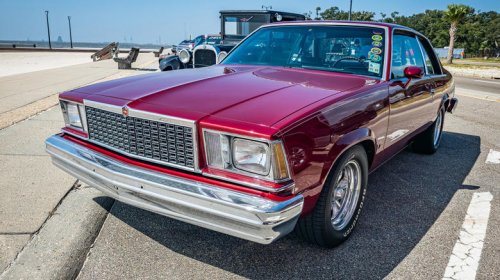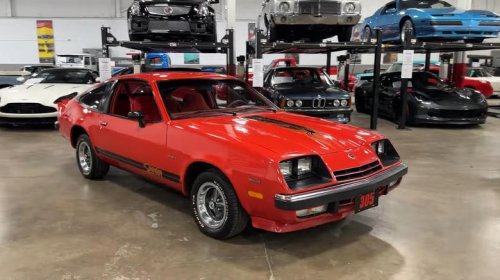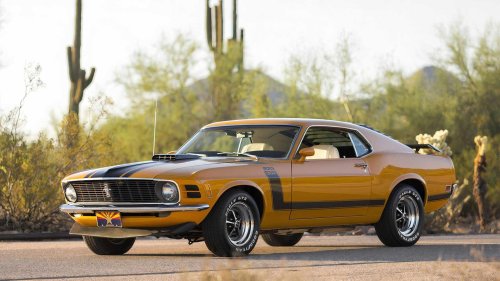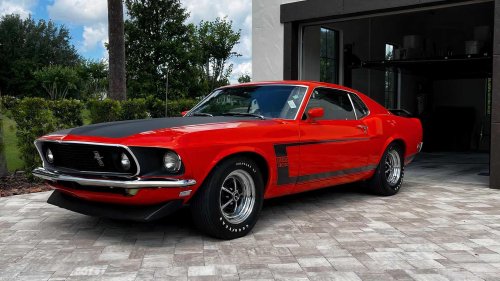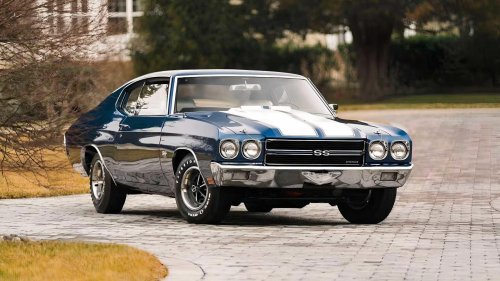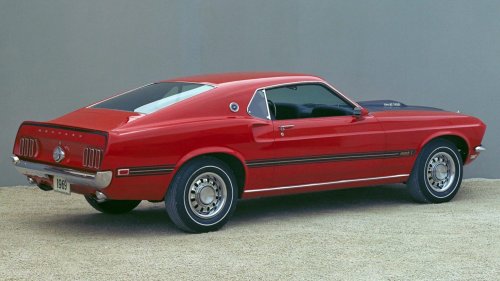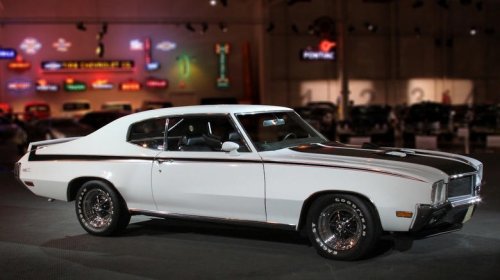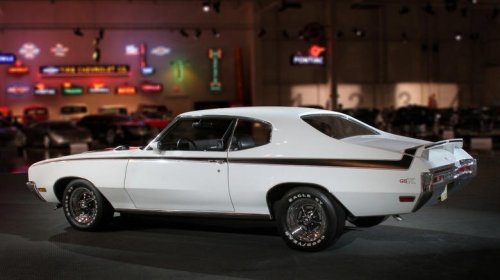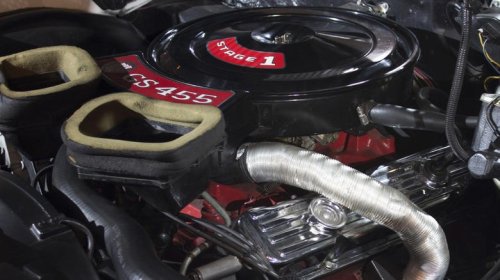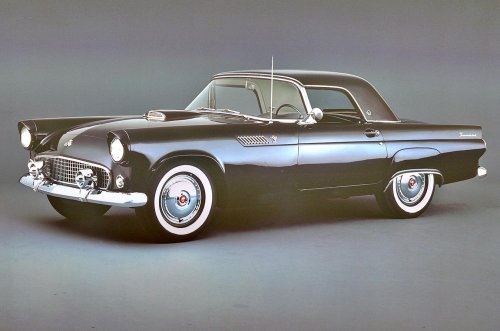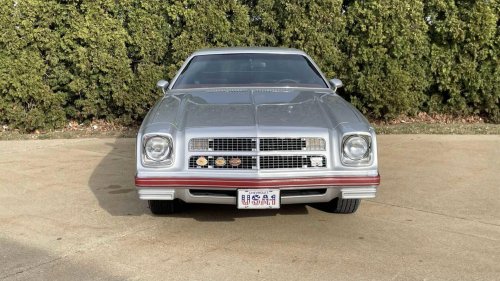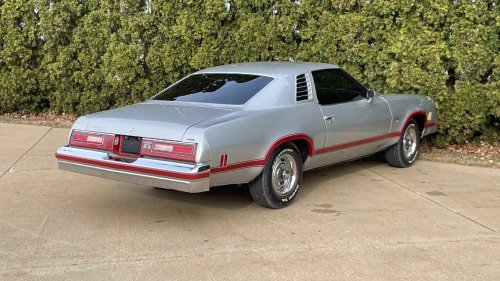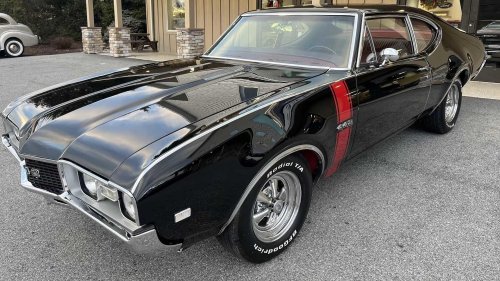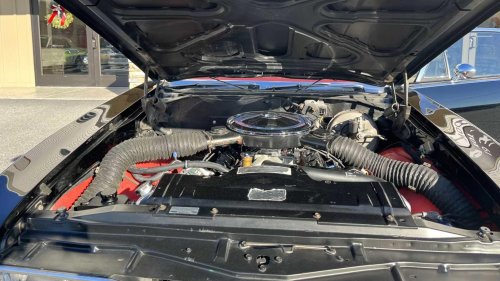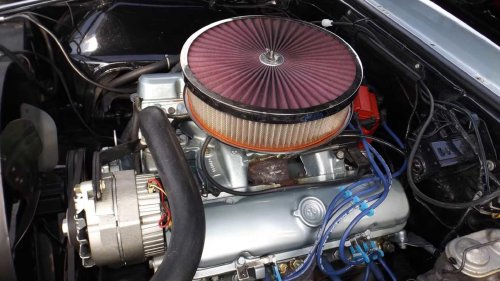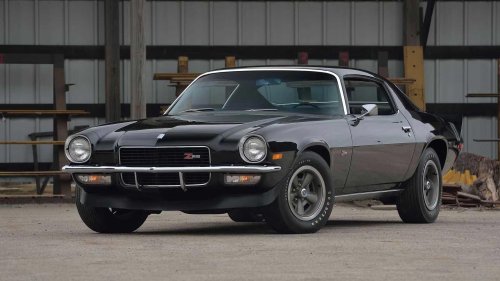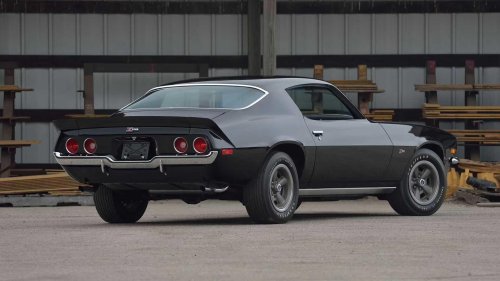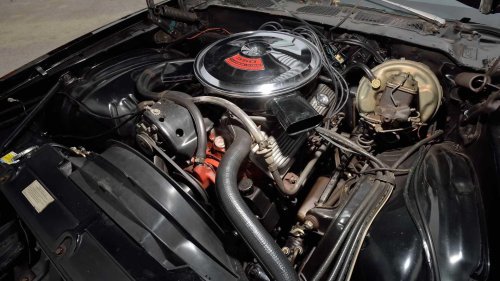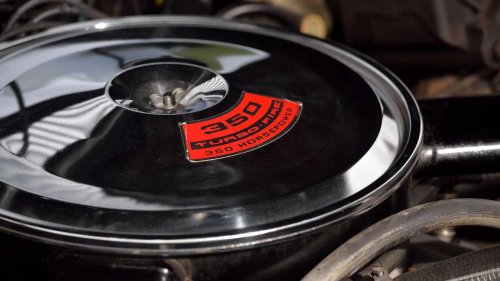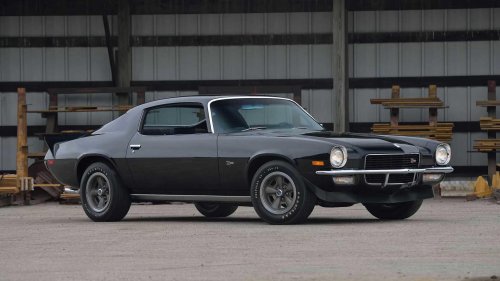
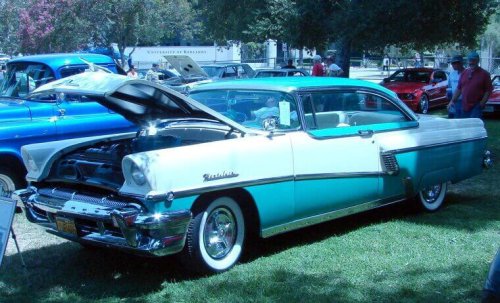
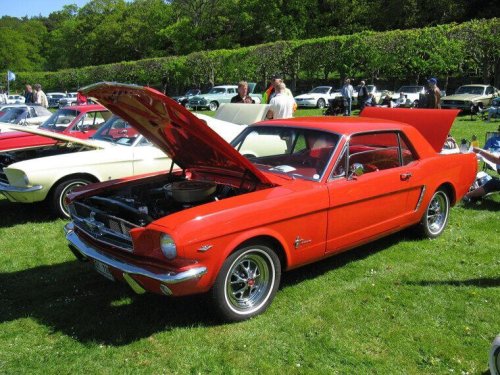
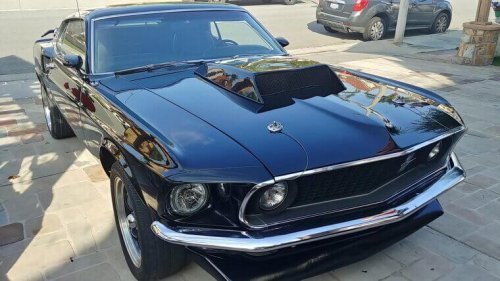
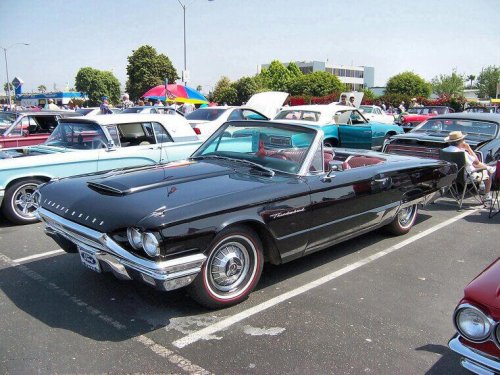
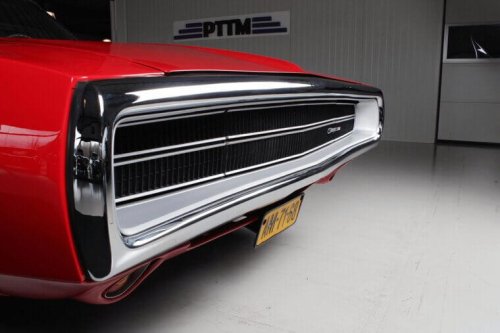
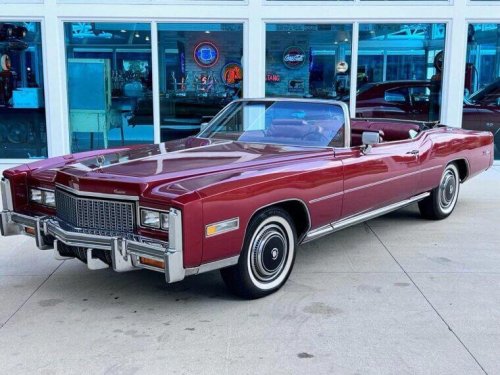



















The Muscle Car Era That Defined a GenerationRaw power and visual intimidation arrived together in the mid-1960s, and American teenagers never recovered. The GTO, the Chevelle SS, the Road Runner, the Charger — these weren't just fast cars, they were rolling manifestos about freedom, rebellion, and the open highway. Designers built them to look angry at rest, with wide stances, blacked-out details, and hoods that seemed to stretch toward the horizon. What made the era truly unrepeatable was the alignment of timing, culture, and budget. Cheap fuel, loose regulations, and a generation hungry for identity created the perfect storm. Automakers competed ferociously, pushing displacement and design simultaneously. No boardroom calculation today could manufacture that chemistry. The muscle car era didn't just define a generation — it permanently raised the bar for what an American performance car should feel like standing still.When Chrome Was King on Every BumperSunlight hitting a polished chrome bumper in 1965 was practically blinding — and nobody complained. Chrome wasn't just a finish back then; it was a statement of ambition, prosperity, and pure American confidence. Automakers layered it across bumpers, grilles, window trim, door handles, and dashboard accents with almost reckless generosity. Every car looked like it had been dipped in liquid silver. Today's cars hide behind black plastic trim and matte finishes, chasing aerodynamic efficiency over visual drama. The craftsmanship required to shape, plate, and polish chrome at that scale has largely disappeared from domestic production. What Detroit once treated as standard equipment, modern collectors now pay fortunes to restore. Nothing in contemporary automotive design has come close to recapturing that mirror-bright swagger.Long Hoods and Bold Lines of Classic PontiacsPontiac understood proportion the way a sculptor understands marble. The long, sloping hood of a 1969 GTO or a '70 Firebird wasn't just functional — it communicated authority before the engine ever turned over. Those stretched front ends created a visual tension, a coiled-spring energy that made every Pontiac look like it was already moving. The body lines were equally deliberate. Sharp character lines ran the full length of the car, catching light and creating shadow in ways that made the sheetmetal look almost three-dimensional. Pontiac's designers, led by visionaries like John DeLorean, understood that a car's silhouette had to work from every angle. Modern performance cars are shaped largely by wind tunnels and safety regulations. Pontiac's classics were shaped by artists with clay and conviction, and the difference is visible from fifty yards away.The Art of the Two-Tone Paint JobPicture a 1957 Bel Air in Surf Green over India Ivory, rolling down a palm-lined boulevard. The two-tone paint job wasn't accidental — it was a carefully considered design tool that used color to sculpt the car's shape, emphasizing its length and separating its visual elements like chapters in a story. Automakers offered dozens of two-tone combinations, some subtle and some startling. Contrasting rooflines, sweeping color breaks along the beltline, and complementary hues on hoods and fenders gave buyers a level of personalization that felt genuinely luxurious. The color division itself became an architectural element. Modern cars occasionally attempt two-tone roofs as a styling nod, but the execution rarely captures the full-body commitment of the original approach. What the '50s and '60s understood instinctively — that color is structure — seems to have gotten lost somewhere in the decades since.Wide Bodies and Aggressive Stances of Classic DodgesDodge in the late '60s and early '70s wasn't designing cars — it was designing threats. The Charger's fastback roofline, the Challenger's wide, planted stance, the Super Bee's no-nonsense aggression: every line communicated that this machine meant serious business. These were wide cars that owned the road visually before they owned it mechanically. The Charger's 1968 redesign remains one of the most studied in automotive history. Its recessed grille, hidden headlights, and flying buttress rear pillars created a shape that looked simultaneously aerodynamic and menacing. The body wasn't just wide — it was confidently wide, with flared wheel arches that hinted at the power underneath. Decades later, Dodge has tried to honor that legacy with modern Challengers and Chargers. They're impressive machines, but they're paying tribute to something they can never fully replicate.Convertible Tops That Made Every Drive a JoyThere's a specific kind of freedom that only exists with the top down, the wind loud enough to make conversation impossible, and a V8 pulling hard through a sweeping curve. Convertibles in the 1960s and '70s weren't niche products for weekend hobbyists — they were mainstream choices, built in enormous numbers and priced accessibly. The engineering was straightforward and the experience was unfiltered. A '67 Mustang convertible or a '70 Chevelle SS ragtop didn't isolate you from the world — it dropped you directly into it. Wind, sound, smell, temperature: everything was immediate and real. Modern convertibles exist behind layers of electronic management, wind deflectors, and acoustic engineering designed to minimize exactly what made open-air driving special in the first place. The old cars understood that vulnerability was part of the joy, not a problem to be engineered away.Interior Bench Seats Built for Comfort and StyleSix people. One bench seat. No complaints. The front bench seat of a 1960s American car was a piece of furniture as much as automotive equipment — wide, cushioned, upholstered in vinyl or cloth that somehow managed to feel both durable and inviting. Families loaded in without negotiation, and couples sat close without any center console forcing separation. The design philosophy was generous by nature. Interiors were built around human comfort and social interaction rather than driving dynamics. Door panels were padded and styled. Dashboards were horizontal and sweeping, with gauges and controls laid out with a certain theatrical flair. Bucket seats and center consoles eventually took over, pushed by the performance car movement and European influence. They're arguably better for driving. But something warm and communal disappeared when the bench seat went away, and no amount of heated leather has brought it back.The Camaro and Mustang Rivalry That Shaped DesignFord threw the first punch in April 1964. The Mustang arrived and immediately rewrote the rules of what a sporty American car could be — affordable, stylish, and available in enough configurations to feel personal. Chevrolet answered two years later with the Camaro, and the most consequential design rivalry in American automotive history was officially underway. Both cars pushed each other constantly. Every generation forced the other brand to respond, raising the visual stakes with each new body style. The long hood, short deck proportions that both cars pioneered became the defining template for American performance car design for decades. What made the rivalry creatively explosive was genuine competition between design teams with real autonomy and real pride. Today's equivalent battles happen in market research sessions and regulatory compliance meetings. The Mustang and Camaro fought with clay models and passion, and American car design was richer for every round.Hood Scoops That Meant Business on the RoadA hood scoop in 1969 wasn't decoration — it was a declaration. Whether functional or cosmetic, those raised air intakes announced that whatever was under that hood needed serious breathing room. They sat on Camaros, Chargers, AMC Javelins, and Plymouth 'Cudas like exclamation points pressed into sheetmetal. Functional scoops fed cold air directly to hungry carburetors. Even the non-functional ones served a purpose: they communicated intent. A car with a hood scoop looked different from every angle, breaking the flat plane of the hood and adding visual mass and aggression that transformed an already bold design into something genuinely intimidating. Modern performance cars use carefully engineered air intakes hidden within bumper fascias and hood vents barely visible without close inspection. Efficient? Certainly. But efficiency and drama rarely share the same design language, and the old scoops had drama in abundance.Wraparound Windshields That Changed the View ForeverSomewhere between 1954 and 1960, American windshields stopped being flat glass rectangles and started curving around the driver like an embrace. The wraparound windshield — borrowed directly from aviation cockpit design — gave drivers a panoramic view that felt genuinely futuristic and made the interior feel connected to the world outside in a completely new way. The A-pillars swept back at dramatic angles. The glass wrapped around the corners of the cabin, eliminating the visual barriers that had previously framed the driver's forward view. Sitting behind a wraparound windshield felt like sitting inside a fishbowl — in the best possible sense. Practical concerns eventually pushed windshields back toward more conventional shapes. Distortion in the curved corners, manufacturing complexity, and changing safety standards all played roles. But for a brief, spectacular window of time, American cars offered a view of the road that felt like piloting something out of a science fiction magazine.Bold Grilles That Gave Classic Cars a Fierce FaceOpen the hood of a 1970 Dodge Charger and you'll find an engine. Look at its face and you'll find a personality. The recessed split grille, flanked by hidden headlights, gave the Charger an expression that was simultaneously cool and menacing — like a fighter who doesn't need to raise his voice. American automakers in this era understood that a car's front end was its face, and faces communicate character. Pontiac's split grille became a brand signature. Buick's waterfall grille conveyed restrained luxury. Cadillac's massive chrome framework announced wealth without apology. Each grille was distinctive enough to be recognizable from a block away. Today's grilles are largely dictated by aerodynamic requirements and pedestrian safety regulations, resulting in designs that prioritize function over expression. The classic cars wore their personalities on their faces, and those faces had something to say.The Rise of the Personal Luxury Coupe in AmericaNot everyone wanted a muscle car. Some buyers wanted something more refined — still personal, still stylish, but wrapped in a quieter kind of confidence. The personal luxury coupe answered that desire, and the 1970s turned it into an art form. The Buick Riviera, Oldsmobile Toronado, Cadillac Eldorado, Ford Thunderbird, and Lincoln Continental Mark series occupied a design space unlike anything before or since. These were large, elegantly proportioned coupes with long wheelbases, sweeping rooflines, and interiors that rivaled living rooms for comfort and visual richness. They weren't trying to be European. They were unapologetically, extravagantly American. The category essentially vanished as fuel crises and changing tastes reshaped the market in the late '70s and '80s. What replaced it — front-wheel-drive coupes and eventually crossovers — never captured the same combination of scale, elegance, and unmistakable American identity.