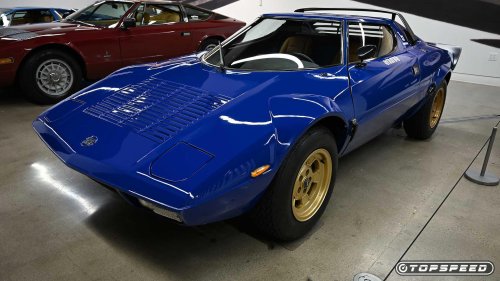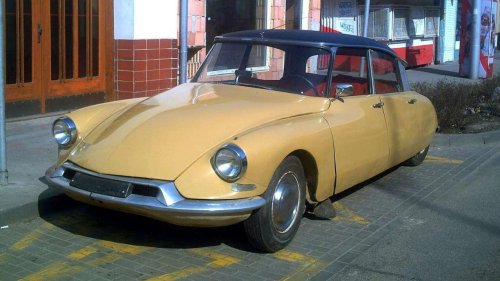
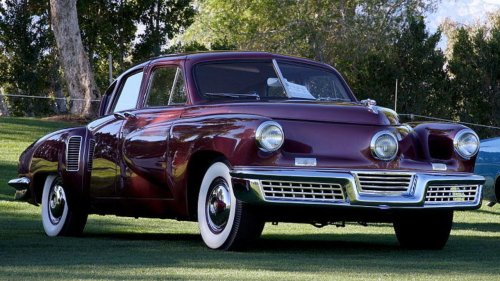
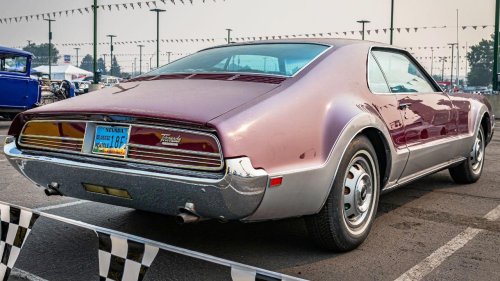
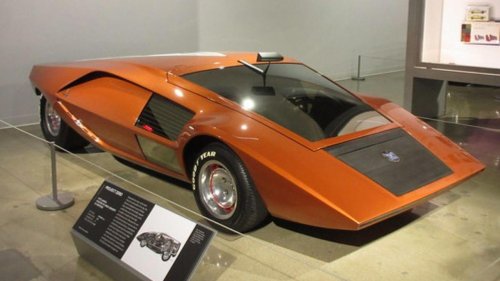
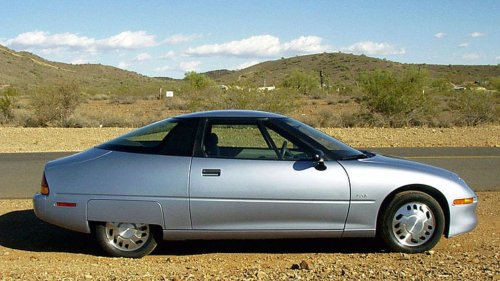

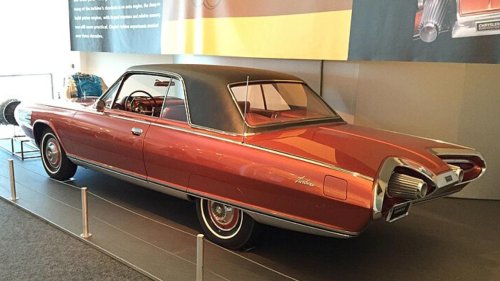
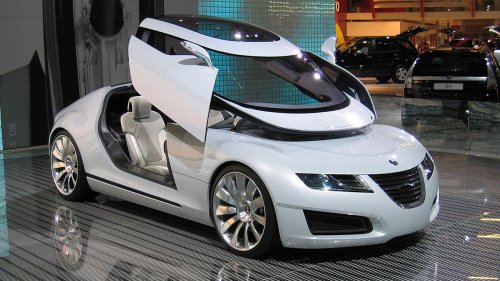


















Automotive history is filled with a plethora of designs that were ahead of their time, some of which have faded into obscurity. These vehicles incorporated features and styles that would only later become mainstream, showcasing the vision and creativity of their designers. Let’s delve into some of these forgotten car designs that surprisingly predicted the future of the automobile industry. Citroën DS Image Credit: Radek Weigel, via Wikimedia Commons, Public domain The Citroën DS, launched in 1955, was a groundbreaking design that shocked the world with its futuristic look and advanced technology. It was one of the first cars to feature hydropneumatic self-leveling suspension, which provided an exceptionally smooth ride and was far ahead of its time. The DS also introduced innovations like a semi-automatic transmission and power steering, which were rare in the mid-20th century. The aerodynamic silhouette of the DS set it apart, leading to a design language that would influence car aesthetics for decades. Its distinctive shape was not just for looks; it significantly reduced drag, making the DS a pioneer in aerodynamic efficiency. Even today, the Citroën DS is celebrated for its revolutionary approach to car design. Tucker 48 Image Credit: Rex Gray – Flickr: 1948 Tucker Torpedo, via Wikimedia Commons, CC BY 2.0 The Tucker 48, also known as the Tucker Torpedo, was an American car produced in 1948 that was packed with innovative features. It included a rear-engine design, a shatterproof windshield, and a unique “Cyclops Eye” third headlight that turned with the steering wheel, enhancing visibility around corners. Despite its forward-thinking design, only 51 Tucker 48s were ever produced due to financial and legal challenges. However, many of its safety features, like the pop-out windshield and padded dashboard, became industry standards in the years to follow. The Tucker 48 remains a fascinating example of what could have been had it not been stymied by unfortunate circumstances. Oldsmobile Toronado Image Credit: Gestalt Imagery / Shutterstock.com Introduced in 1966, the Oldsmobile Toronado was a trailblazer as one of the first American cars to feature front-wheel drive since the Cord models of the 1930s. This configuration allowed for a more spacious interior and better traction, especially in adverse weather conditions, setting a trend that many manufacturers would later adopt. The Toronado was also celebrated for its bold styling, with a sleek, fastback design that made it stand out on the road. Its innovative engineering and design were recognized with the Motor Trend Car of the Year award, highlighting its impact on the automotive landscape. Lancia Stratos Zero Image Credit: zombieite / Flickr / CC BY 2.0 Unveiled in 1970, the Lancia Stratos Zero was a concept car that pushed the boundaries of automotive design. With its wedge-shaped body and extremely low profile, it laid the groundwork for the design language of future supercars. The Stratos Zero’s radical look was complemented by its mid-engine layout, which became a standard for high-performance vehicles. The concept car’s influence is evident in the subsequent Lancia Stratos HF, which became a rally legend. The Stratos Zero remains an iconic example of how concept cars can shape the future direction of automotive design, even if they never see mass production. General Motors EV1 Image Credit: RightBrainPhotography (Rick Rowen) – via Wikimedia Commons, CC BY-SA 2.0 The General Motors EV1 was a pioneering electric vehicle introduced in the mid-1990s, well before electric cars became mainstream. This two-seater coupe boasted a futuristic design and a commendable range for its time, making it a trailblazer in the then-nascent field of electric mobility. Though the EV1 was discontinued in 2003, its legacy lives on as a precursor to today’s electric vehicles. It demonstrated the viability of electric propulsion and pushed other manufacturers to invest in electric technology, paving the way for the modern EV era. BMW Z1 Image Credit: Ermell, CC BY-SA 4.0, Wikimedia Commons. The BMW Z1, produced between 1989 and 1991, is remembered for its unique design features, including doors that retracted down into the car’s body. This roadster also featured a modular body design, allowing body panels to be removed and replaced easily, which was a novel concept for its time. Underneath its striking exterior, the Z1 was equipped with a front-engine, rear-wheel-drive layout, providing the classic driving dynamics associated with BMW. While it was produced in limited numbers, the Z1’s innovative features left a lasting impression and influenced later models in BMW’s Z series. Chrysler Turbine Car Image Credit: DRIVERofPONTIACS – Own work, via Wikimedia Commons, CC BY-SA 4.0 The Chrysler Turbine Car, produced in the early 1960s, was an ambitious project that explored the use of turbine engines in automobiles. This limited-production car could run on various fuels and promised smooth, vibration-free performance, showcasing an alternative to the traditional internal combustion engine. While the Turbine Car never reached mass production, its legacy endures as a testament to Chrysler’s innovative spirit. The project highlighted the potential of alternative powertrains, an idea that continues to be explored today in the pursuit of more sustainable automotive solutions. Saab Aero-X Image Credit: Robin Corps, via Wikimedia Commons, CC BY-SA 2.0 The Saab Aero-X, introduced as a concept car in 2006, showcased a futuristic vision with its jet-inspired canopy instead of conventional doors and a cockpit-like interior. Its sleek, aerodynamic design and bioethanol engine were forward-thinking elements that hinted at the future direction of the automotive industry. While the Aero-X never made it to production, its influence can be seen in Saab’s later designs and the industry’s broader move towards sustainable and innovative design solutions. The Aero-X remains a fascinating glimpse into the possibilities of future car design. Like Fast Lane Only’s content? Be sure to follow us. Here’s more from us: Unboxing the WWII Jeep in a Crate The Fastest Farm Truck Ever Built *Created with AI assistance and editor review.