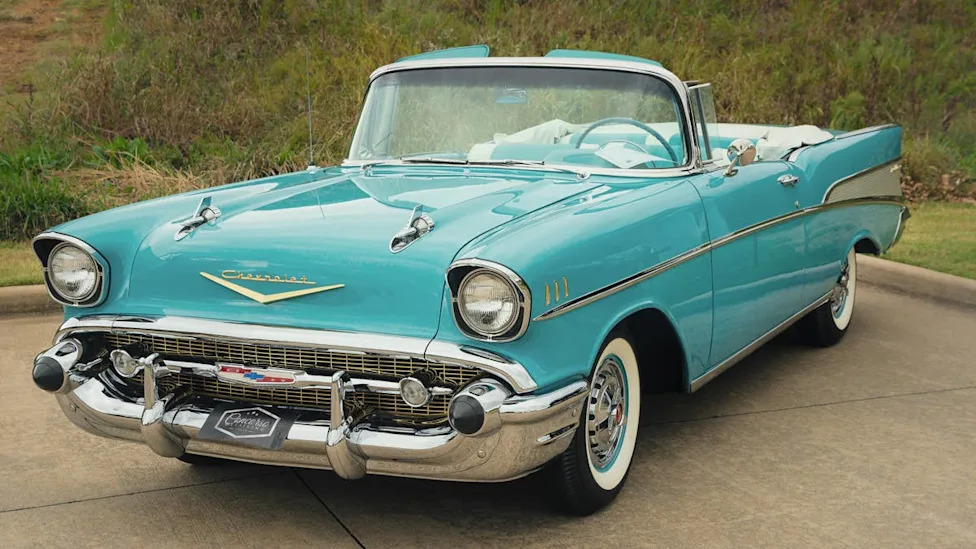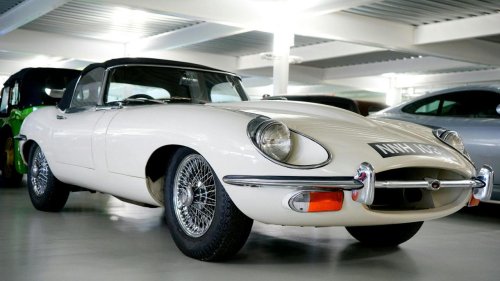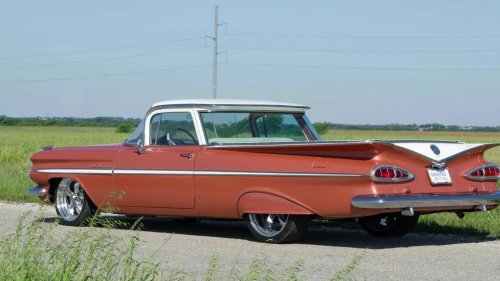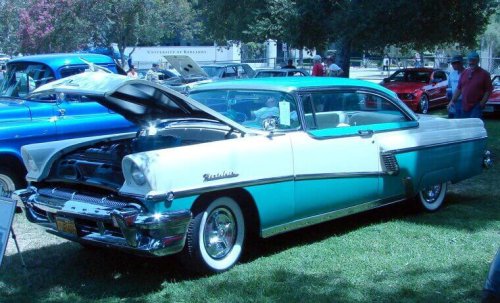





























11 Iconic Car Designs That Defined Their DecadesAn iconic car design is far harder to arrive at than you might think. You can try as hard as you might want, workshopping functions and design cues with your staff, but you won't arrive at an iconic design. When manufacturers set out to make a new car, they aren't thinking of defining an era of automotive history. Instead, they're focusing on customer needs and quality, at least when looking at Lean or Six Sigma. For the 11 cars featured in today's list, they've ended up transcending just normal automotive trappings, becoming a part of the history and fabric of society.1920s: Ford Model TBy the start of the 1920s, the Ford Model T had already been in production for well over a decade. That said, the 1920s marked a notable cultural shift for most of the world: cars were finally affordable. So, while the Model T was largely out of fashion compared to the innovations in Europe, the simple, utilitarian design was emblematic of a world that was soon going to embrace the automobile to its fullest.1930s: Chrysler AirflowAerodynamics is commonplace in automotive design, but very few manufacturers were doing it in the 1930s. The Airflow was produced from 1934 to 1937 and looks wildly different compared to contemporary vehicles of the era. The sleek design also calls to mind Art Deco, a prevailing visual design language that permeated throughout the late 1920s and 1930s. While the Airflow ultimately failed commercially, it presaged some notable trends in automotive manufacturing for years to come. 1940s: Cistalia 202 GTNot many of the designs featured on today's list would appear in a museum of art. Cistalia was founded in the immediate aftermath of World War 2 in Italy. The Cistalia 202 GT was one of their flagship vehicles and ended up ushering in a new era of automotive manufacturing. Much of the design language and visual flair of the 202 GT heavily influenced the car industry across North America and Europe. You can find a pristine example of the 202 GT these days at the Museum of Modern Art in New York. 1950s: Chevrolet Bel AirThe post-war boom for the United States is seen as a period of opulence, technological innovation, and the pursuit of greater goals like the Space Race. The Bel Air somehow encompasses all of these elements into one iconic design. The chrome accents, swooping tail fins, and unusual two-tone paint scheme aren't just emblematic of the United States after World War 2, it's certified Americana. 1960s: Jaguar E-TypeThere was a notable shift in the decades as the 1950s gave way to the 1960s. The sleek aesthetics, raw performance, and affordability of the Jaguar E-Type paved the way for the decade. The mod stylings of the early 1960s are certainly reflected in the 1961 debut of the E-Type, a vehicle even Enzo Ferrari claimed to be "the most beautiful car ever made." European luxury cars were on the rise, and the prosperity of the 1960s made the E-Type informed the design language of European and American cars for years to come. 1970s: Lamborghini CountachAutomotive design changed forever with the launch of the Countach. While we often think of the 1970s as the heyday of American muscle cars, Italian sports cars looked forward to the future. The Countach is marked by its aggressive design, the brutal angular appearance of the car giving way to the iconic scissor doors. The Countach is the 1970s distilled into a high-performance, luxury car. 1980s: DMC DeLoreanSure, we can point to the likes of Back to the Future for why the DeLorean is so iconic. However, that's selling it short. The DeLorean DMC-12 wasn't a great car by any means, lacking performance and ultimately plagued by John DeLorean's problems, which impacted public perception. When looking back through recent history, few vehicles stand out as instantly 1980s as the DeLorean. A mix of heady futurism, excess, and the iconic stainless steel finish is a crystallization of the 1980s in the United States.1990s: Mazda MX-5 MiataBy the dawn of the 1990s, the automotive industry was changing. Cars were getting heavier, more complex, and more like a chore to drive for a daily commute. The introduction of the MX-5 from Mazda called to mind a simpler time. The little convertible coupe is a celebration of automotive history, while also being a thoroughly modern vehicle for its time. The small sports car would take off again in the United States throughout the 1990s, with notable examples from Toyota, Honda, and other manufacturers emerging as the decade wore on. 2000s: Audi TTAudi made a splash with the TT. While debuting in 1998, it became emblematic of the trends guiding the automotive industry in the early 2000s. The stark, minimalist design was heavily inspired by the Bauhaus movement. Sleek, symmetrical lines curving into the iconic "pebble" aesthetic made the TT a guiding force in automotive design for years to come. 2010s: Tesla Model SAfter decades of failed starts and speculation, the first commercially viable electric car was launched. The Tesla Model S ushered in the current trend of EVs, and the design language on display is very much a part of the 2010s. Sleek minimalism is married with software functionality, a clear departure from traditional automotive design. The Model S didn't just define the 2010s, but it has informed the EV industry as a whole. 2020s: Rivian R1TThe current decade isn't over just yet, but there's at least one clear contender for a defining vehicle. The Rivian R1T is decidedly modern, blending the utility of a traditional pickup truck with a refined, modern visual flair. It isn't a gas-guzzling truck by any measure. Instead, it relies on advanced tech to be one of the top electric pickups on the market today. If the 2020s are defined by sustainability, vehicles like the R1T are blazing the path forward.