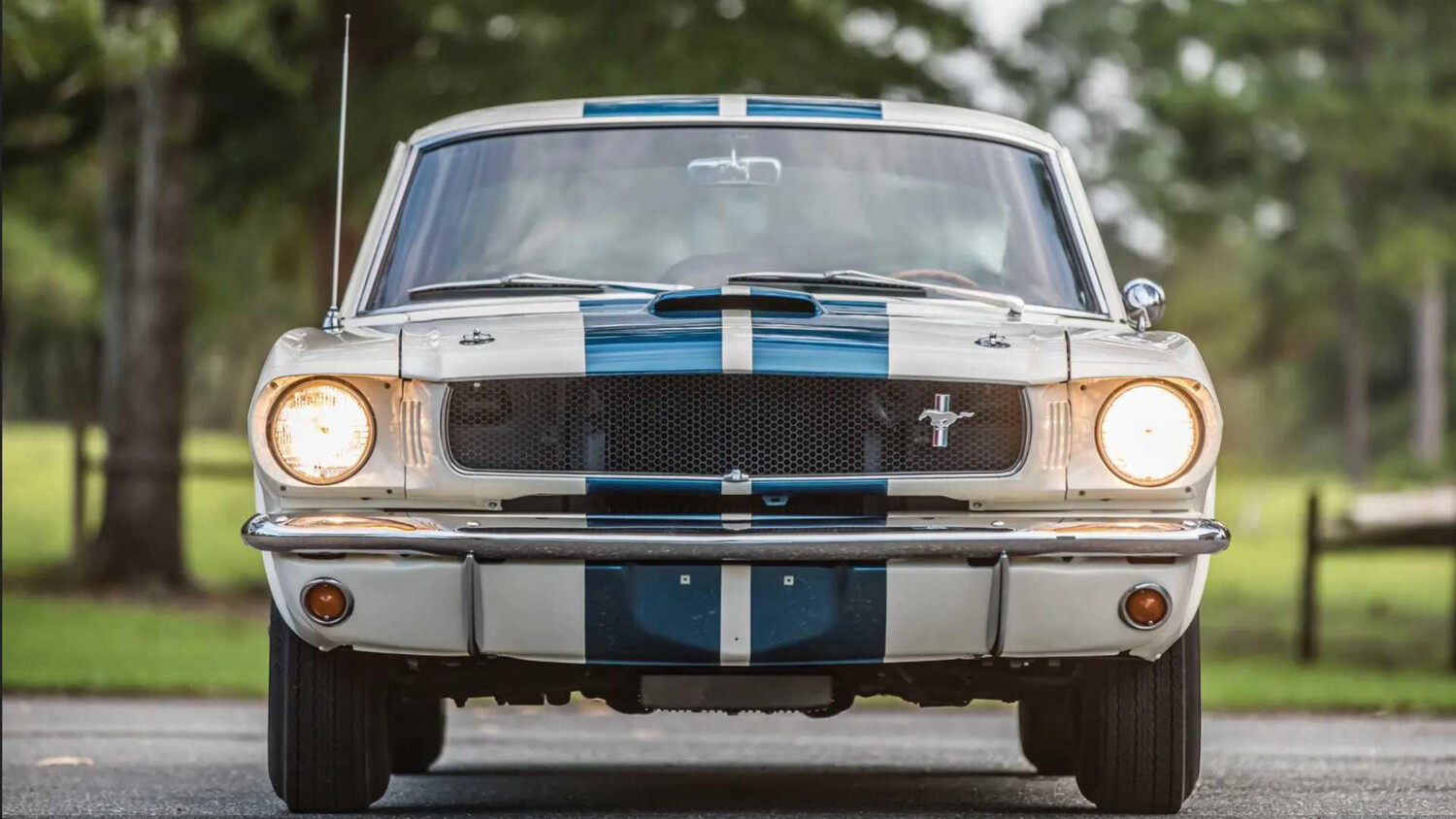
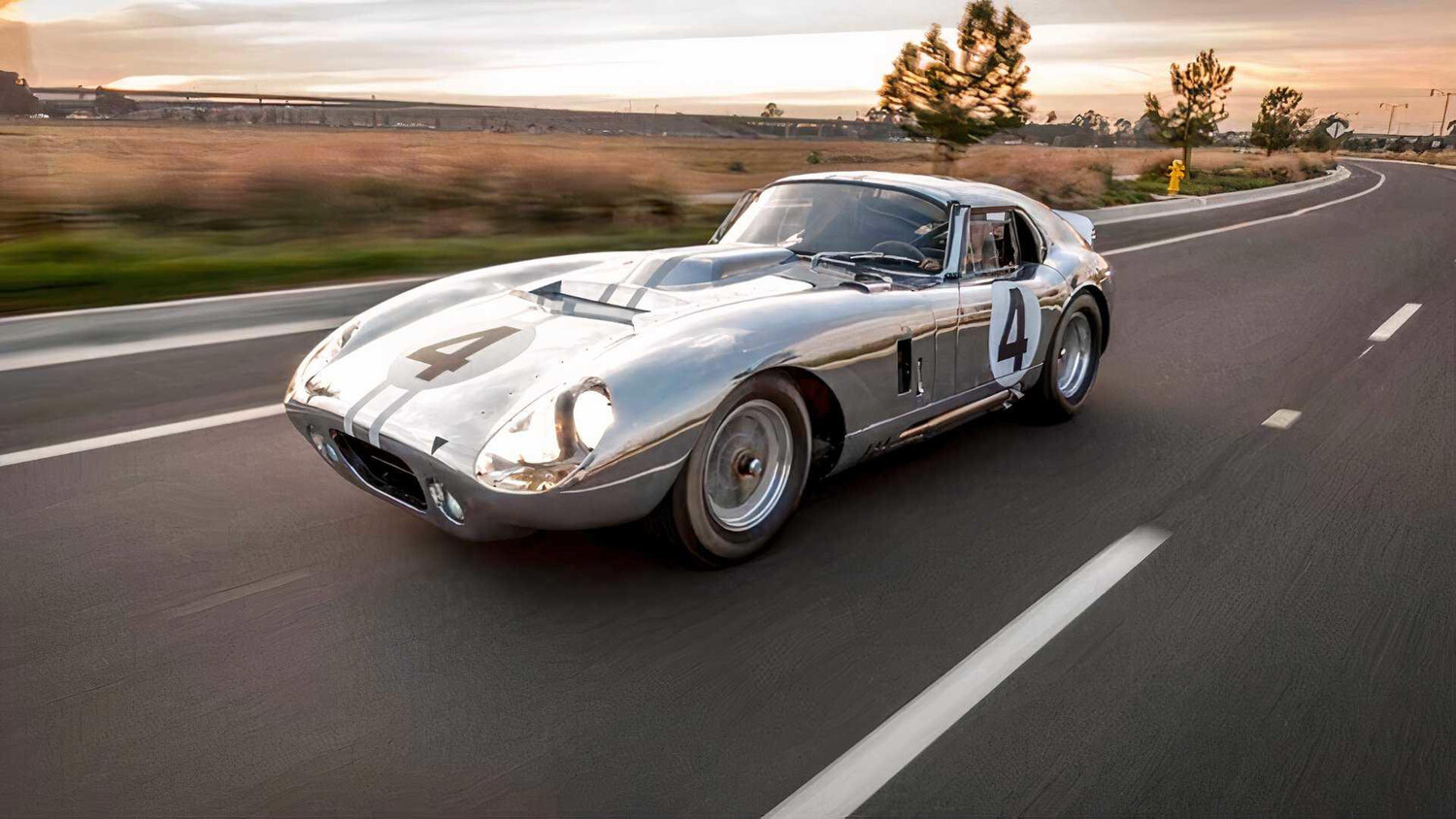
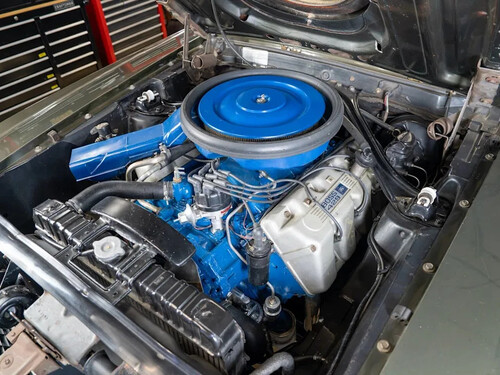
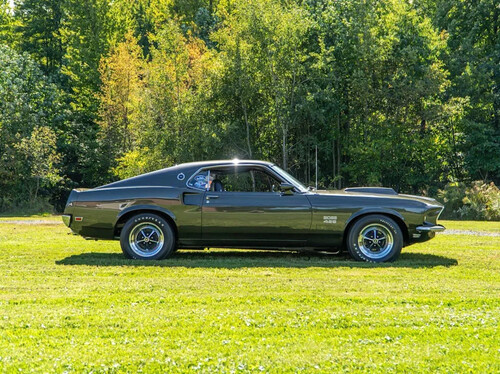
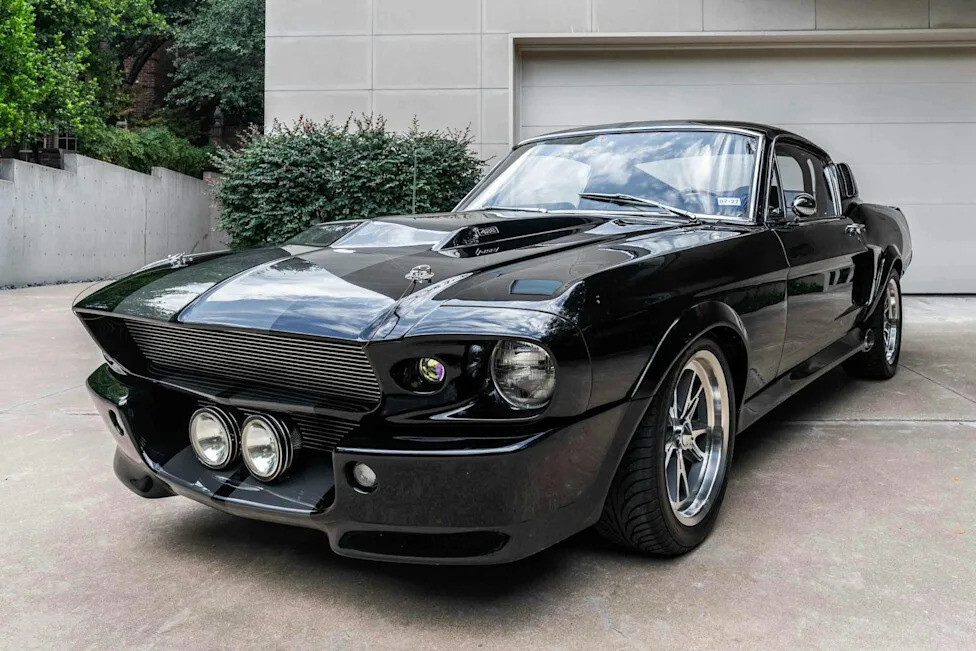
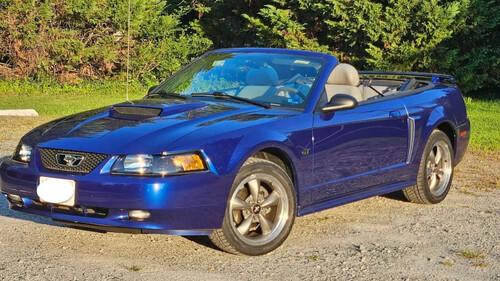
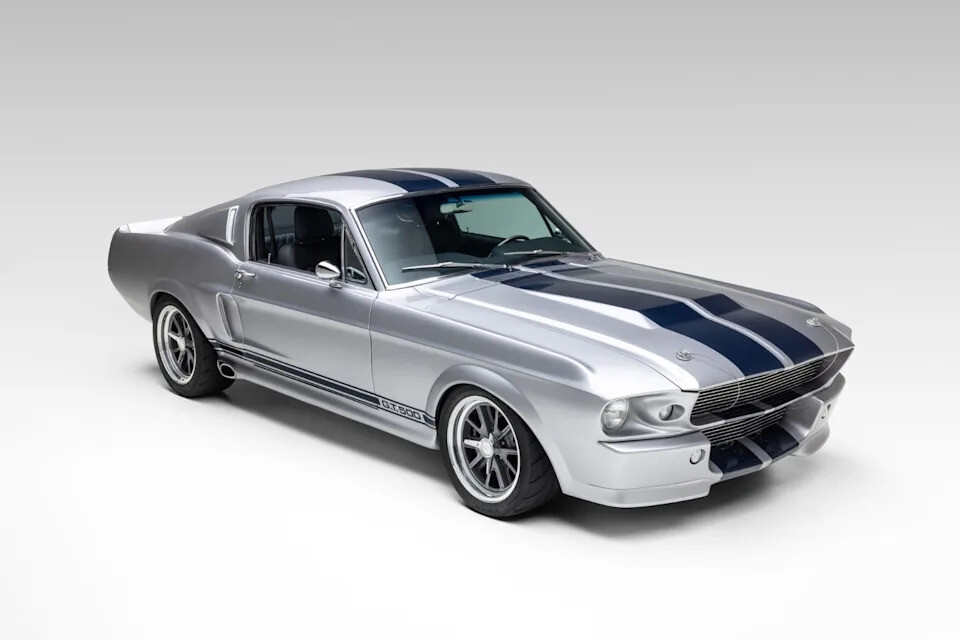
Jump LinksThe K-Code 289 HiPoThe Shelby GT350The Shelby Daytona CoupeThe Ford XR Falcon GTSometimes, there comes an engine that just makes everything it's slotted into an instant classic; examples include the 2JZ, the K20, the W12, and the list goes on. One of these engines is the Ford 289, a small block V8 so rich with racing heritage that it helped make the livelihood of one of the most famous automotive icons of all time. It might not provide close to the power you'd find in a modern Ford Mustang Dark Horse, but it's a legend from its own time. In this article, we will look at the development of the Ford 289, its engine specs, and what cars made were graced to have the 289 V8 powering them. The Development Of The Ford 289 RM Sotheby's Before the 289, there was the 260. This engine was a 90-degree V8 that was first seen in the Ford Fairlane. For its time, the engine line in the 260 were fuel-efficient small block V8s, and while not the most performance-oriented, they were even used in the early Ford Mustang.The Ford 289 V8 launched in April 1963. It was a 4.7-liter replacement for the smaller 260 'Challenger' V8 that had nothing to do with the Dodge of the same name. It weighed in at around 506 lbs, and had an 8.7:1 compression ratio. The early 289 was not a monster of a motor, coming in a two-barrel carburetor configuration, making 195 hp at 4,400 rpm and 285 lb-ft at 2,200 rpm. This was at a time when manufacturers measured horsepower with an engine on a stand, with no accessories, so realistically, the output numbers were most likely lower. While the base configuration of this engine was nothing too crazy, Ford would turn up the heat in its subsequent variants. Ford 289 Specs And Different Versions Dream GiveawayThe 289 was a work horse engine for Ford in the sense that it was all things to all people. In Mexico, some versions of this engine would even be used in the F-100. The bread-and-butter variant of the 289 was that 195-hp variant we spoke about previously, but there were many spicier versions on offer. A year after it launched, the D-Code variant of the 289 was created. This slightly more performance-orientated version used a four-barrel carburetor and 9.0:1 compression to make 210 hp at 4,400 rpm and 300 lb-ft at 2,800 rpm. It was an optional package for the 1965 Ford Mustang, with its D-Code name coming from the VIN, which showed the letter if the package was optioned.The C-Code was a later variant made to be more of an update than a full performance version. It was basically the base two-barrel 289 with its compression ratio raised to 9.3:1, increasing power to 200 hp at 4,400 rpm and torque to 282 lb-ft at 2,400 rpm. It was a slight bump for the base motor, but in a twist, an update in 1968 saw the power drop back to 195 hp for the standard version.Moving up the performance rung again, the A-Code used a four-barrel and 10.0:1 compression, raising output to 225 hp at 4,800 rpm and 305 lb-ft at 3,200 rpm. It was a fine engine, and was used to great effect in the Ford Falcon abroad, but it is not the famous 289. The next version of this engine is what gives it that legendary factor we spoke about. The K-Code 289 HiPo Mecum AuctionsThe K-Code 289 is one of Ford's all-time great engines. It is synonymous with racing pedigree and the Carroll Shelby name, so what makes it so special? The 289 HiPo came out in 1963, initially for the mid-trim Ford Fairlane. It was the most powerful variant of the 289 with solid valve lifters, more aggressive cam timing; 10.5:1 compression; a dual point centrifugal advance distributor, low-restriction exhaust manifolds; and a bigger 595 CFM carburetor. The bottom end of the HiPo also saw improvements with larger main bearing caps and crankshaft balancer, larger-diameter rod bolts, a crankshaft made from 80% nodular iron, double that used in the other variants. All these modifications meant that with a four-barrel carb, the HiPo could make 271 bhp at 6,000 rpm and 312 lb-ft at 3,400 rpm. All in all, around 25,000 K-code 289s were manufactured at Cleveland Engine Plant between 1963 and 1967. The Legends Powered By The Ford 289 The Shelby GT350 RM Sotheby'sWhile most know the Shelby GT500 and the modern GT350, the genius of the Shelby Mustang began with the 1965 Shelby GT350, powered by a modified 289. The 289 was available in the regular Mustang as well, but when Carroll Shelby took the engine and added special exhaust headers, an aluminum intake manifold, a larger four-barrel Holley 715 CFM carburetor, and a larger oil pan, he made a monster in the process. The new performance parts meant a new hood design, giving way to the 'Cobra hi-riser' scoop that gave the GT350 its aggressive look. The GT350 was a dominant force in the SCCA’s B-Production road racing class, helped in no small part by its engine. The Shelby Daytona Coupe Hillbank Motor CorporationThe other famous Shelby racer to use this engine, the Daytona is probably the most extreme application of the 289. Legally considered a historically important national treasure by the US government, it needs no introduction. It made around 390 hp and was a stunningly dominant race car in its day, winning the 24 Hours of Le Mans in 1964 and 1965, and the 1965 Nürburgring 1000 km, just to name a few. It went head-to-head with the Ferrari 250 GTO, and stands as one of the greatest American race cars ever made, rubbing shoulders with the Ford GT40 and Corvette C.5/6/7 Series of race cars. The Ford XR Falcon GT FordProving that not all good things that used the 289 had to be a Shelby, the Ford XR Falcon GT was the birth of a new type of car in Australia, bringing a mass-produced muscle car to the masses. It was one of the first times in Australia where a V8 was offered for all markets, with it traditionally reserved for more premium models. It used the 225 bhp 289 A-Code, and was heralded as Australia's first muscle car. All expect a few XR Falcon GTs were painted GT Bronze given sports suspension, unique sports seats and stiffer shock absorbers. A total of 596 were built, making it one of the rarest of the Aussie muscle cars. The XR GT proved its worth winning the Bathurst 500 in 1967. The Ford 289's Legacy Ford The 289 was a motorsport monster, dominating the racing scene and creating some of the most iconic American racing cars in the process. It also went onto become another very famous engine. In 1968, the 289 was enlarged to create the ever present Ford 302. Versions of the 302 lasted until 2002 and featured in the enthusiast favorite, the Fox Body Mustang. The 289 HiPo is a big dollar motor if still in its original car. A K-Code equipped, non-Shelby Mustang demands huge premiums over the non-K cars.Sources: Ford