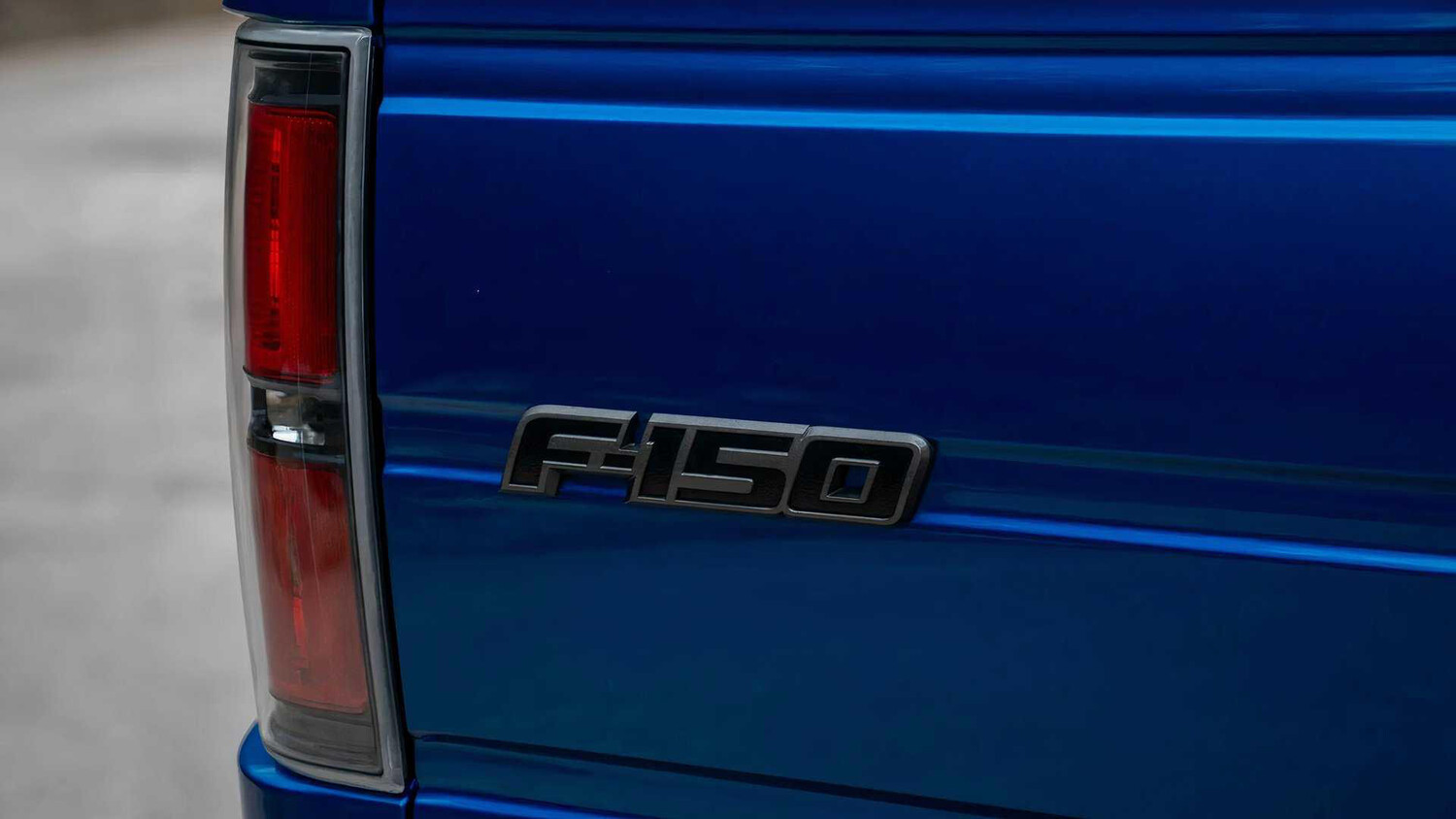
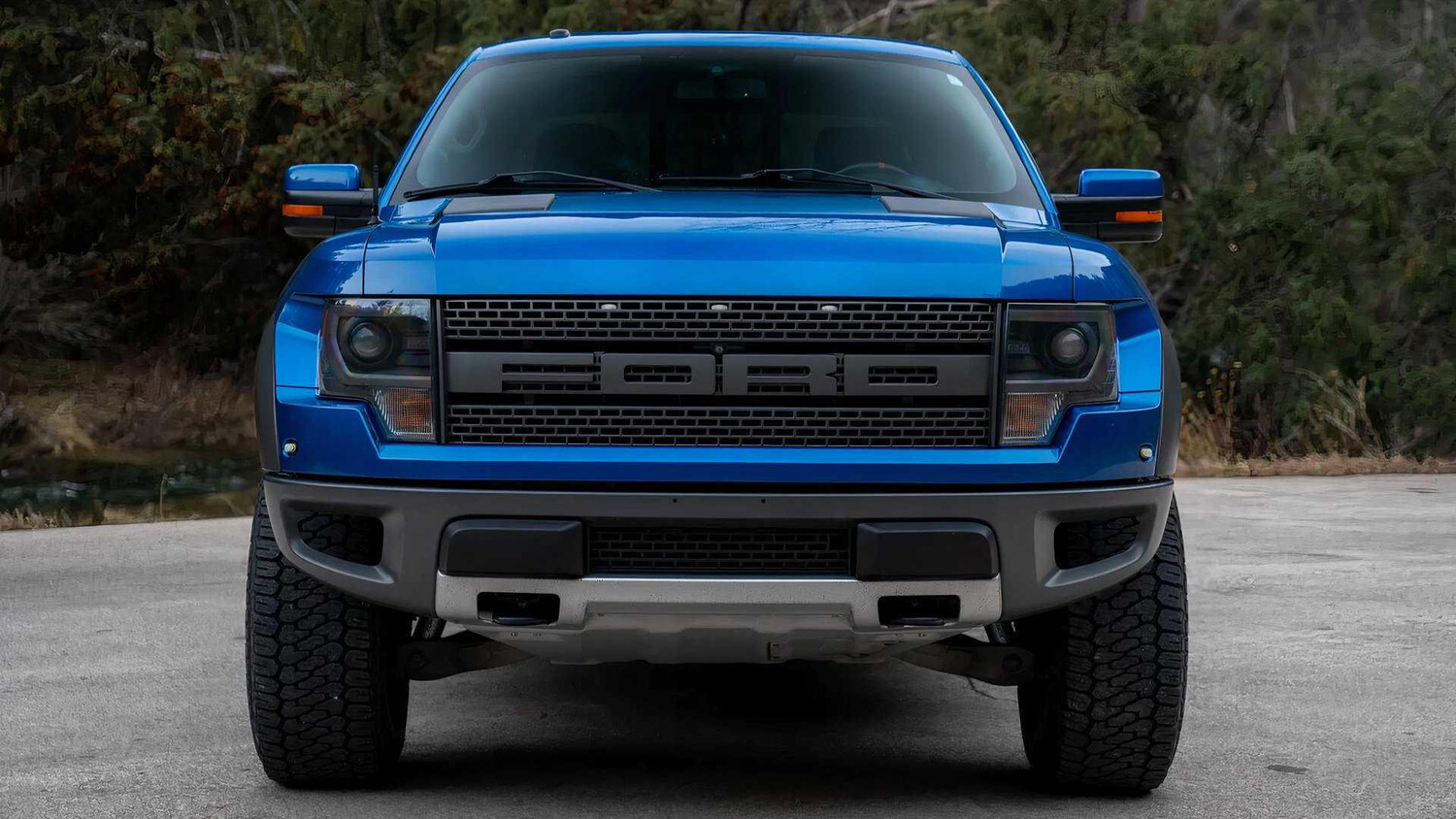
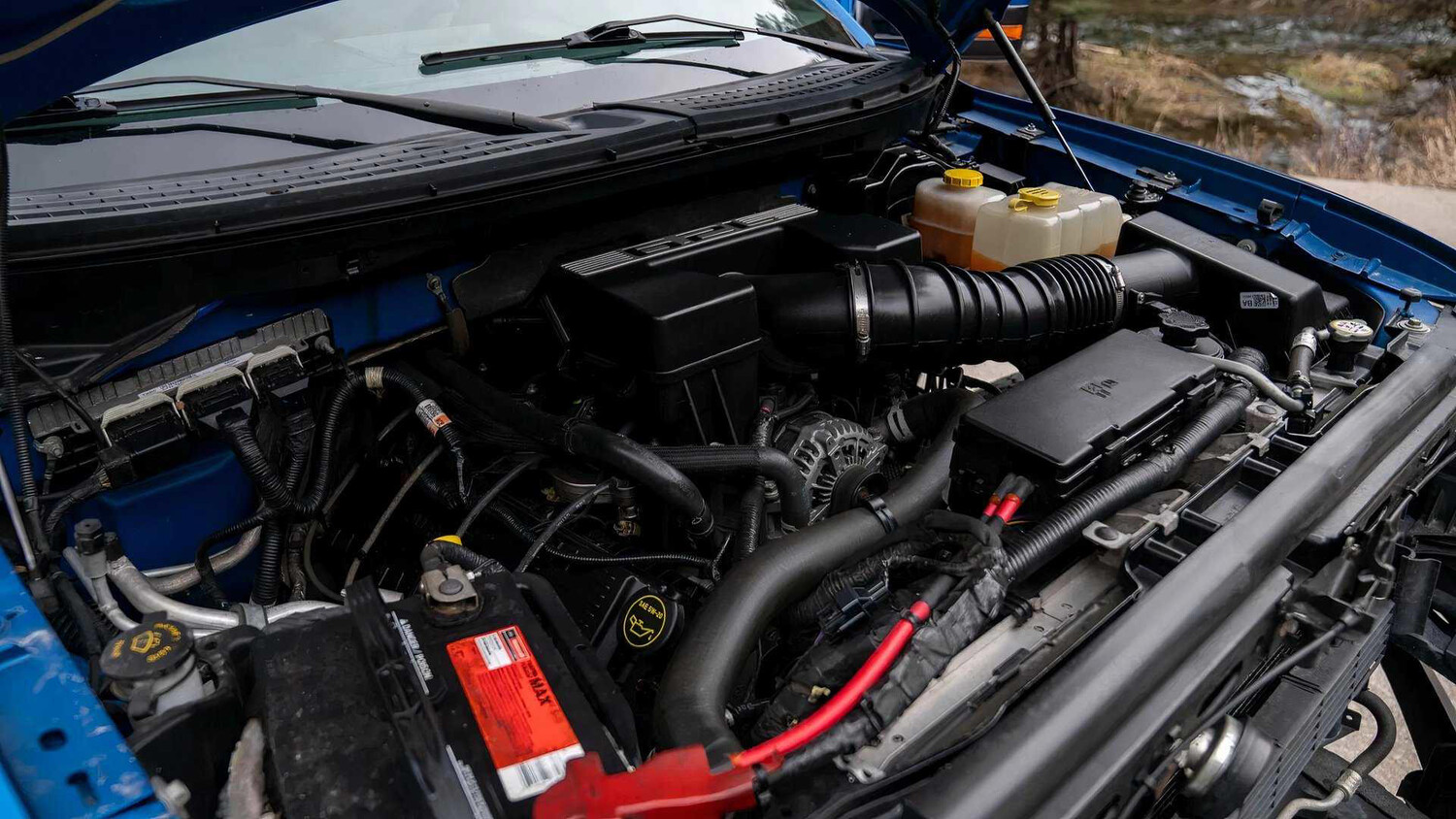
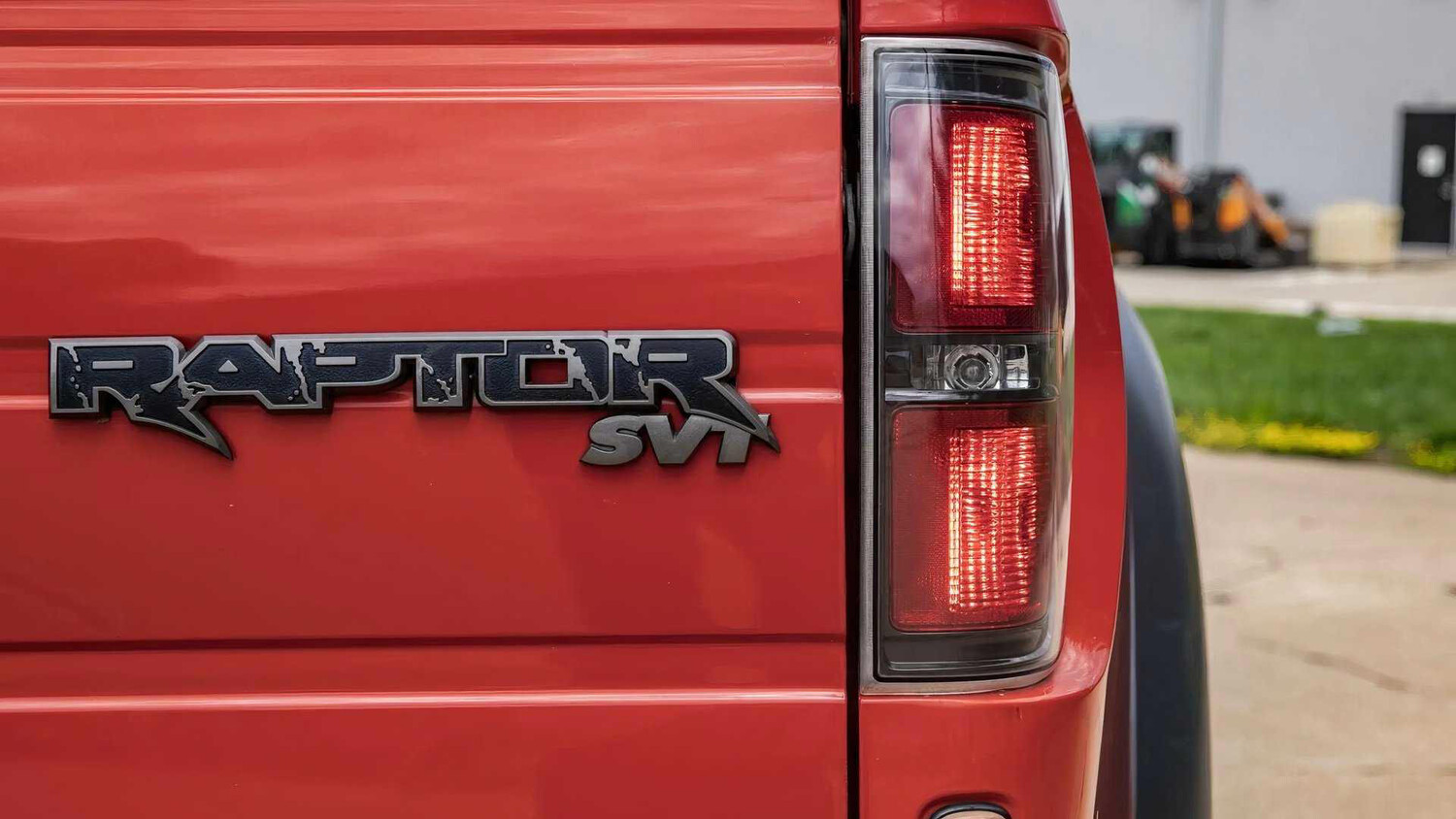
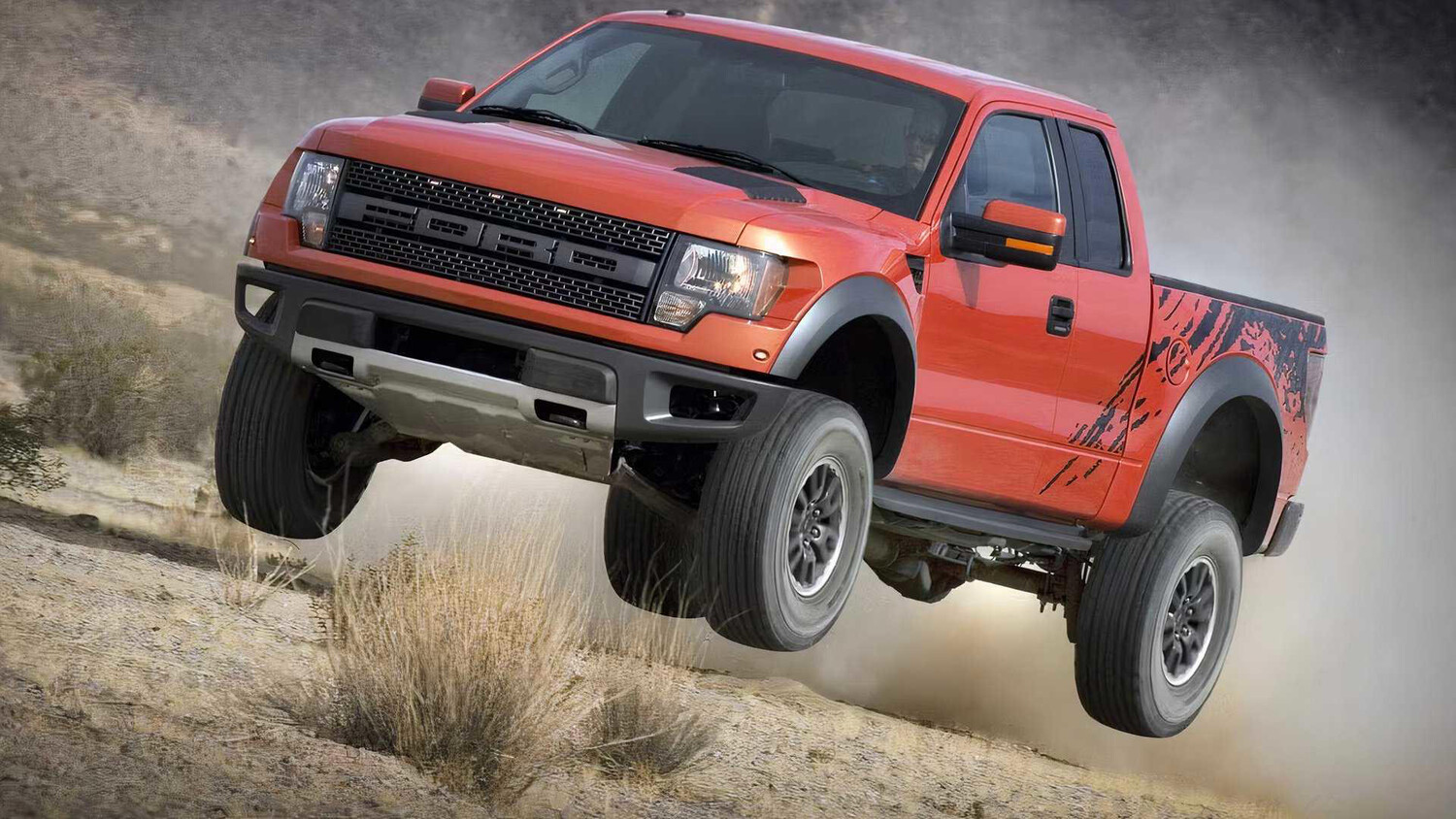
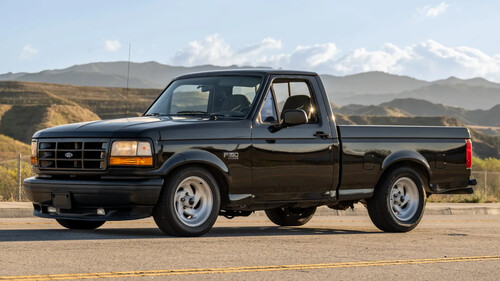
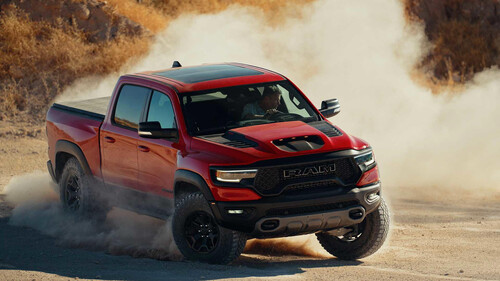
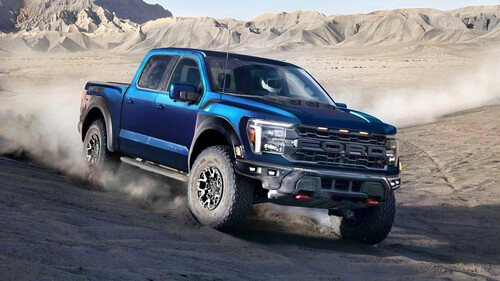
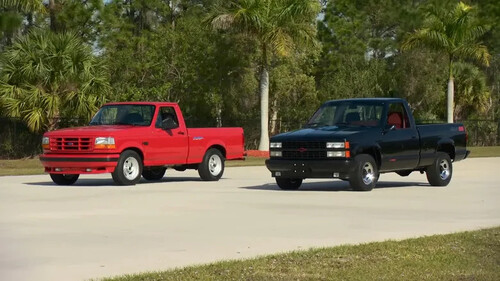
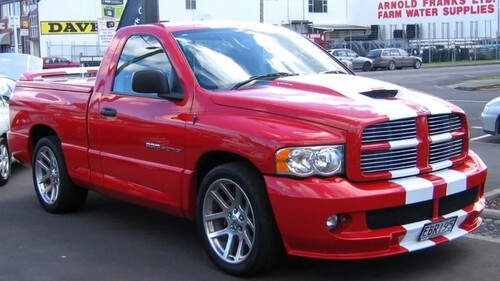
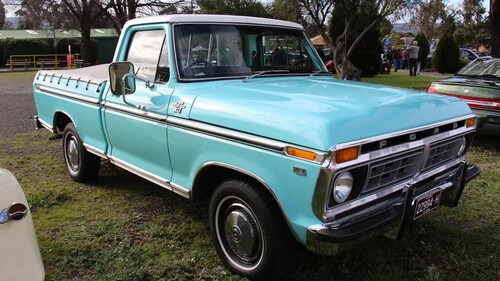
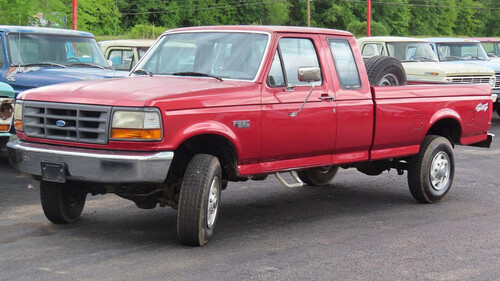
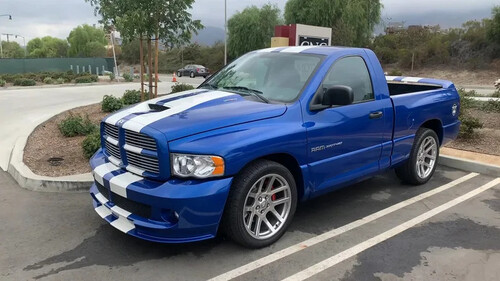
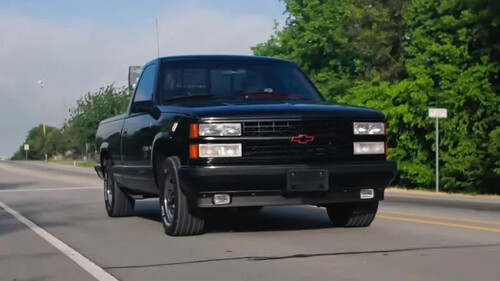
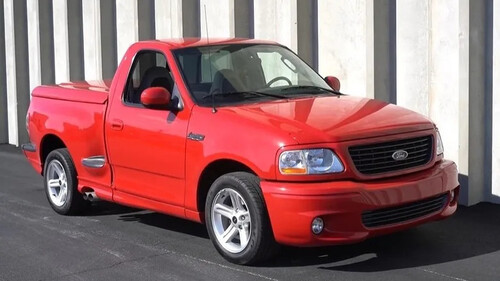
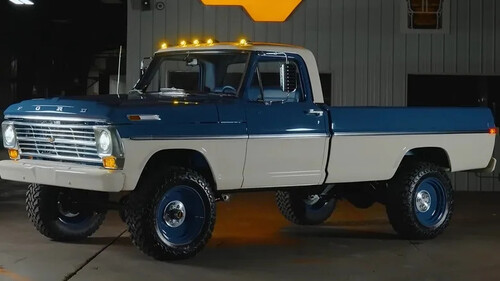
The Statue of Liberty, Hollywood, the B-52 bomber, and the Ford Mustang all helped to define the US. Arguably more important, though, is Ford's F-Series trucks, specifically the F-150. Spanning a staggering 14 generations since its introduction in 1948, it’s been America’s best-selling truck for 47 consecutive years and its best-selling vehicle of all time with over 43 million sold.Part of its sales phenomenon was due to performance versions, which kick-started a certain flavor of F-150 off-road enthusiasts wors today. Its cult following has gained noticeable momentum in recent years, moving it towards future classic status as it nears its 20th birthday. So what made the F-150 a success for America? Why The F-150 Became America's Truck, And What Was Missing Bring a Trailer The key to the F-150's success story is a combination of brand loyalty, innovation, versatility, luxurious feel, and heavy-duty utility. It outclassed its competition from Dodge and Chevrolet thanks to its superior towing capacity, best-in-class payload, and more versatile engine lineup. But a fast version of the F-150 was missing. This was until 1993, when the company launched its first high-performance F-150, the SVT Lightning, under Ford's SVT performance arm. A First For The F-Series Bring a Trailer When the SVT Lightning F-150 launched in '93 for the ninth-generation truck, it brought performance into a new market segment for Ford. Although it was far from being the first performance truck to be introduced to the US, it gained interest and generated a following. Its main rivals at the time were Chevy's 454SS and GMC's '91 Syclone that earned the title of being the fastest production truck of its time.The second generation SVT Lightning arrived in 1999. It featured a 5.4-liter supercharged V8 that developed up to 380 horsepower and was the same architecture used to power the tribute comeback that was the Ford GT in 2004. Over 28,000 second-generation Lightnings were produced since '99, but in 2004, Ford axed it when the standard F-150 crossed over into the 11th generation in the same year.Performance F-150s, it seemed, were gone. But then Ford decided to secretly plan something even more ambitious, revisiting the concept only four years later. Raptor's Birth: Taking The Fast F-150 Into A New Era Bring a Trailer Factory, performance F-150s were about to make a comeback in 2010. Only now the ‘Lightning’ successor wore the new ‘Raptor’ brand name, after those faithful friends from the Jurassic era and the stars of the Jurassic Park / World franchise. Being a newcomer brand, it had some serious work to do to win over buyers of the old Lightning as well as bring in new buyers to performance trucks. Using the 12th-generation F-150 as a base and built under SVT, the Raptor was optimized for off-road performance, unlike its predecessors' on-road focus. Built for when the going gets tough Bring a TrailerWhen launched, the Raptor was available with two different V8 engines which were both mated to Ford’s six-speed 6R80 auto box. Initially, Ford’s 5.4L Triton V8 powered the 320 hp truck to a top speed of 100 mph, which doesn’t sound like much, but don’t forget, the engine was designed for low-end torque to allow the truck to dominate off the road – with its specialized, Baja-inspired off-road suspension, as opposed to high-speed runs on the tarmac. First-Gen SVT Raptor Specs The speed was also restricted for the truck’s stability and safety. There was also the optional 6.2L Boss V8 with 411 hp which was available at the time of the Raptor’s launch in 2010, which became the sole, standard unit powering the range from 2011 to 2014.Aside from the usual advanced driver aids such as stability control and traction control, hill decent control and individual driving modes were offered to support drivers in the harshest of environments. Despite weighting nearly three tons, the truck could sprint to 60 mph in under nine seconds with either engine, and the 35-inch-diameter tires helped put the power down on whatever surface got in its way, making it perfect for hunting raptors in the jungle or wet-weather storm chasing on the weekend. From One Truck To A Global Success Bring a Trailer It became a significant success in showrooms, exceeding sales expectations, with production increasing from two to five trucks built per hour to meet demand in 2013. The Raptor's success was also due to having the market largely to itself, with Dodge and Chevrolet having nothing worthy performance-wise in their portfolios to compete with.Over 75,000 first generation Raptors were built, leading to the successful brand continuing into follow-up generations. In 2014, Ford grouped all its individual performance brands – FPV, SVT, ST and RS – into Ford Performance, a new global division, which in 2025 was again re-branded to Ford Racing. As a consequence of the grouping, ‘SVT’ was dropped for the second-generation Raptor in favor of the then-new, unified ‘Ford Performance’ branding. It became one of the core models to feature in the re-branding debut. When the second-generation F-150 Raptor arrived, Ford also applied the Raptor badge to the performance version of its Ranger. Today, the Raptor name is worn on the F-150, Ranger and now the Bronco.Currently, the F-150 Raptor is in its third generation, with both Chevrolet and Dodge presenting their own versions to eat away its sales, but the star which brought the Raptor brand to where it is today has largely been forgotten. Thanks to this, used prices are at a low. But its growing cult status and re-sale values are turning the Raptor into a potential future classic. Cult Classic Hero: F-150 Raptor Bring a Trailer The first generation Raptor’s incredible off-road performance was inspired by the Baja 1000, desert racing, designed to test trucks’ high speed and durability. Ford engineered it to tackle the 1,000-mile endurance test which racers competing in the sport faced. It also represented the last “analog” era for performance off-road trucks, which is yet to be followed.Apart from today's Raptor-R, it was the only Raptor to feature a V8 that was naturally aspirated before the range moved to turbocharged V6 EcoBoost units for the subsequent generations. Its race-derived capabilities from Baja racing also gave it the edge off-road. Their high-endurance capabilities also made them the ideal camera tracking vehicles for off-road pursuits during film productions, filming in rough, off-road environments at high speed. This, teamed with its impactful styling, it was the first to wear the 'F-O-R-D' grille instead of the blue oval, means its cult following will soon be turning into a modern classic.Bring a Trailer Trucks from the 2010 era will be approaching 20 years old in 2030, making them the perfect used buys to purchase now as their values have fallen towards the bottom of the used value curve, albeit with maybe a few more years to go here and there. As it stands, first-gen Raptor values have fallen to well below $20,000 in the classifieds on the usual used car supermarket sites like Autotrader and Edmunds. We came across two silver SuperCrew extended cab versions, one registered in 2012 and the other in 2013, with under 200,000 miles and no accidents recorded for $17,000–$18,000. If you're looking for a future classic to invest in now, this period is the best to go for as it's anticipated their values will start to climb within a few years and follow suit of those from the 90s and 00s.Trucks from these eras are making solid ground as future classics, often appearing in classic car exhibitions/shows, like the Lightning’s GMC and Chevy rivals mentioned earlier. One similarly-inspired truck to the Raptor was Dodge’s performance Ram SRT-10, unveiled in the 00s, which ended production four years before the Raptor launched. Prices for them in recent years have shot to over $50,000 and the likelihood is, they’ll keep climbing year-on-year.CoPilot says Raptor SVTs are predicted to go up to between $30,000 and $45,000 in the next four to five years due to a combination of the 6.2L V8, its off-road focused suspension and its attraction towards off-road enthusiasts. Its specialized market positioning is said to hold up to 25% better value than the standard F-150, making it a worthwhile investment, and able to join some of the biggest Ford F-Series names in the classic scene. Ford F-Series Trucks On Their Way To The Big League FordOnce the Raptor gets into classic status, it will comfortably sit alongside the rising appeal of classic Ford trucks, including the Lightning models. Right now, those supercharged street trucks are seeing a surge in auction re-sales on their way from future classics to the full whammy of American classic royalty. Their performance, limited availability, and often red bodies have made them a must-have truck to feature in collections, similar to its closest rivals from Chevrolet and GMC. It's logical the SVT Raptor will follow it in the same footsteps in the classic scene, and probably more so due to its off-road maneuverability. So get yours now while you still can.