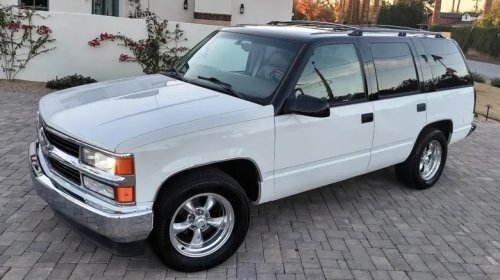
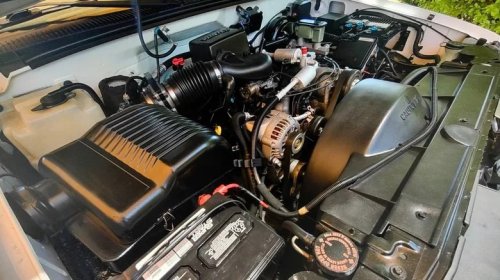
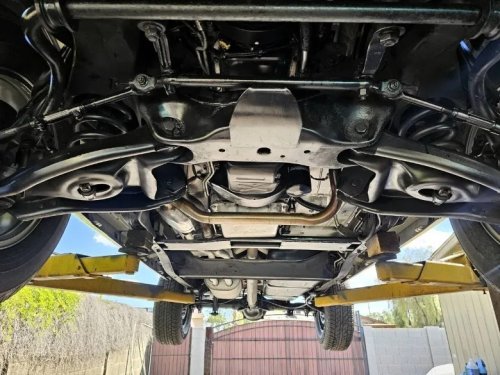
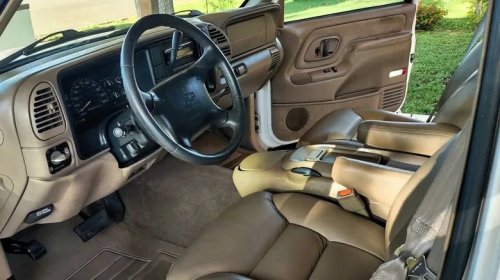
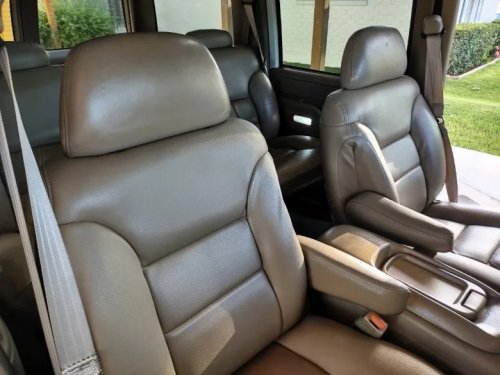
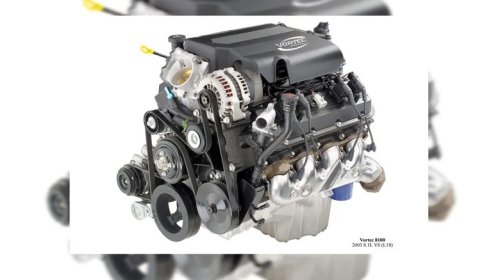
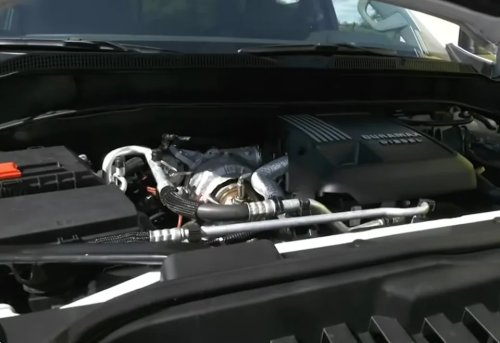
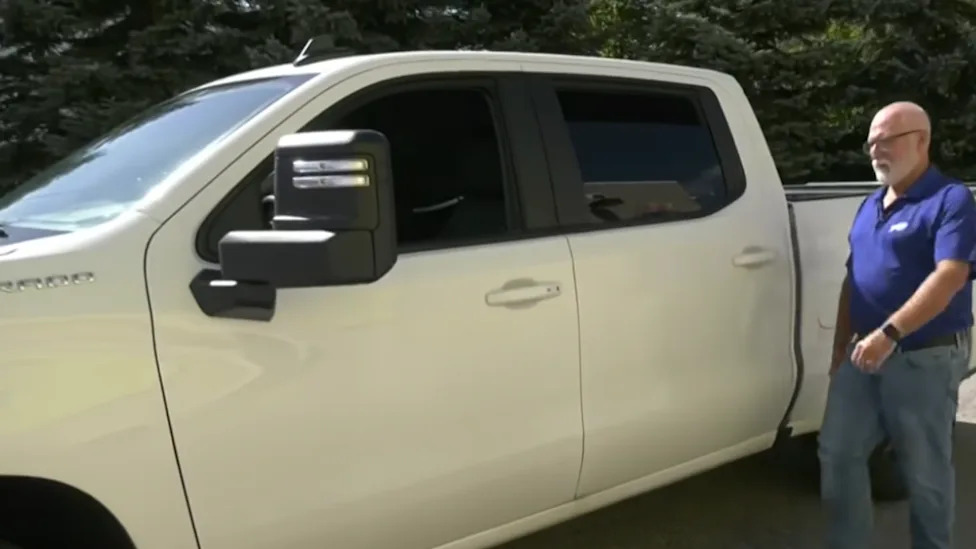
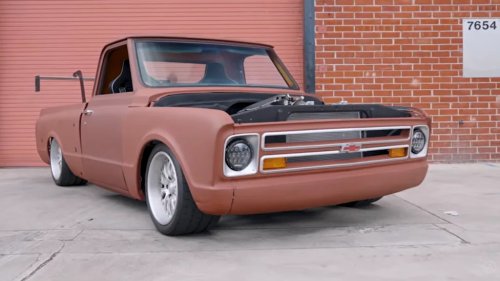
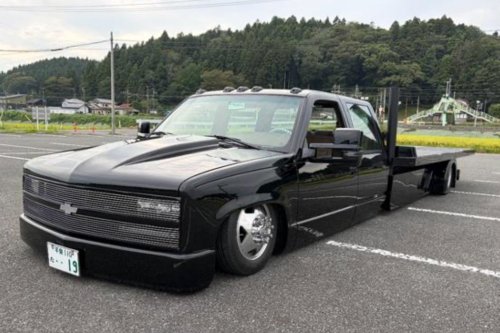
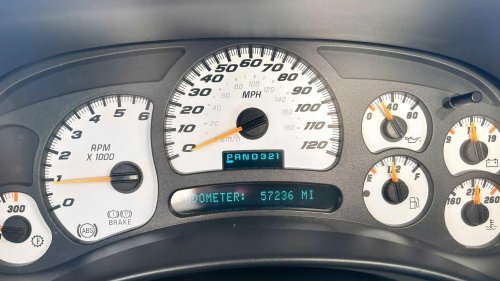
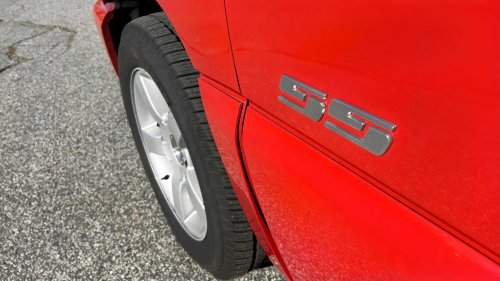
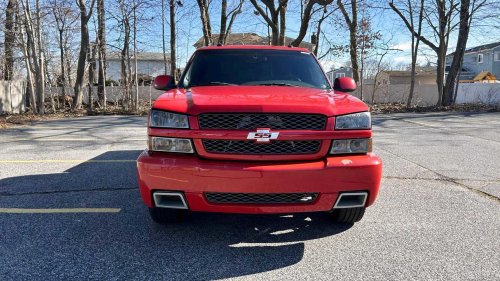
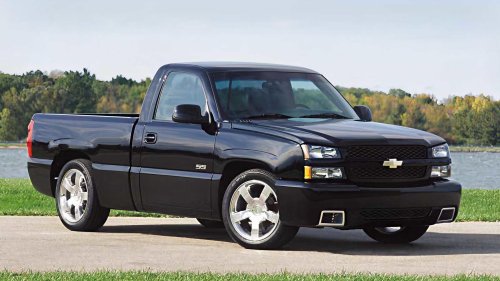
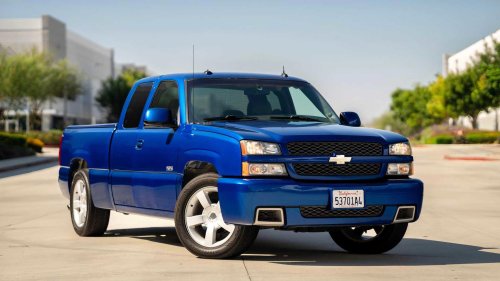
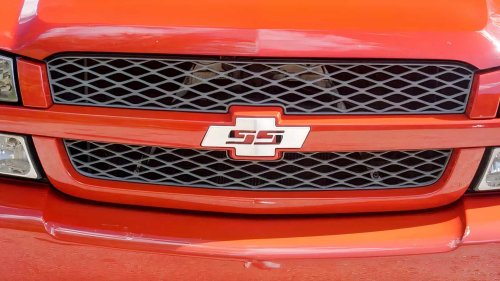
Street trucks once made perfect sense because they gave pickup buyers a little menace without asking them to give up the bed, the cab, or daily usefulness. Then the segment faded, unfortunately, leaving today’s truck world split between luxury haulers, off-road toys, and heavy-duty bragging rights.That’s a shame, really, because the best street trucks never needed to act like sports cars with tailgates. They worked because they took the pickup formula people already liked and added stance, torque, grip, and just enough attitude to make a grocery run feel like a warm-up lap. Street Trucks Lost Their Lane Too Soon FordModern full-size pickups are extremely capable, no doubt, but a lot of them have also become very serious machines. Some are luxury lounges with beds, while others are desert-running off-roaders with enough suspension travel to make a motocross bike blush. Others exist mainly to tow, haul, and remind the neighbors that their driveway is technically underpowered.Again, all useful, but somewhere along the way, the simple street truck got squeezed out. This might come under attack, but the old formula was cleaner. Take a regular pickup, give it more power, lower the stance, add better wheels, tighten the body control, and leave the useful parts alone. It didn’t need to set lap records or climb a boulder field. It only needed to feel quicker, sharper, and cooler than the truck parked beside it. Different Kind Of Charm Bring A TrailerThat kind of truck also had a different kind of charm. It could still haul furniture, drag home parts, carry friends, and survive daily use, but it had a little mischief baked in. It was the kind of vehicle that made sense to someone who wanted a V8, a usable bed, and a reason to take the long way home.The problem is that the segment slowly drifted toward extremes. Street performance gave way to off-road packages and expensive appearance trims, while actual road-focused pickups became rare. That left a gap big enough to park a crew cab in. Chevy Knew A Pickup Could Be Fast And Useful Bring A TrailerChevrolet already had the right base to build from. The GMT800 Chevrolet Silverado was strong, familiar, and properly trucklike, with the kind of everyday durability that made it a common sight everywhere from job sites to suburban driveways. It didn’t need to be reinvented or sharpened.The trick was restraint. A proper street truck couldn’t feel like a sticker package with a louder exhaust, but it also couldn’t abandon the things that made a Silverado useful in the first place. The hardware had to matter, the stance had to be right and the power had to feel meaningful. Most of all, it had to seem like Chevy actually understood why buyers liked performance trucks.Chevy’s answer followed a refreshingly direct path: V8 power, automatic transmission, full-size comfort, a planted stance, 20-inch wheels, and an all-weather drivetrain setup that made it more usable than some of its wilder rivals. All in, it had enough street presence to look special, but it never forgot it was still a pickup. The GMT800 Silverado SS Got The Formula Right Bring A TrailerThe Chevrolet Silverado SS was the truck that pulled the whole idea together. It used a 6.0-liter LQ9 V8 rated at 345 horsepower and 380 lb-ft of torque, paired with a heavy-duty 4L65-E four-speed automatic. That engine was related to the Vortec 6.0-liter used in the Cadillac Escalade lineup, which gave the SS a nice bit of premium-grade muscle without turning it into a science project.The numbers still land well today because they came in a 5,240-pound extended-cab pickup. It ran from 0-60 mph in 6.3 seconds and covered the quarter-mile in 14.8 seconds at 90 mph. That’s quick enough, especially in a truck from the early 2000s that still had a proper bed, room for five, and the frontal area of a small garden shed.Its full-time four-wheel-drive system made the SS feel different from the tire-smoking performance trucks people usually remember first. Torque was split 38/62 front to rear under normal conditions, with a viscous limited-slip center differential and a locking rear differential helping put the power down. In plain English, it hooked up instead of just turning rubber into smoke.The look was right, too. The SS wore body-color trim, a lower stance, 20-inch aluminum wheels, and a cleaner, meaner take on the GMT800 body. It didn’t need fake vents or comic-book aggression. It looked like a factory street truck, which is exactly why it's aged better than so many overwrought performance trims. It Drove Like A Truck That Had Been Taught Manners ChevroletThe Silverado SS still drove like a truck, and that’s part of the appeal. Nobody was going to confuse it with a Chevrolet Corvette after the first expansion joint. It had size, weight, and a live rear axle, and rough pavement could remind you that this thing started life as a workhorse.Even then, the details made a difference. The Z60 performance suspension lowered the front by nearly an inch and the rear by two inches, reportedly giving the truck a stronger stance and better body control. The SS also had 12.0-inch vented front discs and 12.8-inch vented rear discs on early four-wheel-drive models, and it could stop from 70 mph in 185 feet. For a full-size pickup of that era, that was properly sorted. Enough Theater To Feel Special Bring A TrailerThe steering and grip weren’t sports-car sharp, but the truck had a sense of composure that made it feel more expensive and more intentional than a standard Silverado. Inside, the SS stayed familiar but added enough theater to feel special. Leather bucket seats, white-face gauges, SS details, and a roomy extended-cab layout gave it the right mix of comfort and attitude. It was easy to daily, easy to like, and just immature enough to keep things fun. Rock Solid Years Later Bring a Trailer The Silverado SS also makes more sense now because the market's started to recognize what it was. First-gen Silverado sales data shows an average value of about $20,000, with a top sale of $55,000. That broad spread says plenty about how varied Silverado values can be, but it also shows how desirable clean, special examples have become. Simpler Pleasures Bring A TrailerThe SS sits in the sweet spot because it offers a factory performance identity without becoming too fragile or too exotic to enjoy. It has the right engine, stance, badge, and enough usability to avoid becoming a garage ornament. You can still understand it immediately, which is more than can be said for some modern performance trucks that seem to need a press conference and a suspension diagram.Its strongest quality is balance. It was quick without being ridiculous, useful without being dull, and stylish without looking like it lost a fight with an accessories catalog. The GMT800 Silverado SS belonged to a simpler time, but we daresay it could prove mighty useful and appealing today, too.Sources: GM Authority, GMT Central, Car & Driver.



















 +76 others