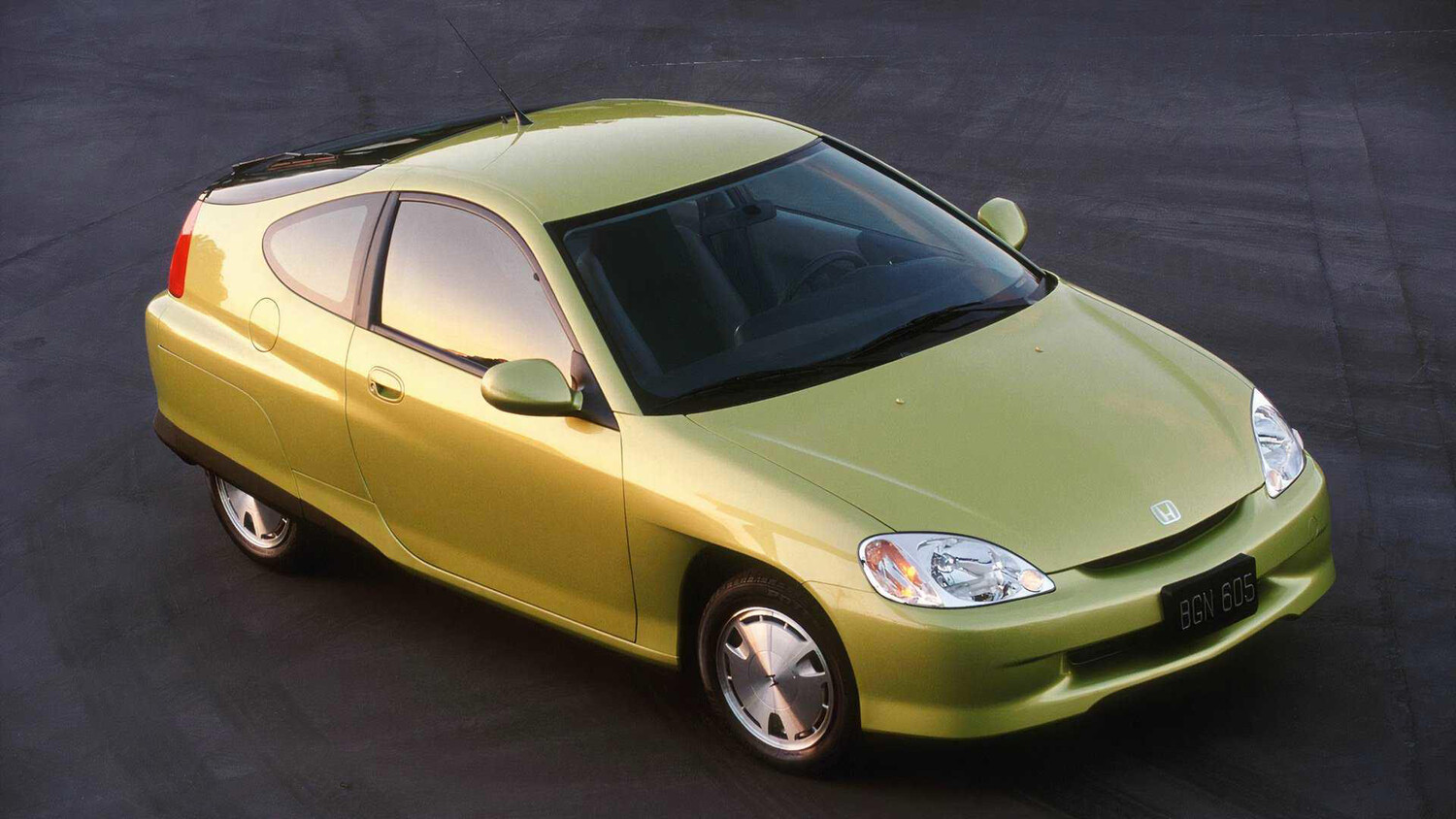
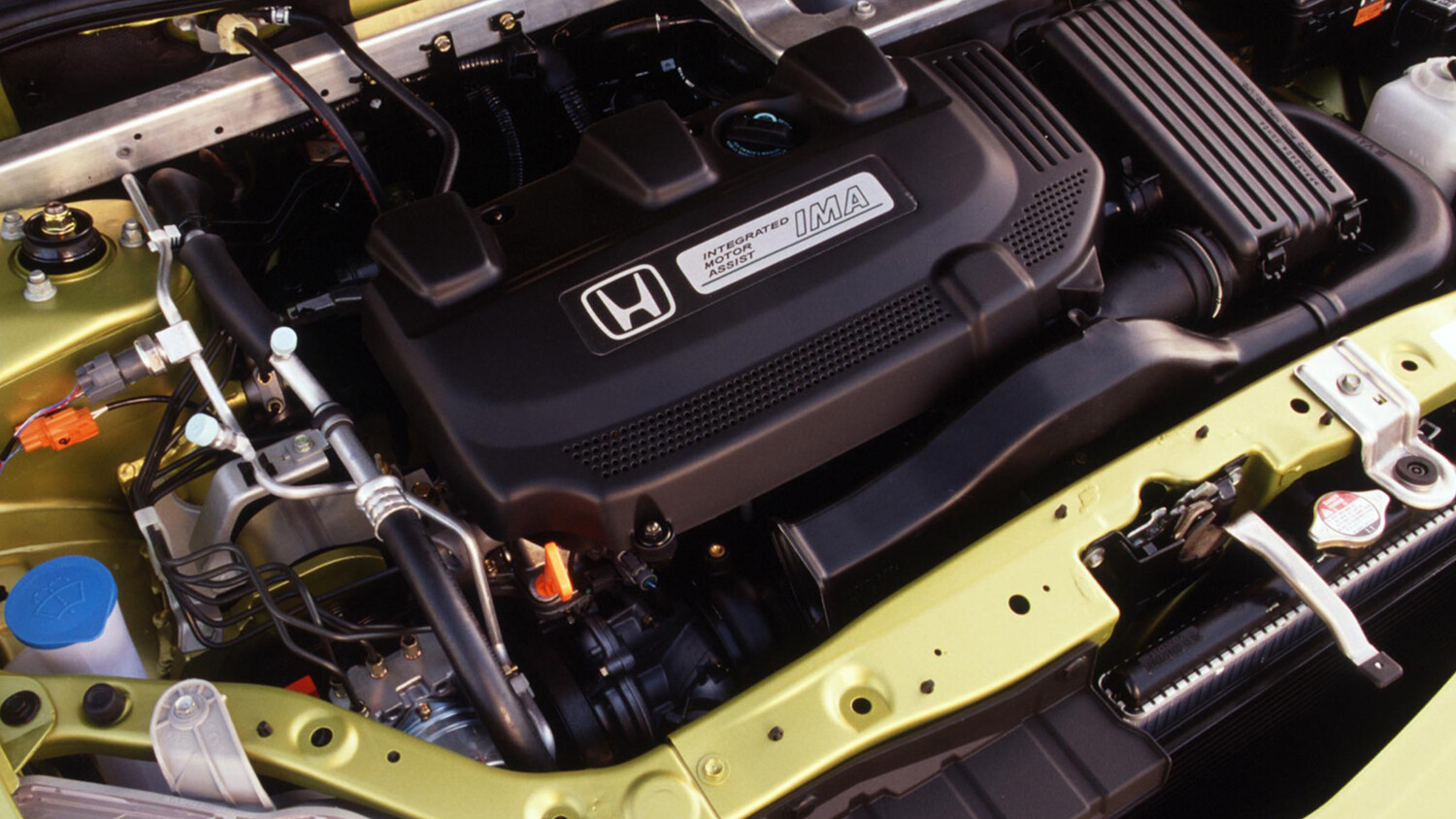
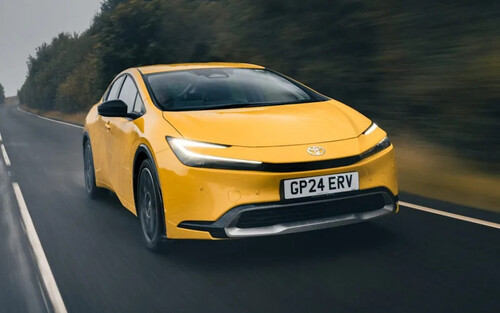
If you've been wondering how best to navigate the current state of gas prices across the US, which could take a while to shake itself out, then opting for some form of hybrid arguably provides the best compromise. Full electric vehicles allow you to top up using your home power supply, though the restrictive range of most used models means that unless you can restrict your journeys to less than 150 miles in one sitting, you could be in trouble.Hybrids offer plenty more range on average, and can also be picked up for cheap if you go for something like an old Toyota Prius. The thing is, they're a little dull for the most part, so those who want to feel something when they glance at their wheeled companion may fancy an alternative. Fortunately, the Prius' Honda Insight rival is on hand to make this dream a reality. The Insight Can't Match The Prius' Power Output, But It Makes Up For It In Other Ways Honda While the Prius ultimately became the mouthpiece of the hybrid revolution, the Insight was the first to plant its flag in the industry. Honda's challenger arrived in US dealers seven months before the Prius, making it the first mass-produced hybrid car to be sold Stateside. Determined to show off its engineering prowess, the focus for Honda's engineers was clear; the Insight had to be as fuel efficient as humanly possible. It used a naturally aspirated 1.0-liter inline-three engine as the basis for its powertrain, with the unit joined by a single electric motor that afforded it a healthy boost. It was by no means a power juggernaut, with its combined horsepower rated at just 73.Honda's engineers made up for this lack of grunt by keeping the Insight as light as possible, with its chassis and most of its body panels crafted from aluminum to help with this. Additionally, much of the car's cabin fixtures were made from plastic, which further helped keep the fat off. As a result, the Insight tipped the scales at a slender 1,847 lbs, just shy of 1,000 lbs lighter than the Prius. This meant it could reach 60 mph around two seconds faster than the Toyota.The engine's power is channeled through the front wheels via a five-speed manual gearbox, though a single-speed CVT transmission option was added for the 2002 model year. The latter unit may have provided an easier drive, but you'd better be prepared to throw away around 10 MPG on average. The Insight Is Vastly More Efficient Than The Prius Honda Alongside being quicker than the Prius, Honda's hybrid hero is also superior when it comes to sipping gas. While the Toyota manages an average MPG of 48, you can expect to achieve around 65 MPG on average behind the wheel of the Insight. Its smaller and less powerful engine, combined with its lighter weight figure, goes a long way to creating the Honda's clear advantage in this regard, though its styling is also a key factor.Not only does it look cooler and more futuristic than the Toyota – making it the more aesthetically interesting option of the two – but that sleek styling affords it a superior drag coefficient of 0.25. The Prius can only muster a 0.29 drag coefficient figure, which means it doesn't cut through the air as cleanly. The result of this is that the engine has to work harder to ensure the car gathers speed, which uses extra gas. Used Insights Are Also Very Cheap Honda All sounds great, right? Well, handily, first-generation Insights can also be picked up on the used market for peanuts. They weren't exactly extortionate when they were new in 2000, thanks to an $18,500 base MSRP, which translates to around $35k in today's money, but depreciation means you can pick up a tidy example in 2026 for less than $10k. If you don't mind running a high-mileage example, you can spend around $6,000 to get one with well north of 100,000 miles on the clock in fair condition, and with a coveted clean title.High-milers in better shape will cost you up to $10k generally, while cars with less than 100k on the odometer can be secured between $10k and $15k. Lesser-traveled Insights have retained their value so solidly due to how dependable the first-gen Insight has proven so far, as well as the fact that they're pretty rare. Just over 14,000 Insights were sold in the US between 1999 and 2006, whereas Toyota was offloading north of 100,000 of its Prius' every year by the time the Insight was carted off to retirement. The Insight may have been quicker, more efficient and more interesting aesthetically versus the Prius, but it had a key drawback. The Insight Isn't As Practical As Its Hybrid Rival Honda Ultimately, the Insight was only really useful for those who led sheltered lives. Honda elected to make it a two-seater only, which meant those with larger families or bigger friendship groups found life tough living with the car. By comparison, the sedan-styled Prius provided seating for five, and also provided a solidly roomy trunk area. While the Insight had 16.8 cubic feet to play with, the Prius offered 16.1 cubic feet of room, all the while boasting a whole extra row of seating. That said, you couldn't fold the rear seats of the first-gen Prius down, meaning that was as good as it got.The larger Prius does provide more legroom up front for its occupants though, as well as a comfortable amount of space for rear passengers. The extra versatility proved to be a winning factor for the Prius in the US, despite costing around a grand more than the Insight. You Get A Solid Amount Of Base Equipment Honda While the Insight falls down when it comes to versatility, it does at least come with a decent number of features as standard. Automatic climate control and supportive bucket seats are included at base cost, as are power mirrors and a remote entry system. You also get traction control and ABS as standard, elements that ensure it still cuts it as a modern-feeling daily driver despite its advancing age. Additionally, the Insight should also prove a loyal servant as long as you maintain it properly. A Looked-After Insight Can Cover Over 200,000 Miles Without Issue Honda Being a Honda, the Insight suffers from very few consistent issues, though there are a few things to bear in mind. The main sticking point regards its nickel-metal battery pack, a design that is drastically less durable than the lithium-ion batteries used in modern electric cars. They only last around 10 years before needing replacement, whereas lithium setups can keep working for north of two decades. They cost around $2k to replace, so make sure to check when the battery pack was last changed on any Insight you check out.The synchro for second gear on the five-speed manual also has a tendency to fail over time, so make sure you cycle through the transmission thoroughly when inspecting the vehicle. A transmission rebuild will cost you over $1,000, so making sure the unit is functioning properly will save you a chunk of cash. Other than these issues, the Insight is solid, with some examples able to reach upwards of one million miles.It may lack the overall versatility of the similarly aged Prius, but the Insight is at least as reliable, arguably looks better, and is also more efficient, not to mention faster. If you're after a cheap city runabout and don't intend to get involved in any carpooling schemes anytime soon, the Insight could be the perfect alternative should the Prius fail to stir your soul.Sources: Honda.