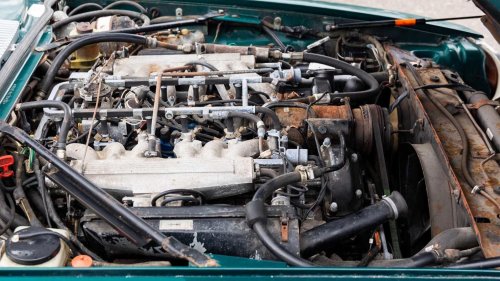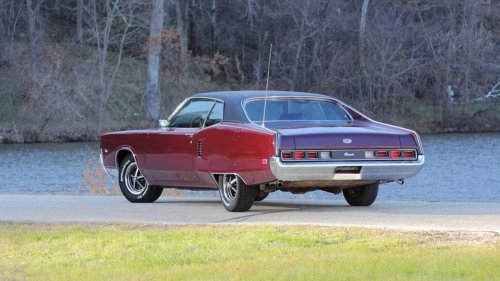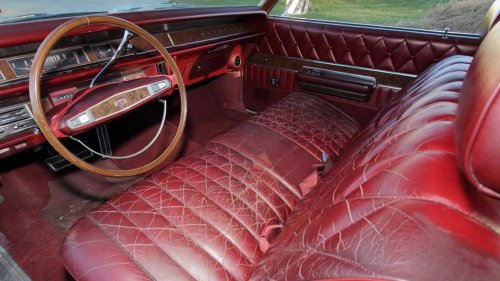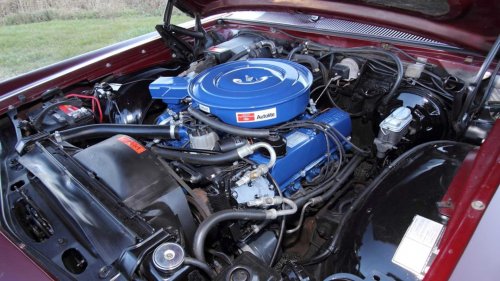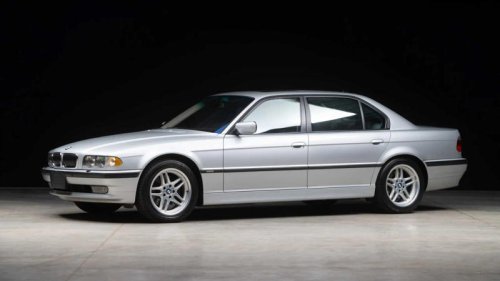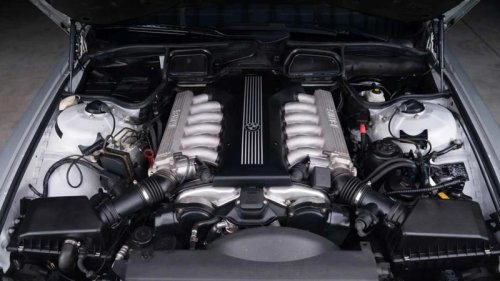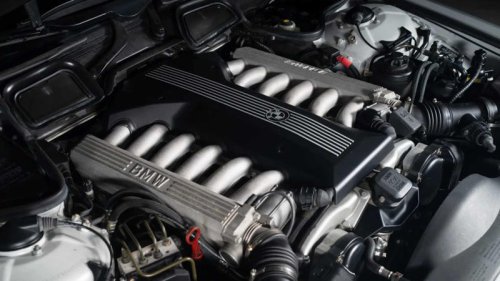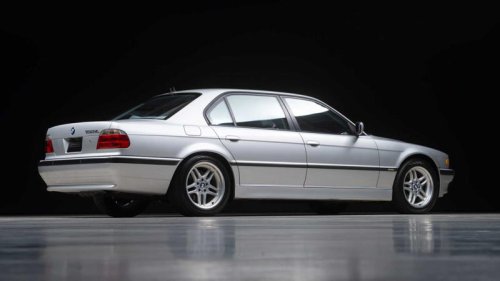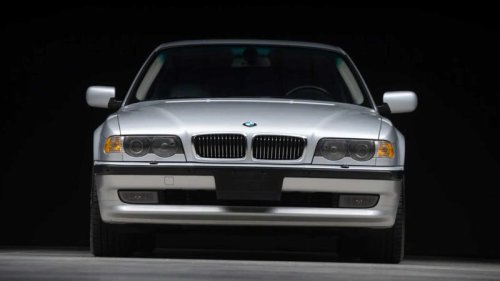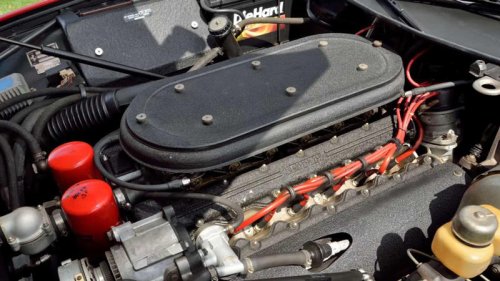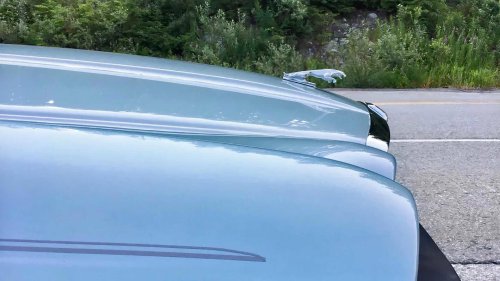
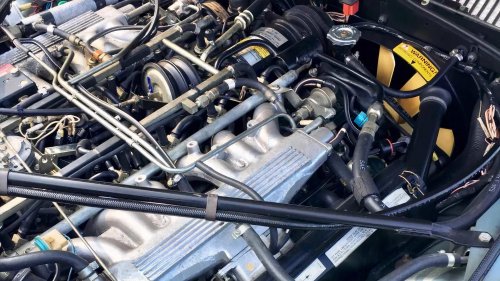
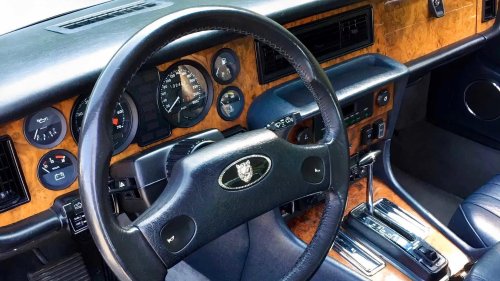
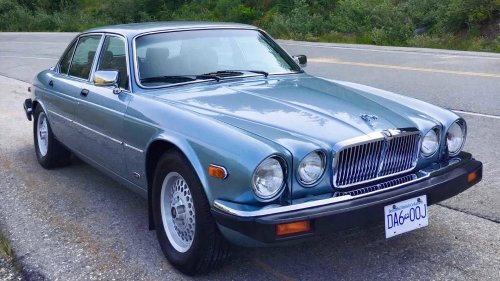
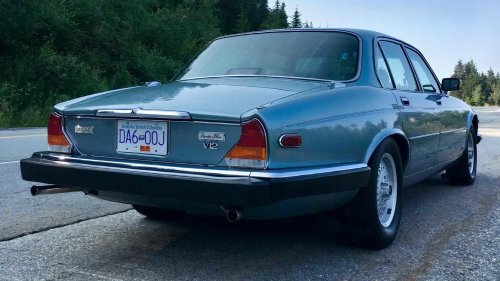
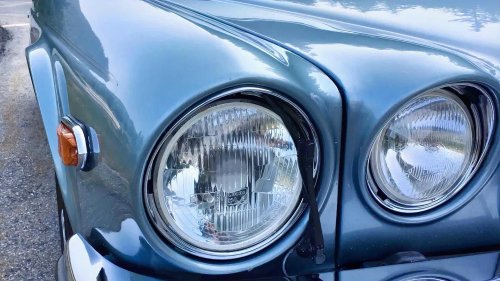



















Few cars manage to stir up the same set of emotions as a V12. It’s the sort of engine layout that makes otherwise reasonable people start using phrases like 'mechanical poetry' and pretending fuel economy doesn’t exist. This particular one had the right badge, cylinder count, and the kind of cabin that made speed feel almost rude. For all intents and purposes, it should’ve aged into a future classic without much debate.Instead, it spent years loitering in the used car shadows, priced close enough to ordinary old sedans that buyers could talk themselves into one after a reckless evening on the classifieds. So how does a British flagship with twelve cylinders, old-money styling, and real engineering pedigree end up treated like a complicated weekend mistake? More importantly, are collectors starting to realize that the joke might be on everyone who ignored it? The V12 Luxury Sedan Everyone Forgot to Take Seriously Bring A TrailerA British flagship with a twelve-cylinder engine still lives in the same price neighborhood as plenty of ordinary used sedans, which feels a bit like finding a Savile Row suit in the clearance bin next to cargo shorts. The odd part is that the ingredients were never ordinary. This was a proper luxury sedan, built for people who expected silence, space, leather, polished wood, and the confidence of an engine configuration usually reserved for far more exotic cars.To be fair, the market's always had a strange relationship with old Jags. Everyone loves the idea of them, but the issues begin when buyers remember that romance still needs a cooling system, wiring, and a maintenance budget. That fear has kept many of these cars affordable for years, even when the spec sheet suggests otherwise. The V12 That Made Speed Feel Like Bad Manners Bring A TrailerJaguar’s V12 entered production in 1971 and stayed in Jaguar’s lineup until 1997, when the company built its last V12-engined car. Across that long run, Jaguar produced 161,583 V12-powered cars, and the engine served in sedans, grand tourers, and the E-Type.The engine started from a company that still believed engineering ambition was important, even when the market didn’t always reward it. The production version arrived as a 5.3-liter design with one overhead camshaft per bank and 272 bhp in early form. Could there have been a future where more luxury sedans had chased smoothness, character, and cylinder count instead of simply becoming faster appliances with bigger screens? Why Jaguar Chose Aristocratic Grace Over German Engineering Muscle Over the course of the car's life, Jag sharpened an already elegant sedan without losing the low, formal stance that made it look expensive from every angle. It just sat there with that long hood, slim roofline, and upright glasshouse, looking like it had somewhere better to be and didn’t need to explain itself. A Cabin That Made German Rivals Feel Like Business Hotels Bring A TrailerThe cabin was more of the same. Chrome, leather, wood, deep seats, and a hushed atmosphere gave it the presence expected from a true flagship. It was designed for long distances, hushed conversations, and the sort of driving where arriving calm mattered as much as anything.Mercedes-Benz and BMW chased their own versions of executive authority, and they did it brilliantly. The Mercedes 450SEL had the bank-vault thing down. The BMW 745i, meanwhile, brought turbocharged pace and Autobahn confidence. Jaguar, on the other hand, answered with grace, low noise, and a kind of aristocratic ease that made effort seem vulgar. Very British, in other words. The Series III Jaguar XJ12 Was One Of A Kind Bring A TrailerThe Series III Jaguar XJ12 still feels like Jag's most elegant answer to the German luxury establishment. It was updated for 1979 in line with the six-cylinder Series III cars and remained in production until 1992. It's a fascinating survivor, because most of the broader Series III family bowed out earlier, while the V12 variants carried the old-world torch a little longer.Under the hood was a 5.3-liter V12, and that engine defined the whole car. Early Series III XJ12s made about 280 hp, while the High Efficiency version that arrived in 1981 lifted output to 291 hp and improved fuel consumption. The output doesn't sound crazy by modern performance-sedan standards, but that'd be missing the point. The appeal was the way it moved, with a smooth, unhurried flow that made speed feel like a natural byproduct.Fuel injection had already arrived for Jaguar’s V12 in 1975, and the later HE cylinder heads helped the engine mature without sanding away its mechanical richness. What you got was a sedan that didn’t need to sound angry or lunge forward to feel special. It reportedly gathered pace with adeep reserve of torque and a silkiness that made ordinary six-cylinder luxury cars feel a size smaller. There’s a reason purists still get misty-eyed about this engine. Twelve cylinders have a way of making rational arguments look underdressed.It also had the kind of character that’s almost impossible to recreate now. No doubt, later luxury sedans became quicker, smarter, safer, and more electronic, which is what progress tends to do. But the XJ12 belongs to that older world where the engine was the centerpiece, the cabin was the ceremony, and the whole car seemed built around the idea that refinement should feel mechanical rather than programmed. The XJ12 Is More Than A Cheap Old Flagship Bring A TrailerUsable XJ12 examples still appear at a touch under $10,000 weirdly, and that’s where the car becomes dangerous in the best and worst ways. A cheap V12 Jaguar sounds like a dream until common sense taps you on the shoulder and asks whether you’ve priced parts, labor, and fuel lately. To quantify it better, on average, you're looking at about$978 on repair costs, which isn't insignificant.The broader Series III family was not rare in the usual sense, but the V12s carry the collector interest because they represent the top of the range. Roughly 10,500 Series III XJ12s were produced by spring 1989, giving them genuine scarcity compared with the more common six-cylinder cars. It's not unicorn production, clearly, but it’s enough to make good examples worth watching, especially because many old luxury sedans were used up, deferred, parked, or 'restored someday' into oblivion. Alt Thinking Bring A TrailerThis is certainly no prediction, but once buyers stop seeing these as cheap, old Jaguars and start seeing them as the final, proper expression of a V12 British sedan, the best cars will likely keep separating themselves from the rough ones. So if you're looking for Camry reliability but with a V12, look away, but a properly maintained example pays back the effort with a calm V12 soundtrack, relaxed torque, soft-riding comfort, and a cabin that still feels properly ceremonial.The Mercedes 450SEL and BMW 745i deserve their reputations, but the Series III XJ12 belongs in that conversation because it offered a very different answer to the same luxury sedan question. The Germans gave buyers authority, pace, and engineering discipline. Jaguar gave them atmosphere. It made the flagship sedan feel personal, indulgent, and slightly eccentric, which is exactly why it still speaks to the people who get it.Sources: RepairPal, Classic.com, Classic & Sports Car.