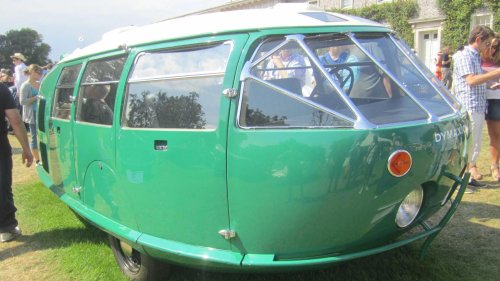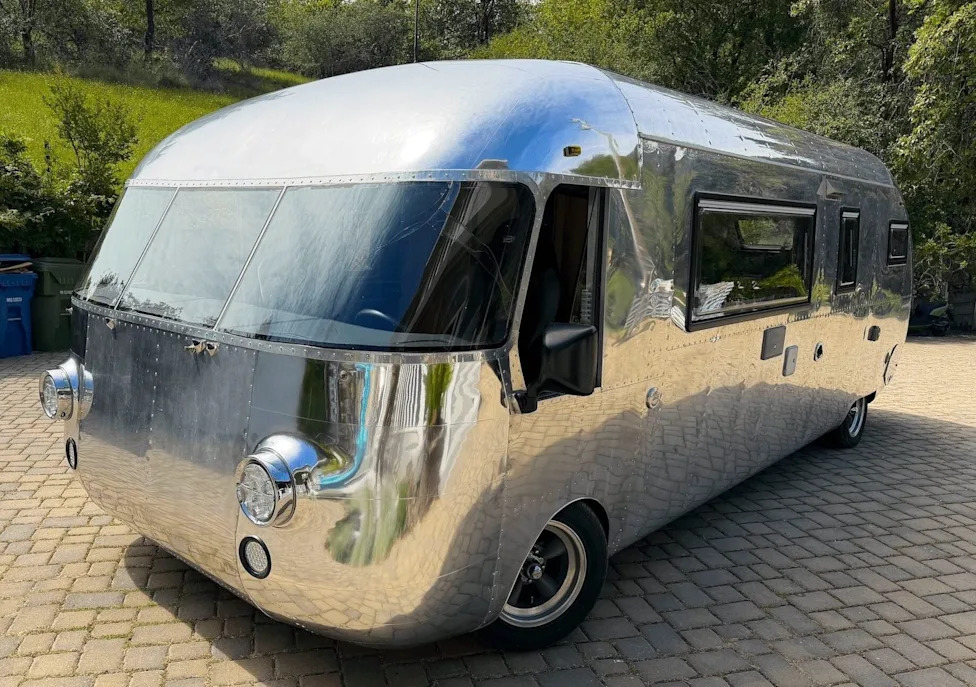



















The Ultra Van Brought Aircraft Engineering to America’s HighwaysThe Ultra Van arrived in the 1960s looking less like a traditional motorhome and more like something pulled from the pages of a science fiction magazine. Designed by aircraft engineer David G. Peterson, the aluminum-bodied RV combined aerospace construction techniques with Chevrolet Corvair mechanicals to create one of the most advanced recreational vehicles of its era.Check out these cars for sale:1983 Buick Electra Park AvenueAdvertisementAdvertisement1951 Pontiac Chieftain Custom Street RodPierce Arrow MotoretteCadillac DevillePeterson, who previously worked for both Beech and Boeing, developed the Ultra Van after facing a practical problem of his own. He owned a travel trailer and a boat but had no efficient way to tow both at once. His solution was to eliminate the trailer entirely by creating a lightweight self-propelled motorhome capable of towing a boat behind it.The result was unlike anything else on the road at the time. The Ultra Van featured aircraft-style monocoque construction using riveted aluminum panels attached to a framework of aluminum ribs. The design eliminated the need for a separate chassis, dramatically reducing weight while maximizing interior space. Early versions weighed less than 3,000 pounds fully equipped, a remarkable figure for a Class A motorhome.AdvertisementAdvertisementPower came from Chevrolet’s rear-mounted, air-cooled Corvair flat-six engine paired with a two-speed Powerglide automatic transmission. The compact drivetrain was mounted beneath a large rear bed platform, freeing up interior room for living quarters. Independent suspension at all four corners and an unusually tight turning radius gave the Ultra Van handling characteristics rarely associated with large motorhomes.Peterson completed the first prototype in late 1960 after renting a garage in the Oakland-Alameda area of California. The vehicle, nicknamed the “Go-Home,” proved the concept worked. Even without furnishings, the lightweight aluminum shell offered significantly more interior volume than a Volkswagen van while weighing less.Production changed hands several times during the Ultra Van’s life. Peterson initially built a small number himself before licensing production to Prescolite Manufacturing in 1963. That partnership quickly collapsed after construction problems emerged due to workers lacking experience with aircraft-grade aluminum assembly methods.A more successful chapter began in 1965 when Kansas publisher John E. Tillotson licensed the design and launched Ultra Incorporated inside a former World War II aircraft hangar in Hutchinson, Kansas. The location provided access to workers experienced in aircraft manufacturing, helping production scale more effectively. Between 1966 and 1970, Ultra Incorporated produced 346 Ultra Vans, accounting for the majority of the approximately 376 examples built overall.AdvertisementAdvertisementOne surviving 1966 example highlights how these unusual motorhomes continue to attract enthusiasts decades later. Purchased by its current owner in 2009, the coach underwent a 15-year refurbishment that blended modern upgrades with the original engineering concept. The restoration included replacement aluminum exterior panels, a rooftop solar array, updated air suspension, four-wheel disc brakes, and a refreshed cabin featuring modern appliances and infotainment technology.The original Corvair-derived 2.7-liter flat-six remains in place, though now equipped with electronic fuel injection and a revised exhaust system. Inside, the motorhome retains many of the features that made the Ultra Van innovative during the 1960s, including a compact galley, integrated bathroom facilities, and elevated rear sleeping quarters.Although production ended in 1970 as cheaper mass-produced competitors entered the market, the Ultra Van remains a standout example of creative American engineering. More than 100 are believed to survive today, supported by a dedicated enthusiast community that continues to preserve Peterson’s unconventional vision of the future of motorhome travel.Source⚡️ Read the full article on MotoriousSign up for the Motorious Newsletter. For the latest news, follow us on Facebook, Twitter, and Instagram.