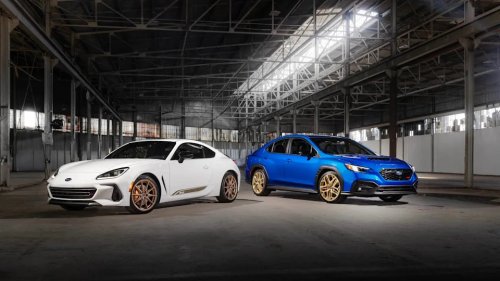
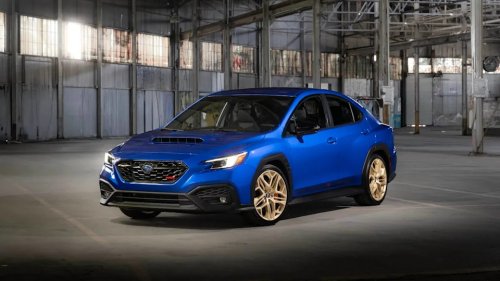
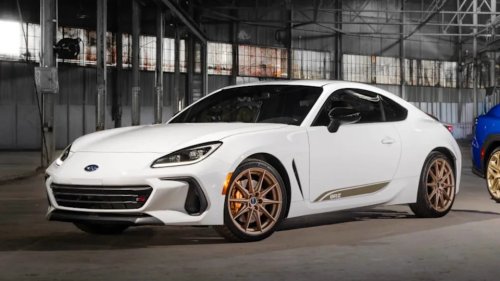
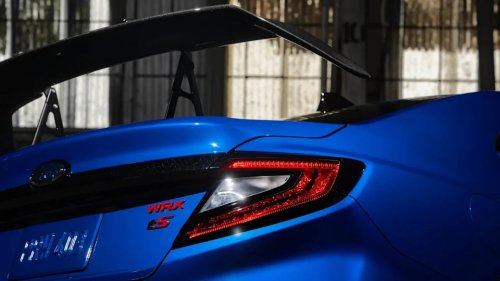
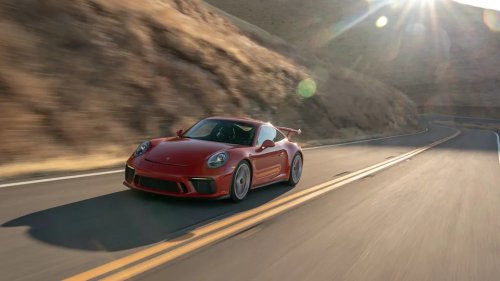
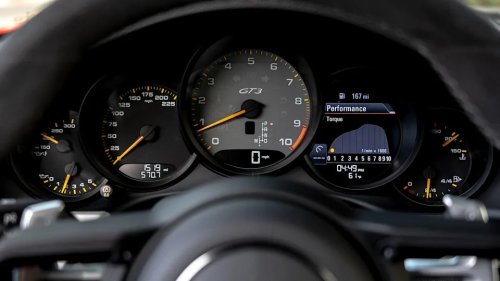
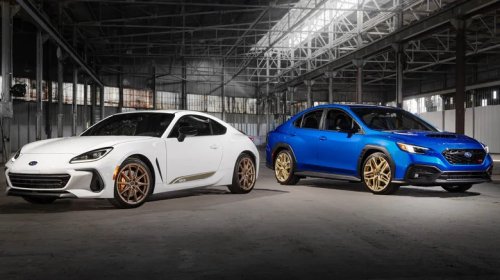
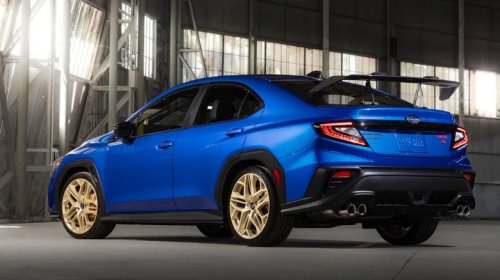
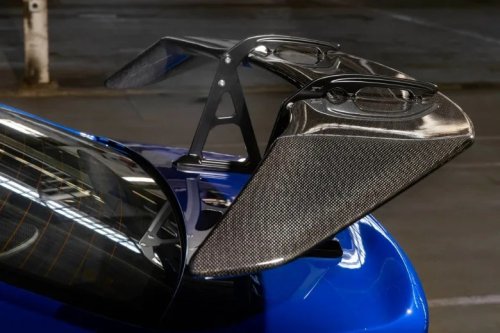
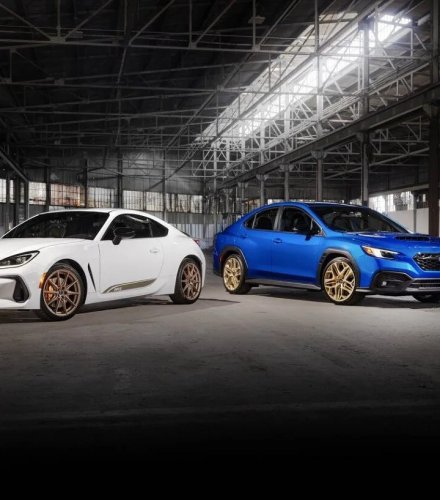
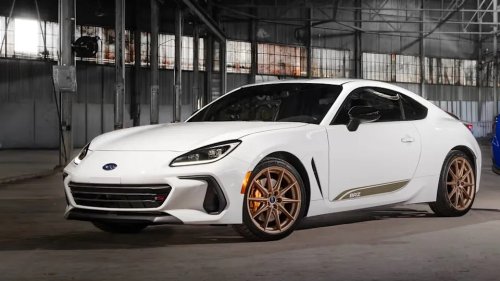
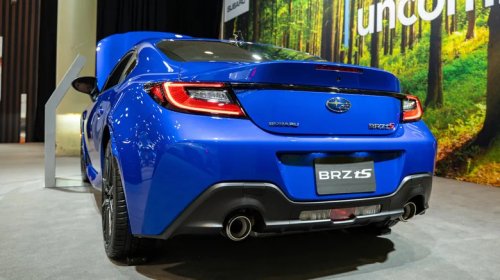
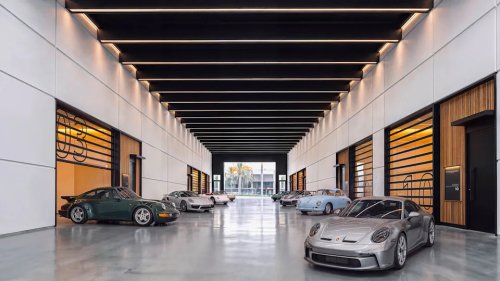
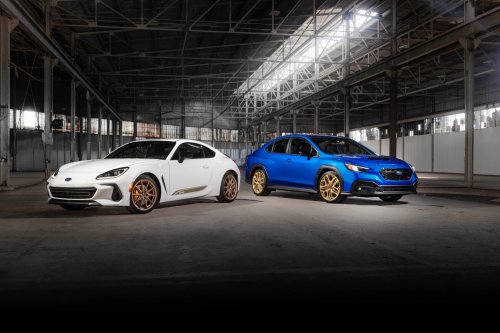
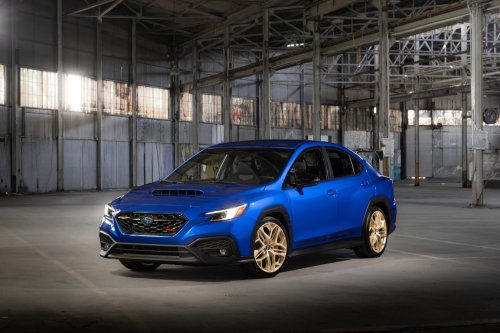
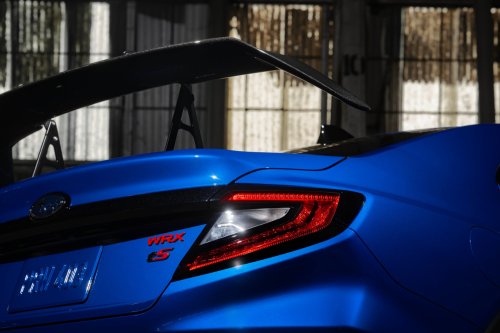
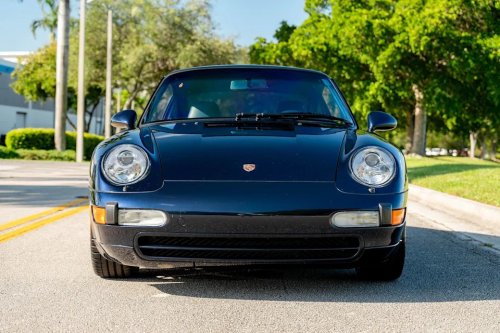
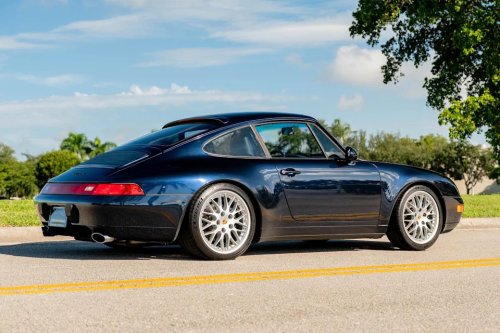
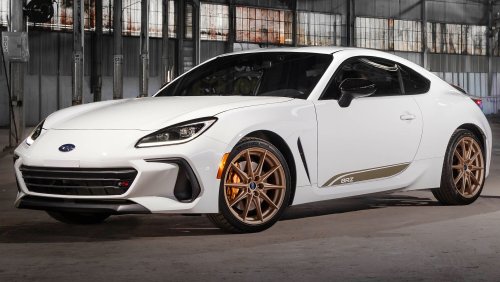
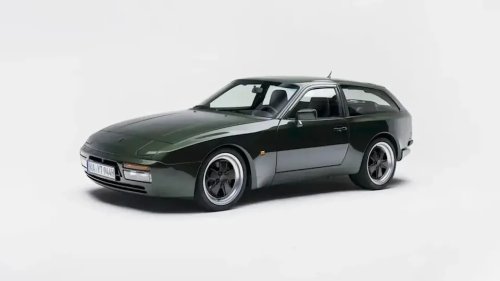
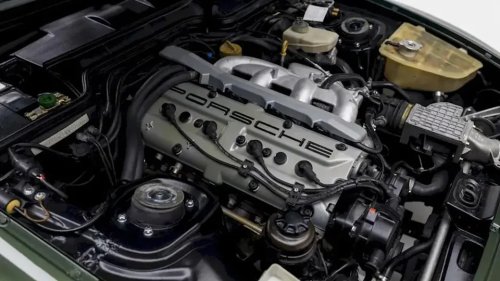
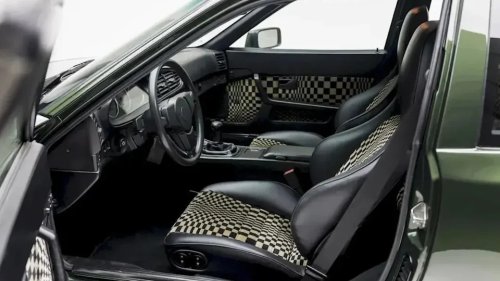
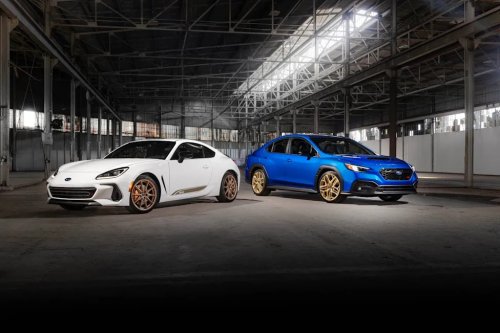
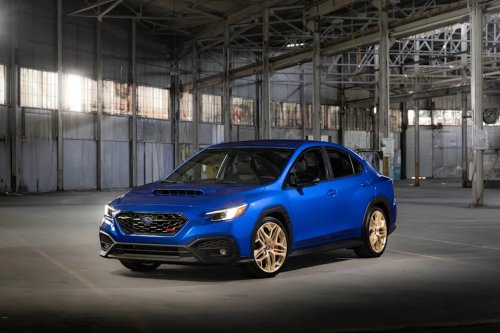
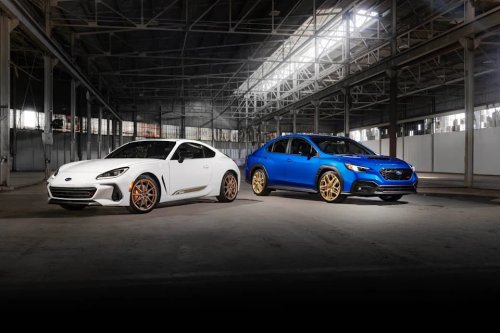
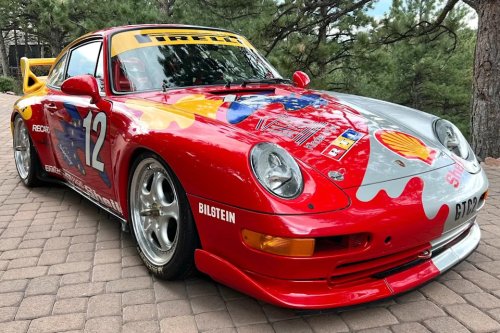
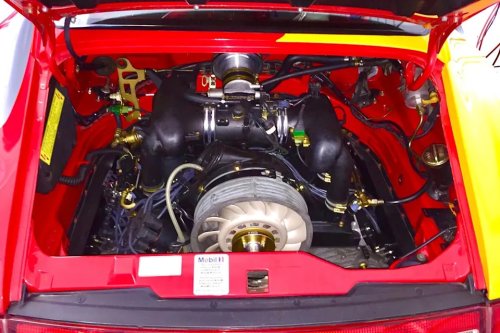
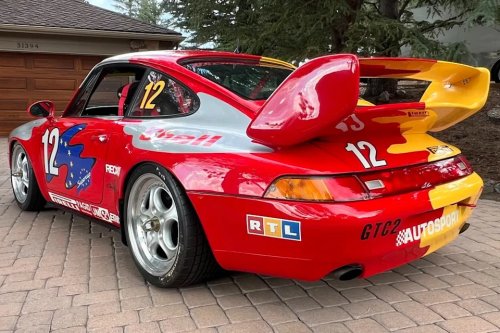
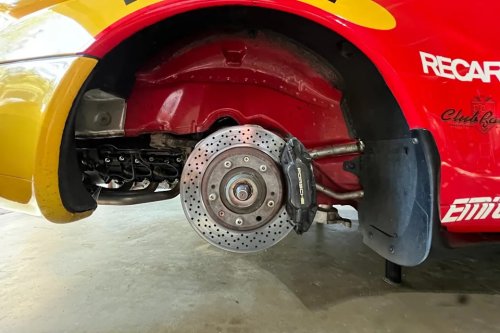
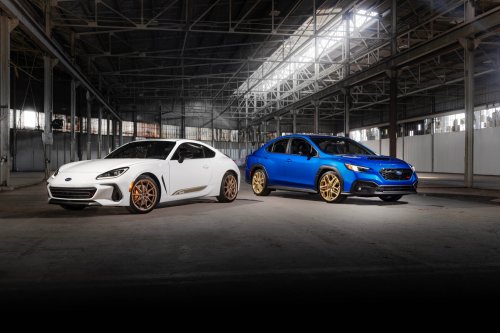
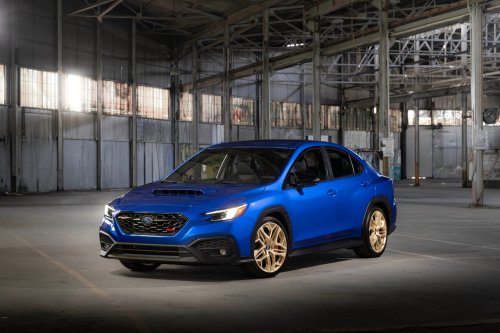
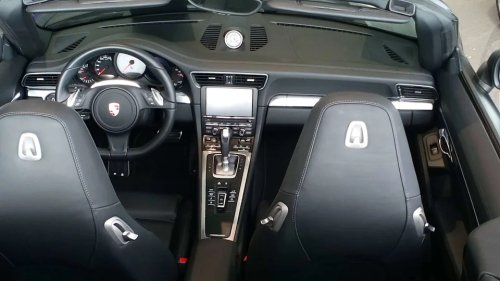
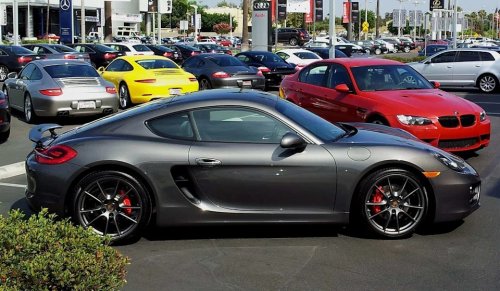
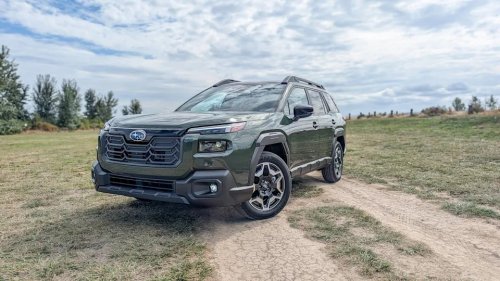
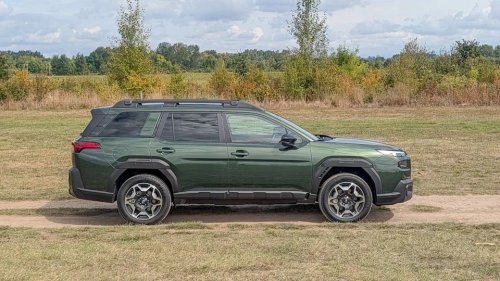
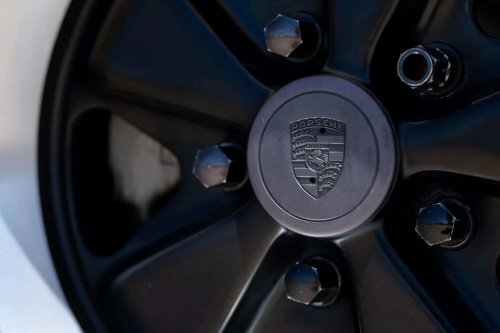
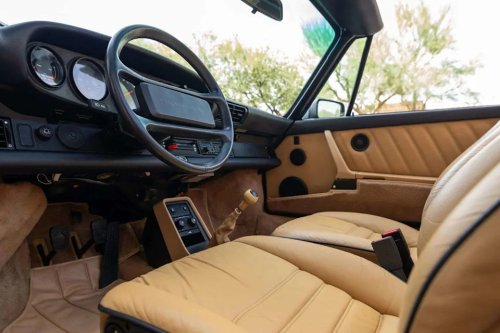
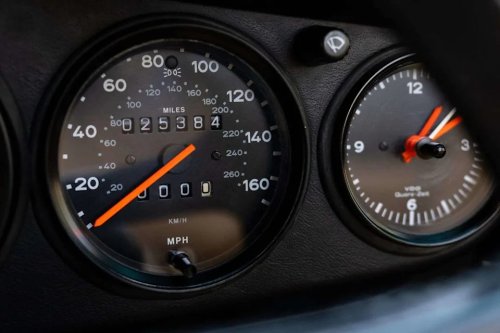
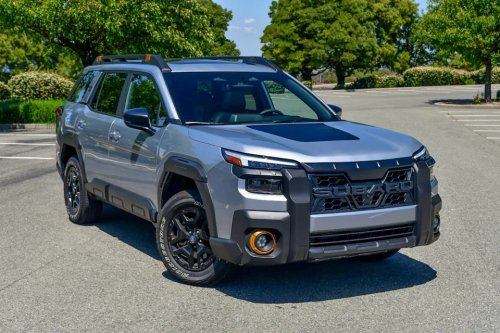
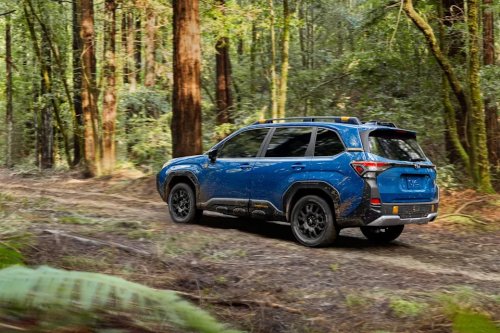
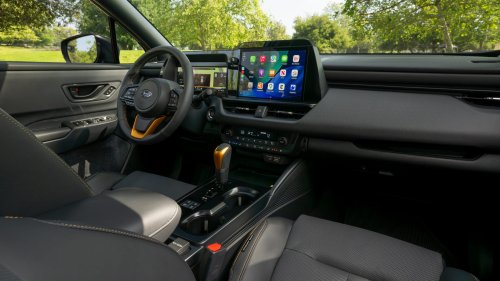
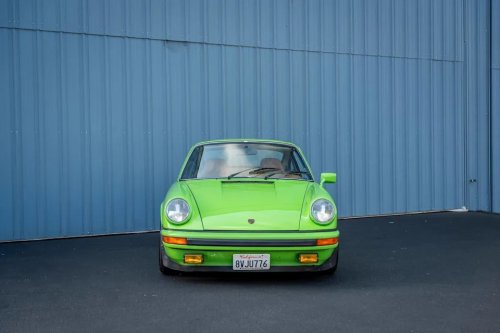
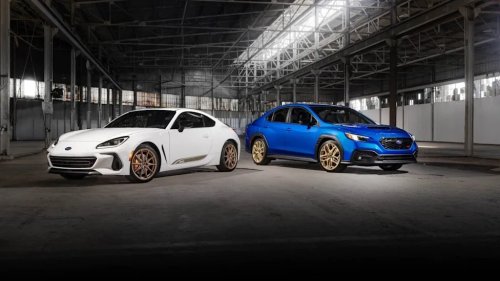
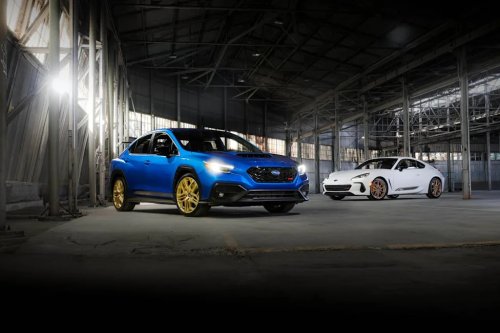
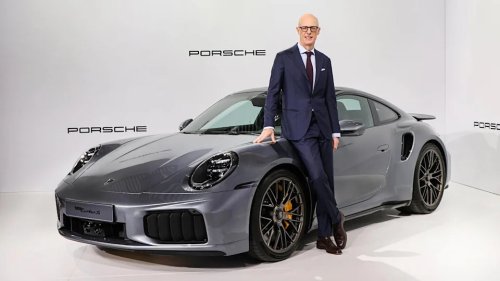
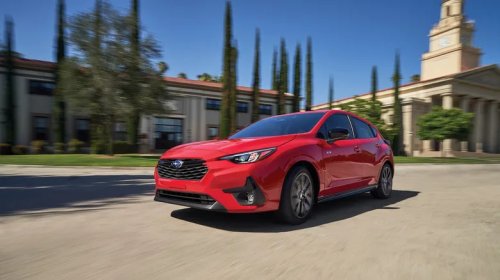
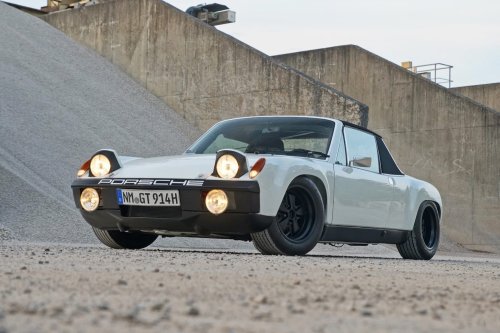
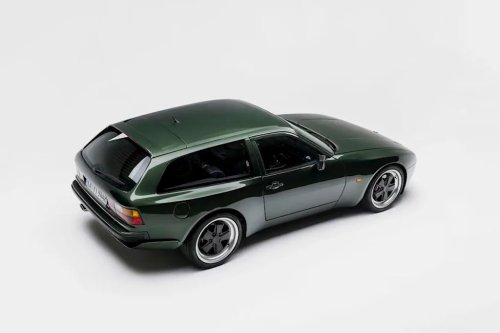
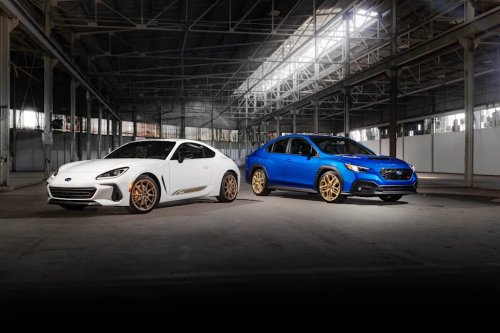
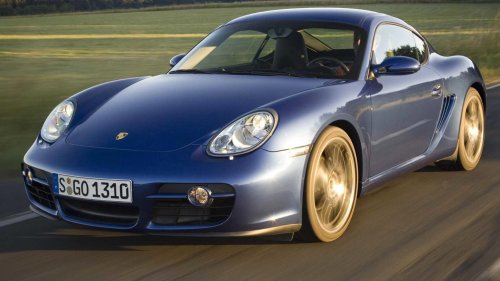
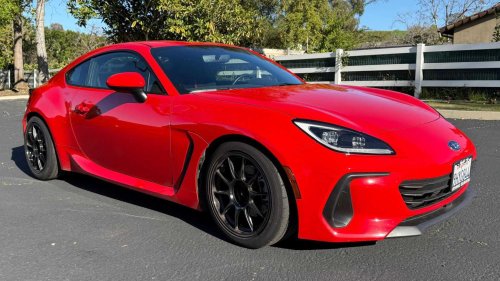
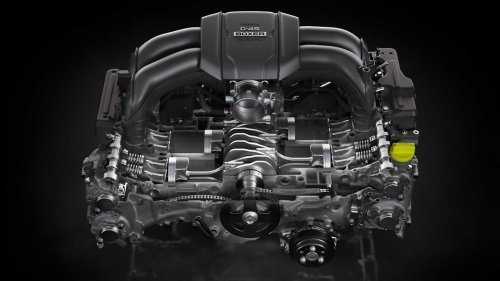
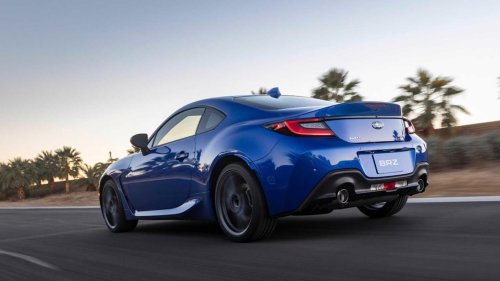
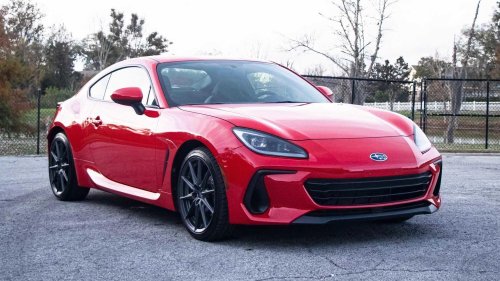
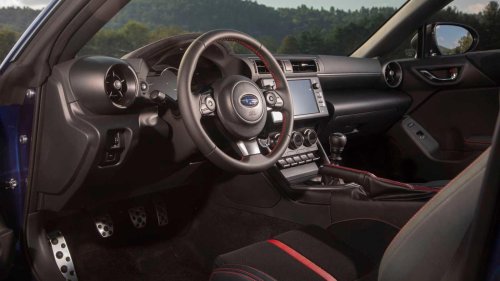
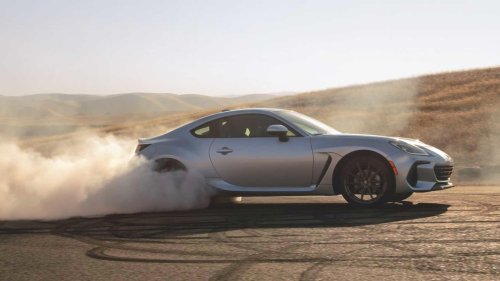
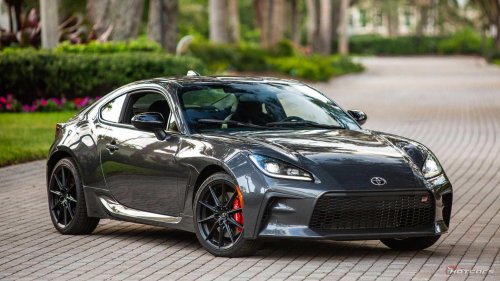
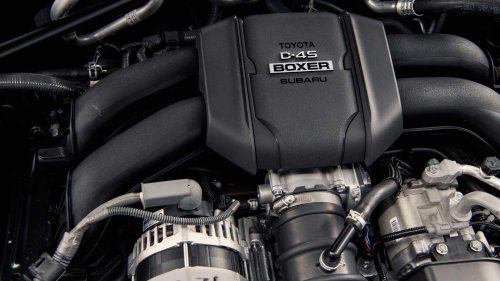
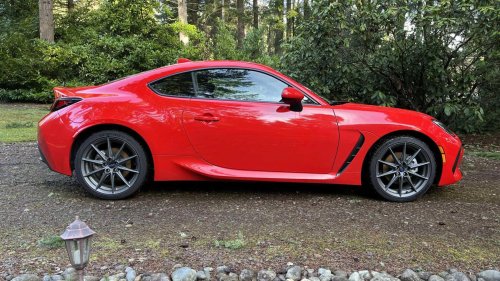
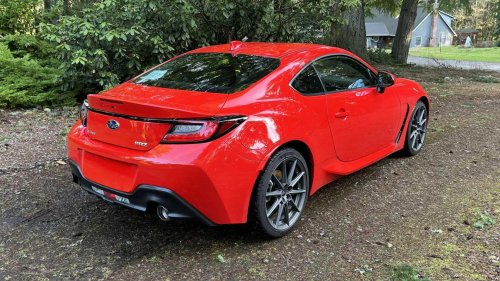
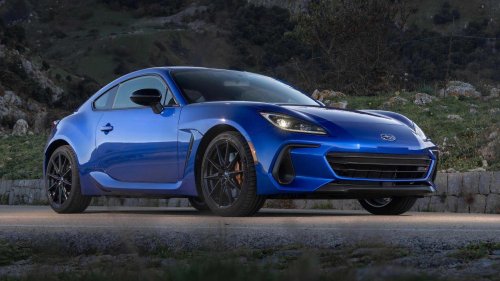
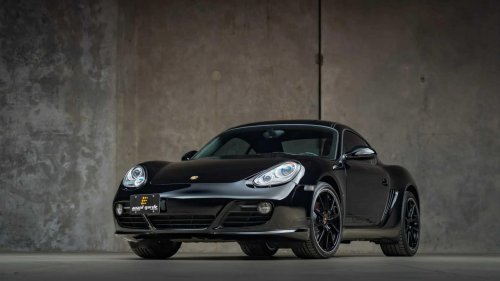
A couple of decades ago, the phrase "Subaru reliability" carried an entirely different meaning. However, Subaru stuck with its trademark formula of combining Boxer engines with symmetrical AWD and kept slowly refining and improving their cars year after year. Blown head gaskets and oil leaks are mostly a thing of the past. Today, Consumer Reports ranks Subaru as the overall best car brand on the market. The same study puts the Japanese brand in second place after Toyota in overall reliability this year, after it led the rankings in 2025. Meanwhile, J.D. Power's 2026 dependability study put Subaru in a decent fourth place among mass-market manufacturers, right below Chevy, and notably, ahead of Porsche. The Porsche Tax Is A Thing Claire-Kaoru Sakai, Ayesh Seneviratne / HotCars Porsche is right up there with the brands that produce the world's best driver's cars. The brand remains adamant about the core philosophy for its sports cars from the moment they hit the streets. All Porsche coupes have a boxer engine stuffed flat behind the cabin. In the Cayman/Boxer twins, it sits in front of the rear axle, while the 911 has its engine all the way in the rear. They also offer precise steering and manual transmission trims for purists.Unlike many performance cars, Porsches haven't been affected by modern automotive upsizing trends and remain relatively compact and lightweight compared to the competition. Add to that top-notch build quality and arguably the best automatic in the game (the PDK), and it becomes clear why many Porsche fans will pay a premium to drive a car out of Zuffenhausen.Porsche But unfortunately, not only is the so-called Porsche tax real, but many of these sports cars had their own set of issues for used car buyers looking to score a good deal. The biggest ones include the infamous IMS bearing failure, a quiet worry in the back of every 996 911 and 987 Cayman owner's mind, RMS leaks on 997s, and water pumps on turbo 718s. To add to that, the average maintenance costs for a Cayman run well into four figures per year, or a steep $1,225 according to RepairPal. That's exactly twice as much as Subaru ($617 per year), and almost twice as much as keeping a new Corvette on the road ($737 per year).However, another modern sports car provides the perfect alternative for sensible enthusiasts who aren't willing to splurge on a new Porsche or pay more to maintain a used one. It offers the kind of weight and handling every Porsche driver will recognize, along with the kind of boring reliability you'd only get from Subaru or Toyota today. No car handles or drives exactly like a Porsche, but this one comes pretty darn close. The Subaru BRZ Is The Perfect Combination Of Porsche Handling And Japanese Reliability Cars & Bids One half of the Toyobaru twins, the Subaru BRZ has been on the market for 13 years now, and it's still one of the best budget sports cars money can buy. But the reason for that has less to do with its price tag and more to do with its utterly unique approach and driving dynamics. You may have even heard it being referred to as a "baby Porsche," and there's a good reason for that, too. The Boxer Experience ToyotaFirst of all, aside from the Porsche 911 and the Cayman/Boxster siblings, the Subaru BRZ, alongside the Toyota GR 86, is the only new sports car in the world that features a boxer engine. Under the hood is a 228-horsepower 2.4-liter naturally aspirated four-cylinder that revs all the way up to 7,500 rpm and sends power to the rear wheels. This is the biggest difference between the BRZ and every other Subaru.Subaru The new FA24D engine is a massive improvement over the two-liter version in the first-gen model, which struggled with a very noticeable torque dip in the mid-range, right where you need it most. As a past owner of both versions, I can say the 2.4-liter flat-4 builds power naturally and confidently, and the 2,800-pound chassis helps to always make the power feel "enough." As an added bonus, the boxer helps it sound similar to a Porsche, too. Well, the 718 at least.Subaru Both the BRZ and GR86 are faster with the notchy six-speed manual transmission compared to the 6-speed auto and will launch to 60 mph in as little as 5.5 seconds. That's roughly the same performance as a base 987 Cayman with a 245-hp 2.7-liter flat-six (the one with the IMS bearing issue). Just enough to let you sneak in several redline shifts on the street before getting into serious trouble with the law.Unlike in the Porsche, the boxer engine in the BRZ sits in front of the driver, but it helps give the car a center of gravity of roughly 18 inches. That's 0.5 inches lower than a new C8 Corvette and only about half-an-inch higher than the 718 Cayman, helping the BRZ feel glued to the road. It takes a lot to make the car understeer, and when it does, letting off the gas pedal will immediately tuck the nose back into the corner. The BRZ Has Its Priorities Straight Subaru Helping the BRZ handle as well as a Porsche is also the same basic suspension setup as basically every modern Cayman and 911, MacPherson struts up front and multi-link in the rear. Subaru also offsets the modest power output with the perfect amount of rubber to keep the car just as playful in the corners as something like a 987 or a 981 Cayman, if not more.The more front-biased weight distribution helps there, too. When it comes time to put down power, the BRZ's mechanical Torsen LSD makes a big difference. Porsches don't get this as standard and usually feature an open differential. The special BRZ tS trim, tuned by STI, is even more track-ready out of the box, with larger 18-inch wheels, Hitachi dampers, blue interior trim, and Brembos on all four corners.Subaru Whichever BRZ you get, though, you'll be sitting in a genuinely analog sports car with "point and shoot" steering and a unique tail-happy character you can keep in line with one pinky. The BRZ is not mid-engined, and it's definitely not as balanced as something like a new 718 or 911, but it's designed to reward the driver with just as many smiles per mile. More importantly, those smiles are completely carefree because Subaru had a lot of help from another brand famous for reliability. Subaru Teamed Up With The Best David Alpert / HotCars / Valnet The BRZ/86 twins were not the start of the Toyota-Subaru partnership. The two brands had already teamed up in 2005, when Toyota bought a stake in Subaru. Subsequently, between 2006 and 2016, Subaru was building roughly 100,000 Camrys per year for Toyota in its Indiana plant. When Toyota wanted a new lightweight sports car to replace the discontinued Celica and MR2, it knew who to go to.Subaru supplied its boxer engine and chassis know-how, and Toyota added the new D-4S direct-injection and port-injection system. The BRZ was born. The BRZ/FRS/GT86 triplets became some of the most reliable cars the two brands had ever built when they hit the streets in 2013. But they were hardly perfect.Toyota Aside from the infamous torque dip, these FA20D engines were known to fail, especially when modified or pushed hard on the track. There aren't many cases of this happening, but when it did, it was all over forums and in the back of every BRZ owner's mind. So, when it came time to update the models for 2021, instead of adding forced induction like enthusiasts wanted, Toyota and Subaru worked to develop a larger and even more robust engine.The FA24D got beefier pistons and new EJ-style connecting rods. It also received a brand-new intake and oil cooler, which fixes the FA20D’s notorious track-day oil-temp spikes. The engine is larger and more understressed than its predecessor, and a version of the FA24 also made its way under the hood of the new WRX, where it's turbocharged and reliably makes 271 hp. Subaru BRZ Reliability It's no overstatement to call the Subaru BRZ and Toyota GR86 some of the most reliable sports cars today. The twins have been on the market for more than a decade now, and not even the biggest Subaru haters will admit they're money pits. And that's despite the fact that they are immensely popular mod platforms, with many owners bolting on turbos and superchargers and pushing the engines to their limits.20230114_222315478_iOS-55104-scaled In fact, RepairPal puts the average annual maintenance for a BRZ at $672, roughly half of what you'd pay for a Porsche. There's some discrepancy between the twins, as RepairPal puts the average maintenance of a Toyota GR86, which is essentially the same car, at just $441 per year. Keep in mind, there are no significant mechanical differences between the two cars aside from the design and suspension tuning. Owners don't report any notable differences in service costs, either.It's important to note that the BRZ isn't just cheaper than Porsche but most other sports cars. For example, a four-cylinder BMW 230i coupe will cost you around $962 to maintain, and the 235i, surprisingly, a head-spinning $2,435. The BRZ is arguably the cheapest new sports car to own, aside from a Miata. What To Look Out For When Buying A BRZ 20230114_222105146_iOS-54609-scaled The BRZ is very reliable, but like every sports car, it is not without its small gremlins. Some issues include faulty turn signals and engine stalling from low-pressure fuel pump and valve spring issues, which prompted recent recalls. Other than that, there's the annoying clutch throwout bearing, which causes it to squeak and is an easy fix. The notorious Subaru rattle is also real and something to get used to.When buying used, always make sure to pull all service records. Do a test drive and listen for any knocks in the engine bay. Other than that, owners and long-term test reviews have nothing but praise for the BRZ. Regular oil changes and waiting for the oil to warm up before driving pretty much mitigates 99% of the potential issues, anyway. Keeping the car stock and under warranty will provide extra peace of mind.J.D. Power did not rank the BRZ, but the site awarded its GR86 sibling a very solid 79/100 in reliability and, interestingly, a 90/100 in resale value. Which brings us to my next point. Subaru BRZ Price And Resale Value Subaru The fact that the BRZ and 86 twins offer amazing value is not lost on enthusiasts. When they hit the market, dealerships sold them with heavy markups on their original $29k MSRPs. Five years later, Subaru is comfortably asking $37,055 for a brand-new BRZ, with one of the best resale values in the sports car segment. Similar to what you'd see with Porsches and new C8 Corvettes. iSeeCars currently ranks the Toyota GR86 as the sports car with the best resale value in 2026, showing it retains an incredible 86% of its price after 5 years. The BRZ is not far behind in fourth place at 76.1%.The average you'll pay for an average-condition used BRZ is around $25,000. However, well-maintained, low-mileage examples still command close to $30,000. A GR86 will typically cost around $28,000 for the earliest models, depending on mileage and condition. For both cars, manual transmission models remain in high demand and will likely keep their value far better than the automatics, just like the first-generation versions did.Bring a Trailer For rough comparison, an average 245-hp 987.1 Cayman will set you back roughly the same ($24,714) for a base manual-transmission model. Boxsters are cheaper and may be better deals at around $20,000. Stepping up to a 987.2 generation will bump that up to around $30,000 for the Cayman and around $25,000 for the Boxster. Automatics are slightly cheaper but also add more complexity and failure points. The sportier S models are even more expensive than that. If you'd like a 981, the price goes up to $37,000 for a base model.For buyers looking to score a 911, the 996 Carrera is arguably the most underrated Porsche 911 right now, with an average price of just around $33,000 for a manual-equipped example.Sources: CarEdge, RepairPal, J.D. Power, Subaru, Classic.com, iSeeCars.



















 +64 others