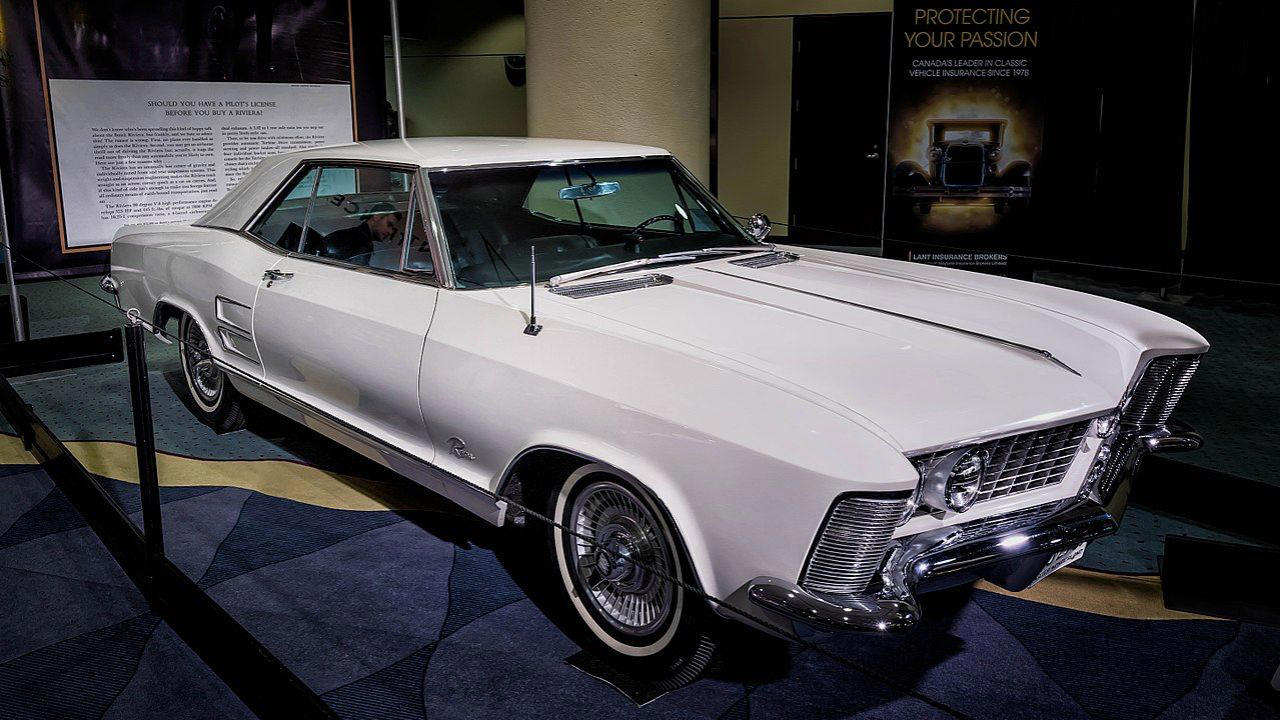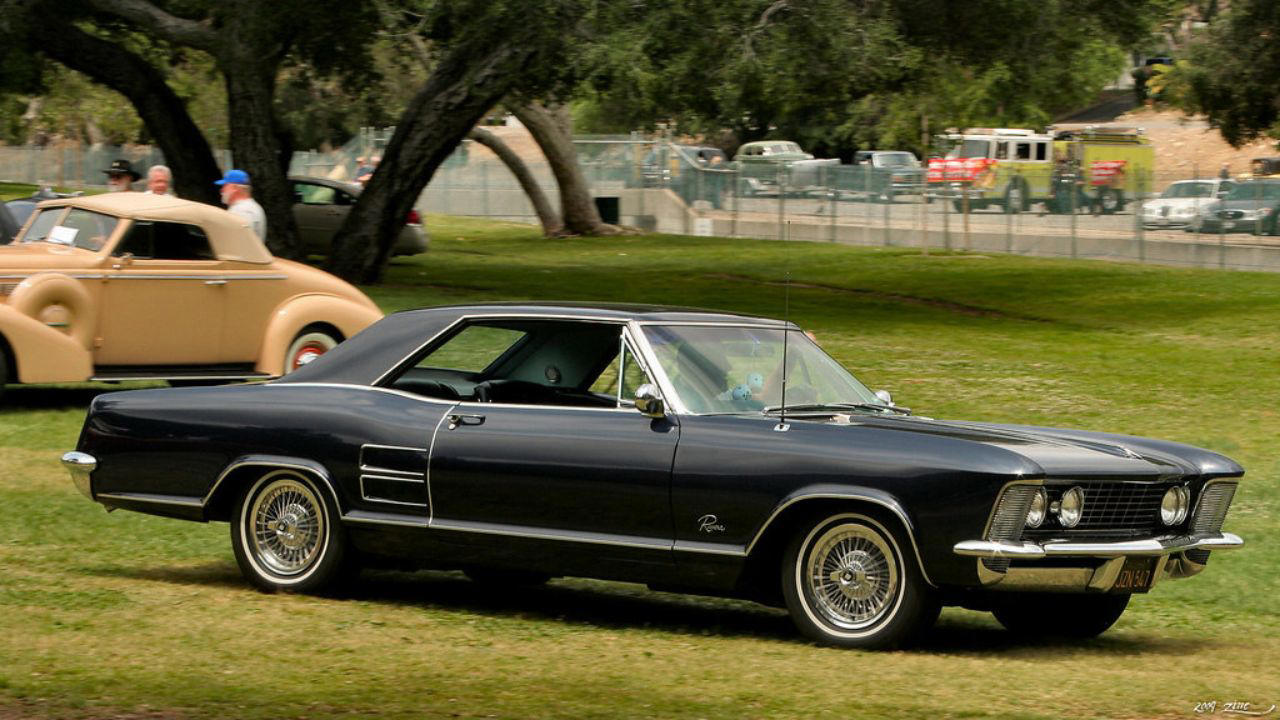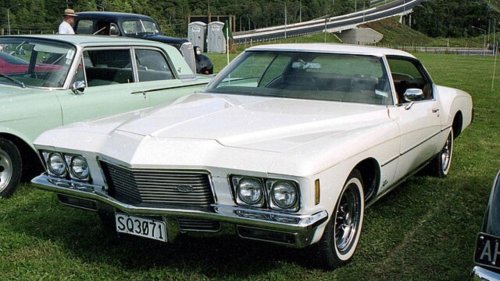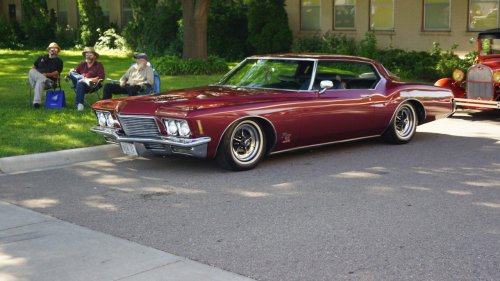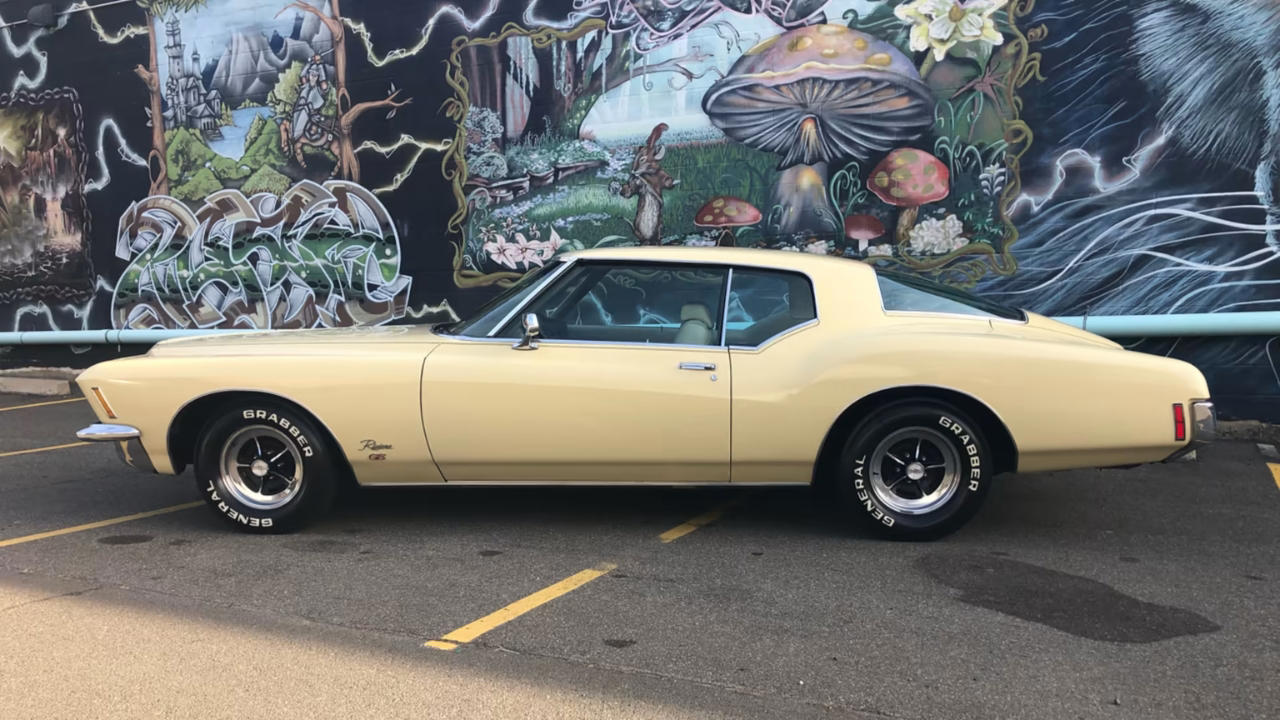



















The Riviera boattail design shocked people when it first appearedThe 1971 Buick Riviera did not just arrive in showrooms. It landed like a spaceship, with a rear end that looked more like the hull of a speedboat than the back of a personal luxury coupe. The boattail design stunned buyers and critics, split opinion inside General Motors, and still sparks arguments more than half a century later. That shock was exactly the point. In an era when American cars were starting to soften and standardize, the Riviera’s tapering fastback and pointed tail were a defiant statement that styling could still be theatrical, risky, and unforgettable. How Buick ended up with a boat for a tail Inside GM studios in the late 1960s, the design brief for the next Riviera was simple on paper and radical in practice. The team wanted a personal luxury coupe that looked muscular and modern, yet carried a sense of classic speed. Early sketches exaggerated a long hood, a tight cabin, and a rear that pinched into a sharp, boat-like point. When the design team sketched those shapes, they were not chasing subtlety. They were chasing drama. Accounts from enthusiasts and former staff describe how those early drawings evolved into the full-size clay model that would become the 1971 Riviera. The rear glass swept down into a narrow tail, the decklid formed a shallow V, and the bumper wrapped around like the transom of a yacht. One designer later called it a visual joke that somehow made production, a reminder that a polarizing idea can survive corporate review if it has enough conviction behind it. Fans in groups like classiccars101 still share that origin story as proof of how far Buick was willing to go. The Riviera had already been a style leader once before. Earlier generations helped define the personal luxury segment inside GM, a role that later histories of the model describe as a muscle car innovator that set the tone for GM personal luxury coupes. By the time work began on the third generation, designers knew they had permission to push boundaries again, which made the leap to a boattail silhouette less reckless than it might seem from the outside. The 1971 Riviera arrives and the parking lot goes silent When the 1971 model finally hit the street, the reaction was immediate and visceral. One period-style account invites readers to picture a walk through a parking lot in 1971, then turning a corner and seeing a car so radical and bizarre that it literally stopped people in their tracks. That scene, recreated in a modern video about why the 1971 Buick boattail became America’s most talked about Riviera, captures the sense of disbelief that surrounded the car’s debut, and it is echoed in contemporary recollections linked through video retrospectives. The front of the car was aggressive but familiar, with a wide grille and pronounced fenders that fit neatly into early seventies Detroit design. Its side profile, with a long hood and flowing fender lines, looked athletic and almost understated. Then the roofline dropped, the glass curved inward, and the rear of the car pinched into that pointed tail. From three-quarter view, the Riviera seemed to be moving even when parked, the body tapering as if it were slicing through water rather than air. Supporters saw a bold fusion of muscle and elegance. Detractors saw a cartoon. Even inside enthusiast circles, the Riviera quickly became a love-it-or-hate-it proposition. Some owners recall getting constant questions at gas stations, with strangers walking around the car twice to understand what they were looking at. Others remember neighbors dismissing it as too weird, too flashy, or simply too much. The most controversial Buick of its time In later analysis of the 1971 to 1985 Riviera story, historians routinely single out the boattail years as the most controversial in the car’s history. One widely viewed documentary on the model notes that in 1971 Buick introduced one of the most debated designs it had ever approved, describing the third generation Riviera as a car that divided opinion even among loyal Buick buyers. That perspective is reinforced in a deeper look at the 1971 to 1985, which frames the boattail as the high point of risk-taking in the line. Timing explains part of why it sparked such strong reactions. By the early seventies, safety and emissions rules were reshaping Detroit products. Many brands were moving toward heavier bumpers, more upright glass, and less flamboyant sheet metal. Against that backdrop, the Riviera’s sculpted tail and flowing fastback looked almost like a show car that had escaped the auto show floor. The car’s rear end, which resembled the hull of a boat more than any conventional trunk, seemed to ignore the rulebook that was closing in on everyone else. Modern commentators have not softened their language. One recent video that revisits the 1971 to 1973 boattail models opens by asking whether anyone has ever seen a mass-produced car with a rear that looks so much like a boat’s hull, then quickly answers that the Riviera is the rare case where such a concept actually made it to dealers. That same piece, shared widely among fans of seventies iron, is accessible through detailed boattail review that underlines just how out of step the design was with mainstream tastes. Inside the studio: theatrical design as a mission Accounts from people familiar with GM styling in that era point to leadership that actively encouraged drama. GM styling boss Bill Mitchell, often cited in enthusiast histories, had a reputation for loving strong, almost theatrical lines. One retrospective on the Riviera notes that the 1971 model marked the bold debut of the boat-tail design, described there as a dramatic fusion of muscle and luxury that turned the car into something elegant, aggressive, and unforgettable. That summary, connected to stories of how Mitchell pushed his teams, appears in coverage of the GM styling studio. In that context, the Riviera was not an accident. It was a flagship for a philosophy that valued visual impact over safe conformity. The design team seems to have envisioned a car that felt like a luxury yacht translated into metal and glass, with the rear deck tapering as if it were slicing through waves. Later video shorts describe the car as perhaps the most theatrical machine Detroit ever unleashed, a machine so dramatic that the rear was shaped like a luxury yacht. One such short, which calls the Riviera the most theatrical machine to roll out of Detroit, is preserved in a widely shared video clip that celebrates the model’s excess. Enthusiast posts add color to that narrative. One popular breakdown of the 1971 Riviera’s design describes how the flowing boattail was intended to emphasize the car’s dynamic, muscular stance. The same discussion points out that the rear treatment was not just a styling gimmick but part of a cohesive shape that linked the roofline, rear glass, and bumper into a single, sweeping curve. That argument appears in fan commentary tied to 1971 Riviera design, which treat the car as a pure expression of daring automotive creativity. Mixed reviews, modest sales, and early retreat If the Riviera’s styling was designed to shock, it succeeded. If it was designed to sell in large numbers, the story is more complicated. Period and modern analyses agree that the boattail Riviera was not a runaway commercial success. One detailed video review bluntly states that the car was not a sales success, that it was not built for the mainstream, and that it did not align with the broader direction of the market. That assessment appears in the same long-form review that praises the car’s uniqueness. Written histories of the 1971 to 1973 Riviera describe how the model received mixed reviews from buyers and critics. Some praised the bold styling and strong performance, while others criticized the rear visibility, the sheer size of the car, and the fact that the design seemed out of phase with emerging fuel and safety concerns. A detailed article on Buick Rivieras Offered notes that the model received mixed reviews, even as it highlights features such as standard disc brakes that made the car technically advanced for its time. The market’s hesitation showed up quickly in the design studio. By 1973, the Riviera’s tail had already been toned down, with the point softened and the rear glass revised. One enthusiast summary of that final boattail year calls 1973 the last of an era for the Buick Riviera, describing the boattail period as a brief chapter in the model’s history that ended just as GM moved into its so-called colonnade design period. That framing appears in a historical video on the last boattail Riviera, which treats the 1973 car as a farewell to a short-lived experiment. From polarizing oddball to museum piece Time has been kind to the boattail. What once looked out of step with its era now reads as a distilled expression of early seventies American bravado. Collectors and curators have taken notice. At the Martin Auto Museum in Phoenix, for example, visitors can walk among more than 170 cars that tell different chapters of automotive history, including a big boattail Buick Riviera of 1973 that stands out even in that crowded company. Social media posts that spotlight the 1971 to 1973 Riviera increasingly describe the cars as some of the most distinctive and elegant personal luxury coupes of their time. One enthusiast writeup calls the 1971 to 1973 Buick Riviera a bold fusion of art and engineering, stressing how the boattail shape turned a conventional two-door into an automotive sculpture. That sentiment appears in a widely shared tribute to the Buick Riviera, which treats the car as one of the most distinctive and elegant personal luxury designs of its era. Other enthusiasts draw direct lines between the Riviera’s rear styling and icons like the 63 Corvette Stingray. One group post about the 1973 Buick Riviera notes that its rear boattail was reminiscent of the 63 Corvette Stingray, a comparison that elevates the Riviera into the same conversation as one of Chevrolet’s most celebrated designs. That comparison appears in a discussion of the Buick Riviera, which also repeats that the 1971 Riviera marked the bold debut of the shape. Video shorts aimed at a younger audience lean into the spectacle. One clip calls the 1971 Riviera perhaps the most theatrical machine Detroit ever unleashed, a car so dramatic that the trunk was literally tapered like a luxury yacht. That language, preserved in a short accessible through a modern video, shows how the boattail has shifted from being mocked as weird to being celebrated as audacious. Why the boattail still matters Beyond nostalgia and museum displays, the Riviera boattail continues to matter because it shows what happens when a mainstream brand chooses spectacle over safety in design. The car did not chase the broadest possible audience. It chased a specific vision of American luxury, one that equated length and drama with status and presence. More from Fast Lane Only Unboxing the WWII Jeep in a Crate 15 rare Chevys collectors are quietly buying 10 underrated V8s still worth hunting down Police notice this before you even roll window down