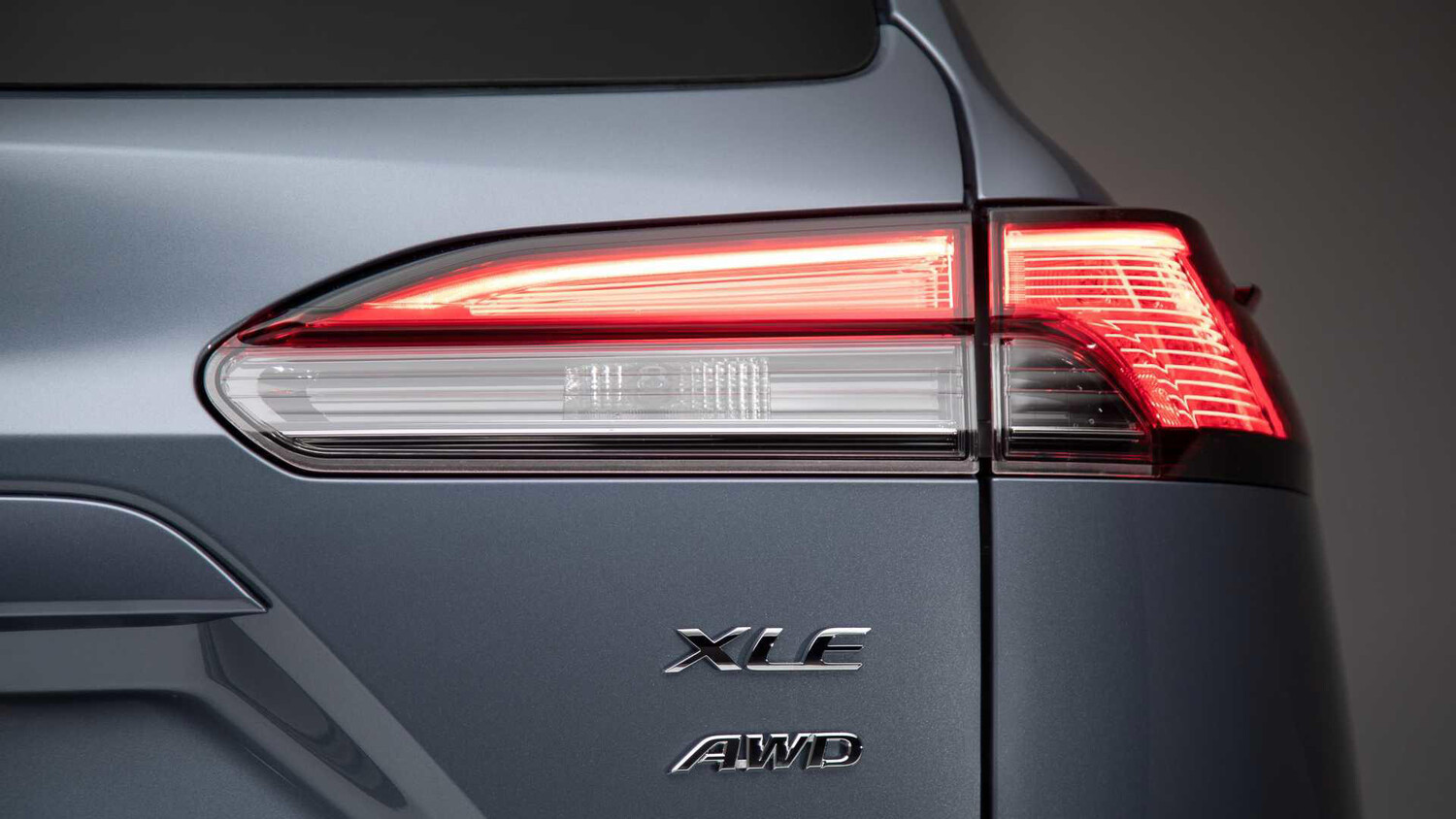
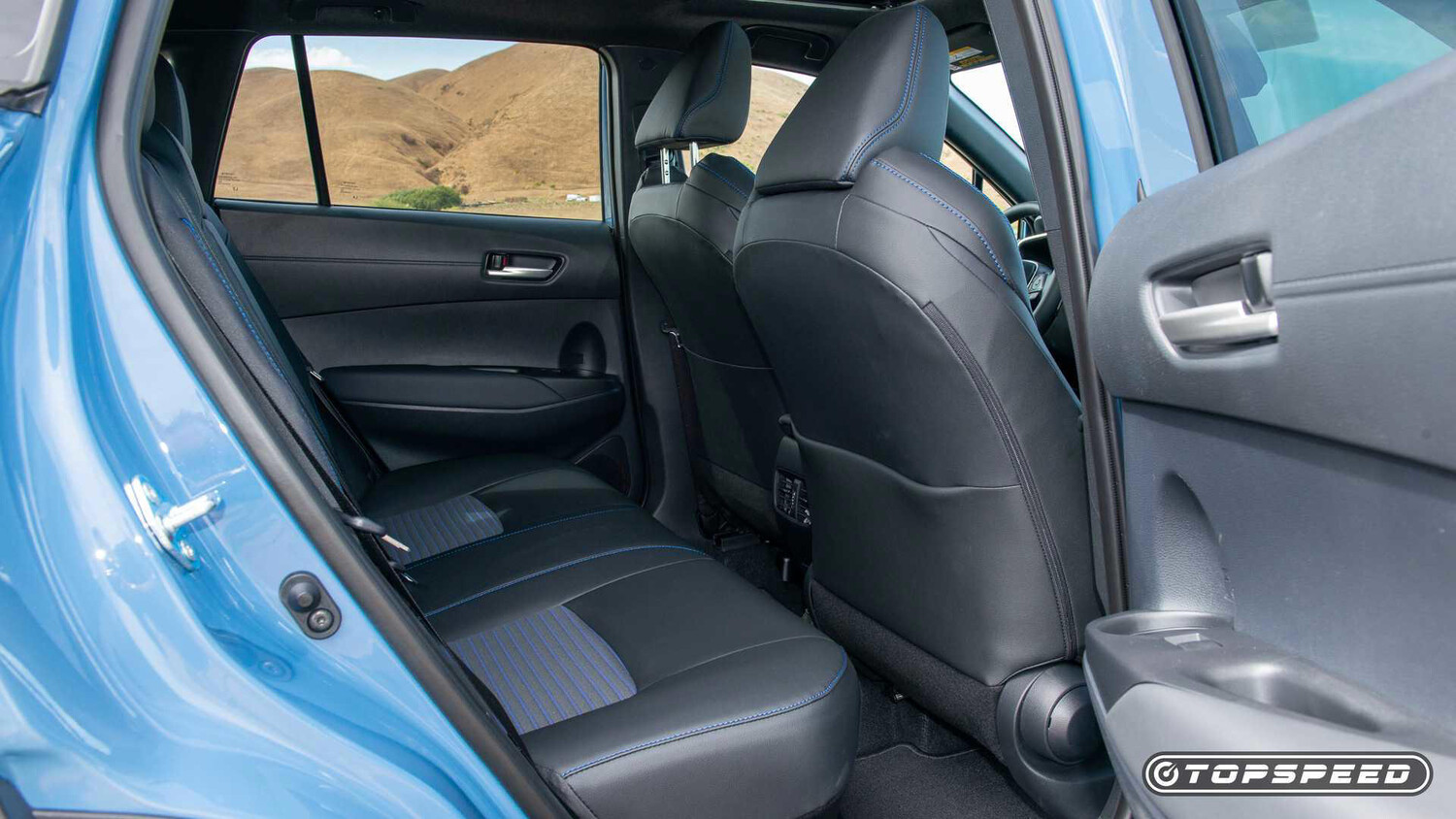
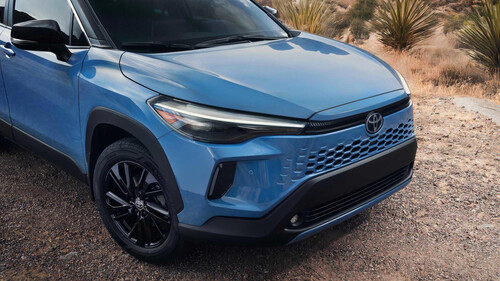
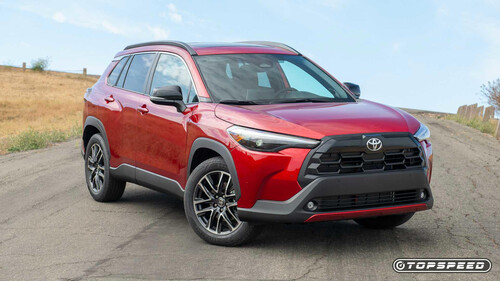
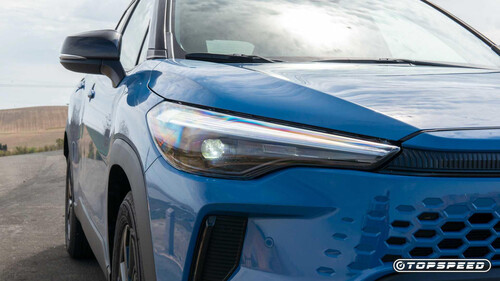
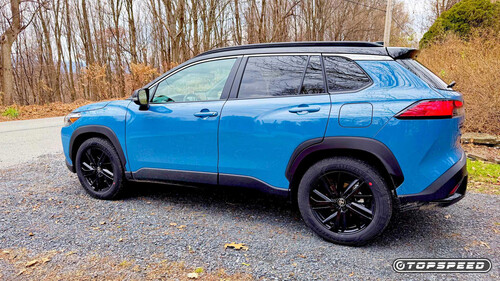
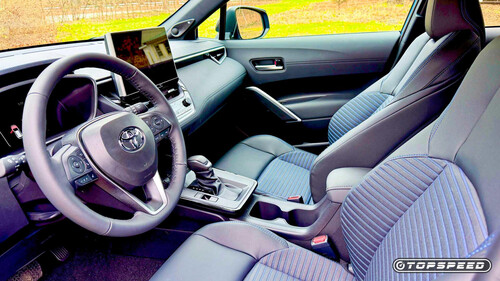
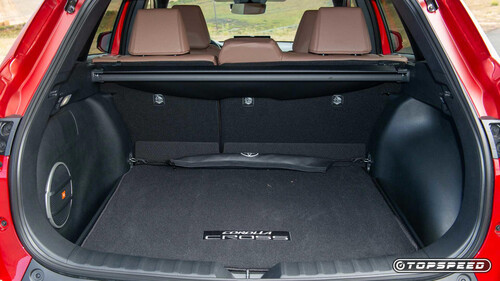
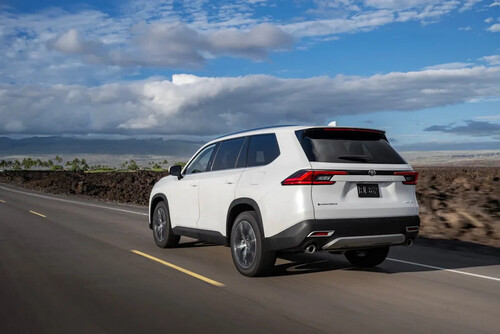
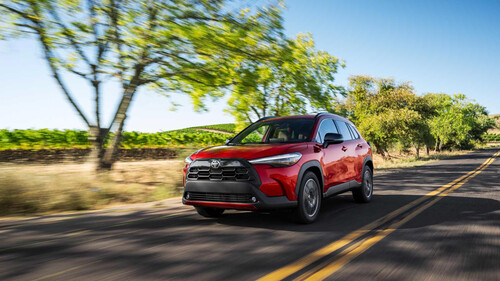
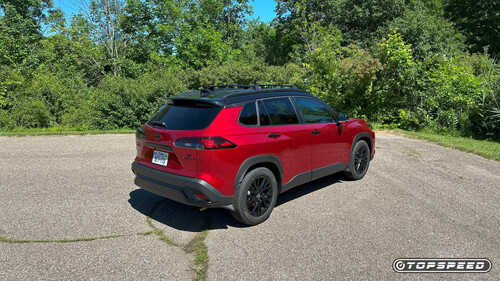
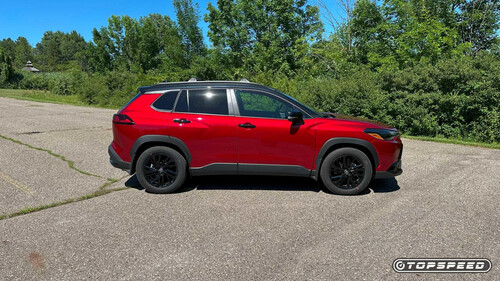
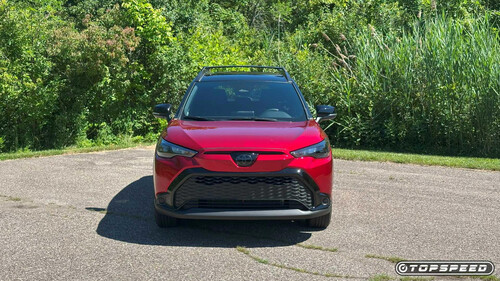
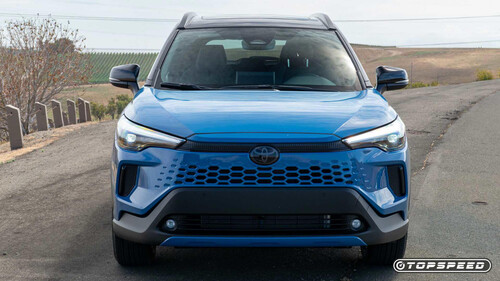
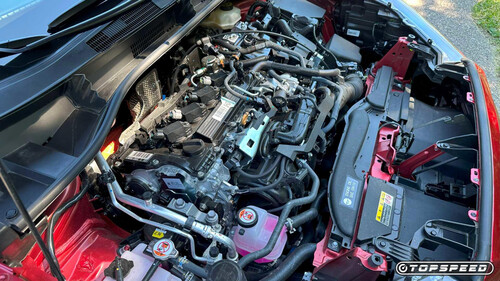
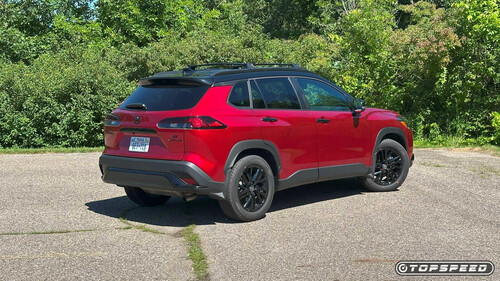
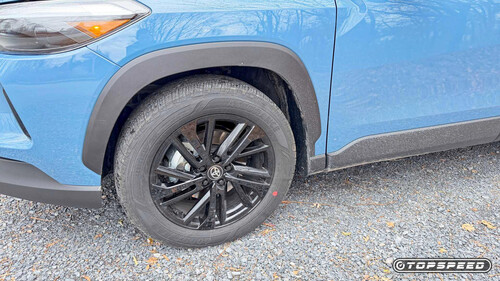
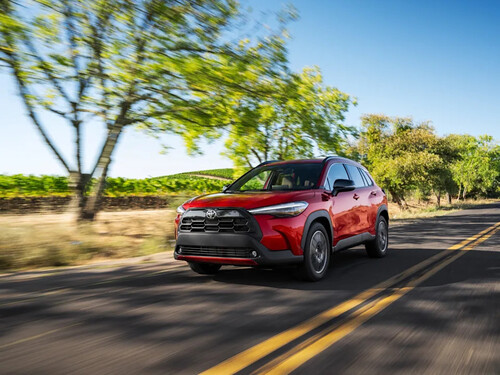
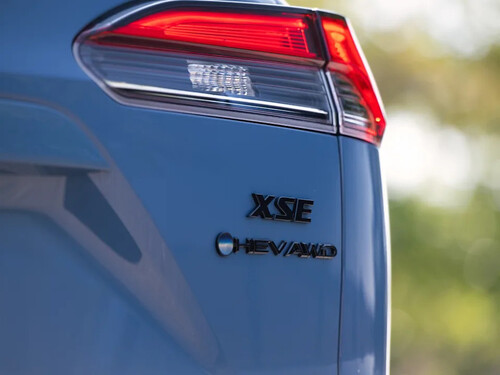
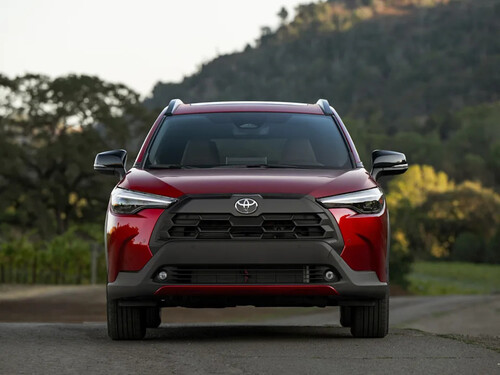
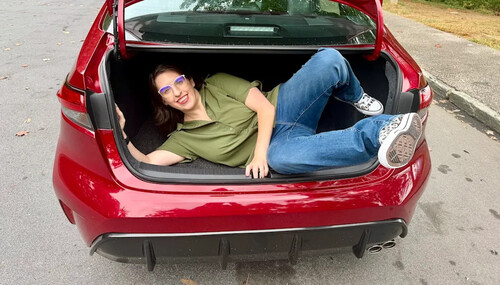
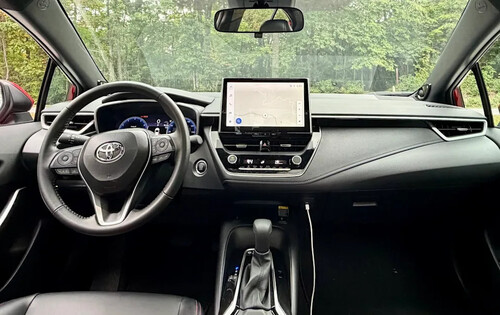
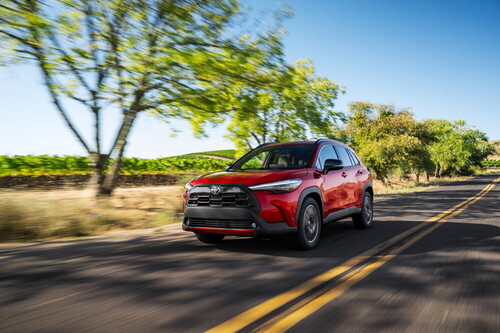
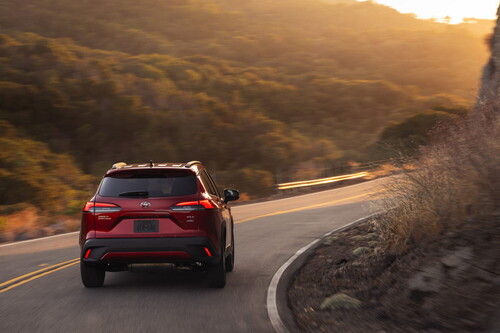
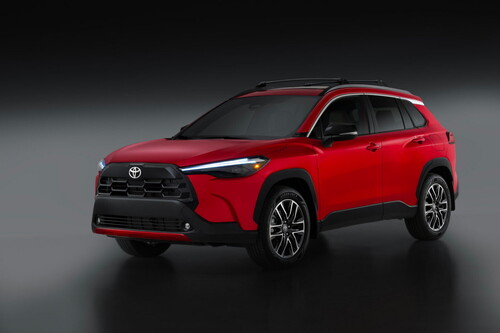
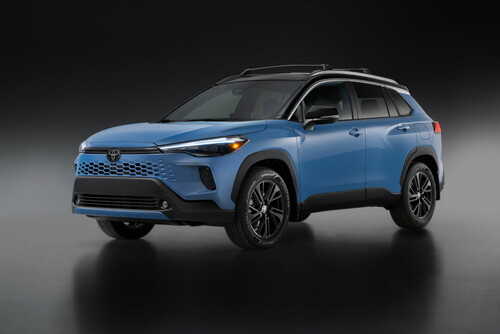
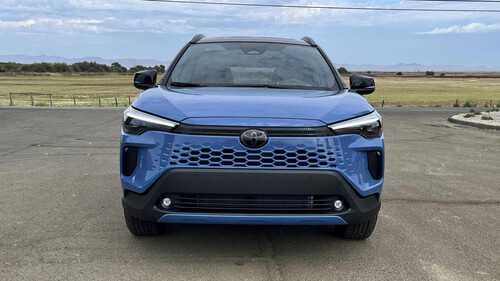
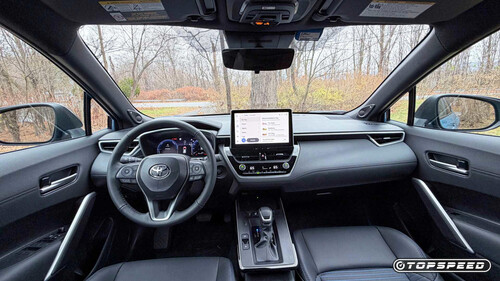
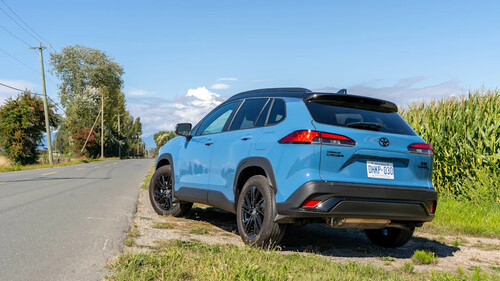
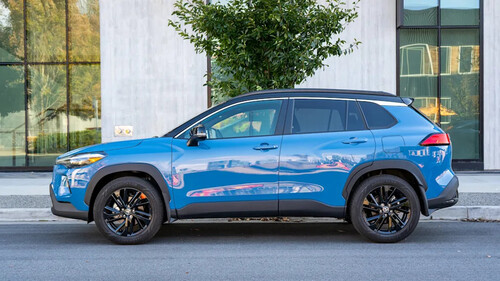
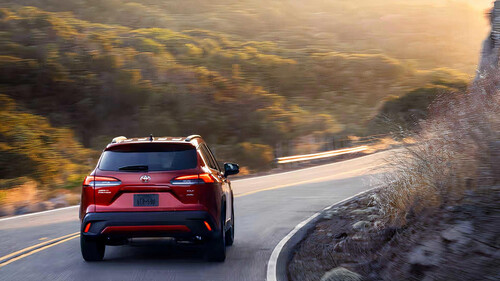
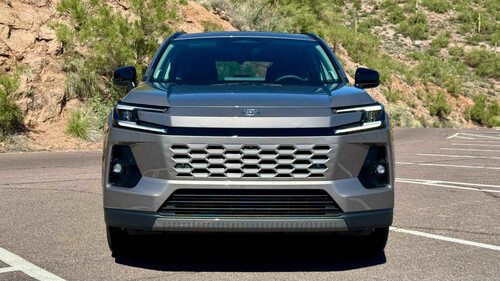
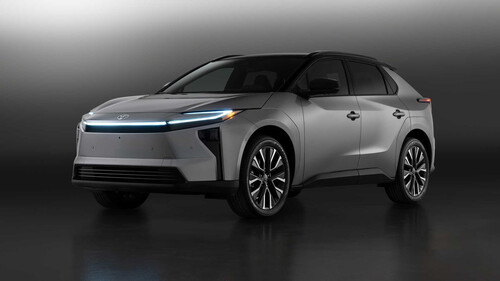
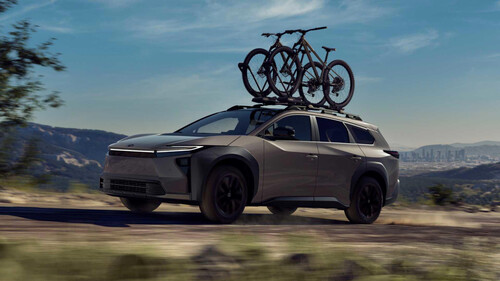
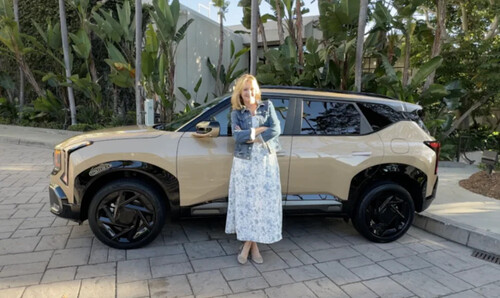
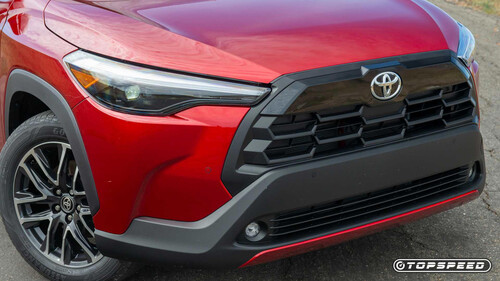
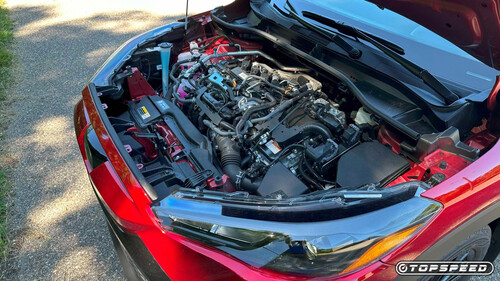
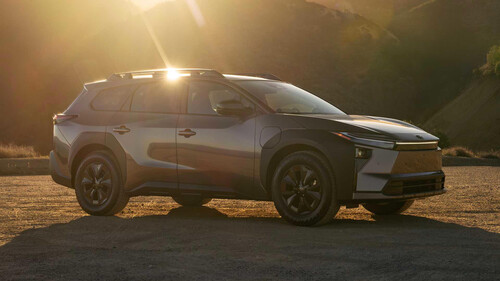
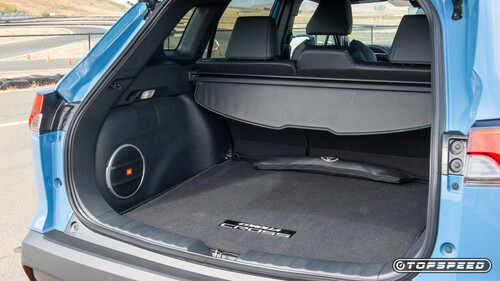
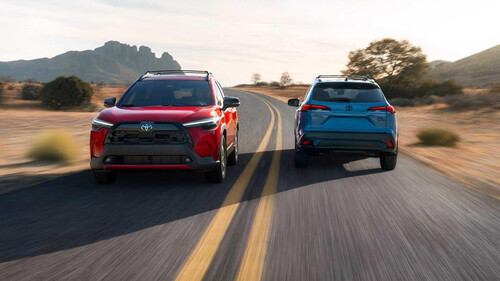
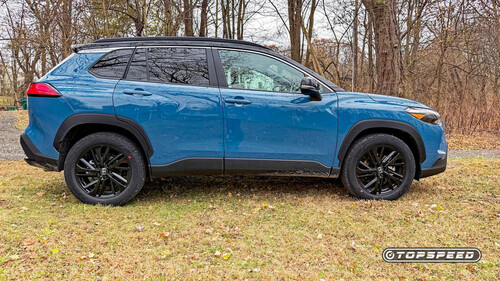
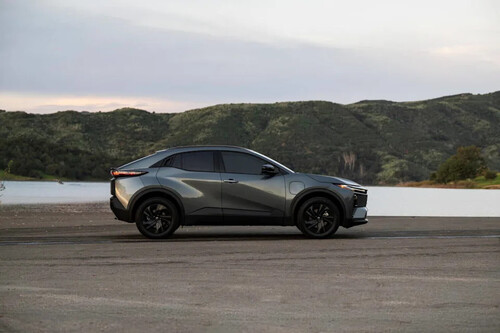
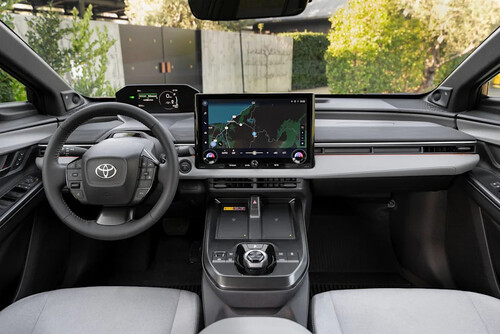
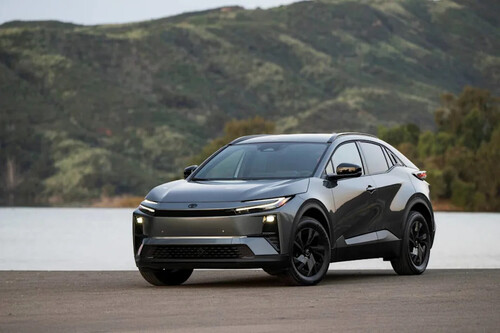
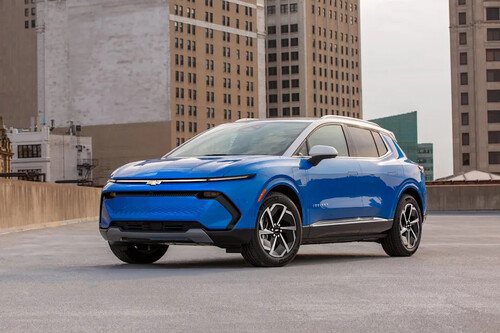
American car consumers are viewing ownership costs as biggest influence of their purchasing decisions. This is a response to the rising total cost of private mobility, which has fundamentally been restructured around higher baseline expenses. While inflating SUV MSRPs have settled, the annual cost of keeping a vehicle on the road has climbed substantially. Driving this is the pressure from higher insurance premiums and more expensive repair costs. Modern vehicles now feature sensors and complex electronics that are harder to repair. This has caused labor rates to dramatically increase.Insurance companies have also adjusted rates upward to match these expensive repair and parts requirements. Furthermore, as electric cars continue to face steeper depreciation compared to internal combustion engines, savvy buyers are looking beyond the purchase price to calculate the ownership cost. This factors in fuel, maintenance, and the share of total costs attributed to value loss. This shift in behavior marks a transition where the monthly car payment is no longer the only major line item. Instead, consumers are increasingly focused on long-term financial sustainability and protecting themselves against the rising maintenance debt associated with aging models. SUVs Are The New Golden Goose 2024 Toyota Corolla Cross-40The popularity of compact crossovers and SUVs has surged in 2026. This solidifies the segment's position as the dominant force in the American automotive market by capturing almost half of all new SUV purchases. It's a shift that is largely driven by a significant migration of consumers away from traditional sedans in favor of vehicles that offer better daily versatility. This includes the maneuverability and fuel efficiency of a smaller car paired with the elevated seating position and cargo versatility of an SUV.In an increasingly urbanized landscape across the U.S., higher-riding vehicles have become the preferred choice for many buyers primarily focused on city commuting. New models also typically feature advanced Level-Two driver assistance systems, which are now essential to the consumer. Furthermore, the segment has benefited from a rapid influx of hybrid and mild-hybrid options, which now account for a growing share of sales as manufacturers use modular platforms to lower production costs. American consumers are no longer willing to sacrifice utility for economy, choosing instead the refined, tech-heavy, and adaptable nature of the modern compact crossover. Toyota's Industry-Leading SUV Strategy Toyota Toyota’s strategy in the U.S. for 2026 continues to center on a diverse and active approach. The Japanese brand prioritizes a diverse lineup of crossovers and SUVs that cater to varying consumer needs rather than pivoting exclusively to battery-electric vehicles. This strategy has proven exceptionally successful. As of the first quarter of 2026, the brand's hybrid vehicles accounted for over 50 percent of total sales volume. This is a milestone that reinforces their market dominance. Sales of their most popular compact and midsize utility models remain at historic highs.Specific off-road-focused entries saw year-on-year surges as high as 84 percent for internal combustion variants and even more dramatic triple-digit growth for their hybridized counterparts as new generations reached dealerships. Toyota introduces hybridization as a core powertrain pillar, often making it the standard or exclusive offering for high-volume models to normalize the technology. By integrating planetary gear-based power split devices and high-capacity lithium-ion batteries across its catalog, the brand offers a seamless driving experience that requires no change in consumer behavior. Toyota's choice to standardize hybridization effectively captures 37 percent of buyers who prioritize long-term resale value and low maintenance costs over the early adoption of fully electric platforms. The Toyota Corolla Cross Hybrid Is A Cost-Effective Hero Toyota According to Edmunds, a Toyota Corolla Cross Hybrid ownership experience can cost you $30,414 over five years and 60,000 miles. This includes having you spend $3,381 on maintenance, $601 on repairs, and $8,401 on depreciation. CarEdge indicates that the average five-year ownership experience of the entire range comes in at $37,059, which includes spending $9,940 on depreciation, $7,220 on fuel, and $1,873 on maintenance.J.D. Power gives the 2026 Toyota Corolla Cross range with an 80/100 consumer-verified overall score, which includes 82/100 for quality and reliability, 73/100 for the driving experience, 88/100 for resale, and 76/100 for the dealership experience. iSeeCars issues the same model with an 8.8/10 retained value rating, indicating that the model will lose $8,810 or 30 percent of its value in five years, which is somewhat lower than most of its key rivals. Competitively Low Pricing Amee Reehal | TopSpeedThe Corolla Cross Hybrid range starts at $29,595 for the entry-level S trim. The SE follows this with a $30,915 price tag, after which you get the flagship $33,630 XSE derivative, making the range a competitively priced model that should appeal to most new car buyers wanting a balanced hybrid vehicle. These prices exclude Toyota's $1,595 delivery, processing, and handling fee. The Corolla Cross sits on the same TNGA-C platform used by the sedan and hatchback variations. It's also a locally built model, with production taking place at the brand's Huntsville, Alabama plant. Unbeatable Long-Term Fuel Savings Toyota The Corolla Cross Hybrid also enjoys the benefit of being one of the most efficient hybrid crossovers currently available in the new car market, with its 46/39/42 MPG city/highway/combined EPA estimates. The 0.9-kWh battery pack means that the drivetrain possesses limited EV driving functionalities. It's a typical hybrid system that acts as a supplementary drivetrain to reduce the loss of power and lower the ICE's load, resulting in good fuel economy returns. Despite this, it will cover a very impressive 445 miles from a single 10.6-gallon tank.The Corolla Cross Hybrid's low running costs is another appealing factor. The EPA indicates that you will get to enjoy up to $4,000 worth of fuel cost savings over five years, together with an expected annual fuel cost of $1,600. You can also expect the compact hybrid crossover to cost $2.68 to drive 25 miles and $48 to refuel. Added Value From A Comprehensive Warranty Craig Cole | TopSpeed Like all Toyota hybrid models, the 2026 Corolla Cross Hybrid benefits from the brand's comprehensive standard warranty. This consists of a 36-month or 36,000-mile basic bumper-to-bumper warranty, together with a 60-month or 60,000-mile powertrain warranty plan. If you spot any noteworthy corrosion defects, Toyota will resolve these issues within a 60-month period. The battery and electric drive system benefit from the brand's class-leading 120-month or 150,000-mile protection plan. You also get the benefit of the brand's helpful ToyotaCare roadside assistance service for two years with unlimited miles and two complimentary scheduled maintenance services over 24 months or 25,000 miles. A Hybrid Engine You Can Trust TopSpeed | Michael FrankAll four Corolla Cross trims feature Toyota's naturally aspirated 2.0-liter four-cylinder Atkinson engine andtriple electric motor configuration, which made its first appearance in the current-generation Prius. A direct-drive eCVT transfers a combined 196 horsepower and 152 pound-feet to all four wheels, resulting in a claimed 0-60 MPH time of 7.3 seconds. Independent tests confirm this claim is accurate in real-world conditions. The engine and two electric motors power the front wheels, while a third motor positioned at the rear completes the all-wheel-drive configuration.In isolation, the ICE generates 169 horsepower and 152 pound-feet. The front electric motors produce 110 horsepower, while the rear produces 40 horsepower and 62 pound-feet. Toyota doesn't disclose its combined torque figure, so we don't really know how much twisting force it generates with the full drivetrain operating at maximum capacity. Compared to larger SUVs, it's not the strongest hauler, but you can tow up to 1,500 pounds if you fit the optional Activity Mount. No Compromise On Standard Features Amee Reehal | TopSpeedThe standard features for the 2026 Corolla Cross Hybrid include a seven-inch digital gauge cluster, flanked by an eight-inch touchscreen display that houses wireless Apple CarPlay and Android Auto connectivity. Entry-level materials are basic, with fabric-trimmed 60/40 split fold-flat seating on the Hybrid S.Moving up the trim ladder grants you access to more premium features such as the 12.3-inch gauge cluster, a 10.5-inch touchscreen display, a leather-trimmed, heated steering wheel, premium upholstery, heated front seats, and wireless charging are just a few of the standard amenities on the top-trim Hybrid XSE.Amee Reehal | TopSpeedSpace-wise, the 2026 Corolla Cross Hybrid offers more than 38 inches of front and rear headroom, with 21.5 cubic feet of cargo space behind the second row. And while not class-leading, it offers plenty of practical space for daily grocery runs, weekend adventures, and everything in between. Its compact exterior proportions also make it easy to maneuver and park.