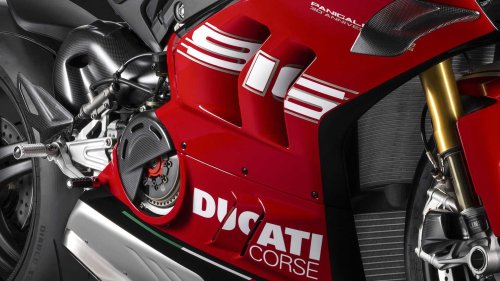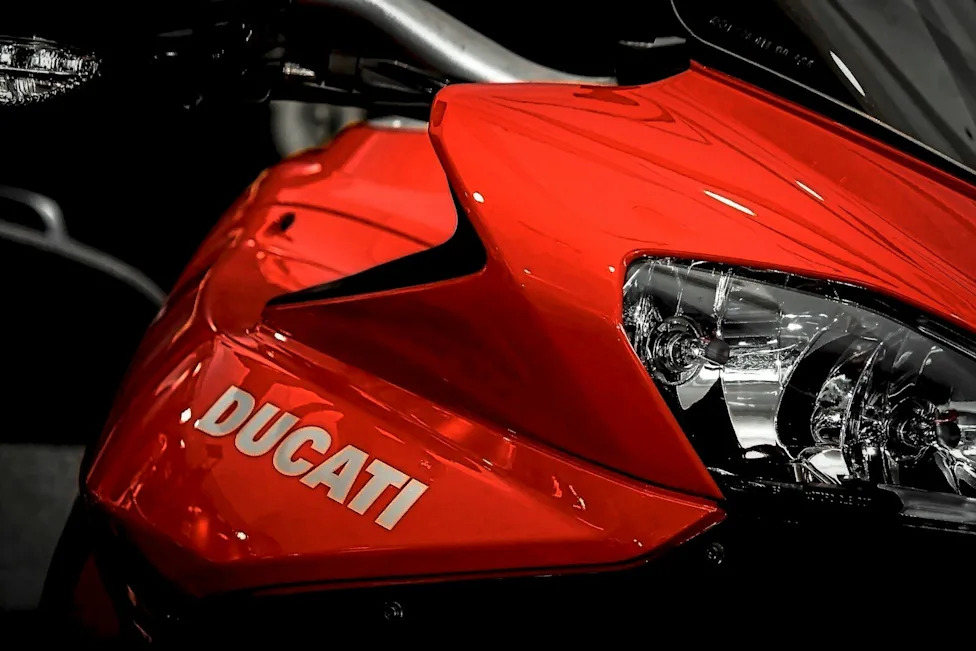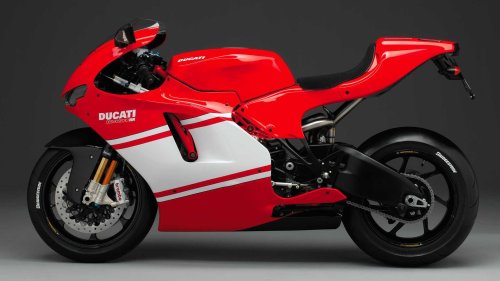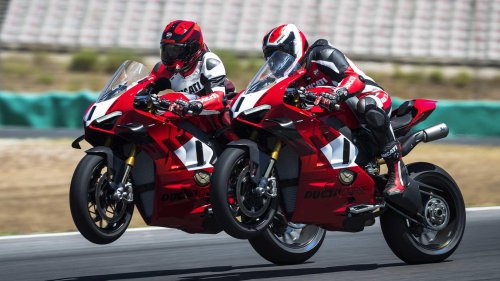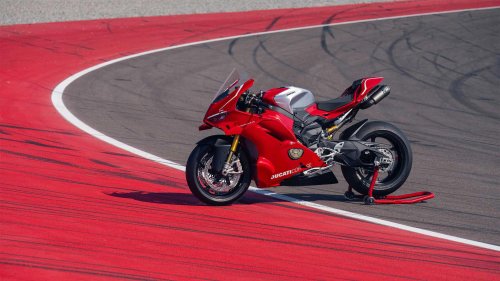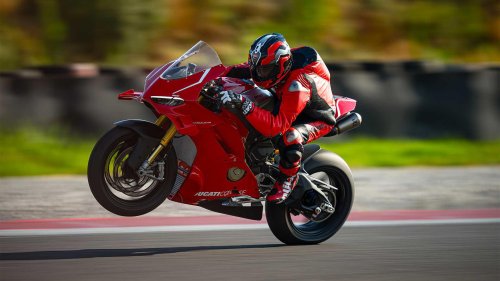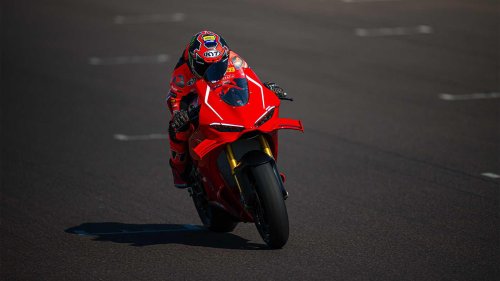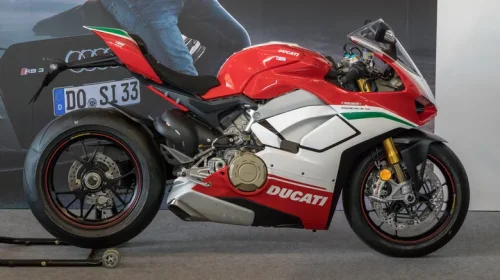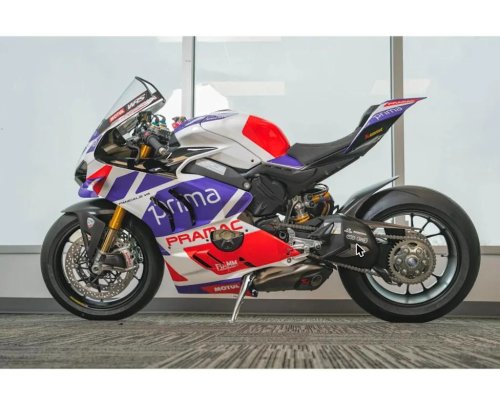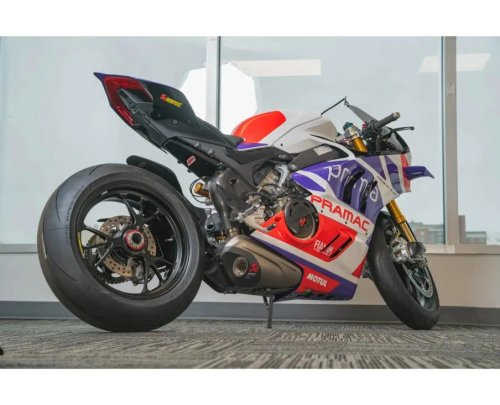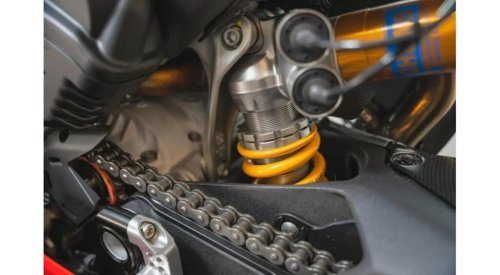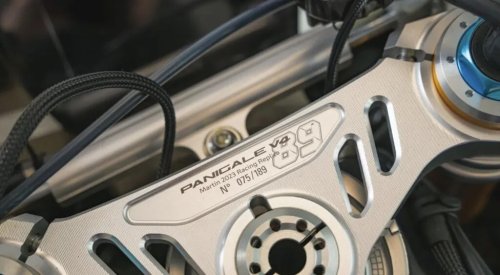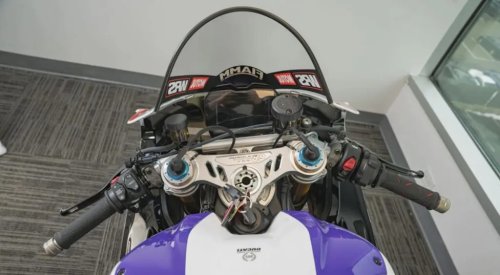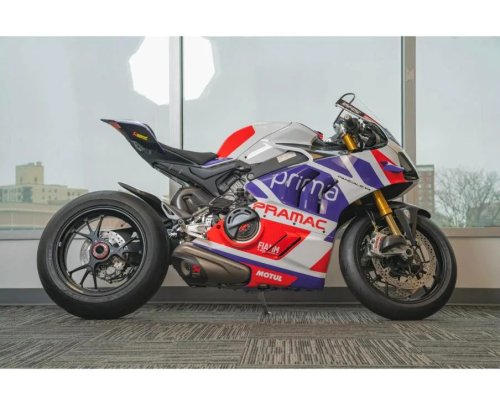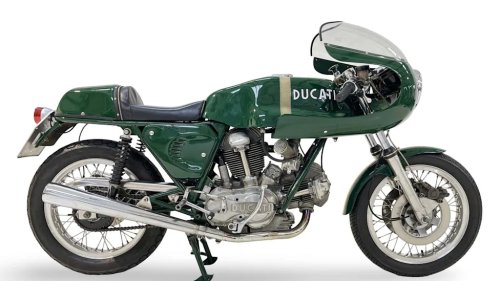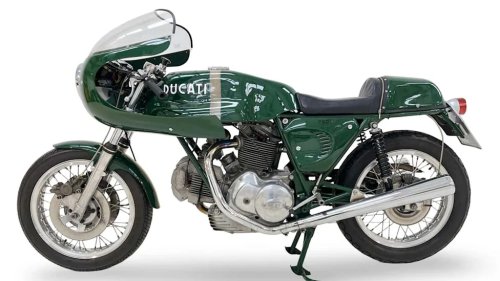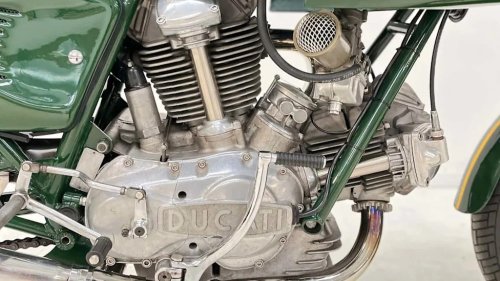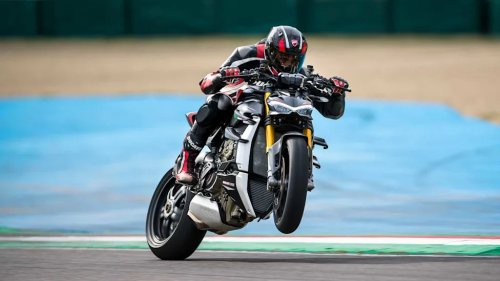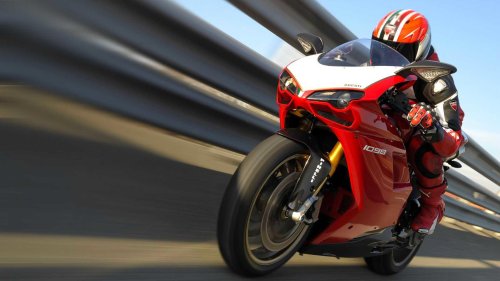
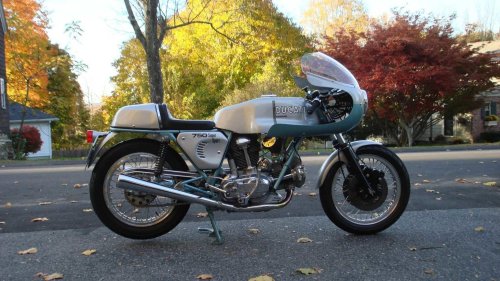
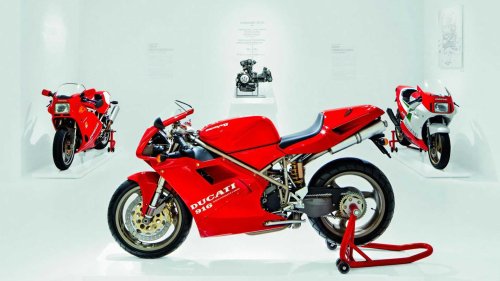
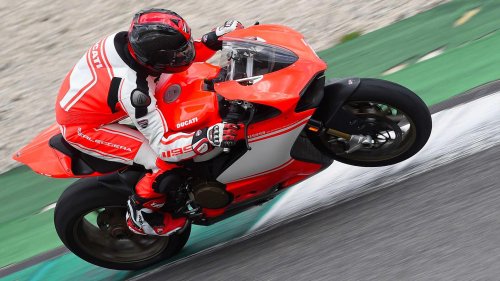
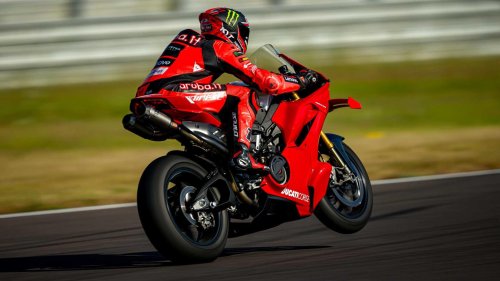
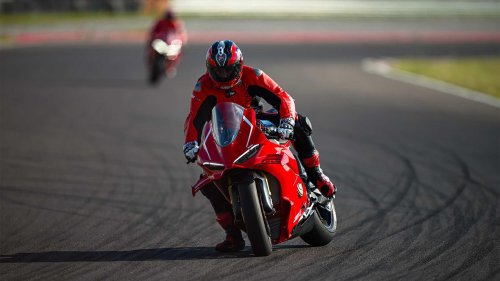
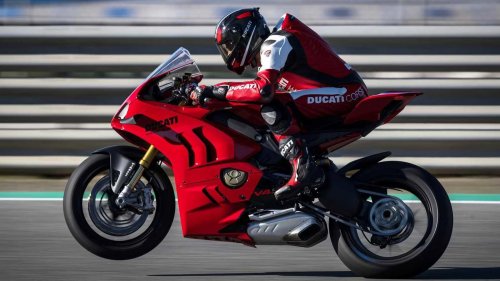
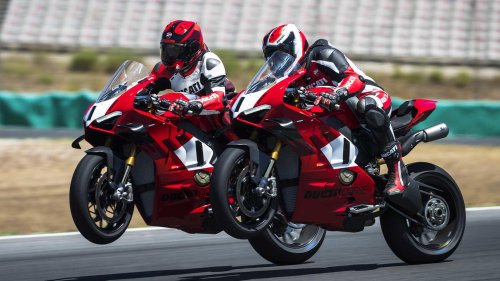
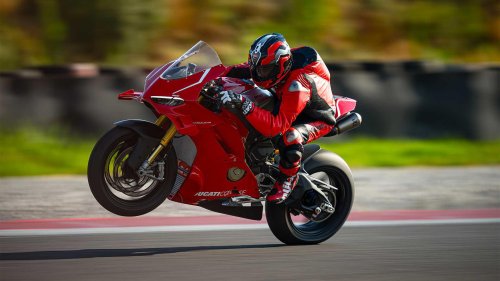
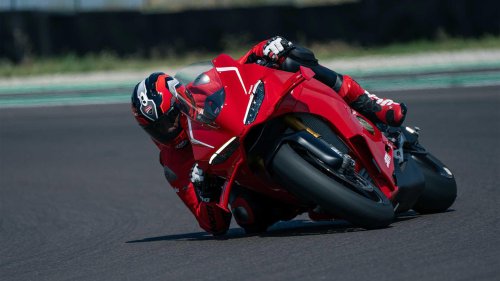
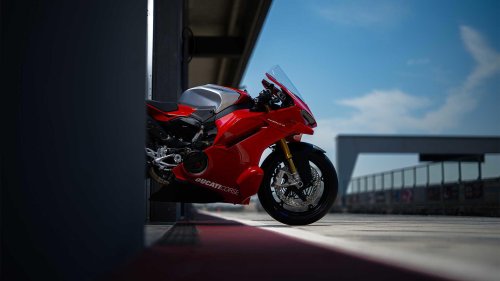
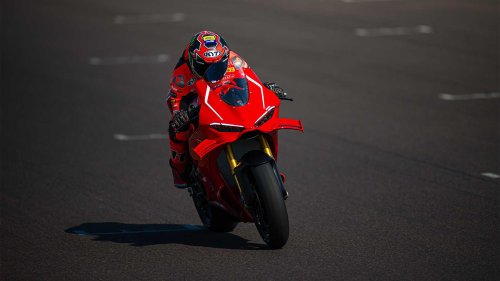
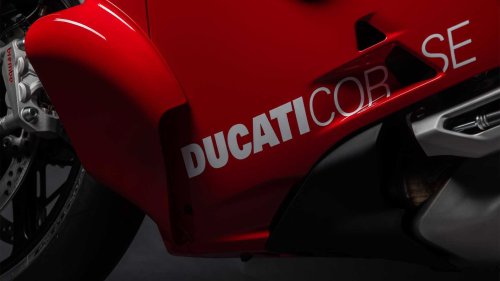
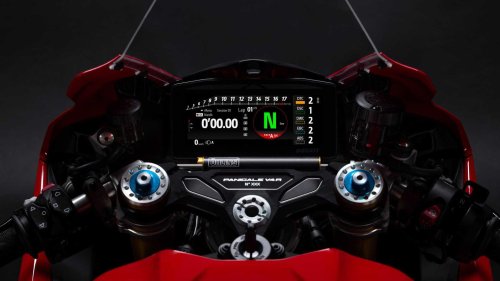
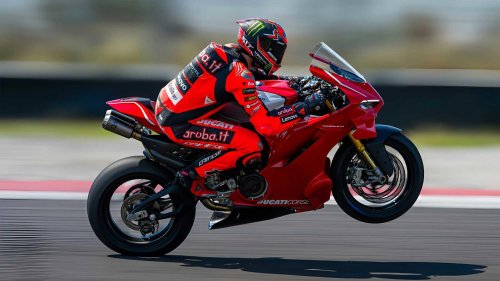



















When we think of Ducatis, red-hot track machines come to mind. The portfolio is clearly more widespread now with the Multistrada and DesertX ADVs, the Streetfighter naked bikes, and the Diavel power cruisers. But performance is still what defines a Ducati, and it is best portrayed on a sports bike. And in its illustrious superbike past, the best one has always been the latest offering. In 2026, that means the flagship and segment-leading sports bike built as a homologation special. Let's dive into that. Ducati: Ferrari Of The Motorcycle World DucatiDucati is called the Ferrari of the motorcycle world because these two brands are similar. Just like Ferrari, Ducati emphasizes exotic design, iconic styling, high-performance racing pedigree, and premium market positioning. The heritage is strong, embodying luxury, speed, and passion in engineering. Just as Ferrari dominates Formula 1, Ducati has an edge in MotoGP and WSBK.Historically, Ducati and Ferrari have also had engineering connections. Ducati's "Testastretta" engines of the 2000s benefited from Ferrari's input. This is because a former Ferrari engineer (Angelino Marchetti) was recruited to help design these cylinder heads. Then there is the famed Desmosedici engine, which is reported to share technical links, especially in bore size and valve-per-cylinder configuration, with the 1995 Ferrari 004/1 3.0-liter Formula 1 V12 engine. Iconic Ducati Motorcycles Over The Years Bring a Trailer Over the years, Ducati sports bikes have paved the way for everyday riders to enjoy racebike features on the road. Hence, these Italian sports bikes (since the 1970s) have been redefining speed and precision handling. In fact, the iconic 750 SS was launched to celebrate the 750GT racebike's win at the 1972 Imola 200. It was powered by a 90-degree V-twin engine producing 70 horsepower. This was also the precursor to the bigger and more powerful 80-horsepower Ducati 900 Super Sport, one of the most desirable bikes of the 1970s. What Defines A Ducati Ducati Then came the fully faired era with the likes of the 1980s Ducati 851, the 1990s Ducati 888, the Ducati 916, and the Ducati 996. The 2000s Ducati 998 was one of the first mass-produced bikes to utilize the famed Testastretta head design. The following Ducati 999 is a visual treat with its vertically stacked circular headlamp design.Ducati Then, the 2012 Ducati 1199 Panigale was the first to use the 'Panigale' nameplate. It was claimed to pack the most powerful production twin-cylinder engine of the time, with 195 horsepower. Since then, the "Panigale" tag has become synonymous with uncompromised race-bred performance, exotic and intimidating visual appeal, and top-spec technology to keep things under control. The Panigale V4 R Justifies Ducati's Reputation In One Ride Ducati All Ducati sports bikes emphasize track performance and pack ample punch to make the competition take note. Even the new "softer" Panigale V2, with a smaller, less powerful engine, still pokes the competition with its balance of track-going dynamics and daily-ridable, rider-friendly packaging. But it is the flagship Panigale V4 that takes the top spot. And the one that instantly justifies Ducati's reputation of being a no-compromise track-day performer is the Ducati Panigale V4 R.DucatiIt takes the spotlight for being a racing homologation bike built to bring WSBK experience to the masses. Hence, every component on the V4 R is either track-spec or derived from years of Ducati's racing experience. The latest-gen Panigale V4 R builds upon the already aggressive standard V4 model.It is also the first bike homologated for road use with Corner Sidepods and the Ducati Racing Gearbox with Ducati Neutral Lock (DNL). From aerodynamics to the technology suite, everything is designed and built in the image of hardcore racebikes. All of its bleeding-edge features and the racebike experience it offers also justify its eye-popping starting price of $49,995. History Of The Homologation Special Panigale DucatiThe first-ever Panigale V4 R broke cover as a 2019 model. It featured a high-revving 998 cc Desmosedici Stradale R engine, a dry clutch, and advanced carbon-fiber aerodynamics. Ducati has continued to evolve and update the V4 R despite every consecutive model year packing the absolute best of what the brand has to offer. The next major update came for the 2023 model, with everything from the engine to aero, chassis, and electronics getting an overhaul.Ducati The power was increased to a whopping 240.5 horsepower (in track configuration with racing exhaust), with a higher peak RPM of 16,500, thanks to lighter engine internals, including "gun-drilled" titanium connecting rods. The current-gen model builds on the new seventh-gen Panigale V4 with greater aggression and track-going precision. Key updates over the last-generation model include 25 percent higher downforce, a redesigned chassis with 40 percent lower stiffness, 5 percent lighter pistons, and a heavier crankshaft for increased rotational inertia. Powered By A Racebike-Derived V4 Screamer DucatiThe 2026 Panigale V4 R utilizes an updated 998 cc Desmosedici Stradale R V4 engine. It produces 218 horsepower and 84 pound-feet of torque in its standard configuration. Unfortunately, the US-Spec model is detuned to 208 horsepower and 83 pound-feet of torque due to stringent norms. Nevertheless, the complementing track-focused hardware still makes the riding experience grin-worthy. The party trick is a special race exhaust and superior engine oil that helps bump the power to 239 horsepower. This, when coupled with its longer final drive, helps the 2026 Panigale V4 R hit a top speed of over 205 mph (V-Box claimed).Ducati's new Race Gearbox and Neutral Lock contribute to its aggressive acceleration and top speed. Firstly, the gearbox uses a racebike pattern (N-1-2-3-4-5-6 instead of the common 1-N-2-3-4-5-6) which eliminates the neutral between the first and second gears. This helps with quicker, smoother, and more repeatable shifts without loss of precious milliseconds on the racetrack. Also, the Neutral Lock helps prevent accidental shifting into neutral from the first gear via a manual lever on the handlebars. Bleeding-Edge Underpinnings For Razor-Sharp Dynamics Ducati Ducati uses a lightweight aluminum monocoque chassis on the V4 R, which is suspended by top-spec Ohlins suspension. The front gets NPX25/30 43 mm pressurized inverted forks, and the rear gets an Ohlins TTX36 monoshock. Both ends get full adjustability, and the rear shock can also house a linear stroke sensor. The chassis is coupled to a double-sided swingarm, which is one of the most discussed updates over the last-gen model. While it doesn't look as exotic as a single-sided swingarm, it does help maximize grip and reduce weight for a better riding experience.Ducati Braking duties are handled by 330 mm discs up front with Brembo HyPure calipers. The rear gets a 245 mm disc with two-piston Brembo calipers. Grip duties are taken care of by Pirelli Diablo Supercorsa SP V4 tires wrapped around forged aluminum alloy wheels. These can be upgraded to race-spec Pirelli slicks, the same ones used in the Superbike World Championship. Ducati also offers lighter carbon fiber wheels as an option. Wings And Other Clever Aero To Keep It 'Grounded' DucatiAerodynamics plays a crucial role in enhancing the handling characteristics of the V4 R. The last-gen model already featured technically sound winglets. On the 2026 model, these have been swapped with a larger pair that claims to offer 25 percent more vertical load. This translates to about 10 pounds of downforce at 167 mph and 13 pounds at 186 mph.Ducati Another neat new feature is its sidepods. These sit at the lower front of the fairings and utilize ground effect when cornering. In simpler terms, these help the V4 R corner faster and hold a tighter line at higher speeds. The fairing extractors and front fender are also tweaked for better heat management and improved cooling over the last-gen model. Technology Features Of The Highest Order DucatiDucati has left no stone unturned on the Panigale V4 R. It gets the latest and greatest technology from the brand. The cockpit features a 6.9-inch TFT that serves as the interface to its extensive array of performance and assistive features. It has four power modes (Full, High, Medium, and Low) and five ride modes (Race A, Race B, Sport, Road, and Wet), plus a race-spec electronic combined braking system.Ducati On the assistive front, features like traction control, wheelie control, slide control, and launch control help the rider control this beast. Other track-focused features include a pit limiter, a lap timer, and an auto tire calibration system. A special feature here is a grip meter, which helps the rider assess tire grip via a graphic display, similar to what we see in motorcycle racing games like MotoGP and the Ride series.Source: Ducati