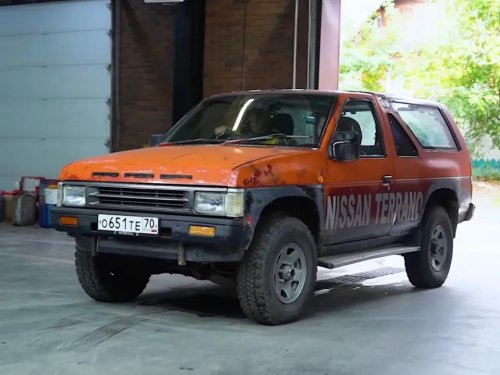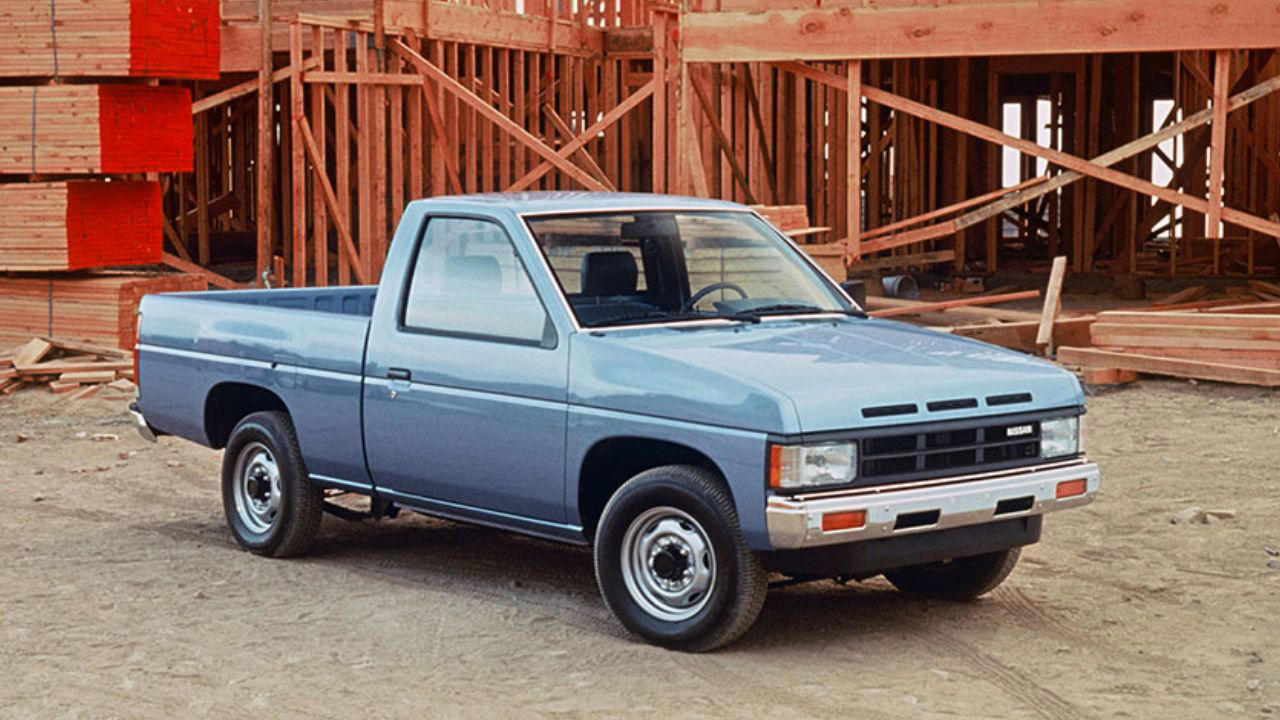


















Compact and rugged the 1989 Nissan Hardbody earned its reputation quietlyThe 1989 Nissan Hardbody, a compact and durable pickup truck, quietly carved out a reputation for itself in the automotive world. Known for its rugged design and reliable performance, this vehicle became a symbol of dependability and efficiency. Delving into the history, design, performance, and enduring legacy of the iconic Nissan Hardbody reveals why it has remained a beloved choice for enthusiasts and a reliable workhorse for everyday drivers. The Birth of the Nissan Hardbody In the early 1980s, the automotive industry witnessed a shift in consumer preferences, with an increasing demand for compact trucks that offered both utility and affordability. The market was ripe for innovation, and Nissan capitalized on this opportunity by introducing the Hardbody in 1985. This era was marked by economic challenges and a growing desire for vehicles that could balance practicality with performance. As a result, automakers scrambled to create models that could meet these demands, and Nissan’s Hardbody became a standout. Nissan’s strategic decision to develop the Hardbody was informed by extensive market research and a keen understanding of consumer needs. The design and development process was meticulous, focused on creating a vehicle that was not only functional but also appealing to a wide audience. The Hardbody’s market positioning was clear—provide a reliable and durable truck that could handle both urban and rural environments with ease. Upon its release, the Hardbody was met with positive reviews from consumers and critics alike, praised for its balance of ruggedness and refinement. Design and Features The aesthetic appeal of the Nissan Hardbody was one of its defining features. Its distinctive design elements set it apart from other trucks on the market at the time. The angular lines, bold grille, and robust stance gave it an unmistakable presence on the road. The design was not merely about looks; it was about functionality, with a focus on enhancing the truck’s aerodynamic efficiency and overall performance. Inside, the Hardbody was designed with practicality in mind. The interior was spacious enough to accommodate both driver and passengers comfortably, while the dashboard layout was intuitive and user-friendly. This blend of utility and comfort made the Hardbody a popular choice for those who needed a reliable vehicle for work and leisure. Technological advancements were also a hallmark of the Hardbody, with features that were ahead of their time, such as improved suspension systems and advanced safety features that enhanced the driving experience. Performance and Durability The performance of the Nissan Hardbody was underpinned by its robust engine and mechanical reliability. It came with a range of powertrain options, each engineered to deliver dependable performance across various driving conditions. The engines were known for their durability, offering a blend of power and efficiency that made the Hardbody a versatile choice for drivers who needed a truck that could handle both heavy loads and daily commutes. Off-road capabilities were another area where the Hardbody excelled. Its design allowed it to tackle rugged terrains and adverse conditions with confidence, making it a favorite among outdoor enthusiasts and those who required a vehicle that could perform in challenging environments. The truck’s longevity was a testament to its build quality, with many Hardbody models still on the road today, thanks to their durable construction and reliable components. Cultural Impact and Popularity The Nissan Hardbody quickly became a fixture in various communities, embraced for its versatility and practicality. It was favored by tradespeople, outdoor adventurers, and even families who appreciated its ability to adapt to different needs. The truck’s reputation for reliability and toughness made it a trusted companion for those who required a vehicle that could withstand the rigors of daily use. In addition to its everyday practicality, the Hardbody also found its way into popular culture. It made appearances in films and television shows, often portrayed as the quintessential hardworking vehicle. This cultural presence further solidified its status as an icon in the automotive world. As time passed, the Hardbody’s status evolved, becoming a sought-after collector’s item among classic car enthusiasts. Its combination of historical significance and enduring appeal made it a prized possession for those who appreciate its unique place in automotive history. Legacy and Influence on Future Models The impact of the Nissan Hardbody extended beyond its years of production, influencing the design and development of future Nissan trucks. The principles of durability, practicality, and performance that defined the Hardbody became integral to Nissan’s approach to truck design. This influence is evident in subsequent models, which continue to prioritize these attributes while incorporating modern advancements. The Hardbody’s impact on the broader pickup truck market cannot be overstated. It set a benchmark for what compact trucks could achieve, challenging competitors to elevate their offerings in terms of quality and performance. Its legacy lives on in the continued admiration it receives from both enthusiasts and everyday drivers. In today’s world, where vehicles are increasingly defined by technology and innovation, the Hardbody remains relevant as a reminder of the value of simplicity, reliability, and enduring design. Preservation and Restoration The restoration culture surrounding the Nissan Hardbody is a testament to its lasting appeal. Enthusiasts around the world have dedicated themselves to preserving and restoring these iconic trucks, ensuring that their legacy endures for future generations. This community-driven effort is marked by a passion for authenticity, with restorers often going to great lengths to source original parts and maintain the vehicle’s original charm. However, restoring a Hardbody is not without its challenges. Parts availability can be a significant hurdle, as many components are no longer in production. Enthusiasts have turned to creative solutions, such as fabricating parts or finding suitable replacements from other models, to keep their vehicles running. For owners looking to maintain and preserve their Hardbody, routine maintenance and the use of quality parts are essential. Regular inspections, proper storage, and attention to detail can go a long way in ensuring that these classic trucks remain roadworthy and cherished for years to come. More from Fast Lane Only Unboxing the WWII Jeep in a Crate 15 rare Chevys collectors are quietly buying 10 underrated V8s still worth hunting down Police notice this before you even roll window down