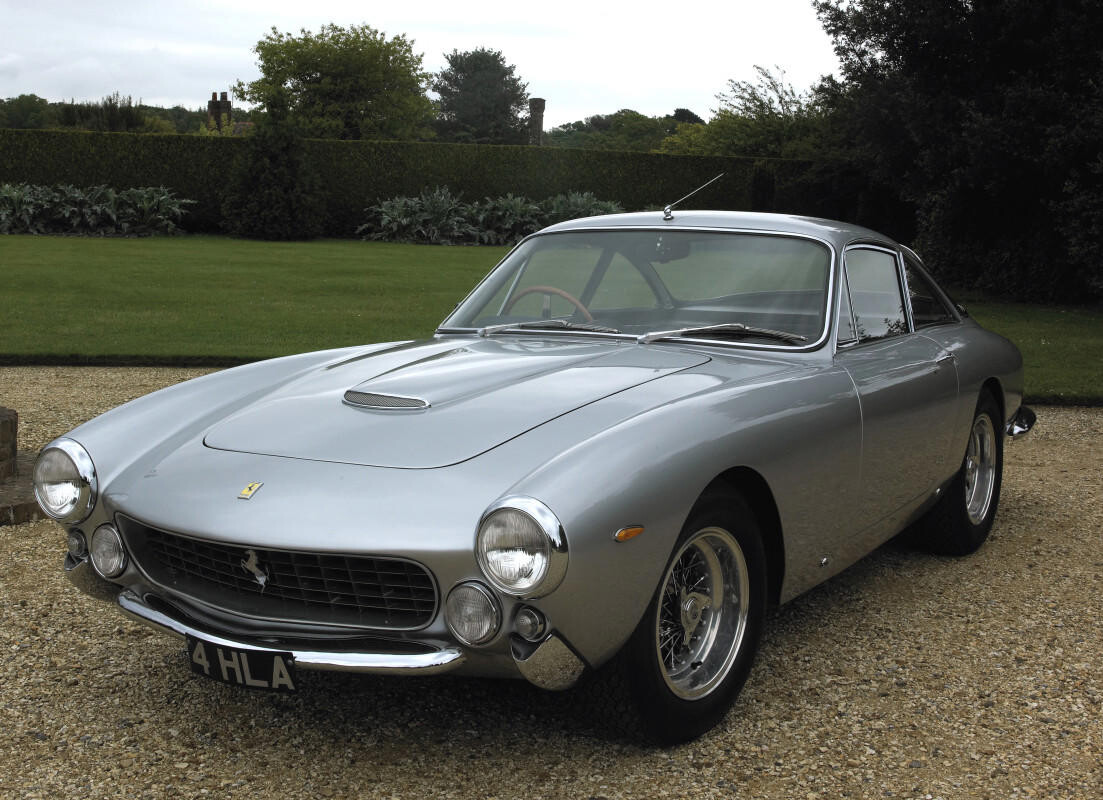
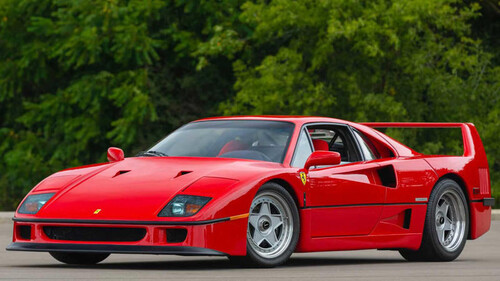
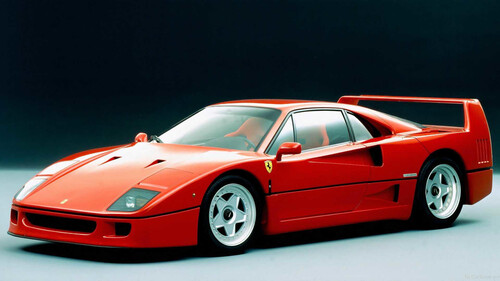
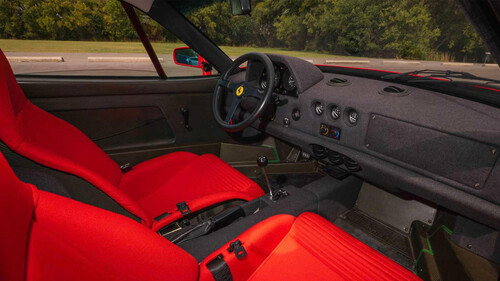
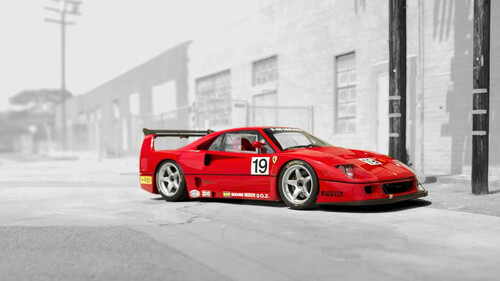
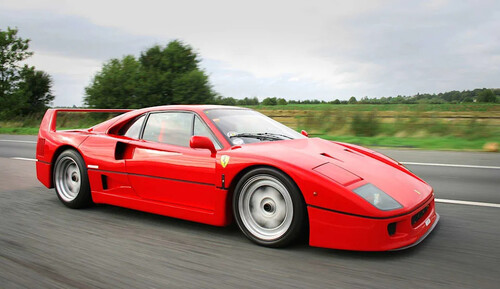
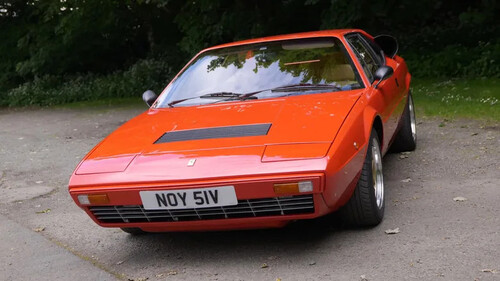
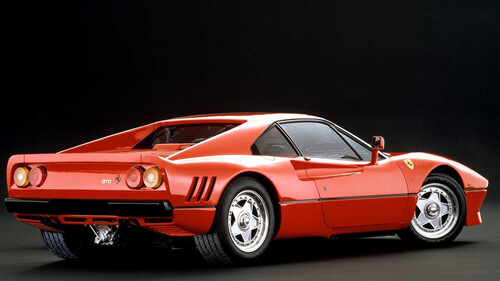
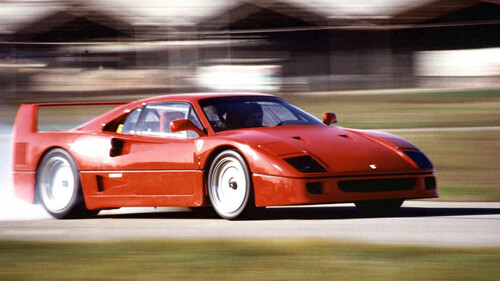
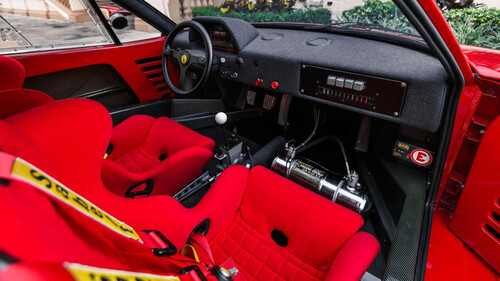
Racing dreams cost moneyEnzo Ferrari cared more about racing than about selling cars; however, he knew that moving units would be an effective way to achieve his racing goals. The quote “Jaguar races to advertise their cars. I advertise my cars so that they can race” from the 2023 biography film Ferrari highlights this mindset. The Italian economy suffered severe damage after WWII, making it nearly impossible for a racing team to be financially independent. Sponsorship was not well developed at that time, and it was costing more to design and build new chassis and engines. Still, some affluent car enthusiasts were willing to spend large sums on exotic vehicles that served as rolling billboards. To appeal to these individuals, Enzo had to build sports cars that elicited emotional responses through design, sound, performance, and overall aura. Over six decades, the following four vehicles kept Enzo’s racing dreams alive. 250 GT Lusso: the gentleman racer that paid the bills Imagine you are strolling down a street in an Italian town during the early 1960’s when you see a 250 GT Lusso. With its silky, low-key lines, no other car looked like the 250 GT Lusso. Produced for a short period from 1962 to 1964, the Lusso utilized the long-running 3.0-liter Colombo V-12 engine, which had been mated to coachwork by Pininfarina and completed by Scaglietti. Compared to the race-bred 250 GTO, the Lusso was more forgiving and less noisy. What truly set the Lusso apart was its style. Celebrities such as Steve McQueen and Eric Clapton owned a 250 GT Lusso, elevating its reputation. The Lusso arrived at a challenging time when key engineers had departed Ferrari, and racing costs spiked in 1961. Ferrari’s Lusso became a prototype of how the brand’s future success would be based equally upon emotional appeal and outright performance. Dino 246 GT: when Ferrari learned humility paid offBetween 1969 and 1974, the mid-engine Dino 246 GT was built. This vehicle paid tribute to Enzo’s son, who had passed away while changing Ferrari’s view of performance. Its sleek Scaglietti body made the Dino 246 GT agile and more approachable than other GTs. In addition, the Dino 246 GT was priced roughly half of a Ferrari 365 GTB/4 Daytona and rivaled the Porsche 911’s usability. During its run, about 2,295 examples were produced. However, based on today’s manufacturing standards, the number is considered relatively high. Although designed to be an entry-level sports car with a more modest view toward performance, the Dino 246 GT sustained Ferrari’s vision, ultimately receiving the brand’s badge in the mid-1970s. Enzo initially felt that giving it a Ferrari badge earlier would dilute the main brand’s appeal. The Dino 246 GT was lauded for its outstanding balance, and its V6 engine provided 195 horsepower.Need new tires? Save up to 30% at Tire RackFind the perfect tires for your exact vehicle and driving style. Click here to shop all top-tier brands, including Michelin, Bridgestone, and more, directly at Tire Rack. 308 GTS: pop culture meets profitMillions watched Tom Selleck in the hit show Magnum P.I., and when they did, they often saw him driving his Ferrari 308 GTS. As a result of this exposure, the 308 GTS achieved worldwide recognition without Ferrari buying a single ad slot. The mid-mounted 3.0-liter V8 engine powering the 308 GTS produced up to 255 horsepower. Early fiberglass models reduced overall weight, and later models were made of steel, enabling mass production. Ferrari was making cars at a faster rate than ever, and stricter U.S. regulations on emissions and safety standards put pressure on the company to implement standardized processes while still maintaining its mystique. However, the 1980s luxury car market boom helped the model’s prospects. Compared to other competitors (such as the Lamborghini Countach), the 308 GTS’s reliability and serviceability allowed it to thrive while many consumers were adversely affected by high inflation and short gas supplies. F40: the supercar as a financial weaponThe 308 GTS demonstrated that fame could equal funding. In comparison, the F40 exemplified how scarcity also creates value. The F40 was Enzo’s final model that he personally approved, and it was extremely successful. Initially, Ferrari intended to manufacture 400 examples of the F40; however, due to worldwide interest in the model, fueled by the supercar boom, they produced about 1,311 models between 1987 and 1992. The F40 produced 471 hp with a twin-turbocharged 2.9-liter V8, and its body was made of composite materials, including Kevlar, carbon fiber, and aluminum. Ferrari’s F40 was ultimately the brand’s response to Porsche’s 959, which was rooted in sophisticated comfort and usability.The paradox that built an empireFrom the Lusso’s elegance to the Dino’s humility, the vehicles above differed, but all financed Enzo’s racing ambitions. Despite Ferrari’s growing sales and revenue, the company has never lost sight of what it is about. To this day, Ferrari still sells profit under the guise of passion, and Scuderia Ferrari has won 16 Formula 1 Constructors’ Championships.