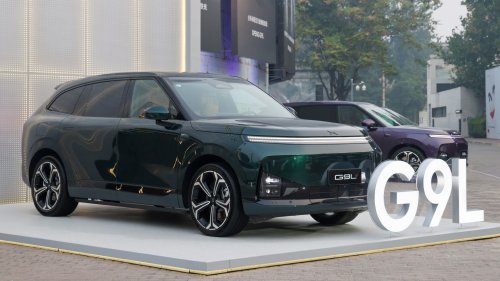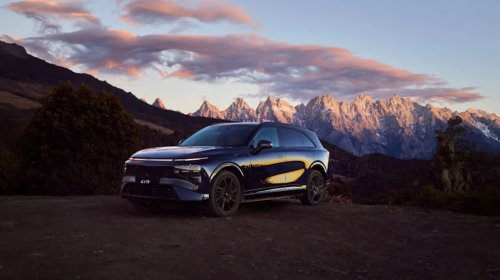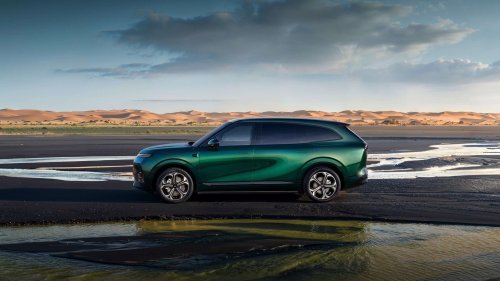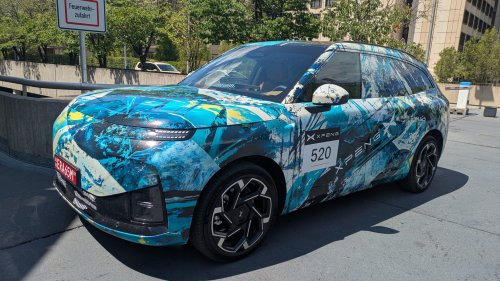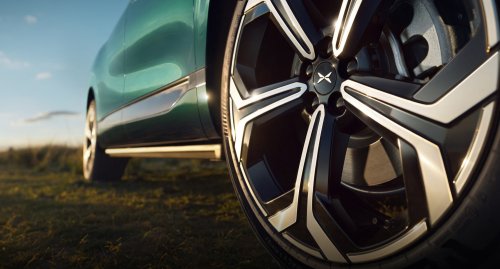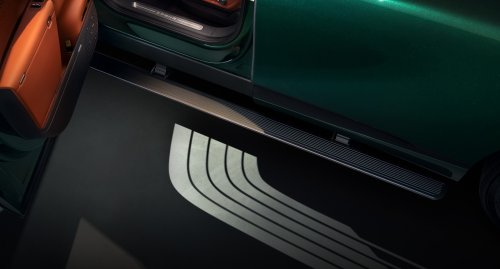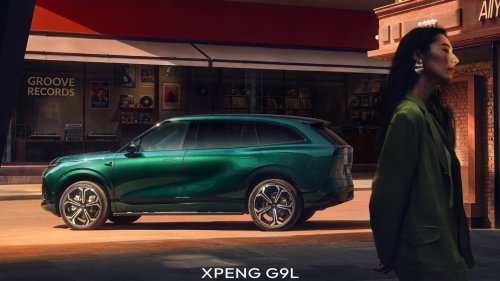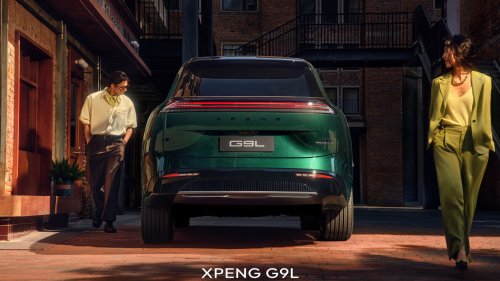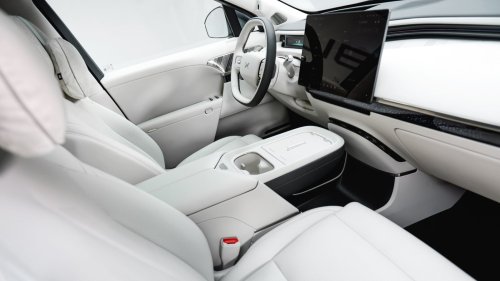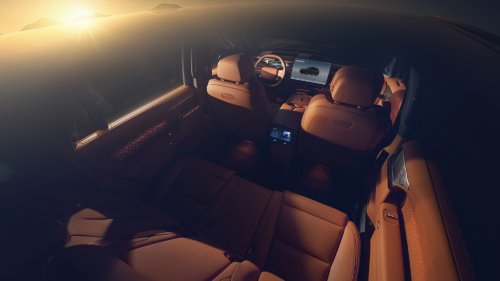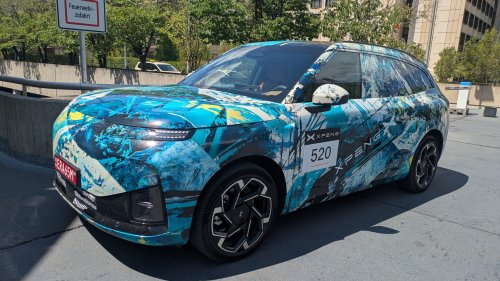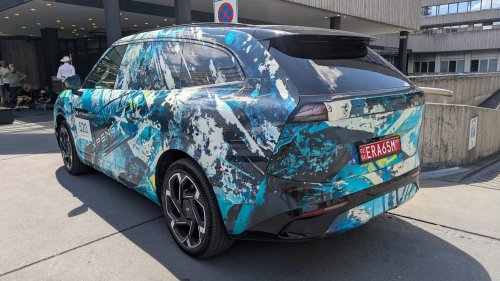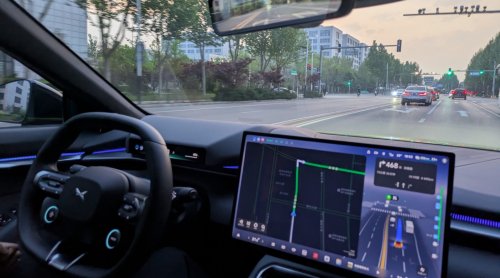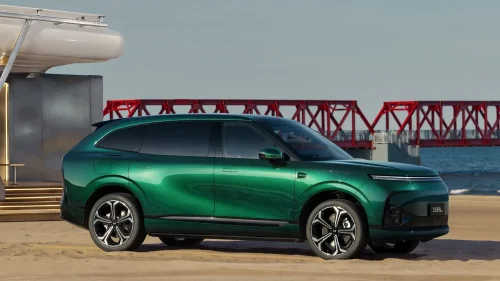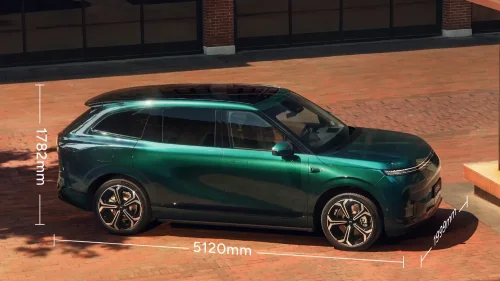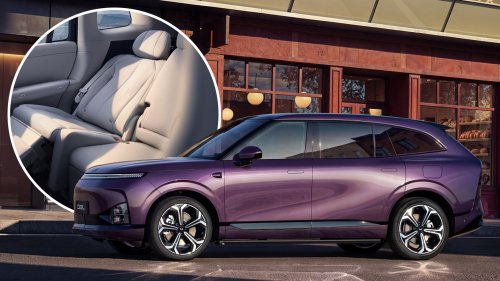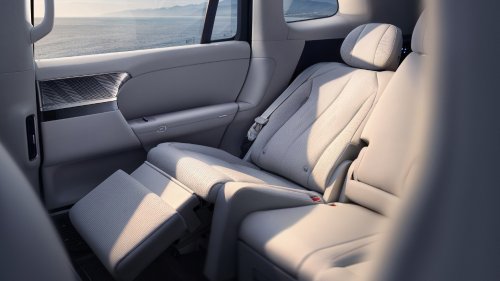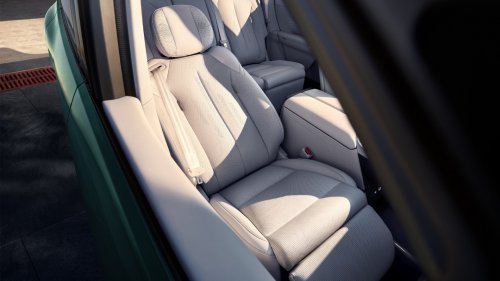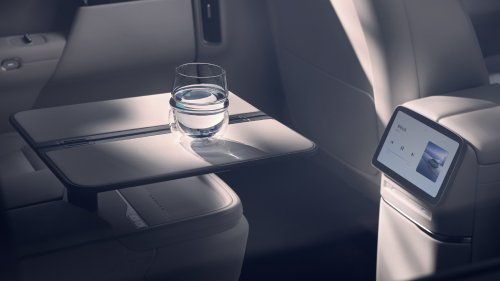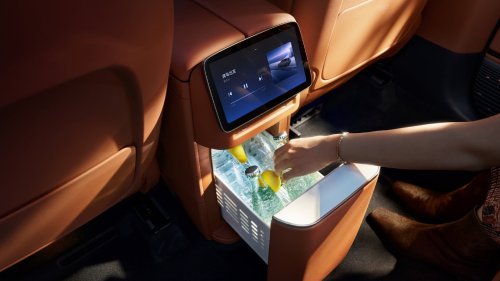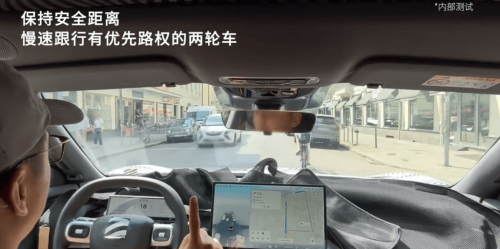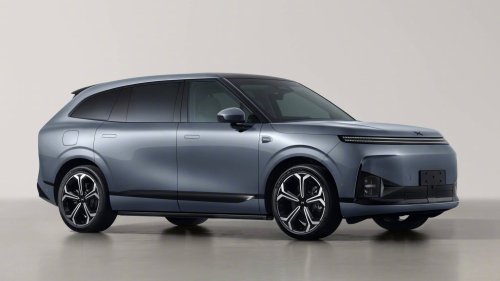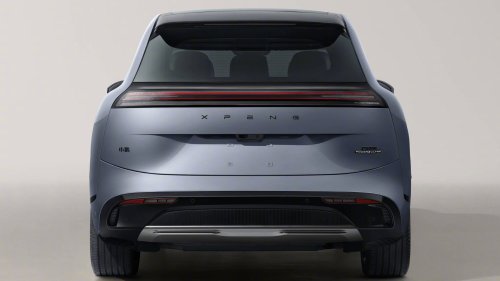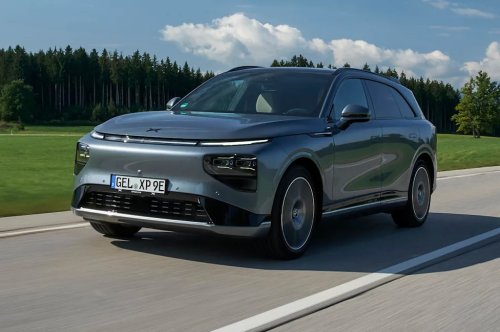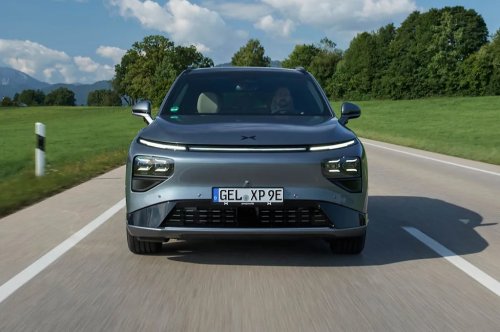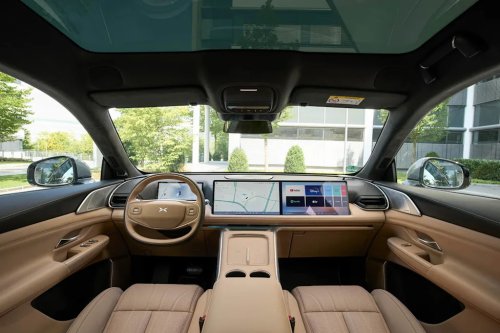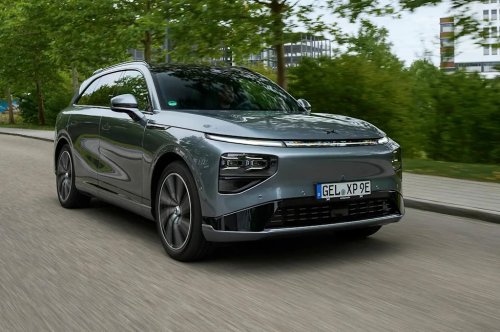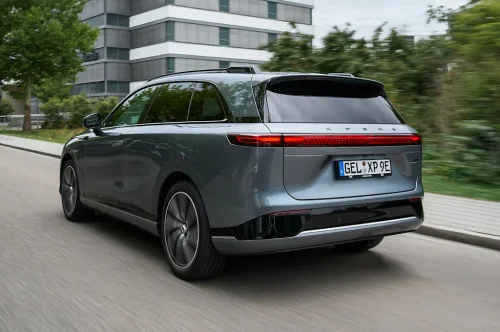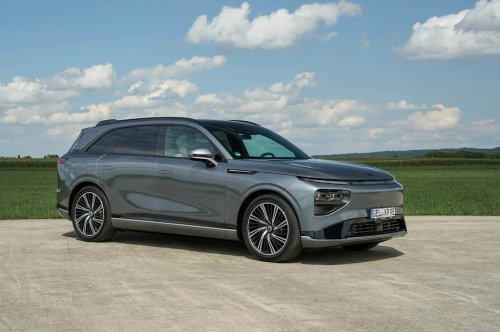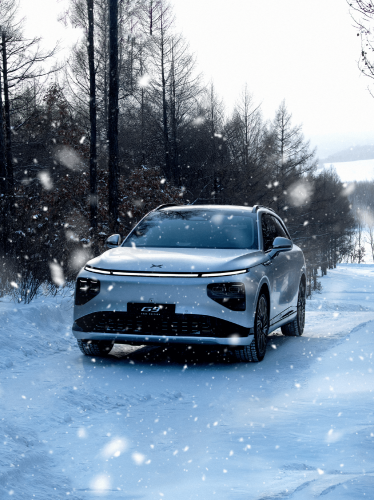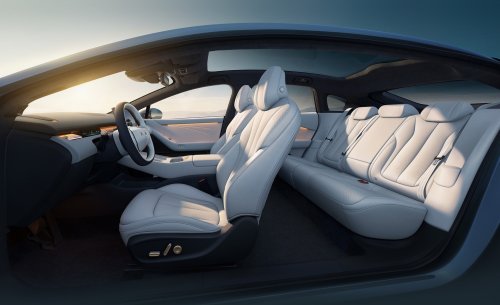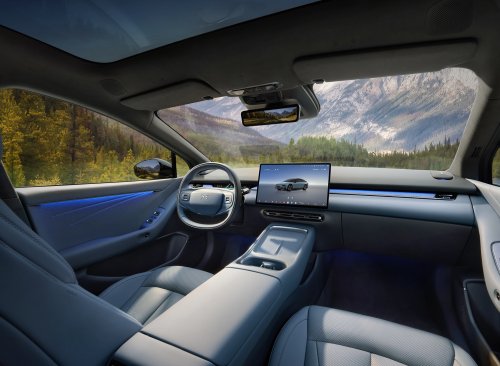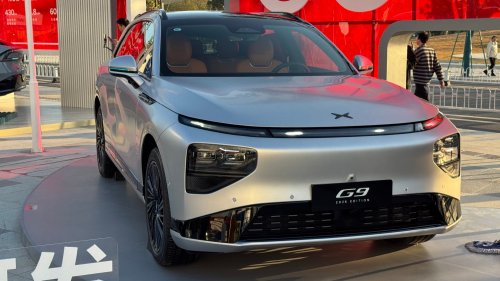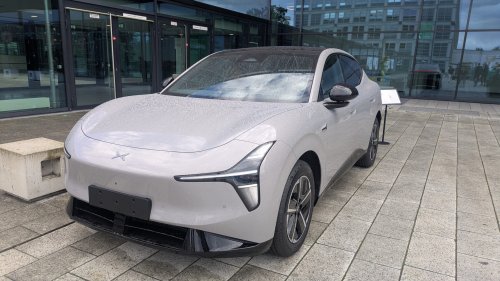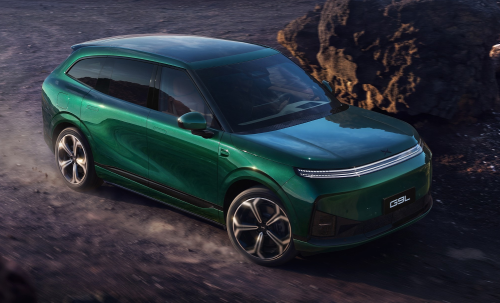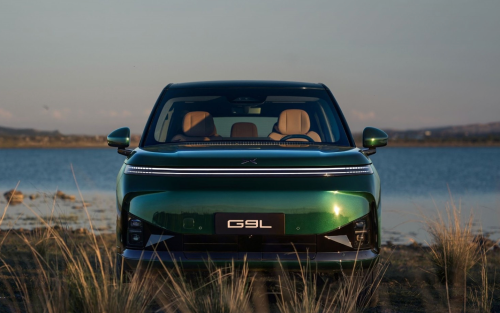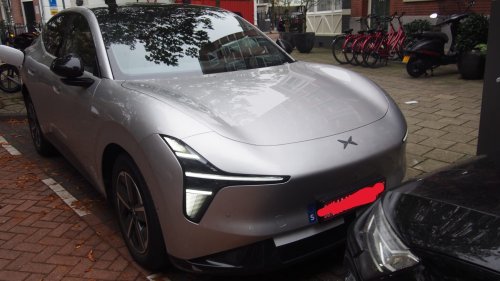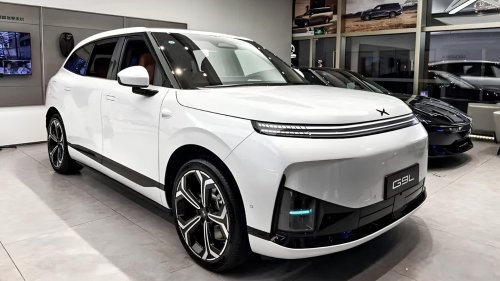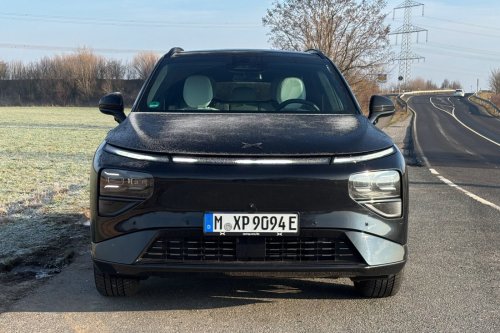
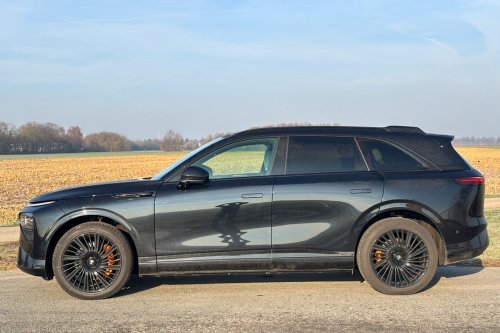
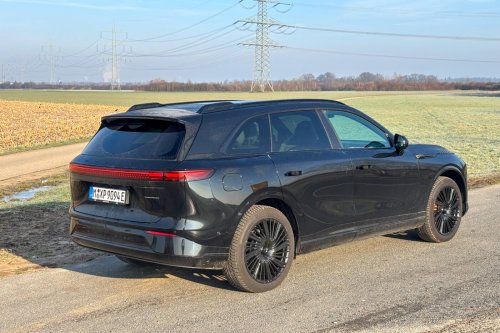
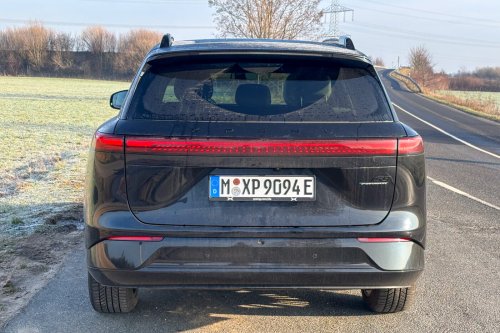

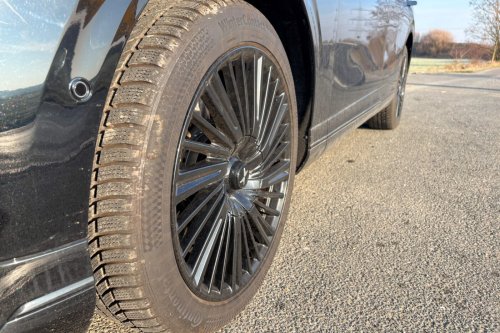
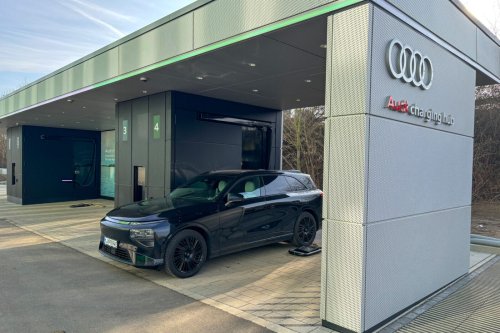
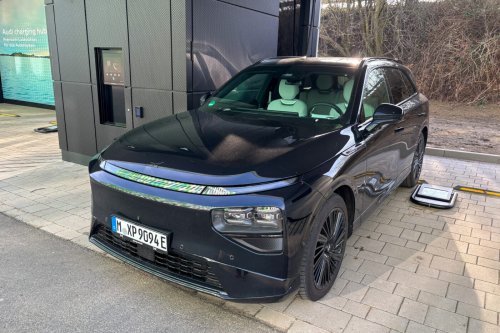
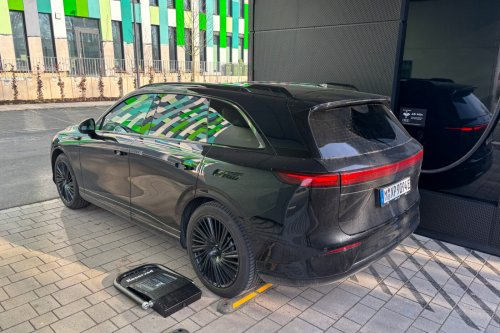
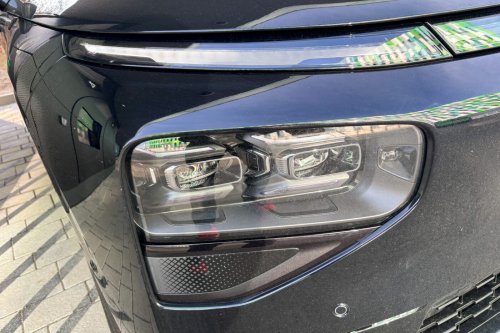
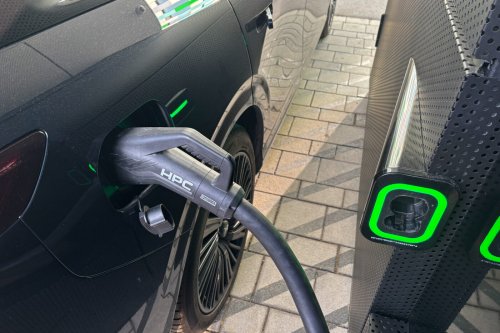
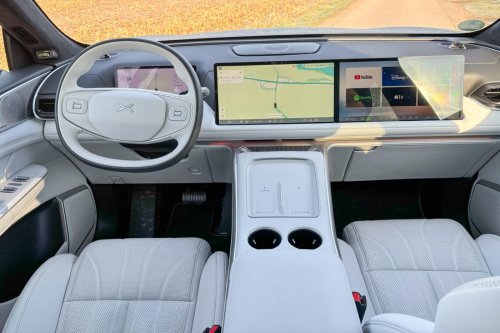
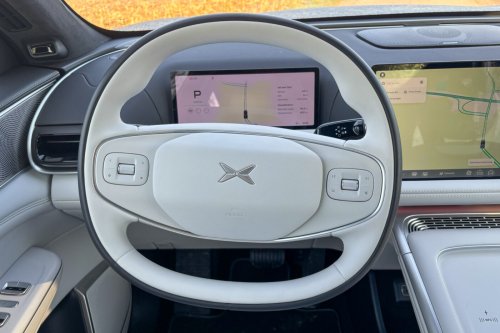
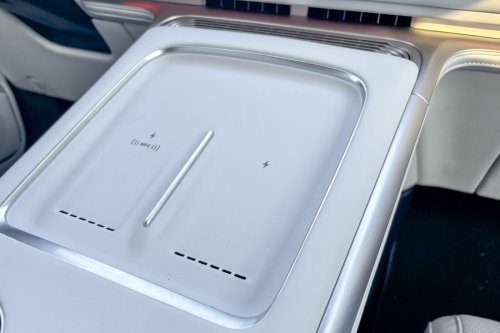
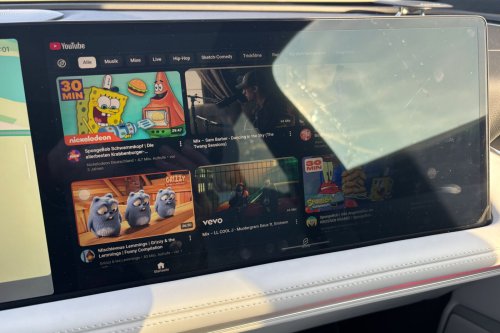
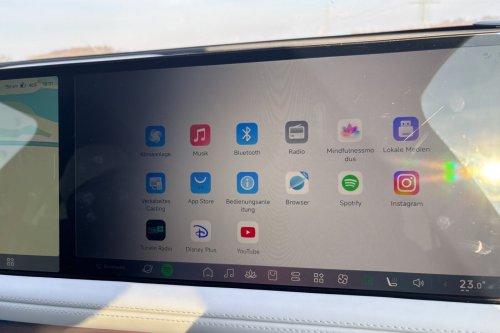
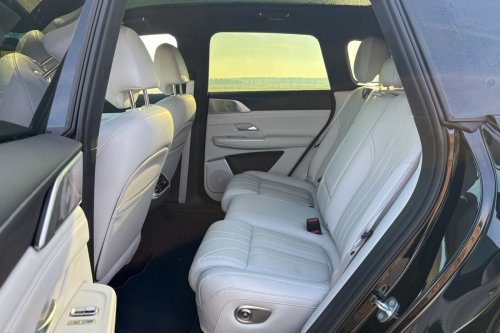
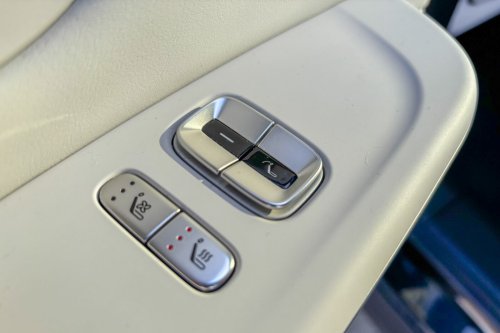
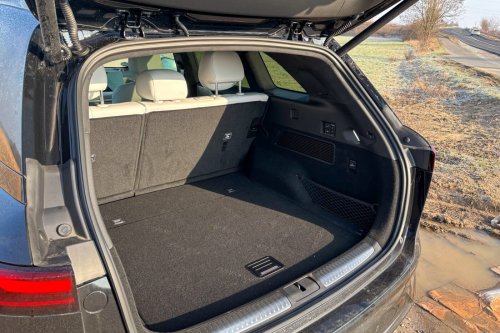



















For Chinese manufacturers, timelines often feel distorted. European customers may have been surprised when Xpeng introduced a facelift along with a battery upgrade for the G6 and G9 last year, as both SUV model ranges had only been available since 2024. Strictly speaking, however, this applies only to their availability in Europe. In China, both models had already been on sale for some time, though not for the typical four to five years seen in the European automotive industry before a model refresh.In China, electric mobility and technology in general are evolving at an extremely rapid pace. A striking example of this is the G9 Performance, which we recently tested—just around a year and a half after the G9 Long Range was tested in summer 2024 as a pre-facelift model. Visually, the differences may seem minor, and the interior updates are initially subtle. However, the advancements become clear when driving, particularly during charging.Much is new under the bonnetLet’s first consider the specifications: the larger of the two available batteries has become slightly smaller. Instead of the 93.1 kWh usable energy capacity of the 2024 test vehicle, only 92.2 kWh of net energy content is now available—93.1 kWh is now the gross value.That is because the large battery in the pre-facelift model still used NMC cells, whereas Xpeng has now switched its top models to LFP cell chemistry. LFP is more robust, generally considered more cost-effective, and does not rely on raw materials such as nickel, manganese, and cobalt. The previous drawback of LFP cells—their lower energy density compared to NMC batteries—has been largely overcome. The fact that Xpeng can achieve almost the same energy content with LFP cells in just a year and a half demonstrates the progress in this cell technology and how battery cells are now integrated into vehicles.Significant changes have also been made to the drivetrains: the rear-wheel-drive Long Range model has been upgraded from 230 kW to 258 kW and is now more efficient. Despite the slightly smaller battery, its WLTP range has increased from 570 to 585 kilometres.The all-wheel-drive Performance model has also seen a power boost, from 405 kW to 423 kW, with a WLTP range of 540 kilometres. Below these, there is also the ‘RWD Standard Range’ variant, which combines the 258 kW drivetrain with a 78.2 kWh battery for a WLTP range of 502 kilometres. Image: Sebastian Schaal Image: Sebastian Schaal Image: Sebastian Schaal Image: Sebastian Schaal Image: Sebastian Schaal Image: Sebastian Schaal Image: Sebastian Schaal Image: Sebastian Schaal Image: Sebastian Schaal Image: Sebastian Schaal Image: Sebastian Schaal Image: Sebastian Schaal Image: Sebastian SchaalThe most significant difference in the facelift model we tested, however, lies in its charging performance. Across all models (G6, G9, and P7+, regardless of battery size), Xpeng now specifies a charging time of 12 minutes for the range from 10 to 80 per cent—Xpeng refers to this as a ‘5C battery.’While this isn’t entirely accurate (as 5C technically refers to a full charge in 12 minutes), it is nonetheless impressive: the G9 with the large battery can handle up to 525 kW of charging power—more than most fast chargers in Europe can even provide. For comparison, the 2024 G9 Long Range was rated for up to 300 kW, and in our test, we briefly achieved 320 kW. That the charging power had to be rapidly reduced was not surprising at the time; it was simply the state of the art.In 2026, this is no longer the case. During a charging session at an Ionity station rated at 350 kW, the battery accepted the full 350 kW—from 12 to 49 per cent state of charge! It took just seven minutes to go from 10 per cent (282 kW displayed) to the 50 per cent mark. After that, the G9 gradually reduced the charging power, but the 300 kW threshold was only crossed at 65 per cent, and 200 kW was maintained until 83 per cent.Although the Ionity station’s 350 kW is significantly below the G9’s theoretical maximum of 525 kW, charging from 8 to 80 per cent took just 14 minutes—only slightly longer than Xpeng’s ideal scenario. And while many vehicles maintain their charging power up to the ‘magic’ 80 per cent before dropping off, the G9 only needed an additional three minutes to reach 90 per cent.That means that on long journeys, the battery in the G9 is extremely efficient, whereas in other cars, the declining charging curve sometimes means it’s faster to charge only up to 65 per cent and make an extra short stop. With this charging curve and 17 minutes to reach 90 per cent, almost the full range is available in the G9 in no time.That is, provided—and this is an important caveat—that the charging station delivers the power it promises. That was the case during the aforementioned Ionity charging session.However, we have often experienced situations with the G9 where the advertised power was not available. At a half-occupied site with 400 kW charging points, a lone Hypercharger HYC400 delivered a maximum of just 280 kW to the G9, even though the battery was perfectly preconditioned according to the vehicle. A reduction in power would have been understandable at a fully occupied site, but as seen in our test of the Hyundai Ioniq 9, charging infrastructure doesn’t always live up to the promises made on the charger’s label or in the app.Based on our experience with the G9, however, it’s safe to say that the vehicle maximises the available power from the charging station. During a brief intermediate charging stop on the motorway, enough power was added in just three minutes at a 300 kW charging point to reach the destination with a comfortable buffer of 22 per cent instead of the previously displayed 4 per cent.The Enyaq driver next to us was visibly surprised when the ‘charging break’ was over so quickly. The G9 clearly does not rely on a single, rigid charging curve that limits charging power to a fixed value at a given state of charge. Instead, the battery management system recalculates in every situation what is possible and what is not. For example, when fast charging with slightly lower power, the plateau can be maintained longer than in the charging curve we recorded—if the battery hasn’t heated up as much due to the higher initial power.Xpeng has mastered thermal managementCell temperature is a key factor here, as LFP cells are considered sensitive to cold—or at least more sensitive than NMC cells. However, Xpeng appears to have thermal management under control even at low temperatures.After the test vehicle had been left outside overnight at -2 degrees Celsius, we drove to a 300 kW fast charger with active preconditioning for about ten minutes. The charging process started at 41 per cent state of charge with around 220 kW and later increased to up to 283 kW. Within 23 minutes, the battery was charged to 96 per cent—noticeably slower than with a perfectly preconditioned battery, but still faster than many other electric vehicles in this or higher price ranges. And this was achieved with the supposedly cold-sensitive LFP technology.In practice, this means that the G9 is ready to continue driving faster than the driver in most cases. At a fast charger in a supermarket car park, after half an hour of grocery shopping, the battery will likely show 100 per cent by the time you return to the car. And on the motorway, a short trip to the toilet is all it takes before you can continue—you’d better order your coffee to go.Preconditioning can be activated either automatically via route planning or manually. The software still has one of the few minor language issues in the German version in the menu.Another useful feature is the automated charging planning: when navigating to a distant destination beyond the vehicle’s range, the Xpeng system does not immediately plan charging stops. Instead, it only includes them in the route after an additional button press.This is a convenient function: if you want to choose your own charging station on a familiar route (perhaps due to the amenities nearby), you don’t have to delete automatically planned stops. On the other hand, fully automatic planning is just one click away when travelling on unfamiliar routes with unknown charging spots.Either way, as soon as the car navigates to a charging station, the battery is brought into the optimal temperature window—or at least warmed up enough during a short drive to allow 200 kW charging.The Xpeng navigation system calculates charging stops quite conservatively. Although the manufacturer states a charging time of 12 minutes to reach 80 per cent, and we achieved 14 minutes at a 350 kW charger, the software planned a further charging stop at an Ionity station (with 350 kW chargers on site) for 25 minutes to go from 13 to 78 per cent. At an Allego station with 300 kW, the system estimated 14 minutes to charge from 10 to 49 per cent. In the best-case scenario, you can beat these estimates and arrive at your destination earlier than planned.G9 delivers exceptional long-distance comfortHowever, the question arises: do you even want to reach your destination that quickly? The G9 Performance is an exceptionally comfortable long-distance car.Like the G9 Long Range tested in 2024, the Performance version features very comfortable seats. Our test vehicle, equipped with the ‘Premium Package’ for €3,960, even had a massage function for all four seats, ventilated rear seats, and Nappa leather upholstery.The G9 Performance comes with air suspension as standard, while the rear-wheel-drive versions use conventional springs. Four driving modes—Eco, Comfort, Sport and Individual—can be further adjusted via the menu, including steering, recuperation and suspension settings.In Comfort and Comfort Plus, the ride remains soft yet well-controlled, avoiding excessive body roll or front-end dive under light braking. Sport mode tightens things up, but the G9 does not become a sports car. At 2.4 tonnes, it remains a large SUV—making Performance something of a misnomer; AWD Luxury would be more fitting.Another area that has seen significant improvement is the semi-autonomous driving assistant. In our test a year and a half ago, the system was a major point of criticism due to its immature calibration. For example, if another car overtook and merged into the G9’s lane just ahead, the cruise control would brake sharply—even though the other car was faster, moving away, and posed no risk of collision. In 2026, this is no longer an issue; the system works very well and ensures a smooth, relaxed driving experience.With 423 kW of power (a 258 kW permanent magnet synchronous motor at the rear, supplemented by a 165 kW induction motor at the front) and 695 Nm of torque, the G9 can accelerate from 0 to 100 km/h in 4.2 seconds. We didn’t verify this, but in the special Launch Control mode, it feels very fast. The car accelerates with optimal traction, and even with the winter tyres fitted to our test vehicle’s 21-inch Black Edition wheels, there was no wheel spin or abrupt interventions from the traction control—everything is managed smoothly in the background.Plenty of power, rarely neededHowever, you shouldn’t call upon all 423 kW too often, as it noticeably impacts range. The all-wheel-drive Performance model isn’t particularly frugal; even the WLTP consumption is 20.1 kWh/100 km according to the specifications. In our test, the on-board computer showed around 25 kWh/100 km, though this included a high proportion of motorway driving and mostly single-digit temperatures—plus the aforementioned winter tyres.During relaxed drives on country roads in Comfort mode (not the optimised Eco setting), consumption dropped to as low as 18 kWh/100 km. With summer tyres and higher temperatures, consumption might decrease further, but the G9 is unlikely to be an efficiency miracle given its 423 kW output and aerodynamics. That said, the 2024 Long Range version, tested with a high proportion of motorway driving, achieved 18.9 kWh/100 km. The current model year’s G9 Long Range, which is slightly more efficient on paper and uses an LFP battery, should achieve similar results under comparable conditions.Range brings us to one of the few downsides—or rather, the way range and consumption are displayed. On the central touchscreen, only data from the last 100 kilometres can be accessed, and no manual trip computers for longer periods can be set. In the cockpit display, the values ‘Since Start’ are shown on the right—for distance, time, and consumption.While the distance and time displays reset after every stop when the vehicle is restarted, the consumption display does not. For example, if you take a short toilet break during a long journey, distance and time reset, but the average consumption in our test continued to accumulate, no longer matching the ‘Since Start’ values above it. The consumption display only resets after a longer standstill. Image: Sebastian Schaal Image: Sebastian Schaal Image: Sebastian Schaal Image: Sebastian Schaal Image: Sebastian Schaal Image: Sebastian Schaal Image: Sebastian Schaal Image: Sebastian Schaal Image: Sebastian Schaal Image: Sebastian Schaal Image: Sebastian SchaalThe range prediction is also not entirely ideal. In the menu, you can choose between the pure WLTP range and the ‘dynamic’ display based on consumption. The latter is generally recommended, as it provides a more realistic estimate for longer journeys.After the Ionity charging stop, the display showed 361 kilometres of range at 90 per cent charge based on motorway consumption—equivalent to nearly 400 kilometres when fully charged, which aligns with our winter test.However, as the calculation relies on short-term consumption data, misleading values can occur. In our test, a downhill start on country roads resulted in unrealistically low consumption and a projected range of over 600 kilometres. The issue: this figure also feeds into route planning, meaning no charging stop was scheduled even after 400 kilometres. Using longer-term consumption data instead of short-term averages would likely improve both range display and charging planning—and could be addressed via a software update.You have to look closely to find points of criticism—unless you fundamentally reject large SUVs. Overall, Xpeng has delivered a strong update with the G9. Comfort and build quality are on a par with established premium rivals, while charging performance remains a clear standout.Few competitors—whether from BYD or NIO, or brands such as BMW, Audi, Mercedes-Benz and Porsche—can match it. After more than 1,000 kilometres in the G9, the question is less about the present and more about what comes next.Prices range from €59,600 to €79,320The equipment levels are impressive. Even the base G9 Standard Range with the smaller battery (starting at €59,600) comes with leather seats, two ventilated smartphone charging pads (to prevent smartphone battery overheating during inductive charging), LED headlights, rear privacy glass, soft-close doors, all available driver assistance systems (based on an Nvidia Orin-X processor), and all three front displays (10.2 inches in the cockpit, a 15-inch central touchscreen, and another 15-inch touchscreen for the front passenger).Our test vehicle was the most expensive model currently available from Xpeng in Germany. The G9 Performance starts at €72,600 and was additionally equipped with the ‘Black Edition’ for €1,500, the ‘Premium Package’ (€3,960) with high-quality seats all round, a speaker in the driver’s seat for phone calls and navigation announcements, and a superb Dynaudio sound system with Dolby Atmos.It also had a tow hitch (capable of towing up to 1.5 tonnes with a 75 kg vertical load) for €1,250. This brings the list price to €79,320 for a vehicle that, in terms of equipment, material quality, and comfort, can compete with models costing well over six figures.ConclusionThe all-wheel drive delivers the familiar, punchy acceleration typical of electric vehicles—impressive, especially for those new to EVs or not expecting such response in a large SUV, particularly from such a comfortable seat.In practice, however, the G9 Performance’s output is rarely needed, aside from surprising less experienced passengers. While the simplified lineup and pricing logic make sense, it would be desirable to offer features such as the well-tuned air suspension in the more affordable rear-wheel-drive versions as well.Aside from such details, the G9 is a highly successful battery-electric vehicle—its comfort and build quality are on par with other premium SUVs. And hardly any competitor can match its charging performance, regardless of whether they use NMC or LFP cells. This is what sets Xpeng apart in the European market—not just among Chinese manufacturers like BYD and Nio, but also compared to BMW, Audi, Mercedes, and Porsche. After over 1,000 kilometres in the G9, the question arises: if this was the learning curve over the past year and a half, where will it lead in the next?