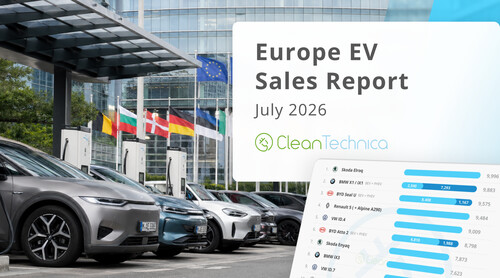
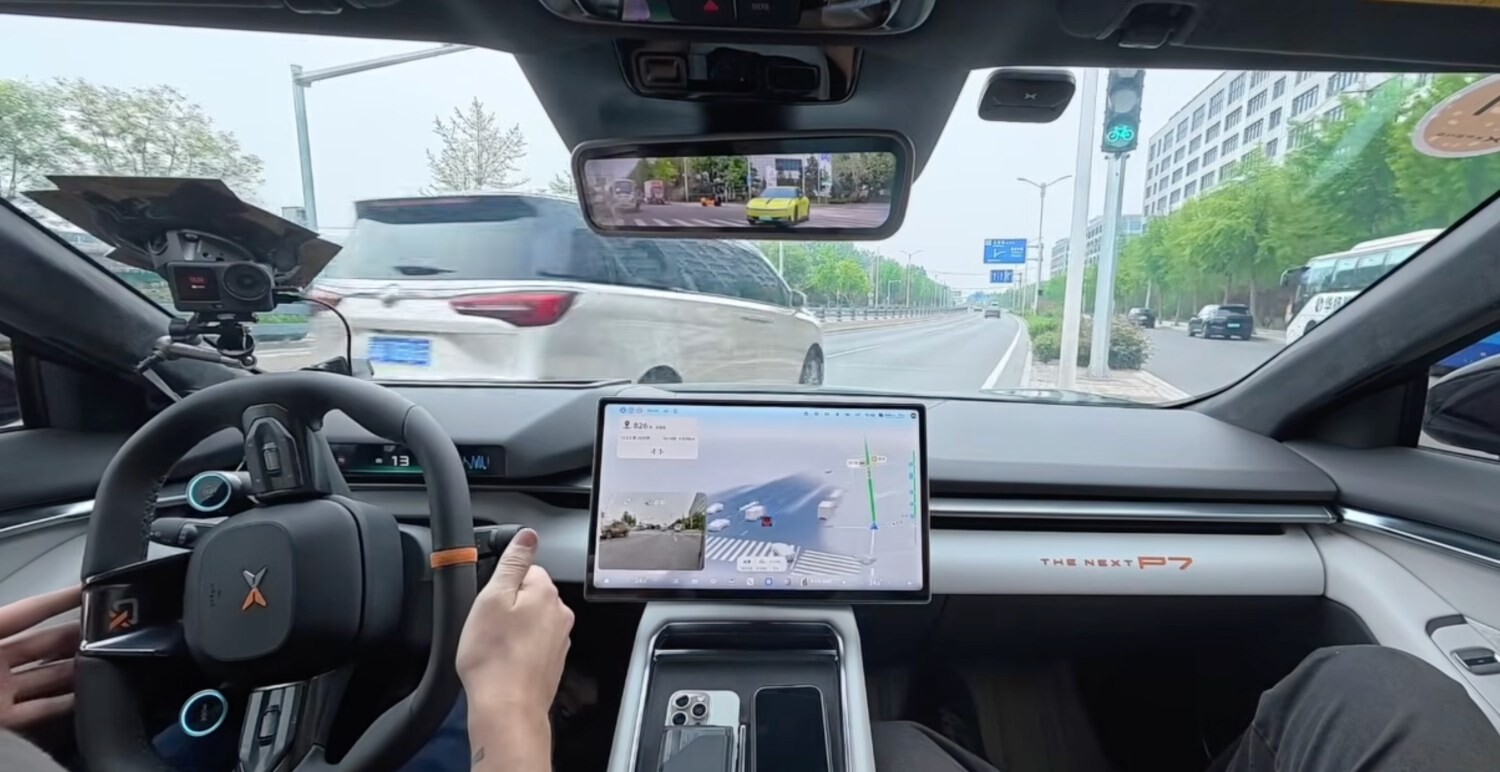
Gabriel Moreau · 5 months ago@gabrielmoreau255XPeng Merges AD and Cockpit Units in AI Restructuring Liked by+39 othersTeslaTesla ModelteslaPost commentRelated PostsPssst! Wanna See A Driverless Electric Truck?Aiden Martin · 13 days agoEurope EV Sales Report: BEVs Reach 26% Market Share! 99 · Charlotte Green · 1 months agoXPeng shops its self-driving tech to automakers — Tesla found no takers 12 · Ava Gagnon · 1 months agoAre Aero Caps A Worthwhile Upgrade for Electric Vehicles? Testing the HALOBLK HALODISCSAva Macdonald · 13 days agoUpdated XPeng G6 challenges Tesla Model Y with faster charging, more kit, and lower prices 86 · Jacob Walker · 1 months agoXPeng's right-hand-drive G9L, rated for 1,602 km, ships out for Australia 89 · Ava Scott · 1 months agoBack in the real world: electric equipment is saving job sites BIG MONEYMia Walker · 13 days ago4.3 Million Chinese Vehicles, Including 3 Million Teslas, Recalled For Door Handles That Are Too Hard To Open 85 · Parker Hall · 2 months agoXPENG IRON Autonomously Walks Off Production Line 94 · Caleb Campbell · 1 months agoAs electric semi truck race heats up, SoCal is getting another charging hubAudrey Wilson · 13 days agoChina’s Biggest Auto Recall Targets 4.3 Million Teslas, Xiaomis, and Other Cars Over Door Handles 47 · Camille Green · 2 months agoXPeng starts IRON humanoid robot production as Tesla Optimus stalls 22 · Emma Campbell · 1 months agoTesla owner drove 1,857 miles in 31 days, says charging cost $136 and saved $235 on gasClaire Fortin · 13 days agoTesla leads China’s largest-ever vehicle recall, with nearly 3 million cars affected 72 · Samuel Lee · 2 months agoEV tester says Xpeng P7+ topped 311 miles, calls it 'the best car for the money' 61 · Justin Martin · 1 months ago6 New Cars With Payments That Cost Less Than $500 Per MonthOliver Lewis · 14 days agoMillions of Teslas recalled in China over door handle safety 53 · Amelia Pelletier · 2 months agoChina's Largest Ever Recall Should be a Warning to Automakers 73 · Ella Wright · 1 months agoKia Bets the $30,000 EV3 Becomes Its Top U.S. SellerJenna Carter · 14 days agoThe ICE Meltdown Continues — July’s China EV Sales Report (44% BEV Share) 62 · Gabriel White · 2 months ago




 +39 others