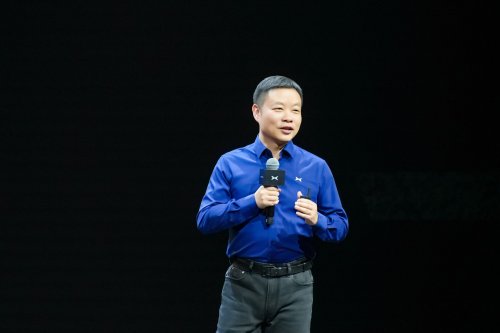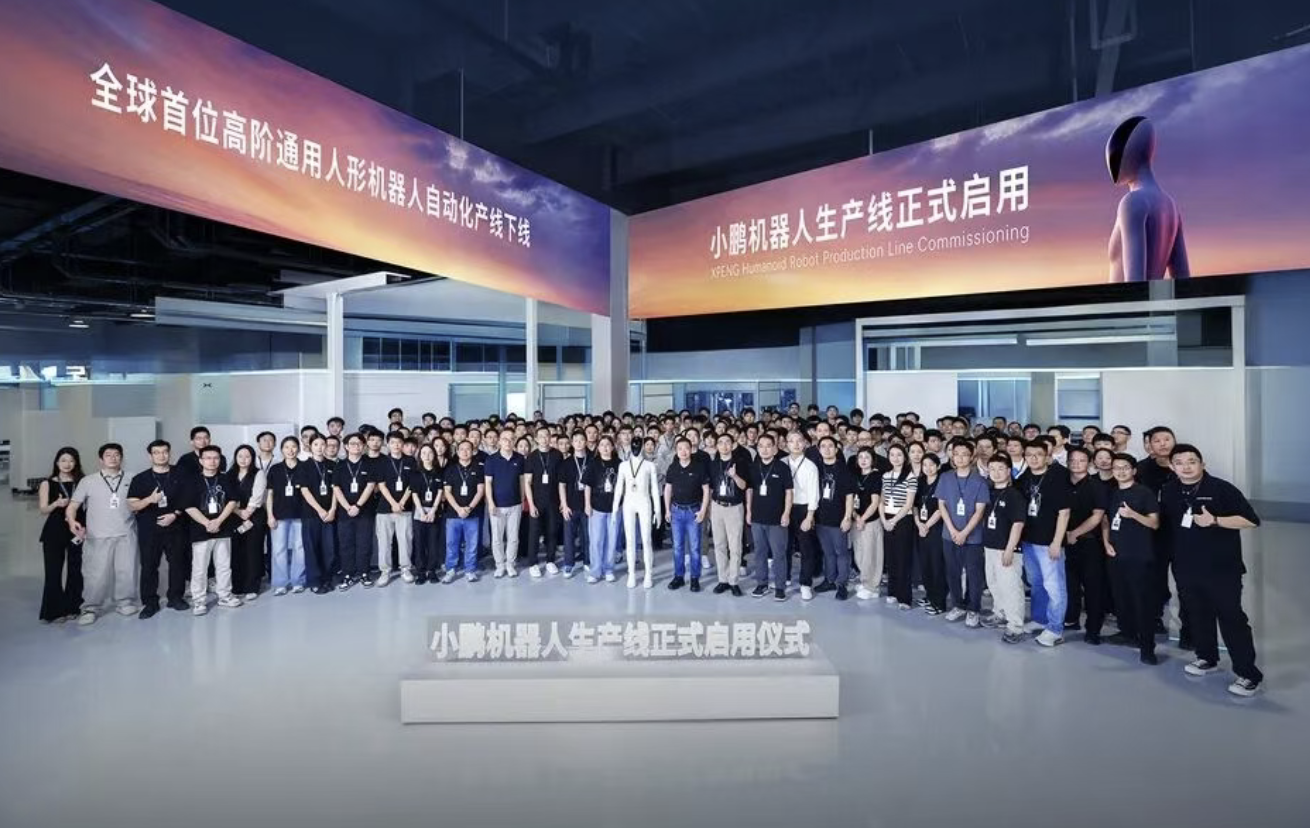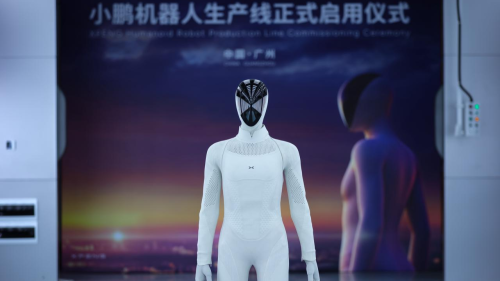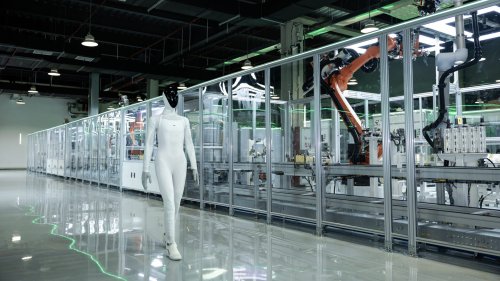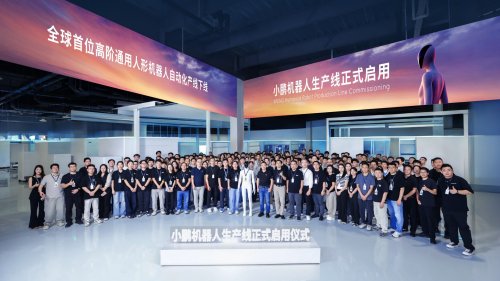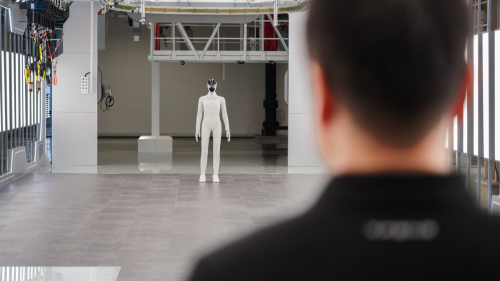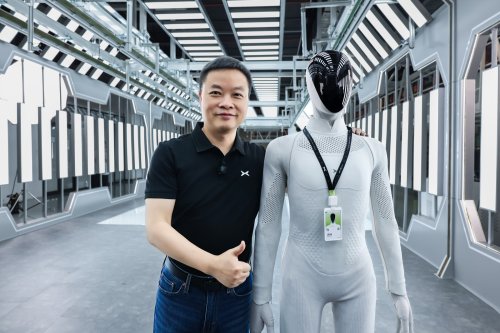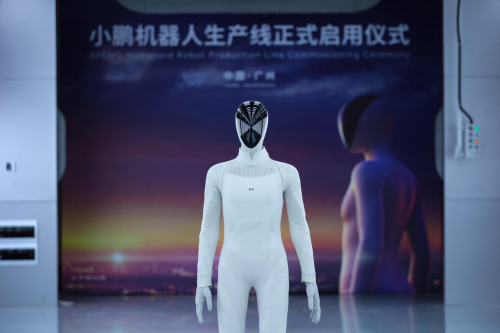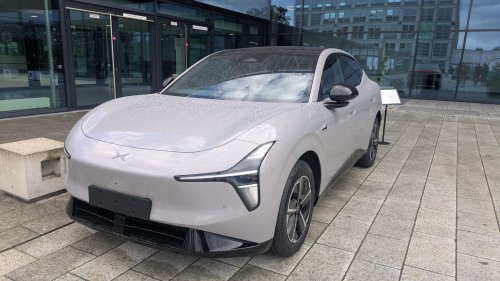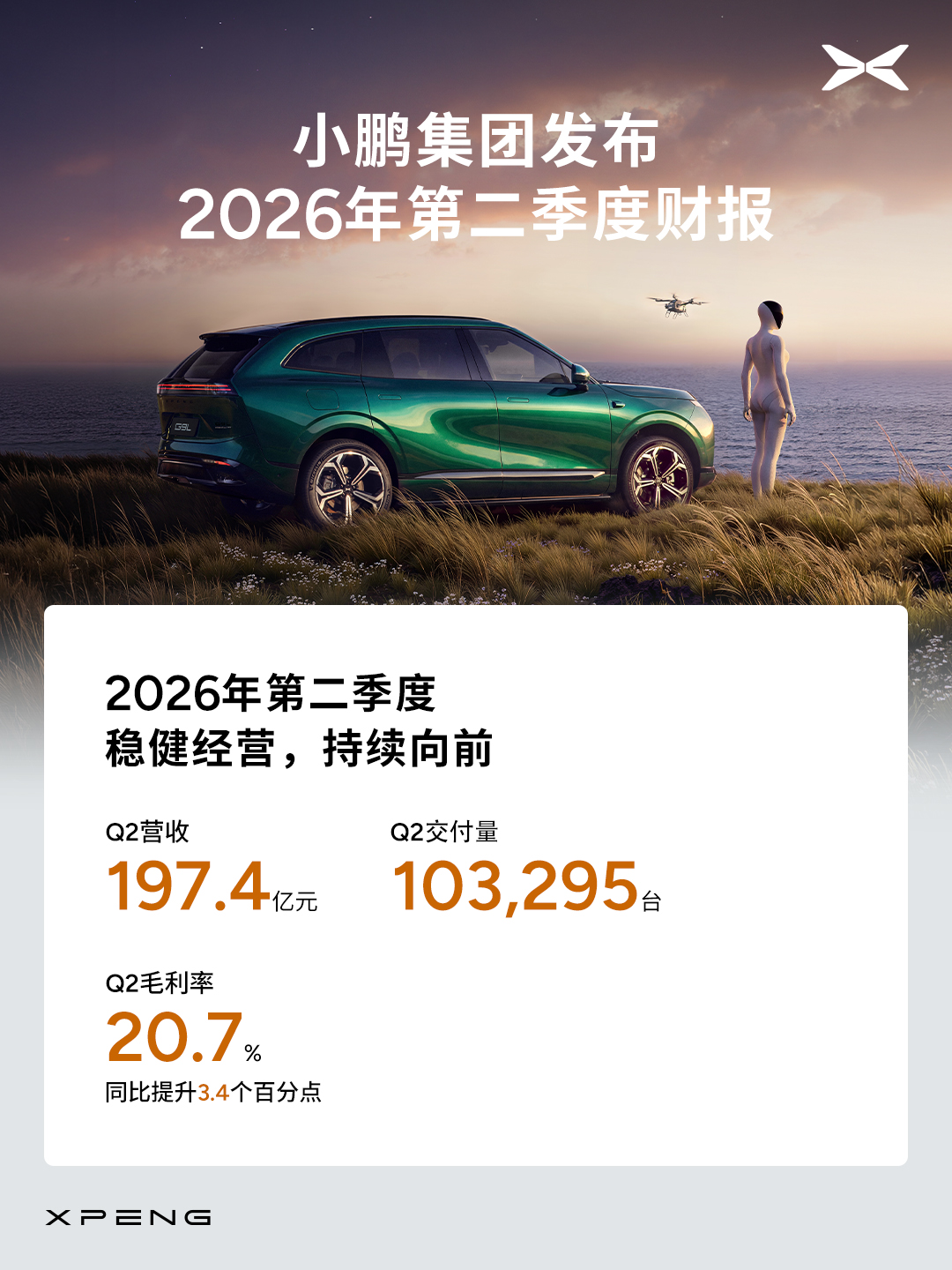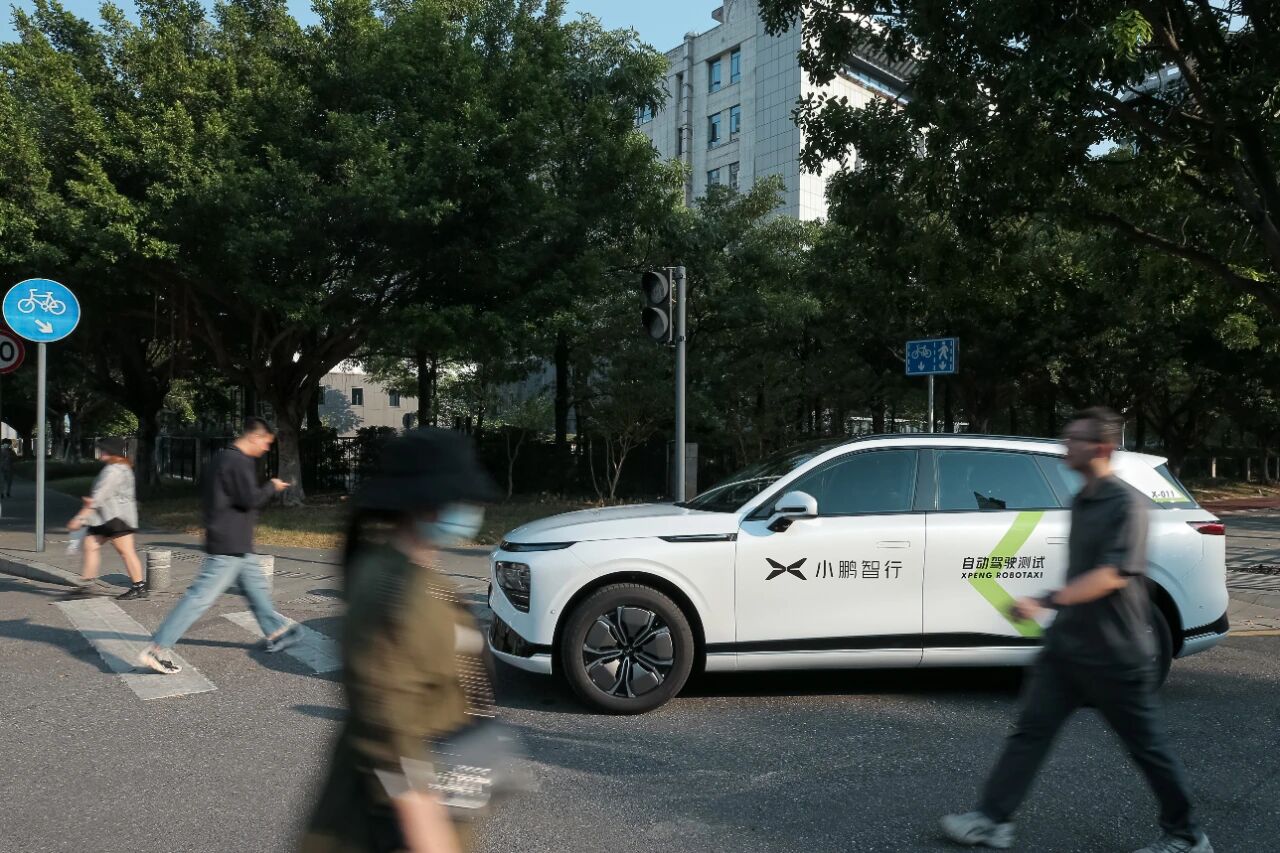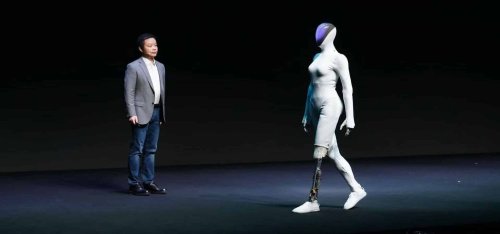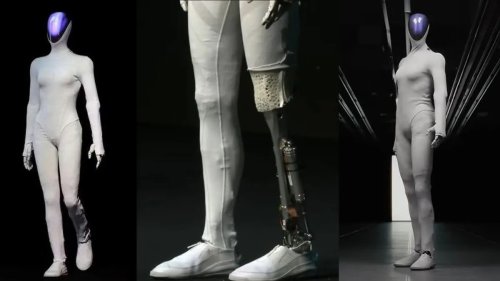





















xpeng says it should start selling flying cars next year Xpeng is outlining an ambitious expansion beyond traditional automobiles, with plans that extend into flying vehicles, robotics, and deeper global partnerships. Speaking ahead of the Beijing Auto Show, company president Brian Gu said the Chinese EV maker expects to begin large-scale production of its so-called "flying car" as early as next year. The vehicle, which blends road-going capability with low-altitude flight, has already generated more than 7,000 orders, most of them in China. Regulatory approval remains a key hurdle, with the company working through certification with local aviation authorities. 2027 Porsche 911 GT3 S/C: All the Details xpeng says it should start selling flying cars next year Further out, Xpeng is targeting the fourth quarter of 2026 to begin production of humanoid robots. Initially, those machines are expected to take on customer-facing roles in retail and service environments, though the company sees broader applications over time. Gu said that within the next decade or two, robotics could outgrow Xpeng's core automotive business as use cases expand. The company is also pushing ahead with autonomous mobility. Gu confirmed that robotaxi testing will begin this year in Guangzhou, with plans to scale production to hundreds or potentially thousands of vehicles within the next 12 to 18 months. He described 2027 as a key year for expanding testing programs globally through partnerships. That collaborative approach extends to Xpeng's relationship with Volkswagen. The two companies have already co-developed an electric vehicle now in production, and Gu suggested there is room to deepen that cooperation. He added that Xpeng remains open to working with other automakers as it expands into new markets. xpeng says it should start selling flying cars next year International growth is a central part of the company's strategy. Xpeng currently operates in roughly 60 countries, with overseas markets accounting for about 10 percent of sales volume and 15 percent of revenue last year. Gu said the company expects that figure to rise substantially, with more than half of its revenue potentially coming from outside China within the next five to 10 years. Taken together, the plan reflects how some Chinese automakers are positioning themselves not just as car companies, but as broader mobility and technology firms, even as demand for electric vehicles continues to fluctuate across global markets. 2026 Genesis GV60: All the Details