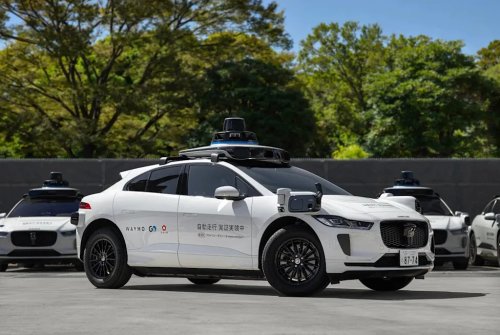
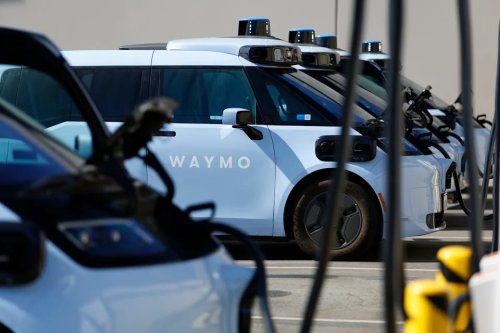
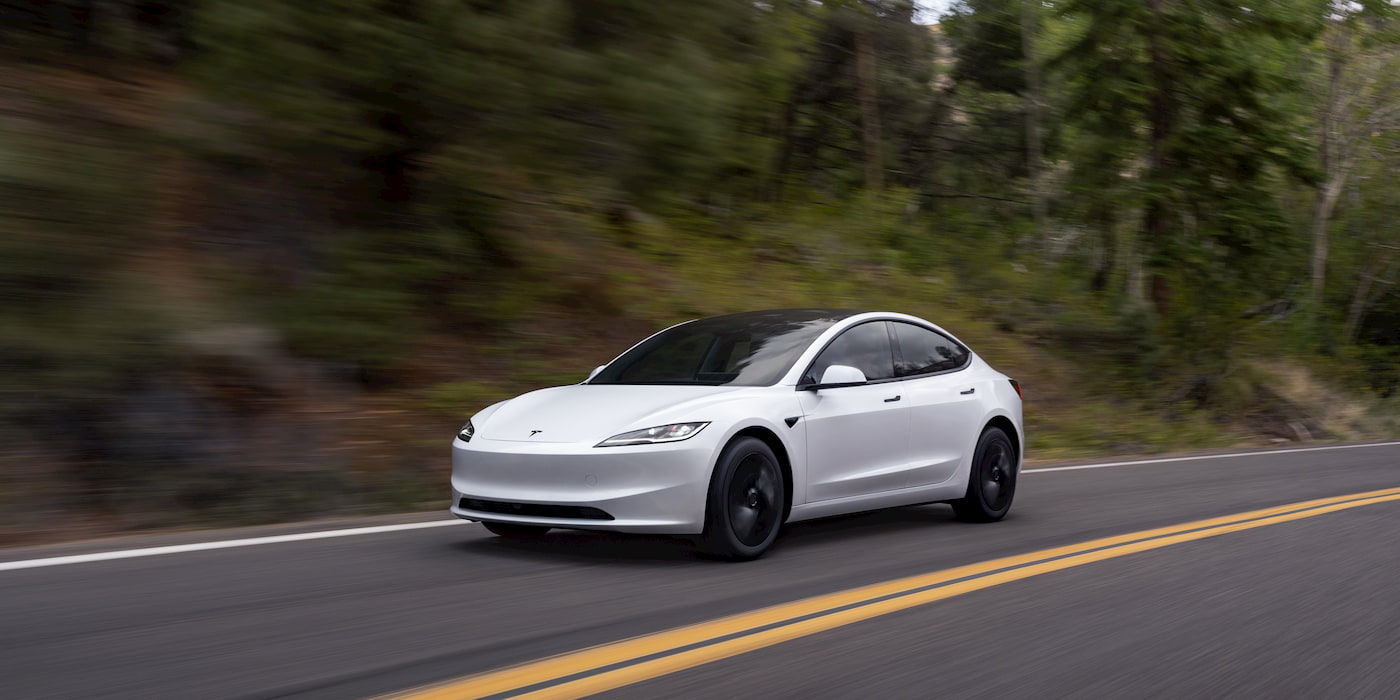
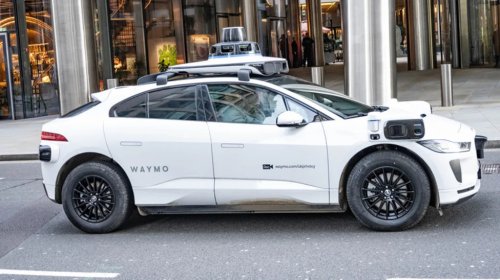
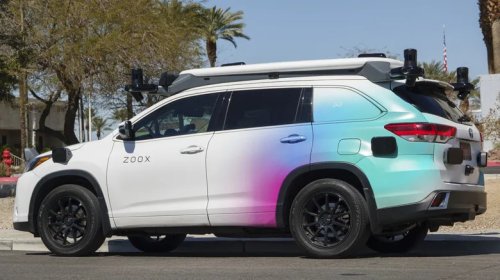
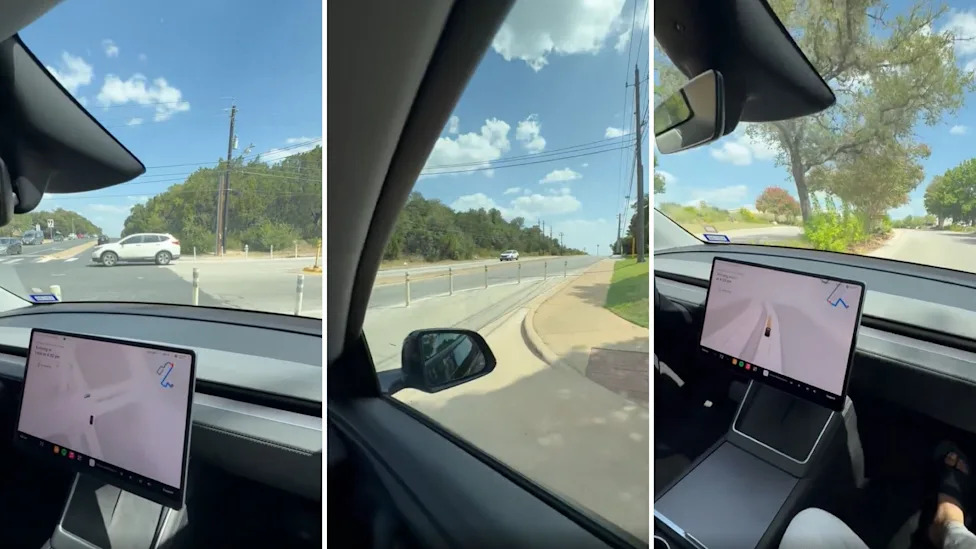
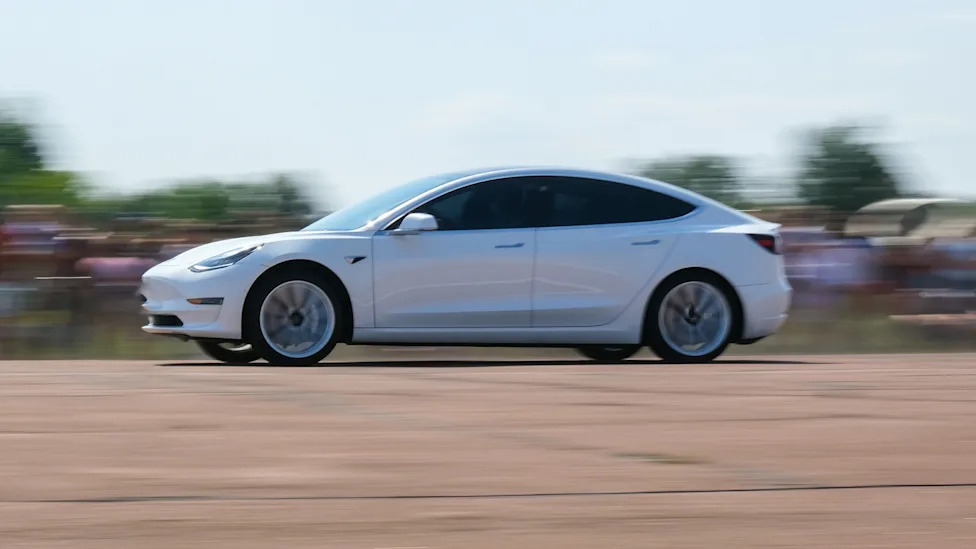
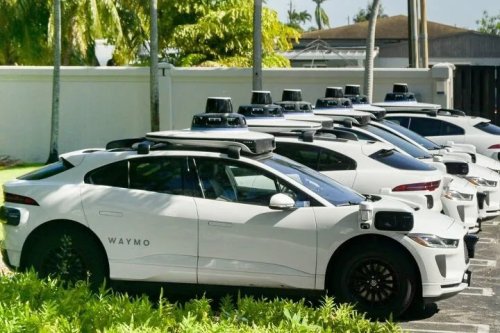
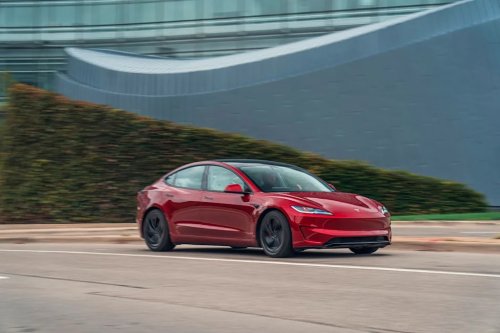
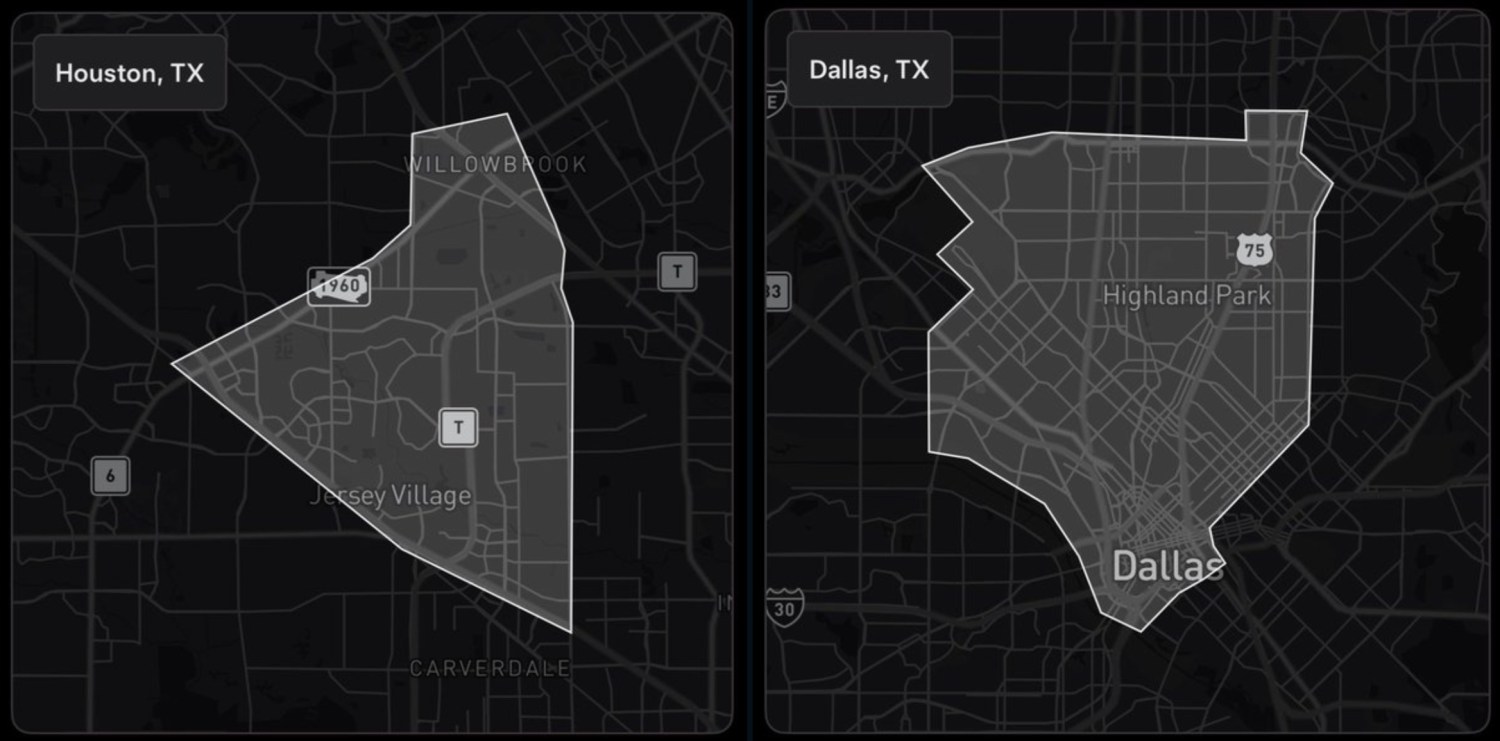
Tesla announced today that its “Robotaxi” service is now rolling out in Dallas and Houston, marking the company’s first expansion beyond Austin and San Francisco. The company shared maps of the two new service areas, which appear to cover small slices of each city. The Houston geofence covers approximately 25 square miles, according to early user analysis of the maps, while the Dallas zone appears to center around the Highland Park area. For context, Tesla’s Austin geofence has grown to roughly 245 square miles after months of gradual expansion — but that took nearly a year to reach from an initial 20-square-mile footprint. Tesla’s official @robotaxi account on X posted the announcement with two map images showing the service boundaries, but provided no details on fleet size, whether rides will be supervised or unsupervised, or pricing. The post simply read: “Robotaxi now rolling out in Dallas & Houston.” pic.twitter.com/cQhKnt4gUK— Tesla Robotaxi (@robotaxi) April 18, 2026 What we know — and what’s missing The announcement is notably thin on specifics. Tesla did not disclose how many vehicles will operate in each city, whether those vehicles will have safety monitors inside (as the vast majority of its Austin fleet still does), or when the geofences might expand. Advertisement - scroll for more content As we reported in March, Tesla’s Austin operation still relies on only a handful of unsupervised vehicles — somewhere between 4 and 12 Model Ys operating without a human safety monitor — out of a total fleet of roughly 80 vehicles, though most of those are not operating at the same time. The remaining cars still carry safety monitors in the driver’s seat, and all vehicles are remotely supervised by Tesla staff. The company’s track record on “Robotaxi” promises provides reason for skepticism. Elon Musk predicted 1 million robotaxis on the road by 2020. He promised 500 vehicles in Austin and over 1,000 in the Bay Area by the end of 2025 — the actual numbers were roughly 42 and 130, almost all with safety monitors. He claimed the service would cover half the U.S. population by year-end 2025. None of it materialized. Safety record raises questions about expansion Expanding to new cities while safety concerns remain unresolved is a bold choice. Tesla has reported 15 crash incidents to NHTSA since its Austin launch, with crash rates approximately 4 to 9 times worse than human drivers depending on the benchmark used. One July 2025 crash was quietly upgraded months later to include a hospitalization — a detail Tesla never publicly disclosed. Tesla also redacts all crash narratives as “confidential business information” in its NHTSA filings, unlike Waymo, Zoox, Aurora, and Nuro, which provide full incident descriptions. The service still shuts down during rain, a significant limitation given that Houston averages over 100 rainy days per year. The company’s own data confirms crash rates 3x worse than humans even when a safety monitor is present — and that’s using Tesla’s own favorable benchmarks. Waymo is already there — and operating at scale The most striking context for today’s announcement is that Waymo has been operating in both Houston and Dallas since February 2026, with fully driverless vehicles — no safety monitors, no chase cars, no remote supervision required. Waymo is now delivering 500,000 paid robotaxi rides per week across 10 U.S. cities, on its way to a target of 1 million weekly rides by year-end. The company operates approximately 2,500 active robotaxis nationwide, with independent research showing it reduces serious-injury crashes by 91% compared to human drivers. While Tesla is launching with an estimated 25-square-mile geofence in Houston and an undisclosed number of vehicles, likely Model Ys with safety monitors, Waymo is already scaling toward public availability in both Texas cities through its partnership with Avis Budget Group. Electrek’s Take This is exactly what we’ve come to expect from Tesla’s “Robotaxi” program: announce the expansion, share a map, provide zero operational details, and let the stock-pumping hype machine do the rest. The fundamental problem hasn’t changed. Tesla is expanding geographically while its existing Austin operation remains tiny and troubled. It has fewer than 10 truly unsupervised vehicles on the road operating simultaneously after nearly a year of operation, a crash rate several times worse than human drivers, and a transparency record that would embarrass any legitimate autonomous vehicle operator. We’ll be watching closely to see how many vehicles actually show up, whether they’re supervised or unsupervised, and whether the crash rate that plagued Austin follows Tesla into these new markets. Until Tesla provides real operational data, fleet size, miles driven, safety metrics, ride availability, these launches remain closer to marketing events than milestones. Stay up to date with the latest content by subscribing to Electrek on Google News. You’re reading Electrek— experts who break news about Tesla, electric vehicles, and green energy, day after day. Be sure to check out our homepage for all the latest news, and follow Electrek on Twitter, Facebook, and LinkedIn to stay in the loop. Don’t know where to start? Check out our YouTube channel for the latest reviews.
















 +7 others