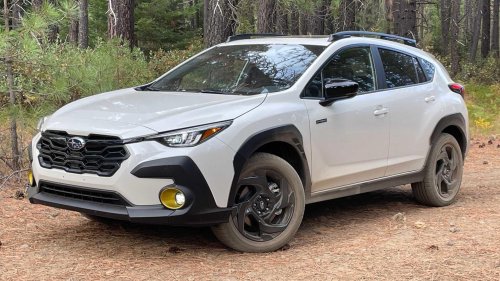
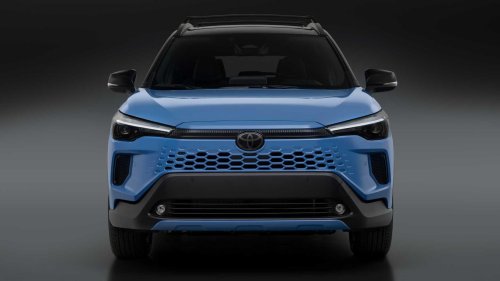
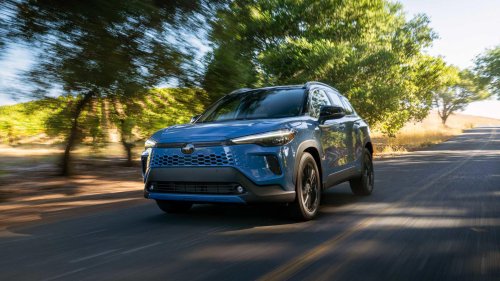
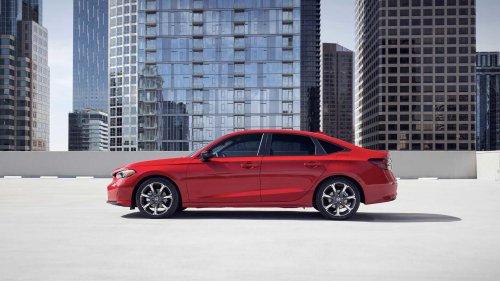
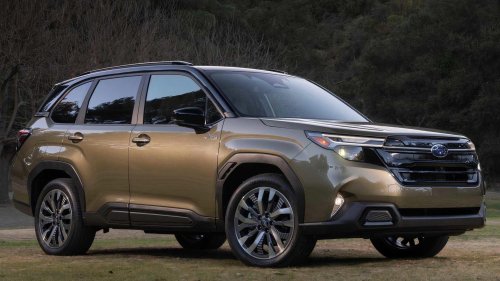
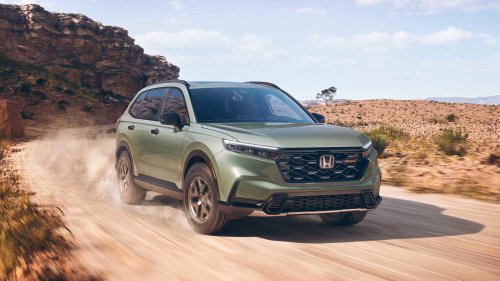
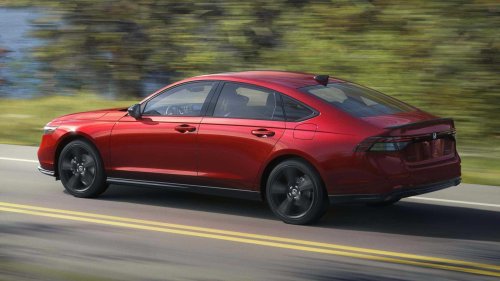
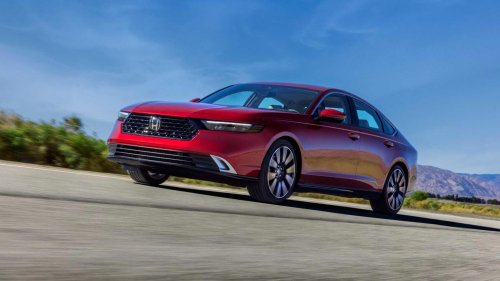
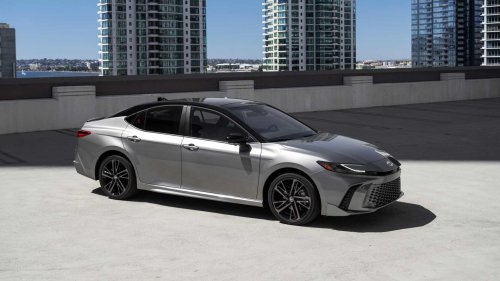
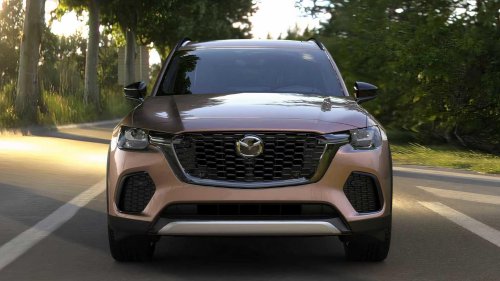
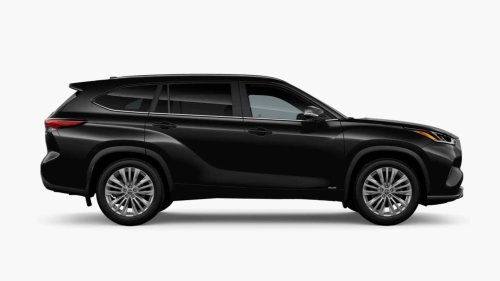
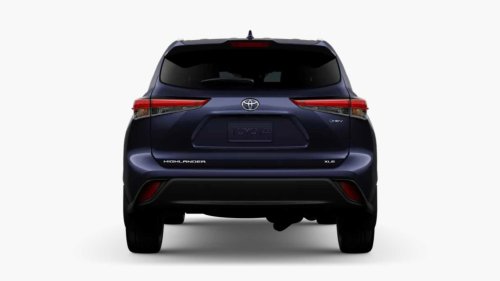
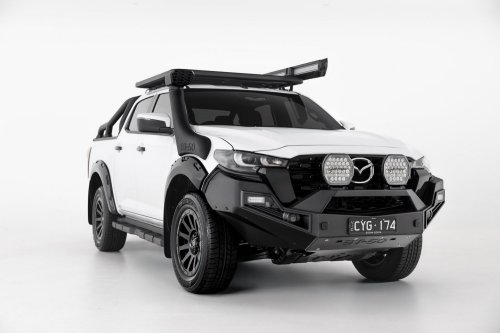
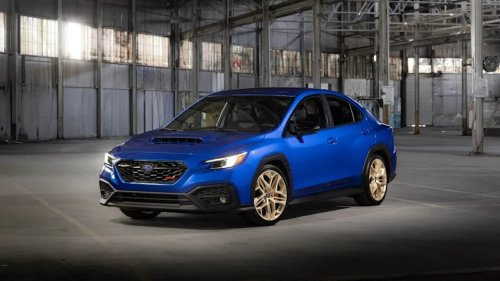
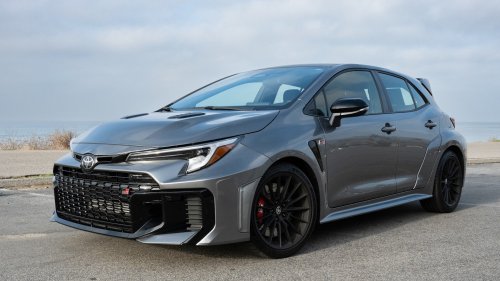
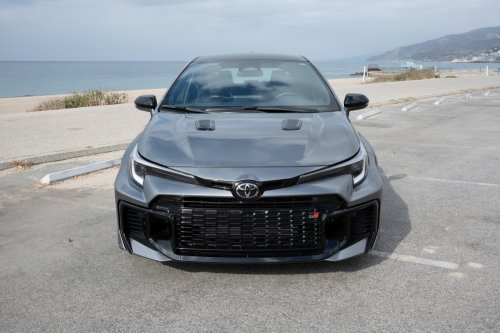
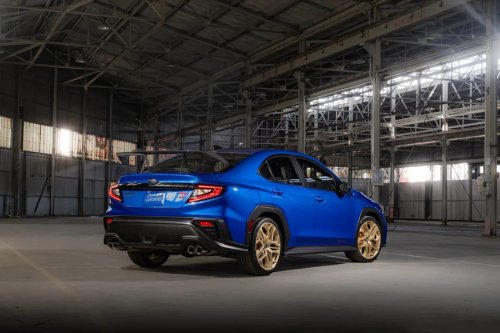
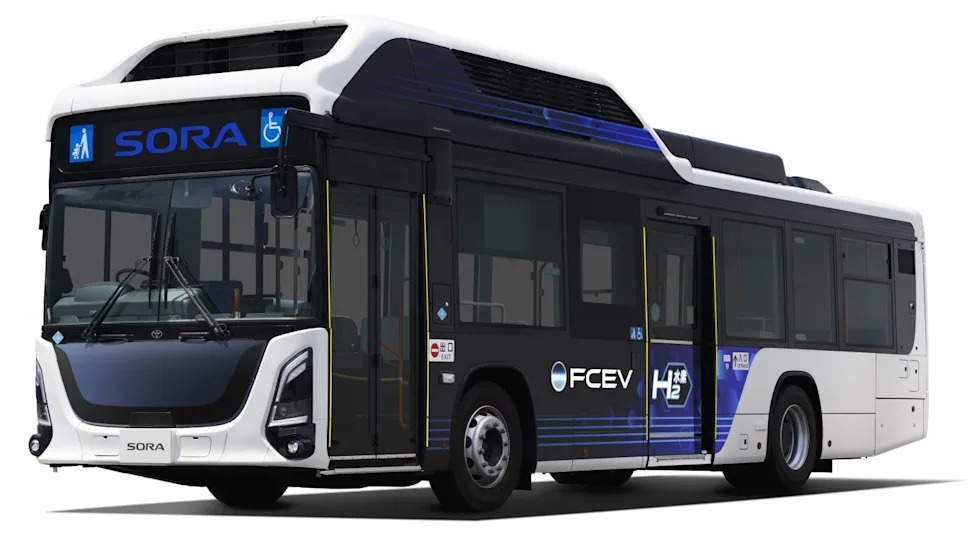
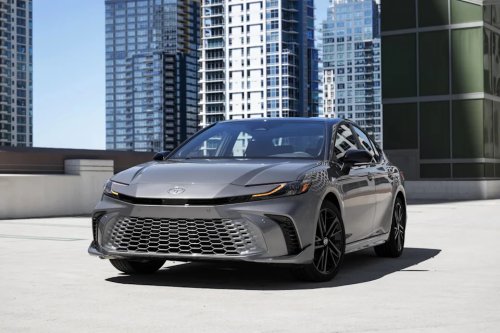
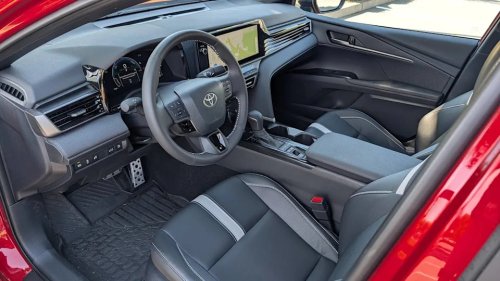
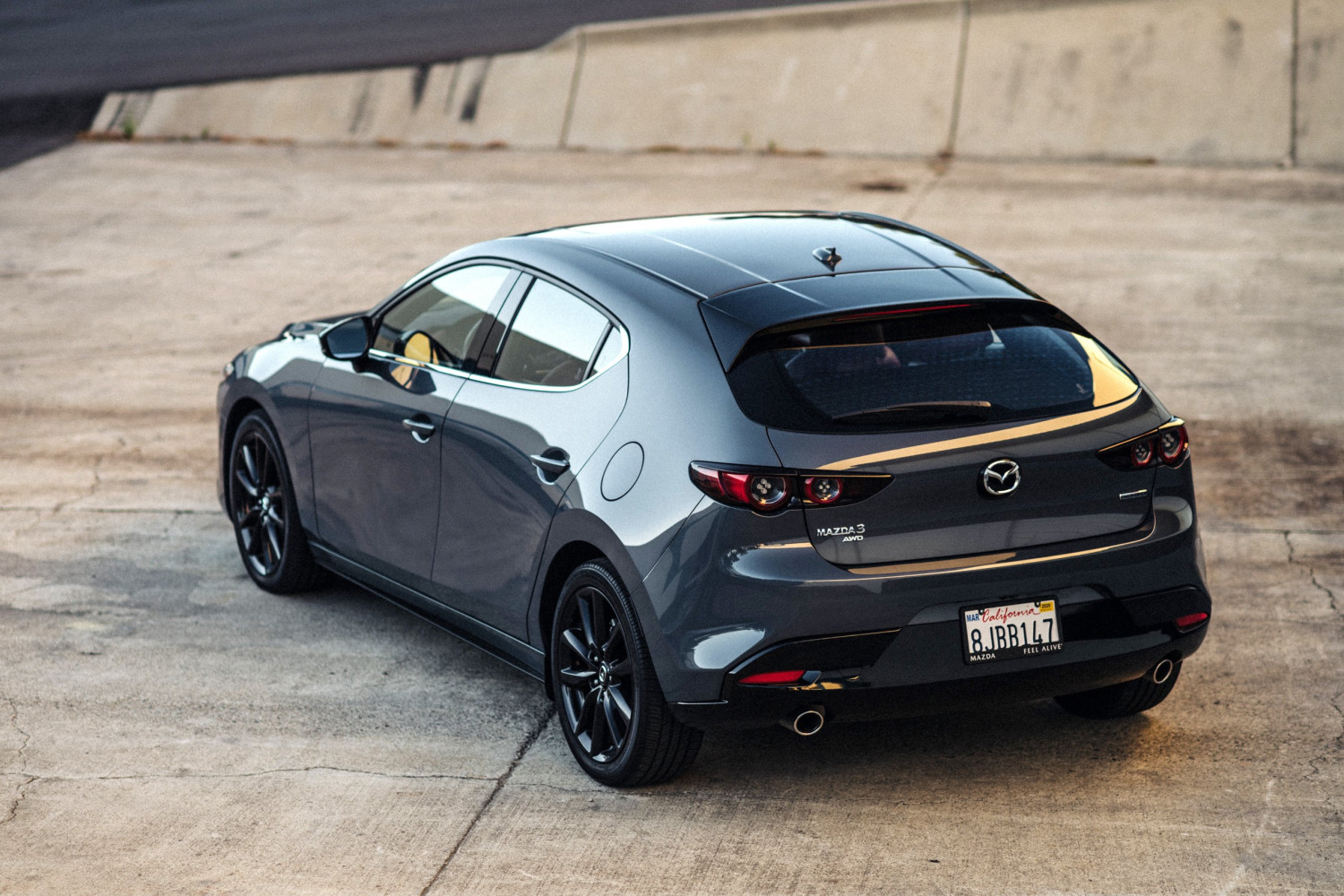
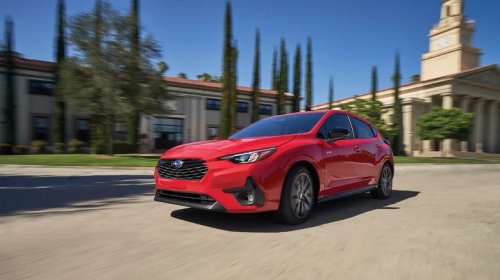
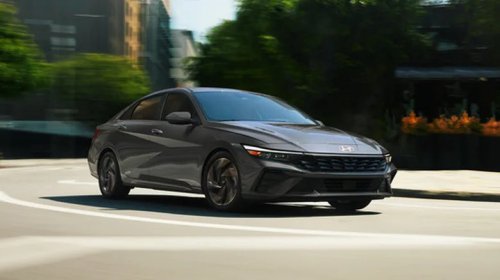
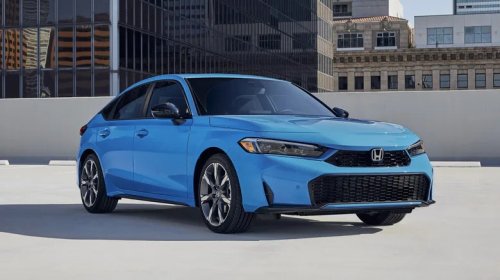
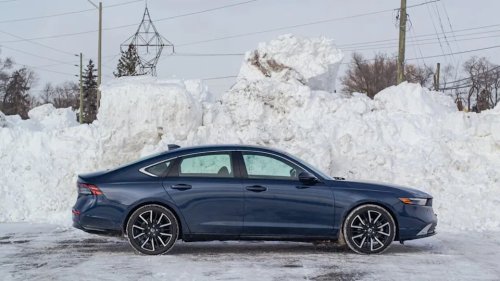
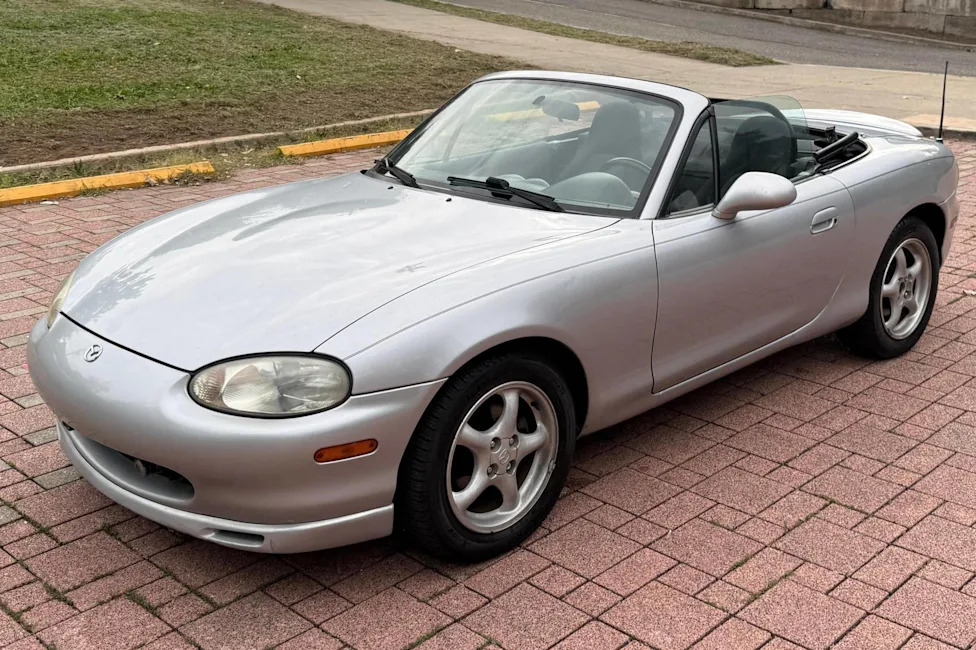
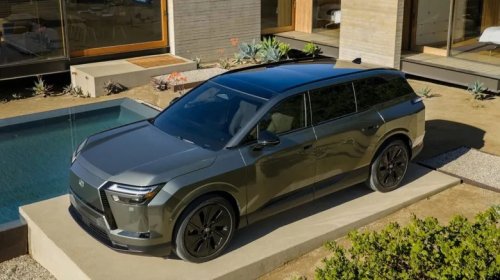
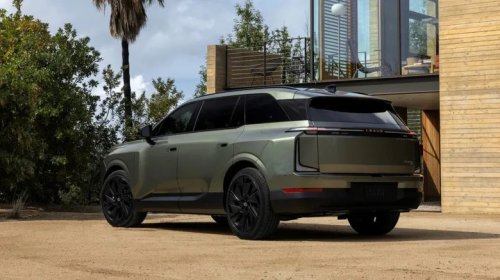
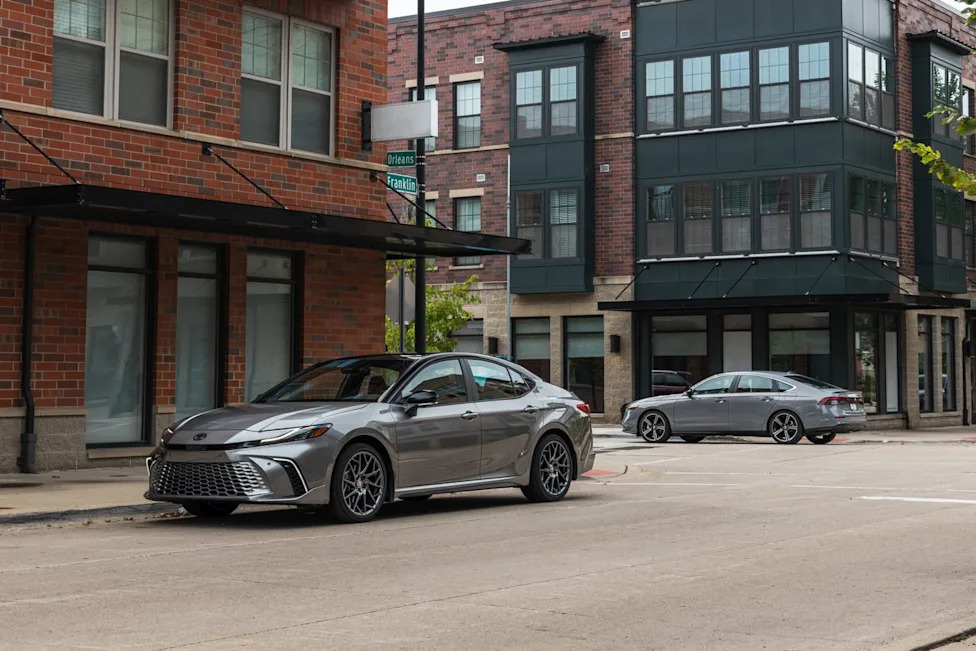
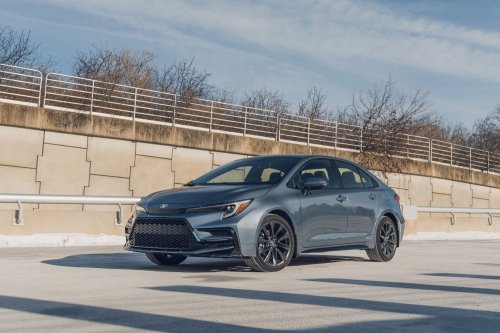
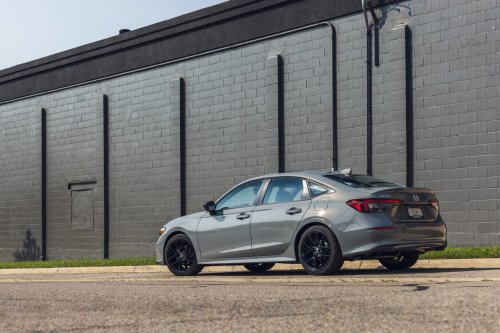
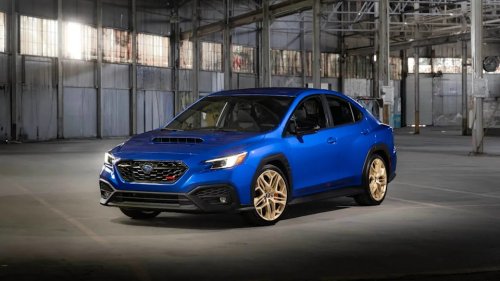
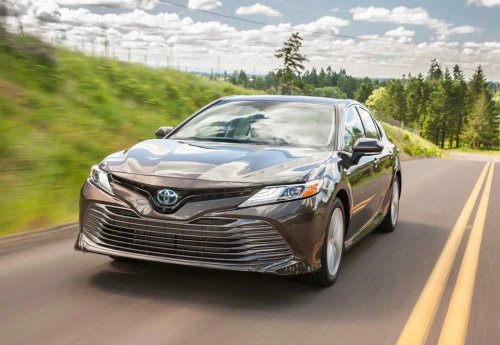
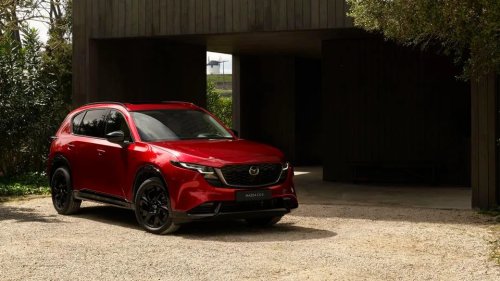
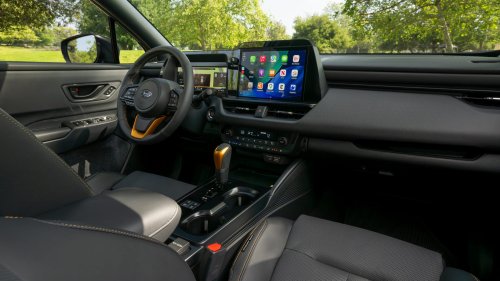
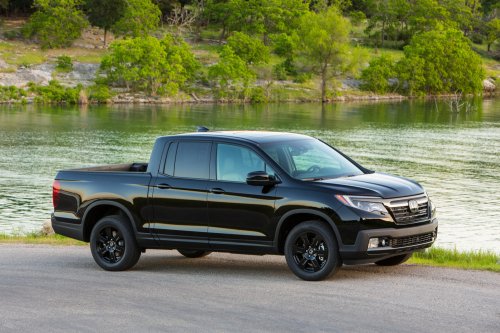
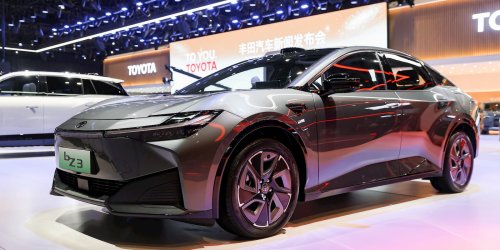
Hybrid technology is taking over the world, and automakers from around the globe are leading the charge. We won't see the new Nissan Rogue E-Power Hybrid in the feature below, since it's only just been announced. If you’re cross‑shopping Japanese hybrids available right now, you'll find every segment offers at least one standout option, including the Honda Accord and Toyota Rav4, and the gas savings can add up quickly.If you're an in-market shopper looking to make a move on a hybrid in 2026, read on for a look at how common pairings of same-segment Japanese competitors stack up against one another according to fuel economy and performance data, as well as dollars and cents at the pumps. Subcompact Crossovers Brett T. Evans/CarBuzz/ValnetWhen it comes to Japanese subcompact hybrid crossovers, you've got two options: the Toyota Corolla Cross Hybrid, and the Subaru Crosstrek Hybrid. Toyota launched the Corolla Cross in 2021, with the hybrid-powered version arriving for 2023. The Crosstrek Hybrid is new for 2026.Without hybrid power, a Corolla Cross with AWD gets 30 combined MPGs and drinks $2,000 per year worth of gas according to EPA data. Opting for the hybrid AWD configuration boosts combined fuel economy by 12 MPGs to 42, saving the average driver $600 a year on gas. Note that the Corolla Cross also gets 7 more miles per gallon in city driving than on the highway, making it a virtual no-brainer for those who frequently find themselves in the sort of stop-and-go traffic where hybrid engines run the most efficiently.Toyota Choosing the Corolla Cross hybrid also stretches the range of a tank of fuel from 397 miles (non-hybrid) to 445 miles, an advantage of 48 miles of range.Conversely, the non-hybrid Crosstrek gets 29 combined MPGs and drinks $2,050 worth of gas annually. With the hybrid engine, drivers get a 7 MPG advantage, making it 36 combined MPGs and cutting their annual fuel bill by $400.With the Crosstrek Hybrid, drivers can expect 36 MPG whether they're driving in the city or on the highway. Total driving range with the Crosstrek Hybrid is 598 miles per tank, that's a 117-mile advantage over the standard model's 481-mile range.Toyota Though just two horsepower separate this pair, the Corolla Cross Hybrid turns in a 6 MPG (combined) advantage in fuel economy over the Crosstrek Hybrid, a saving of $250 per year on gas for most drivers by choosing the Toyota. Compact Sedans HondaIt's time to meet your Japanese hybrid compact sedan options: the Toyota Corolla Hybrid and the Honda Civic Hybrid. Toyota first brought the Corolla Hybrid to the US in 2020, bringing hybrid power to the popular nameplate and soon making AWD an optional add-on unavailable on the Civic. The latest Civic Hybrid arrived for 2025.We'll use an AWD-equipped Toyota Corolla Hybrid in this comparison, because adding the AWD system has virtually no effect on fuel economy. The Corolla Hybrid AWD is 7 MPG more efficient in city driving than it is on the highway, just like the Corolla Cross with which it shares a powertrain. Skipping the AWD system frees up 2 MPG combined, a $50 per year savings at the pumps. Put another way, opting for the Corolla Hybrid's AWD system gives you 100 percent more driven wheels for four percent more of your gas dollars.Toyota With AWD, the Corolla Hybrid gets 48 combined MPG, a 14 MPG advantage over the non-hybrid version (34 MPG) at the pumps. For your wallet, that's a savings of $500 per year by choosing the hybrid. Range also climbs from 449 miles (non-hybrid) to 542 miles (hybrid AWD), an advantage of 93 miles per tank.Honda The Civic Hybrid Sedan gets 49 combined MPG, beating the Corolla Hybrid AWD by a single MPG. At the pumps, that's a 15 MPG advantage over the non-hybrid Civic with its base 2-liter engine. Range-per-tank figures climb from 422 miles for non-hybrid models to 519 for the Civic Sedan Hybrid, an improvement of 97 miles per tank. For your wallet, choosing the Civic Hybrid means a major step up in power and performance, while saving $550 per year on gas. The annual fuel costs of these two contenders are separated by just 50 bucks. Compact Crossovers In the compact crossover space, competition among hybrids is particularly spicy. Japanese models that fit into our comparison include the Toyota RAV4 Hybrid, Honda CR-V Hybrid, Subaru Forester Hybrid, and Mazda CX-50 Hybrid. All versions of the new Toyota RAV4 have a hybrid engine as standard; hybrid power is an optional affair for the remaining competitors here.Toyota The Rav4's front-drive base model is technically the easiest on fuel, and the addition of AWD only affects fuel consumption incrementally. Drivers who frequently find themselves in stop-and-go traffic will appreciate the 7 MPG fuel economy advantage in that setting.The CR-V's AWD system makes excellent use of the hybrid engine's low-end torque, while only adding $100 per year to your annual fuel bill. With AWD equipped, a 40 MPG rating means a 6 MPG advantage in city driving, though front-drive versions push that figure to 43 MPG. You'll save about $400 per year on fuel compared to the conventional gas-powered model by choosing the CR-V Hybrid.Mazda Being a Subaru, there's no front-drive version of the Forester Hybrid. Just a single MPG separates the fuel economy of this machine between city and highway situations, and you'll save at least $350 per year in fuel versus a non-hybrid Forester (29 MPG combined).In the Mazda CX-50, which runs a Toyota hybrid engine, you'll find near-parity of the city and highway MPG ratings, and save $700 to $800 per year on fuel versus the model's gas and gas turbo engine options, respectively. If you're shopping this segment, there's little need to split hairs over fuel economy metrics, as the impact on your wallet from choosing one machine over the other is $25 per month or less.Subaru When it comes to highway range, the CR-V AWD Hybrid offers 560 miles, up 154 miles from the 406-mile range of non-hybrid models. The Forester Hybrid has a range of 581 miles, exactly 100 more than the non-hybrid model. Choosing hybrid power for the Mazda CX-50 provides a 551-mile range per tank, a 138-mile advantage over the standard model (413 miles). The Rav4, which only comes with a hybrid engine, has a range of up to 604 miles with AWD equipped.Honda Midsize Sedans Honda Welcome to the Japanese mid-size hybrid sedan segment, where your options include two long-running bestsellers: the Honda Accord Hybrid and the Toyota Camry Hybrid. These machines push to 50 MPG territory and beyond, with the Accord Hybrid delivering 51 MPGs in the city.With 48 MPGs combined and a $1,250 annual gas bill, the Accord Hybrid covers 16 more miles per gallon than the non-hybrid version, saving drivers up to $700 per year at the pumps and adding up to 140 miles of range to every tank of gas: that's 614 total miles from the hybrid and 474 from the 1.5-liter turbo engine, if you're wondering.The Camry has no non-hybrid engine to compare to this year, but range-per-tank lands between 598 and 663 miles, depending on the trim grade.Honda For an apples-to-apples comparison with the Accord Hybrid, we'll use the front-drive 2026 Camry Hybrid's data here. It turns in slightly more MPGs than the Accord in its front-drive setup, and additional AWD (not available in the Accord) still manages to turn in a slight advantage over the Honda. The Camry Hybrid with front-wheel drive does 51 MPGs combined and drinks $1,150 per year worth of your gas money, which is a $100 annual savings versus the Honda.Toyota If you're curious, adding AWD to the Camry will up your annual gas bill by 50 bucks. A little over four bucks a month in gas for double the driven wheels sounds like a pretty good deal to us. By the way, that $1,150 annual fuel bill for the Camry Hybrid FWD is the lowest annual fuel cost on your page. Midsize SUVs In the midsize SUV segment, we've got the Toyota Highlander Hybrid and Mazda CX-70, which comes with a mild-hybrid engine. It's important to note this distinction, as the powertrains in these two vehicles deploy hybrid technology in two very different ways to achieve two very different results that have very big implications for your wallet.Mazda The Highlander Hybrid gets 35 MPG across the board, roughly tying the smaller, 36-MPG Crosstrek Hybrid on fuel economy in the process. The Highlander Hybrid's $1,700 annual gas bill represents an annual savings of $800 versus the non-hybrid model, which gets 24 MPG combined. By choosing the Highlander Hybrid with its full hybrid system, drivers can expect a 12 MPG advantage, parity in city and highway driving fuel economy, and an additional 168 miles of range per tank.Toyota The mild hybrid system attached to the straight-six turbo engine in the Mazda CX-70 works more as a performance booster than a fuel saver. Here, a more compact and less complex hybrid system is directly attached to the gas engine to recapture power and boost performance without using extra fuel. The result is a considerable power and torque advantage versus the Highlander Hybrid, but a considerably heftier fuel bill in the process, with 25 combined MPGs and a $2,400 annual fuel cost making the Toyota the ideal pick for the gas-saver, and the Mazda a better choice for the thrill-seeker.ToyotaSources: Subaru, EPA, Honda, Toyota, Mazda