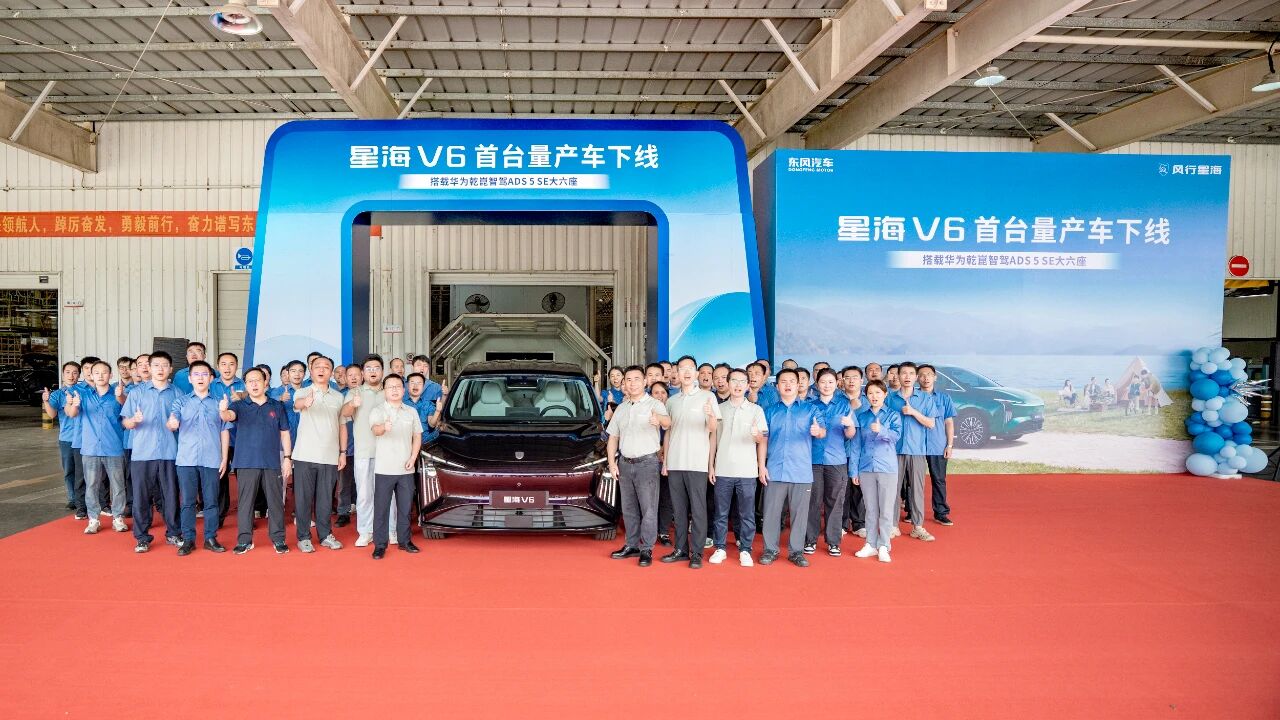
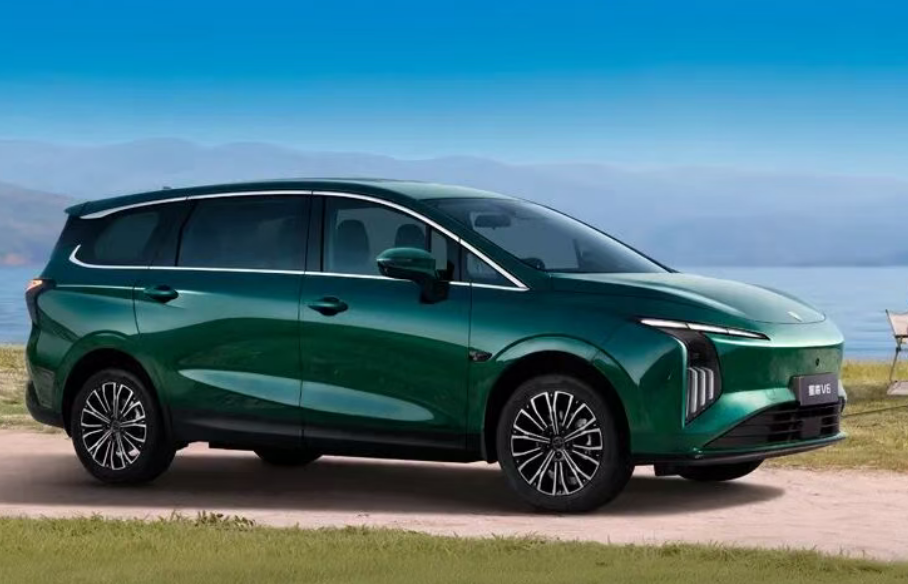
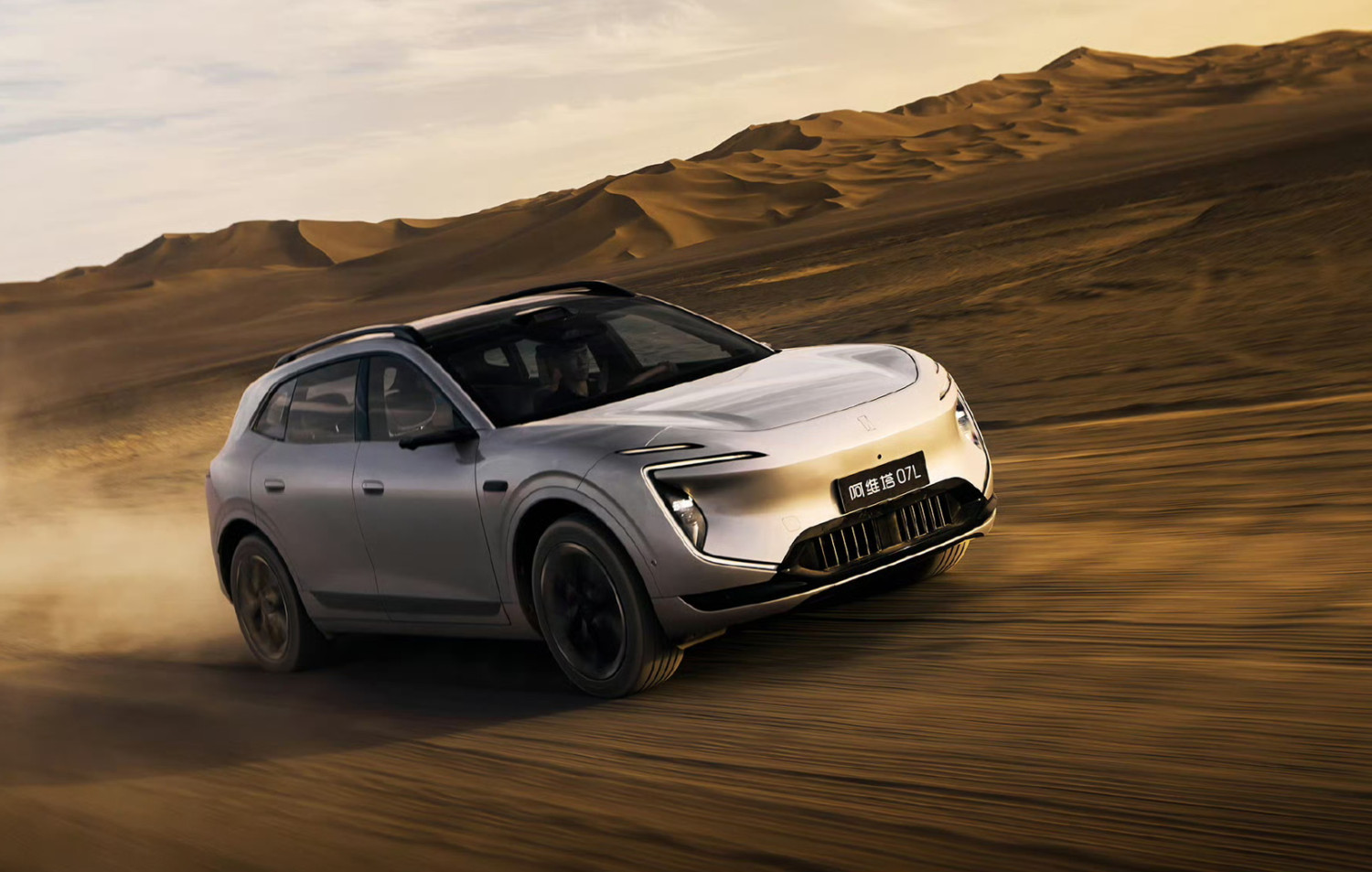
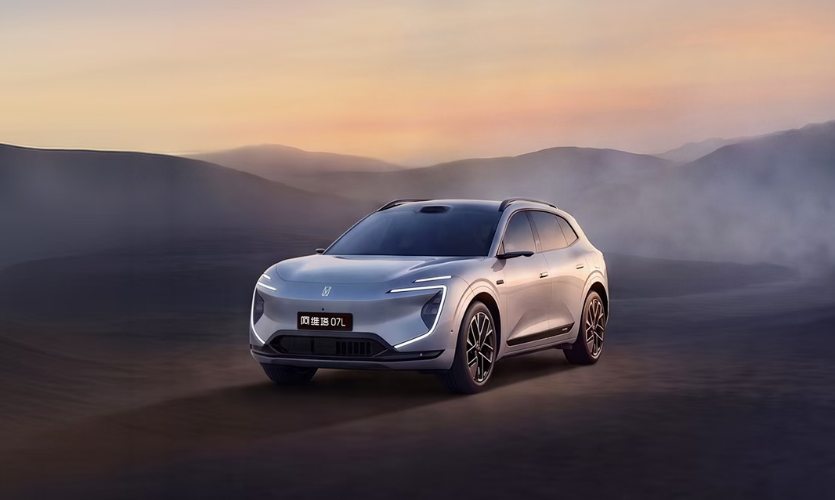
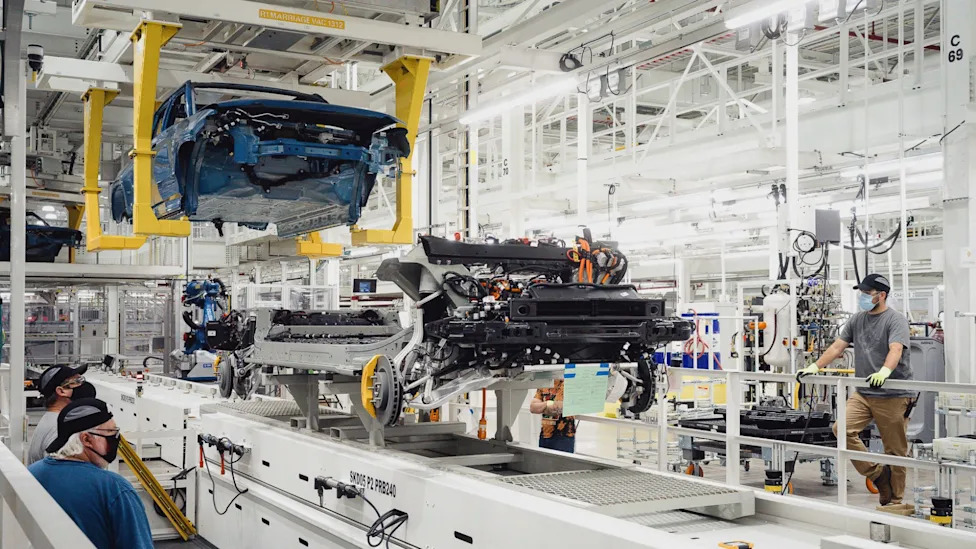
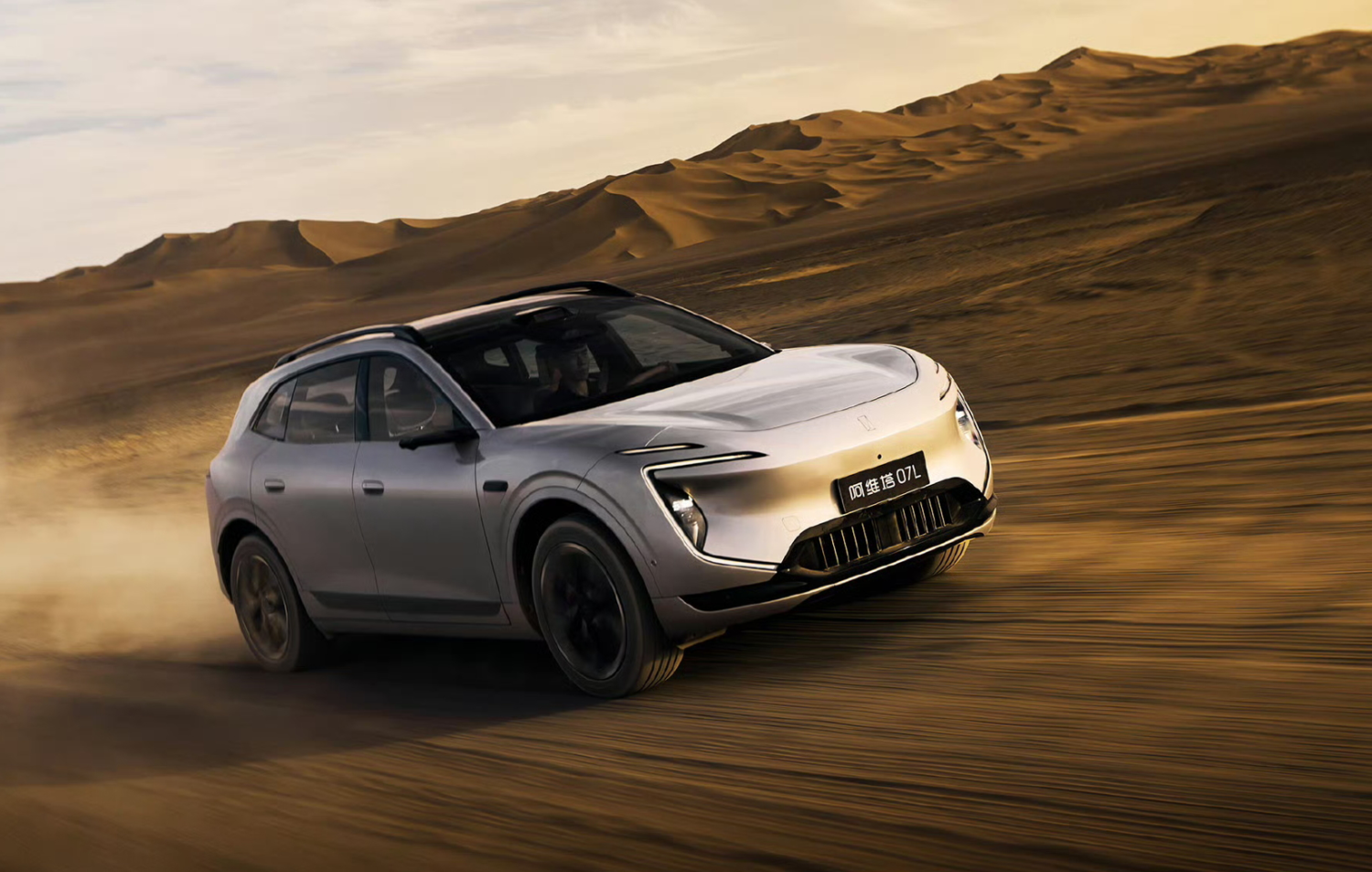
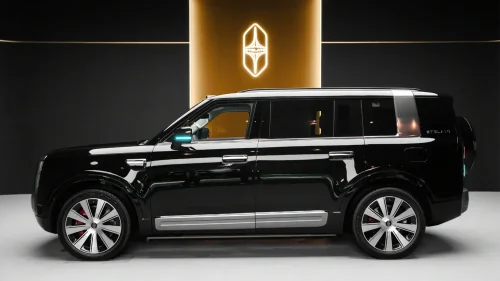
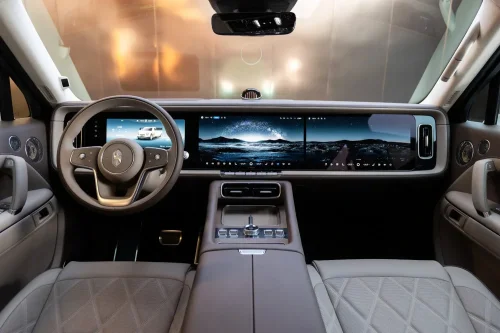
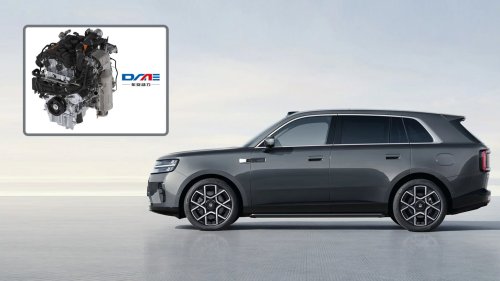
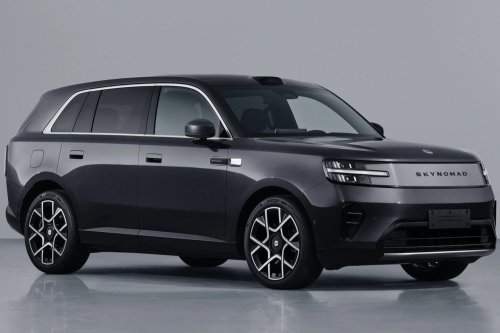
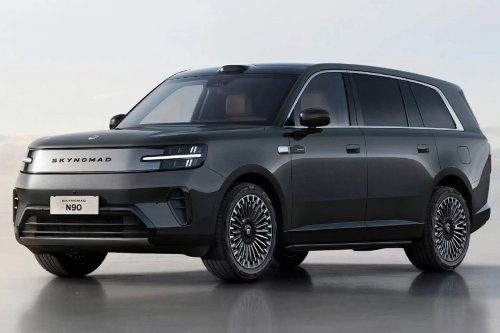
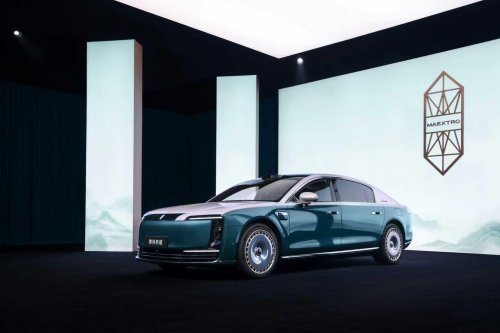
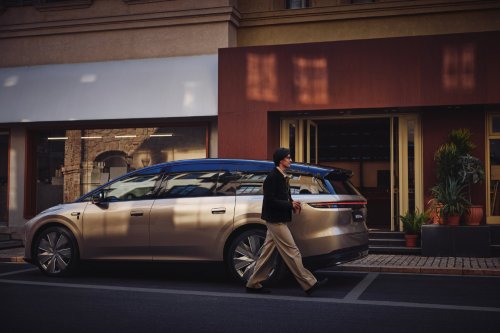
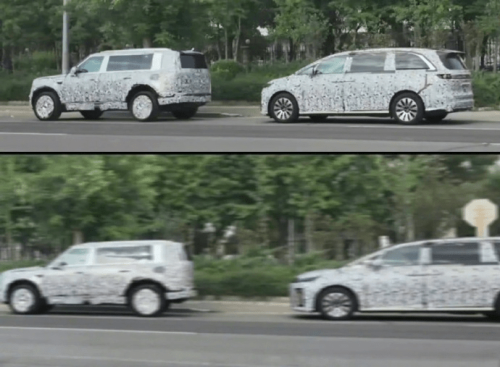
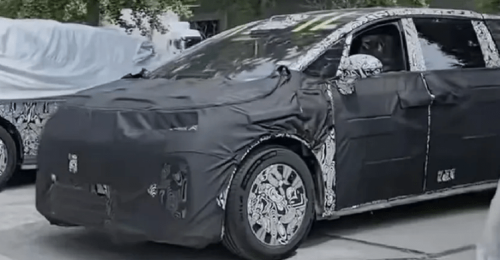
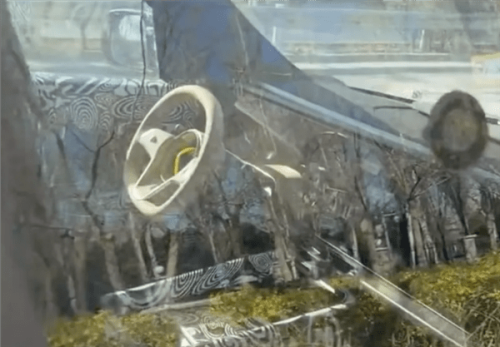
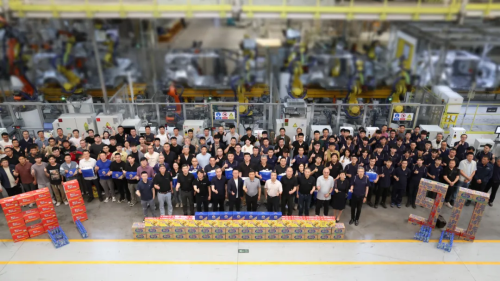
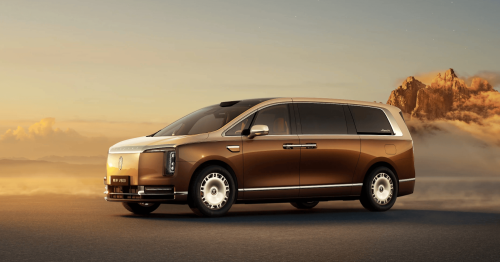
Huawei-backed Stelato has entered road-testing with its first MPV, marking the latest step in Harmony Intelligent Mobility Alliance’s push beyond SUVs. The model is expected to become a key pillar in the group’s effort to tap China’s fast-growing premium MPV segment. Recently leaked spy shots show a heavily camouflaged prototype jointly developed by Huawei and BAIC. The vehicle adopts a boxy yet streamlined MPV profile. Dimensions appear to place it in the mid-to-large MPV class. The rear section seems to feature a full-width taillight bar, a fixed spoiler. Spy photos of two Stelato vehicles: on the left is the previously exposed first Stelato SUV, and on the right is the first Stelato MPV. A roof-mounted LiDAR unit is clearly visible. Industry sources expect the vehicle to use Huawei’s 896-line dual-optical-path LiDAR, paired with the Qiankun intelligent driving system. Spy photo of the front end of Stelato MPV. Current information suggests both battery-electric, range-extender variants are under development. The range-extender version could adopt Huawei’s Xuexiao intelligent range-extender system. The BEV model may ride on an 800V high-voltage platform, offering a dual-motor all-wheel-drive configuration. Inside, the vehicle is expected to adopt Harmony Intelligent Mobility’s latest design language. Reports point to an oval-shaped steering wheel, a new triple-screen layout. Compared with the current OneBox dual-screen setup, the cabin is expected to place greater emphasis on intelligent cockpit functions. Suspected interior photo of Stelato MPV. The MPV prototype was spotted alongside Harmony Intelligent Mobility’s first rugged SUV, a model already seen in multiple previous sightings. The simultaneous testing of both vehicles suggests Huawei, BAIC are accelerating Stelato’s product expansion plans. The timing aligns with comments made by Huawei executive director Richard Yu during Harmony Intelligent Mobility’s annual livestream in late 2025. Yu described 2026 as a major product year for the Stelato brand. Signals from both partners have intensified this year. In April, Peng Lei, product director for Huawei’s HIMA vehicle program, said technical upgrades at the Stelato Super Factory were nearing completion. Once finished, the facility would begin pilot production of new SUV, MPV models. BAIC also disclosed this week that a “major new model” had entered the final preparation stage. BAIC Chairman Zhang Jianyong recently visited the plant, urging teams from both BAIC, Huawei to ensure smooth mass-production readiness. Group photo of Stelato Super Factory employees. For Harmony Intelligent Mobility, entering the MPV segment represents more than a portfolio expansion. The alliance previously lacked an MPV offering. Sales have largely depended on Aito-branded SUVs. Its sedan business, by contrast, has yet to achieve meaningful scale. In May, Stelato S9T ranked as Harmony Intelligent Mobility’s best-selling sedan, delivering 2,279 units. Market potential remains substantial. According to CPCA data, China’s MPV retail sales reached 1.058 million units in 2025. Annual demand has remained above the one-million-unit mark for several consecutive years, making MPVs the country’s third-largest passenger vehicle segment after SUVs, sedans. The premium MPV category has gained momentum as electrification, smart-driving technologies spread across the market. Flagship MPVs serve both as volume drivers, brand-building products. Long associated with executive transport, premium family travel, the segment offers Harmony Intelligent Mobility an opportunity to strengthen its position in the upper end of the market. Against this backdrop, MPVs are emerging as a new growth engine for the alliance. Maextro V800 The Luxeed V9 has already launched. The higher-positioned Maextro V800 has been officially announced. Now, the Stelato MPV has entered testing, further broadening Harmony Intelligent Mobility’s presence across China’s premium vehicle segments.



















 +52 others