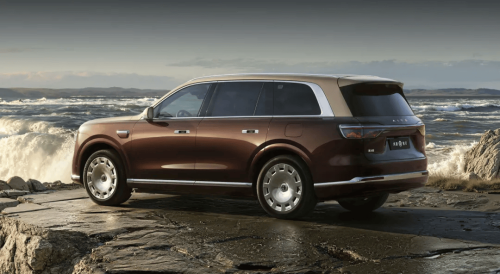
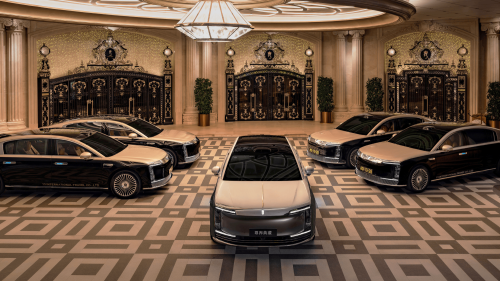
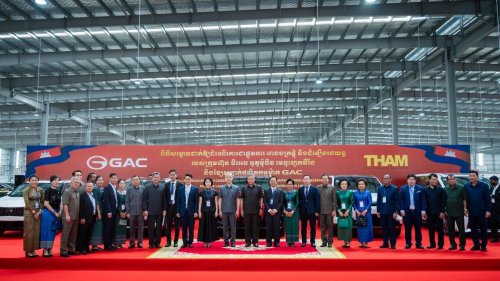
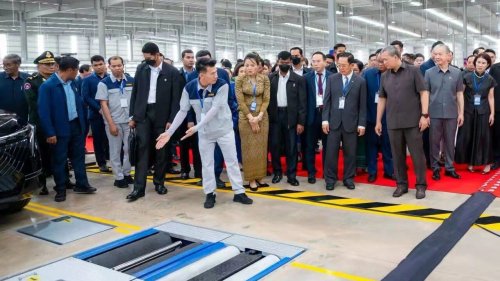
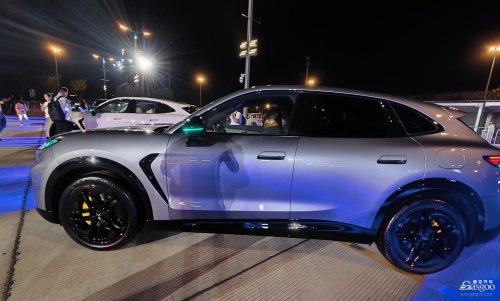
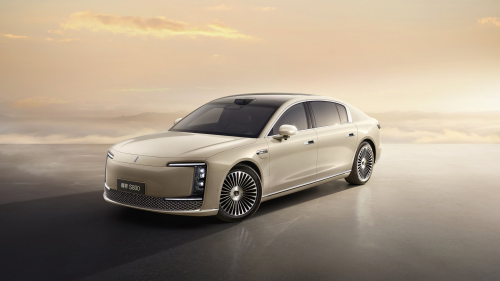
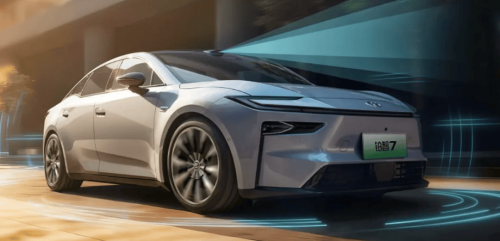
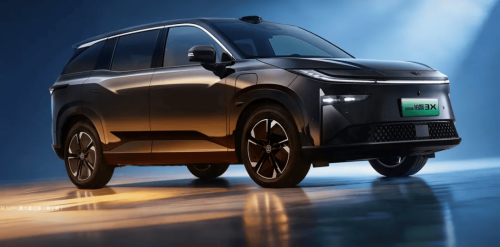
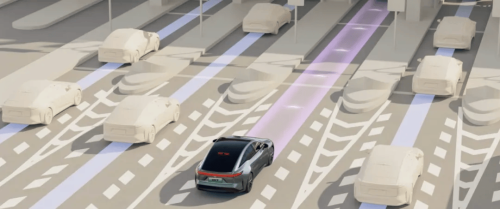
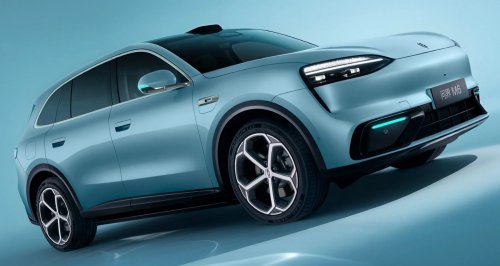
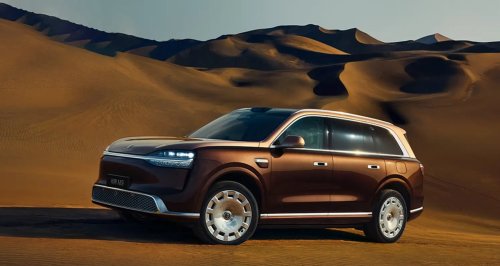
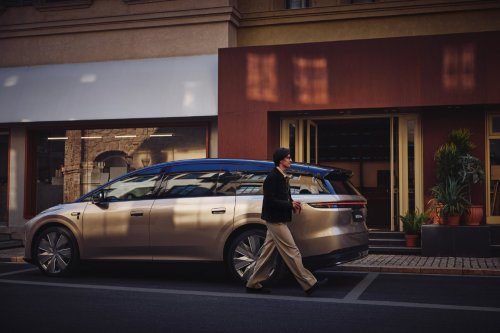
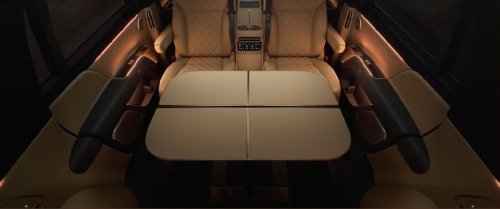
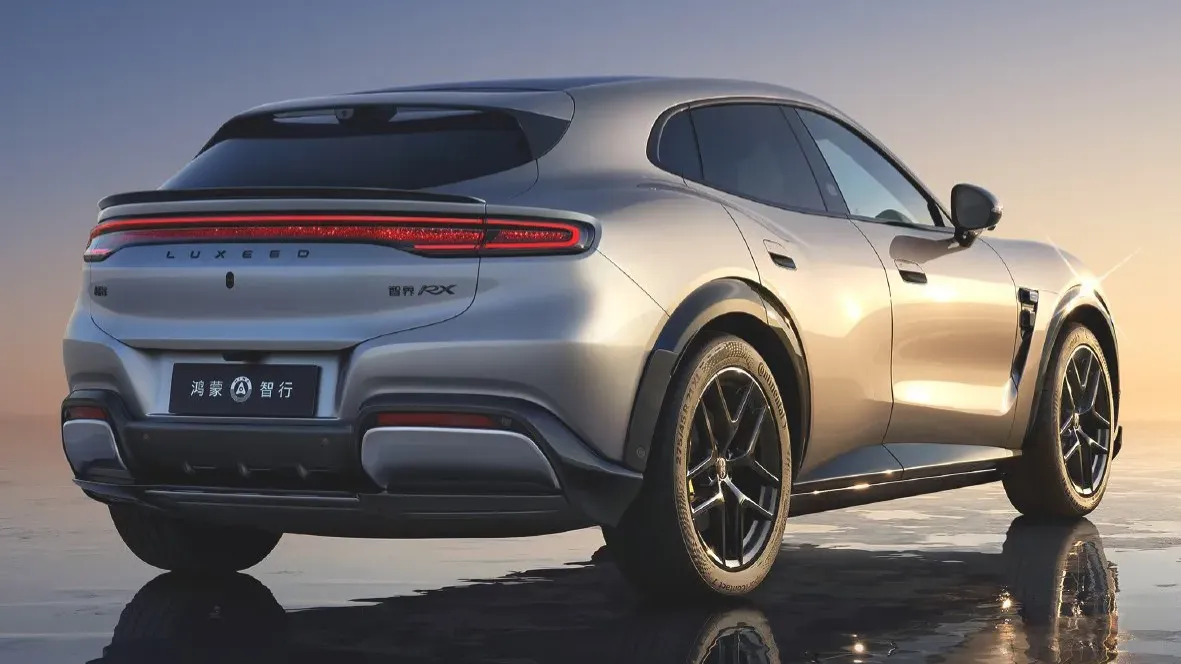
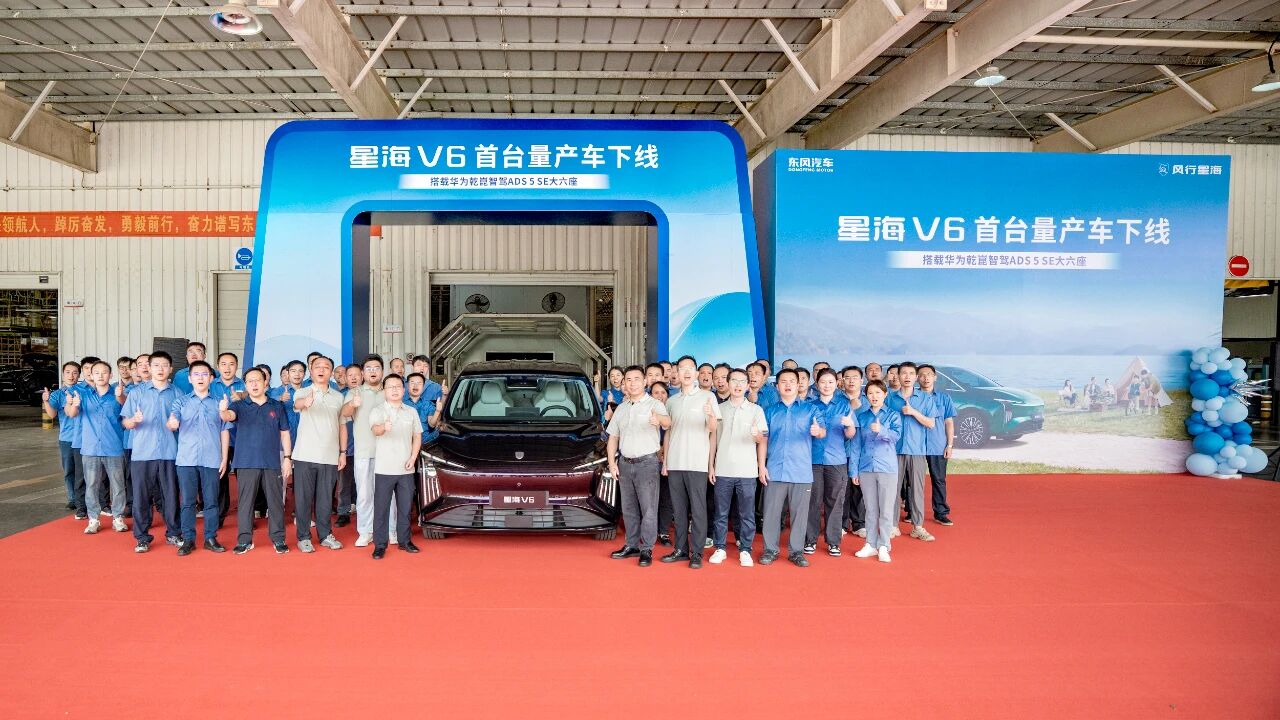
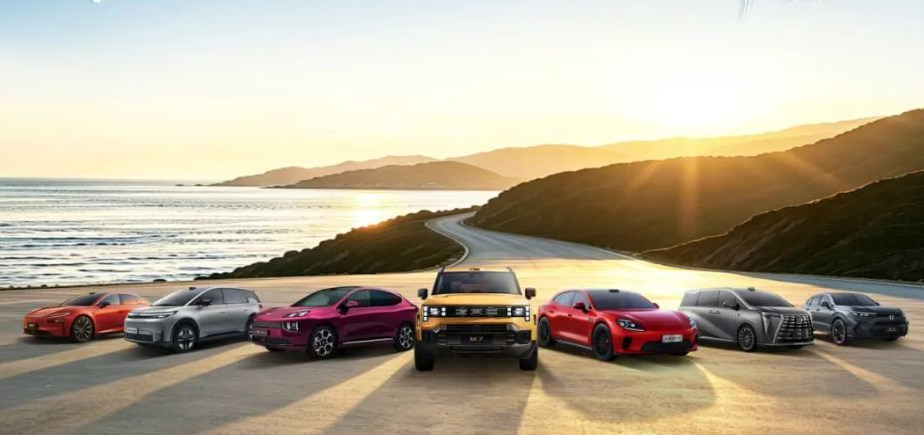
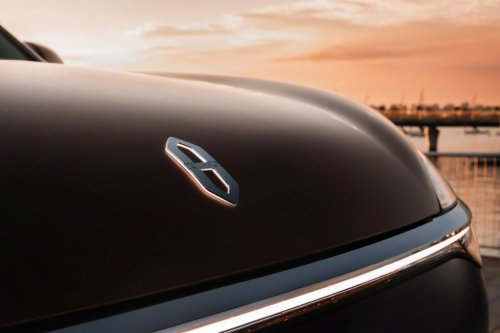
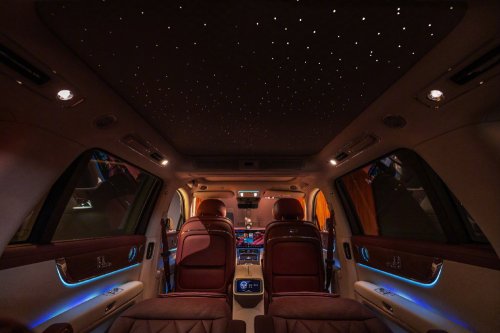
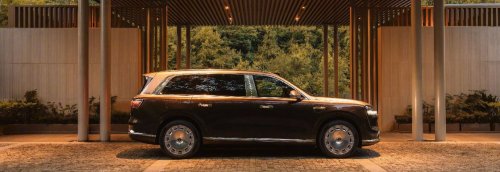
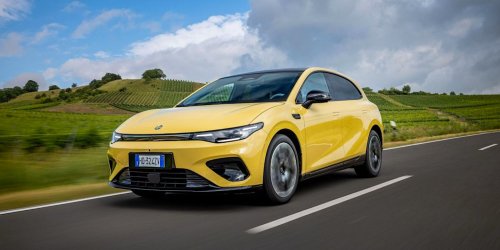
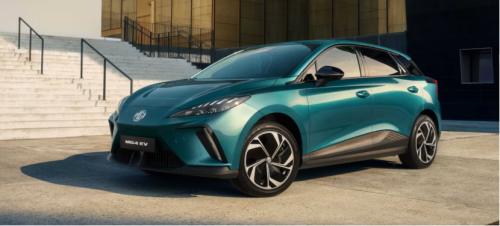
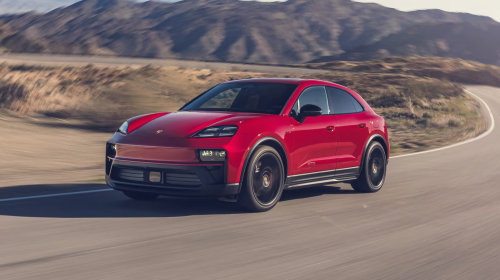
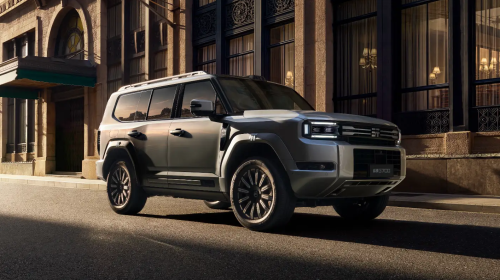
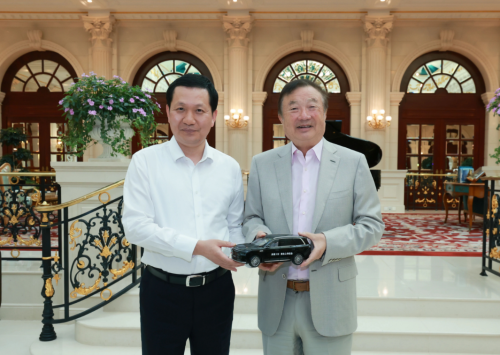
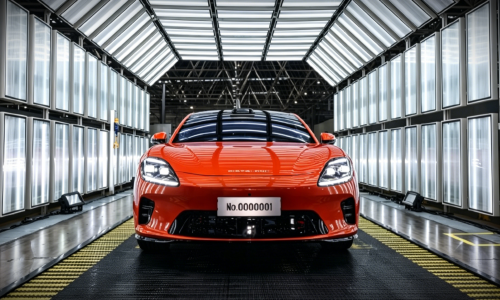
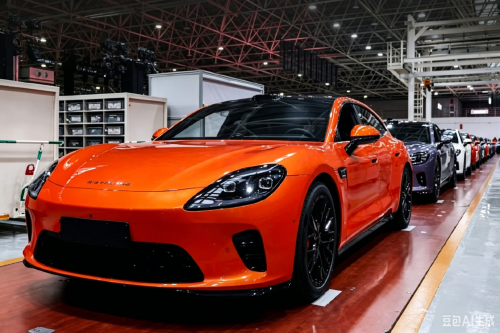
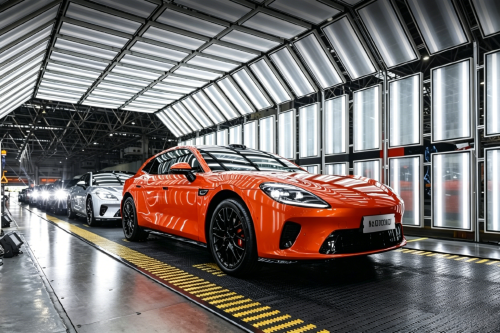
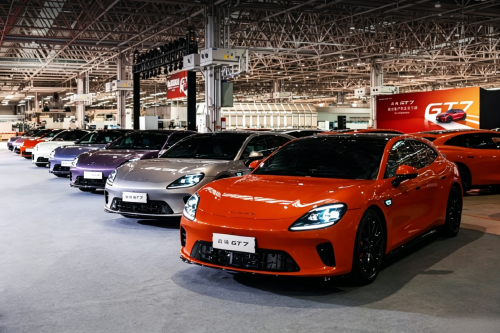
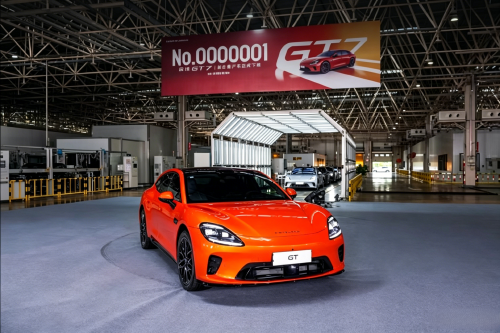
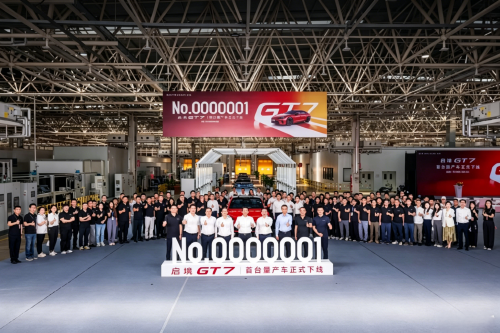
The first Aistaland GT7 production vehicle finished factory assembly ahead of its formal retail market launch. Credit: Aistaland Understand China EV’s Market Real-time notifications when critical EV data is released All important data in one place 2,000,000+ data points Become a member Aistaland GT7 electric shooting brake production models officially rolled off the line on June 22, 2026. This new vehicle is the result of a joint automotive development project between GAC Group and Huawei. According to the company’s official channels, the premium model is scheduled for a formal retail launch on June 26, 2026. The vehicle introduces the new Huawei Chitu platform architecture as its primary technological foundation. This platform integrates standard CATL battery packs across all powertrain variants. Pre-sales originally opened at the regional Greater Bay Area Auto Show with a starting baseline of 219,900 yuan (32,500 USD). Powertrain and battery The electronic architecture relies on the advanced Huawei ADS 5 high-grade intelligent driving system. This software suite works alongside a next-generation double-optical-path image-grade laser radar array. These sensors monitor structural environments to feed data into the HarmonySpace digital cockpit. Mechanical configurations feature a dual-chamber closed-air suspension system and continuous-damping control shocks. High-performance four-piston fixed callipers provide braking force to manage the flagship performance tier. The tri-motor variant delivers 0-100 km/h acceleration in 2.98 seconds and a maximum range of 900 km. These mechanical and computational choices aim to challenge premium electric vehicles like the Zeekr 001 in technical specifications. The platform targets drivers seeking a blend of hardware performance and deep software optimisation. The model leverages these features to position itself in the premium shooting-brake category. Manufacturing and precision GAC Group handles assembly using a flexible manufacturing plant capable of rolling off a finished vehicle every 53 seconds. The highly automated lines accommodate more than 100,000 unique configurations and 20 exterior paint colours. Production scheduling uses a mixed-model system to ensure delivery within 14 days. The stamping section introduces full-surface springback analysis, die surface compensation, and advanced mesh die forming. Automated welding stations utilise real-time online monitoring to audit vehicle dimensions and gap tolerances. For the exterior body, the paint infrastructure adopts a customised coating process developed in partnership with BASF. Strategy and tracking The model line encompasses four structural variants targeting different premium price brackets. Intermediate tiers include the Ultra at 249,900 yuan (36,910 USD) and the Ultra Long Range at 279,900 yuan (41,341 USD). The lineup concludes with the flagship tri-motor four-wheel-drive edition priced at 309,900 yuan (45,772 USD). Initial retail metrics indicate strong baseline interest, with pre-orders exceeding 10,000 units within five hours of opening. This momentum contrasts with broader group performance data from the China EV DataTracker. Domestic sales of the entry-level GAC Aion UT fell to 1,700 units in May 2026. Production versions of the new Huawei-equipped Aistaland GT7 debuted from the factory assembly lines.



















 +71 others