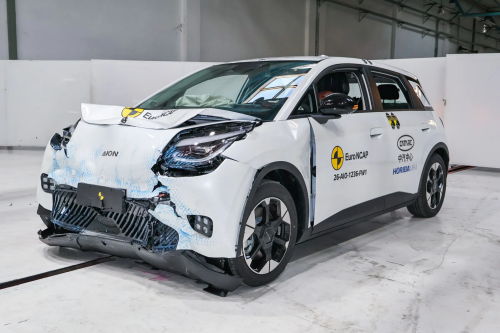
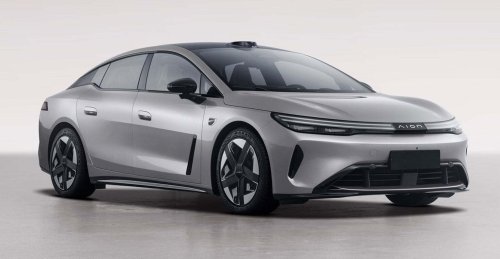
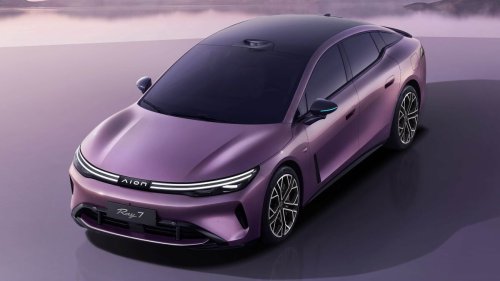
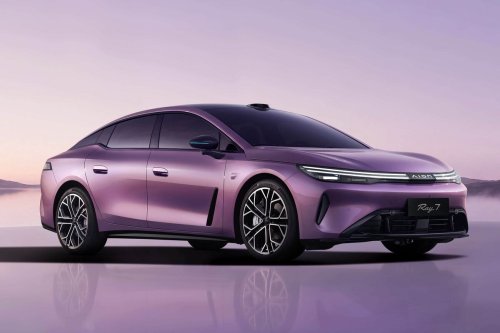
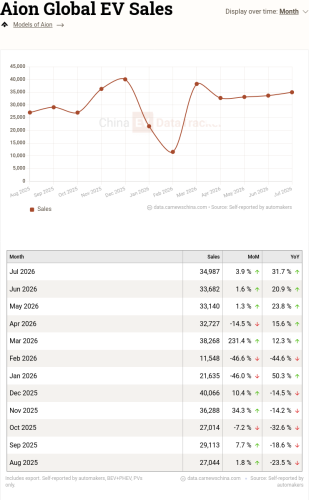
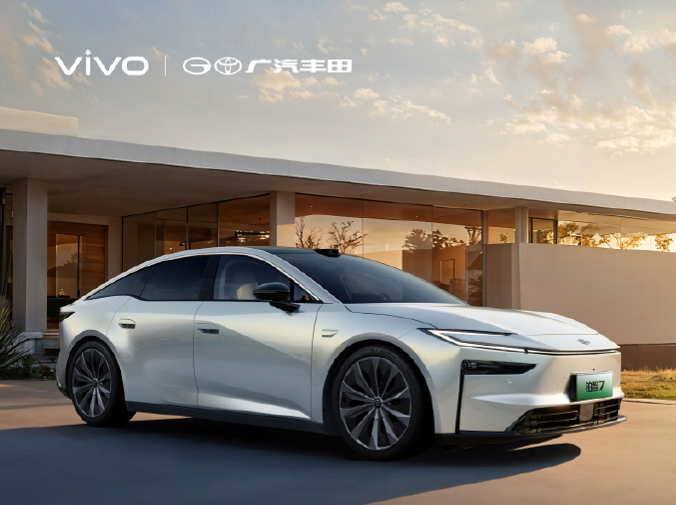
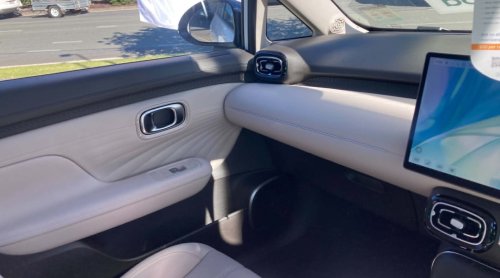
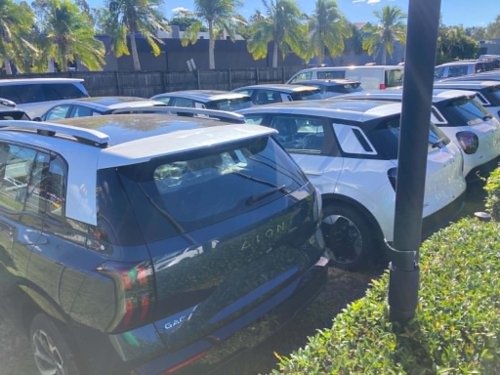
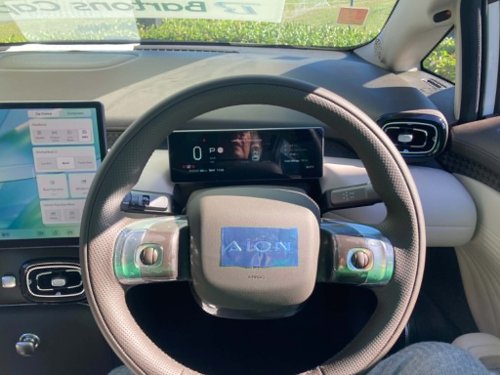
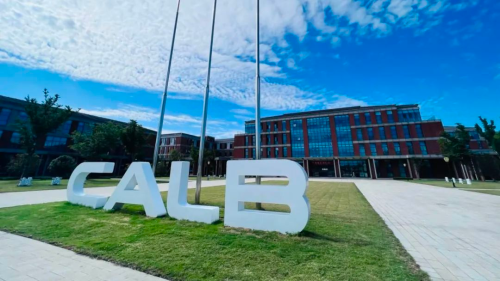
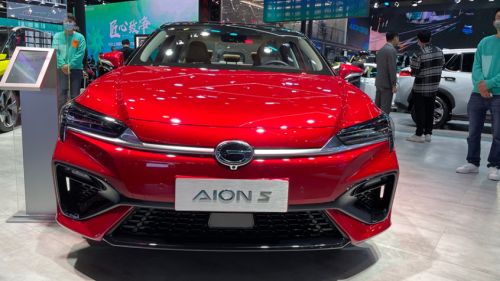
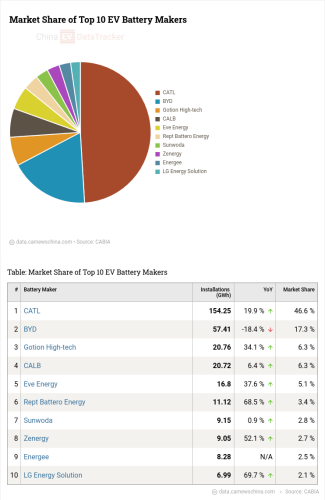
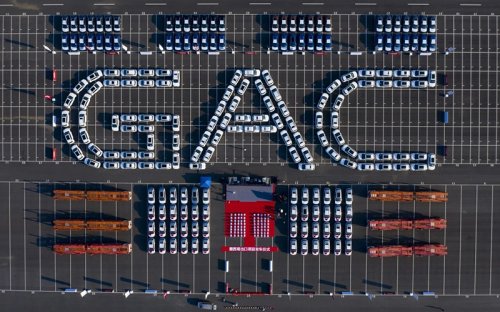
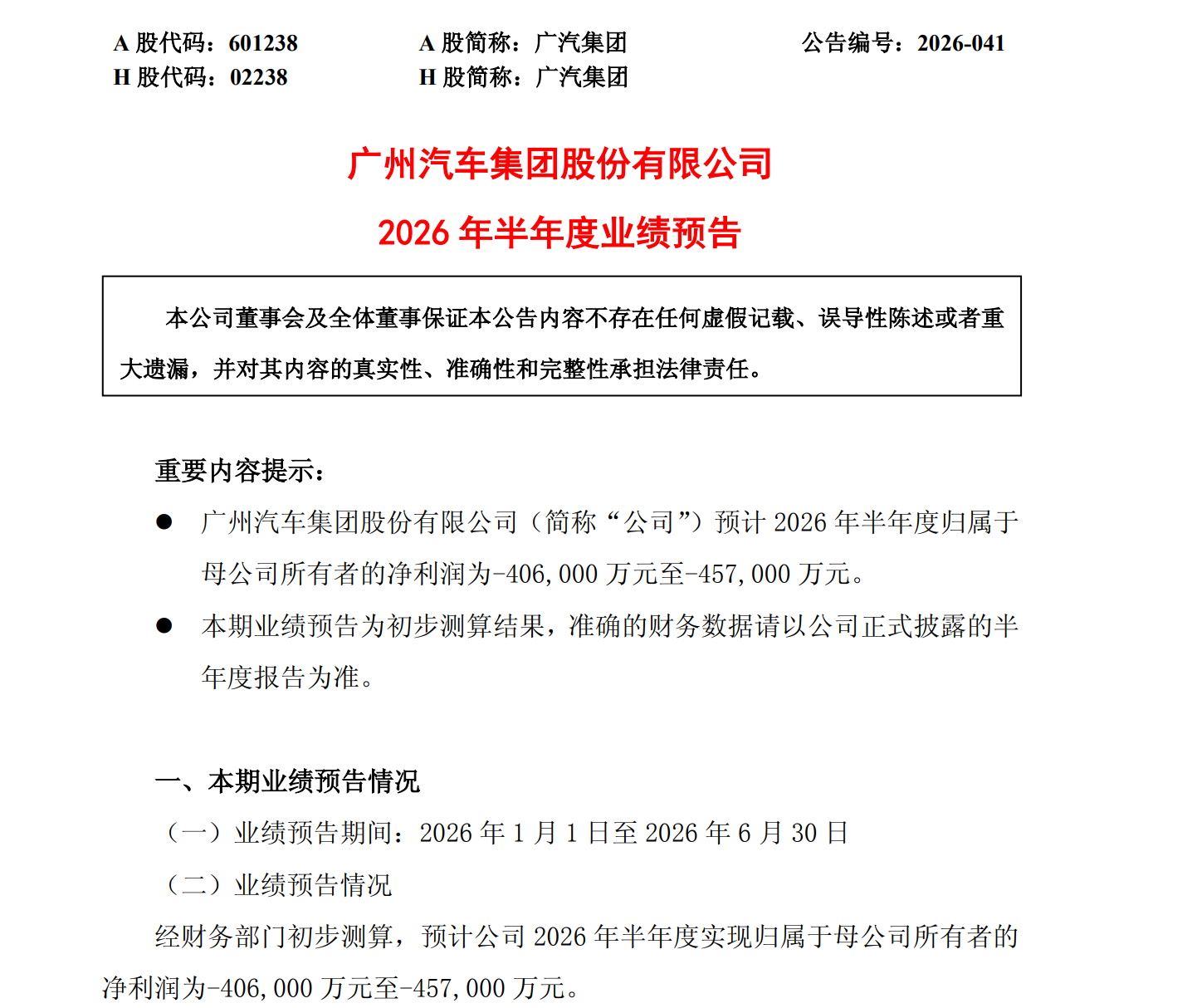
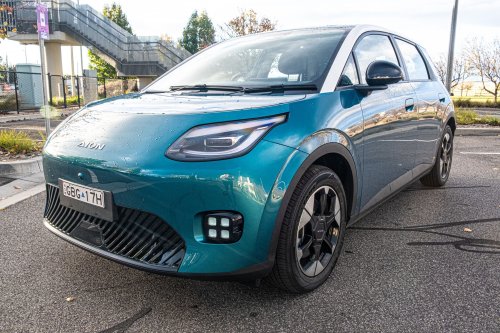
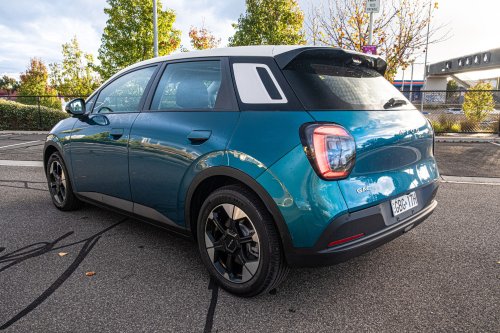
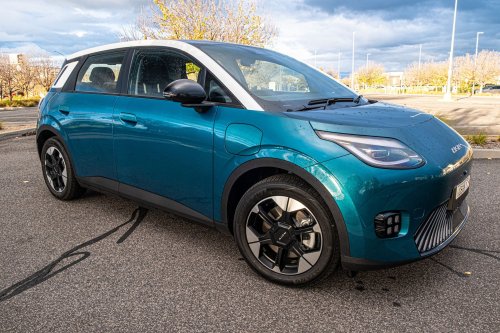
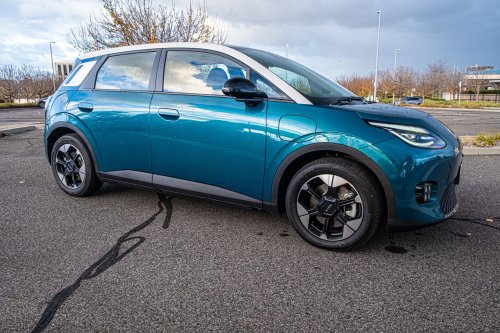
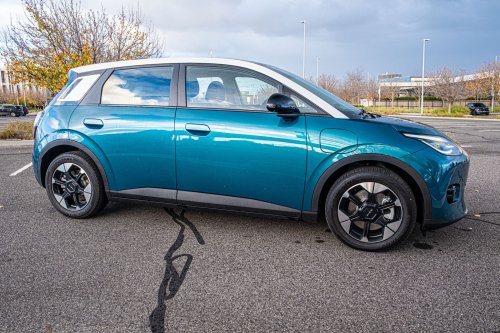
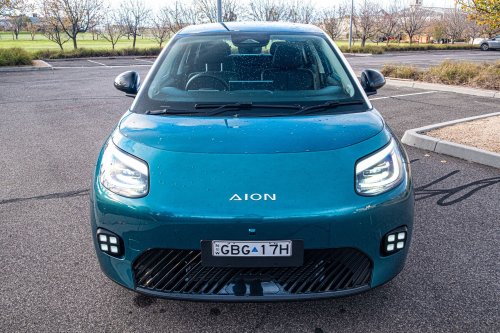
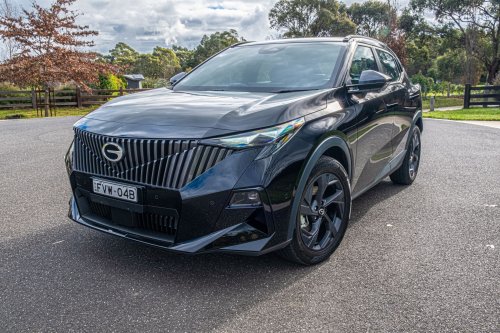
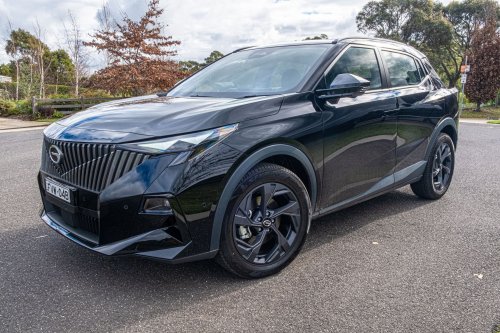
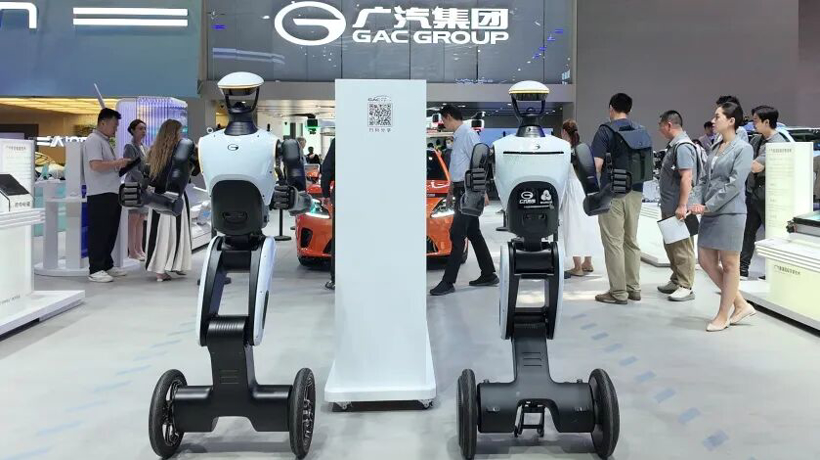
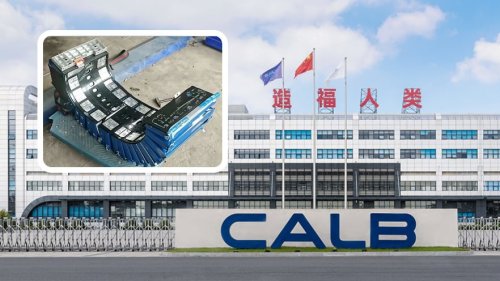
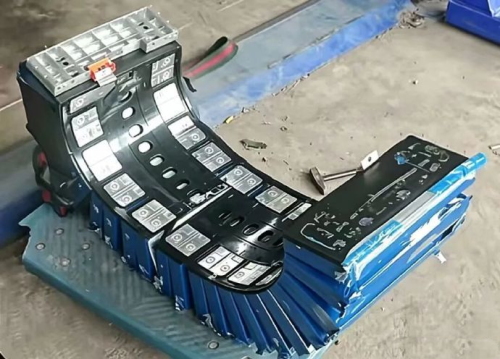
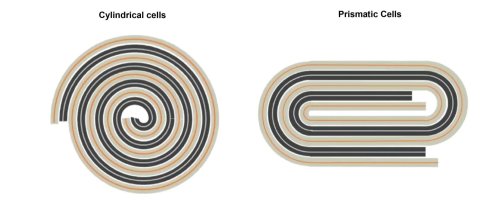
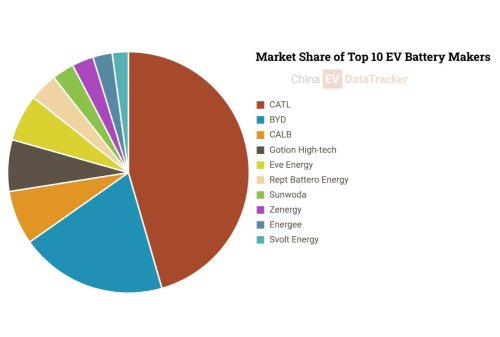
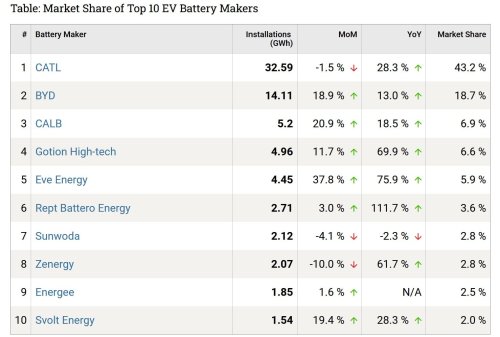
CALB is reportedly conducting internal reforms after GAC's EV fleet experienced massive battery failures. Image modified by CarNewsChina. Understand China EV’s Market Real-time notifications when critical EV data is released All important data in one place 2,000,000+ data points Become a member CALB has committed to a series of internal technical reforms to improve the quality of its cells. This comes after massive battery failures were reported in China among GAC’s EV fleet, and the Chinese battery maker was thrust into the spotlight for its swollen “banana battery” cells. CarNewsChina previously reported that Chinese consumer complaint platforms, such as 12365auto and Black Cat, recorded 182 battery-related complaints in the first half of July. The issue was traced back to CALB’s 177 Ah LFP cell, affecting around 213,000 vehicles in China with a fault detection rate of 4.7%. A swollen cell module removed from an affected GAC vehicle. Source: Weibo – Shui Shui Xiong Tong Xue GAC’s Aion sub-brand and CALB both apologised for the failures on July 18. The auto brand extended its battery warranty for affected vehicles to 8 years or 300,000 km, while the battery maker pledged to offer free maintenance and inspection services. CALB’s technical reforms Future Auto Daily, a Chinese automotive outlet, reports that internal staff at CALB have committed to changes in manufacturing traceability, product verification, and customer relations. It also claims that CALB is tightening its requirements for the electrode coating process, aligning thickness and density standards with “top industry players” like CATL. The source claims that, before the “banana battery” incident, CALB specified an area density range of 2.3-2.5 g/cm3 for its LFP cell electrodes, in line with industry standards. It now requires this metric to deviate less than +/- 1.5%. CALB is reportedly changing its guidelines on humidity and dew point monitoring for the electrolyte filling process as well. The battery maker previously retained batch samples daily, a process now carried out for each cell roll produced. The cross-sections of cylindrical (rolling) and prismatic (laminated) cells.Source: Benergy Finally, CALB is claimed to have begun reverse-auditing its stockpile of raw materials, auxiliaries (adhesives, insulation, etc.), and additives acquired between 2022 and 2023. It has also partially halted the use of cell formulations with low remaining material stockpiles. Management reforms Apart from technical tweaks, CALB is allegedly expanding its quality assurance and customer relations departments. It has established a rapid-response quality feedback team for passenger vehicles and has partnered with its top customers to monitor BMS data in their EVs jointly. CALB’s quality assurance department has also been given veto powers and is now able to write off entire batches of cells deemed “problematic” by them. Future Auto Daily claims that veto powers are uncommon among smaller Chinese battery makers, with focus placed on maximising cell production to meet urgent demands from OEMs. More on CALB According to China EV DataTracker, CALB held a 6.9% market share and installed 5.2 GWh of batteries in June 2026. CALB is the top player among second-tier suppliers like VW-backed Gotion and Sunwoda, but it’s overshadowed by the industry’s top dogs, CATL and BYD. Market share of China’s top 10 EV battery makers in June 2026. Source: China EV DataTracker While the “banana battery” incident has taken its toll on CALB’s reputation, it remains to be seen whether it will affect the battery maker’s market share. With the proposed reforms, in addition to aggressive pricing and long warranties, it may still be able to court Chinese OEMs that bigger suppliers have shunned. Source: Future Auto Daily Most important news in your inbox. Recaps · scheduled All you need, in one email. Instant alerts · real-time Ping me when an article goes live. 0 of 27 topics selected Bundle into one email per day — instead of one email per article No spam · Unsubscribe with one click · Change settings anytime



















 +63 others