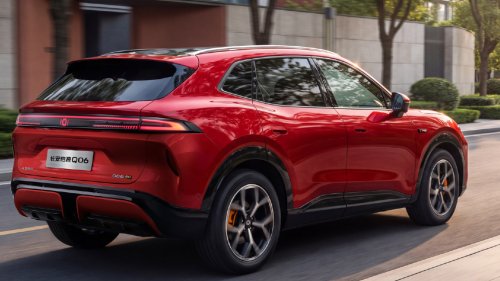
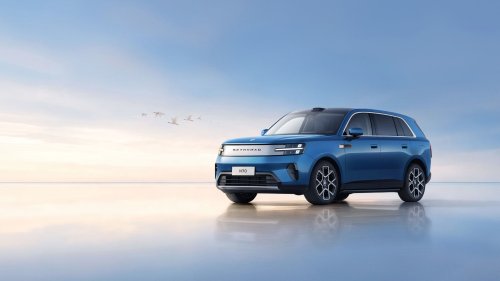
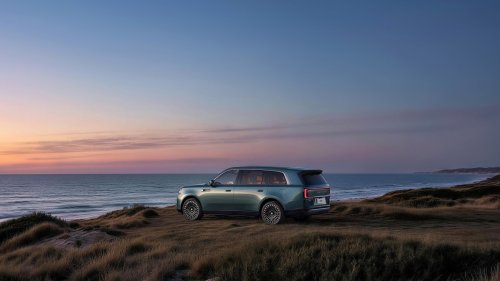
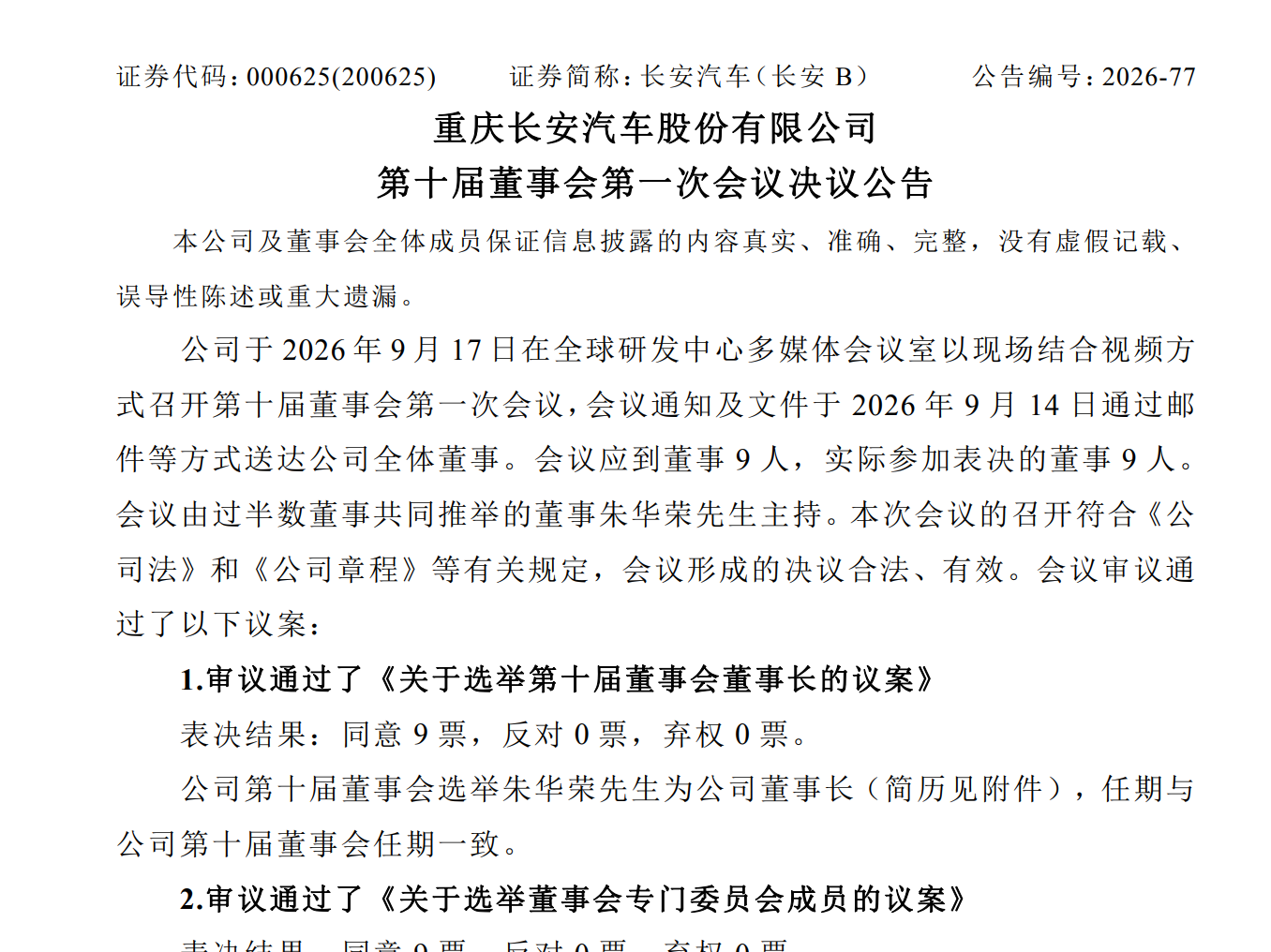
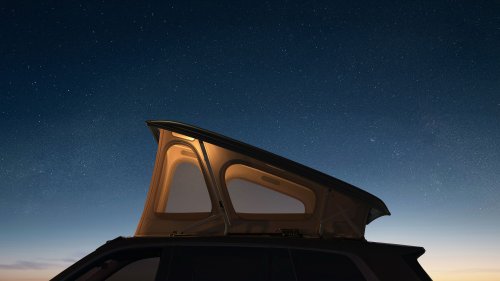
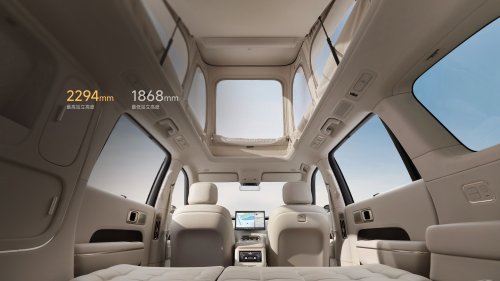
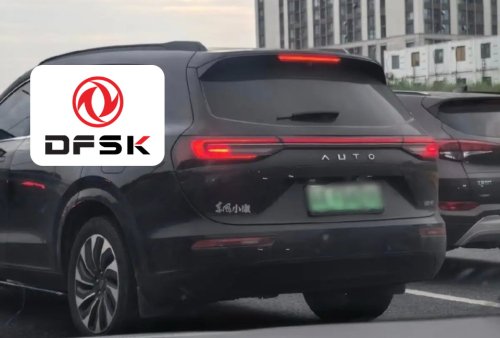
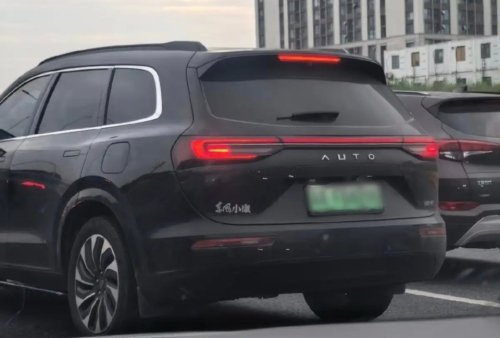
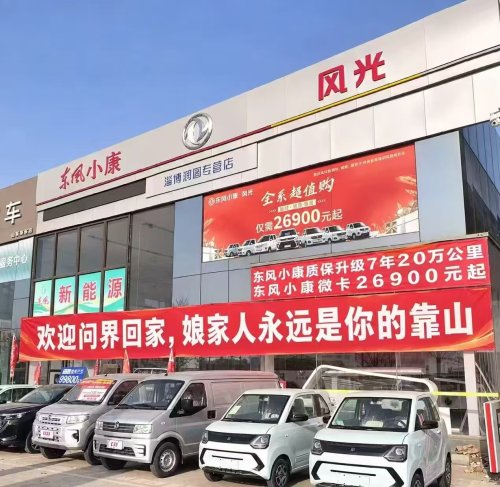
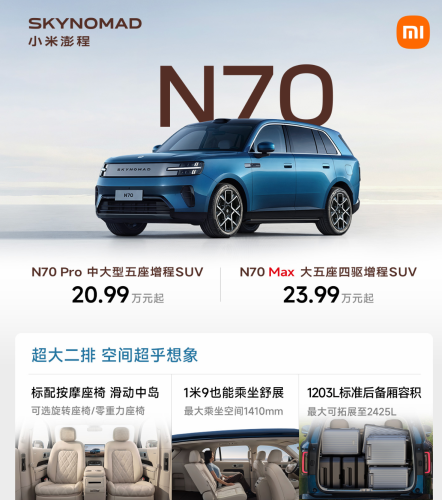
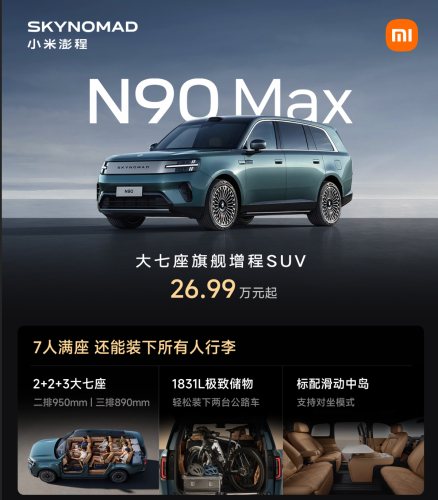
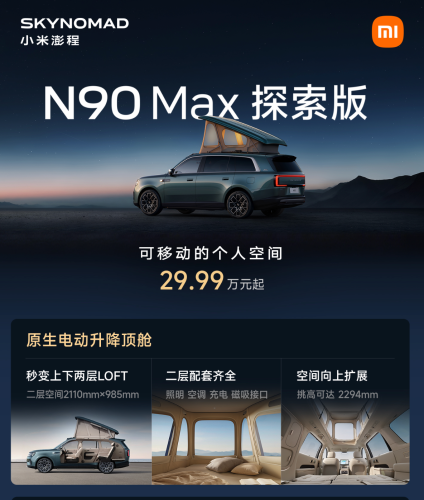
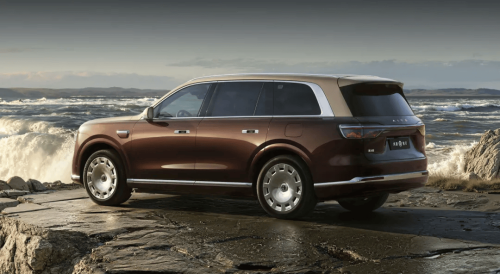
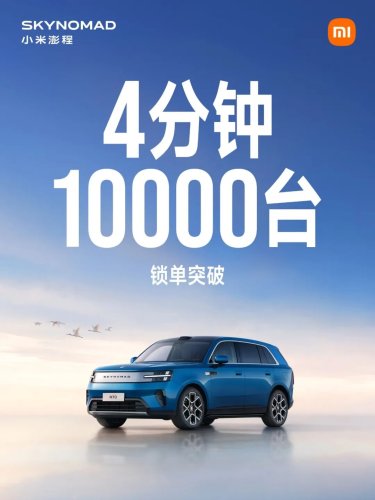
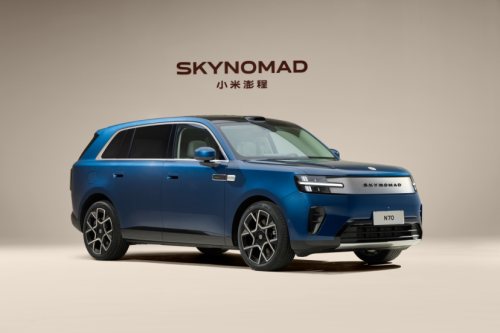
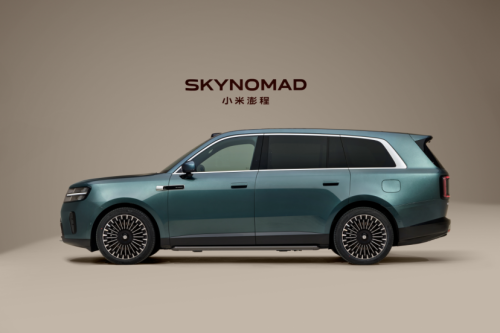
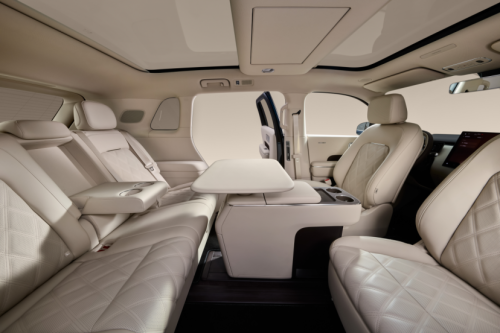
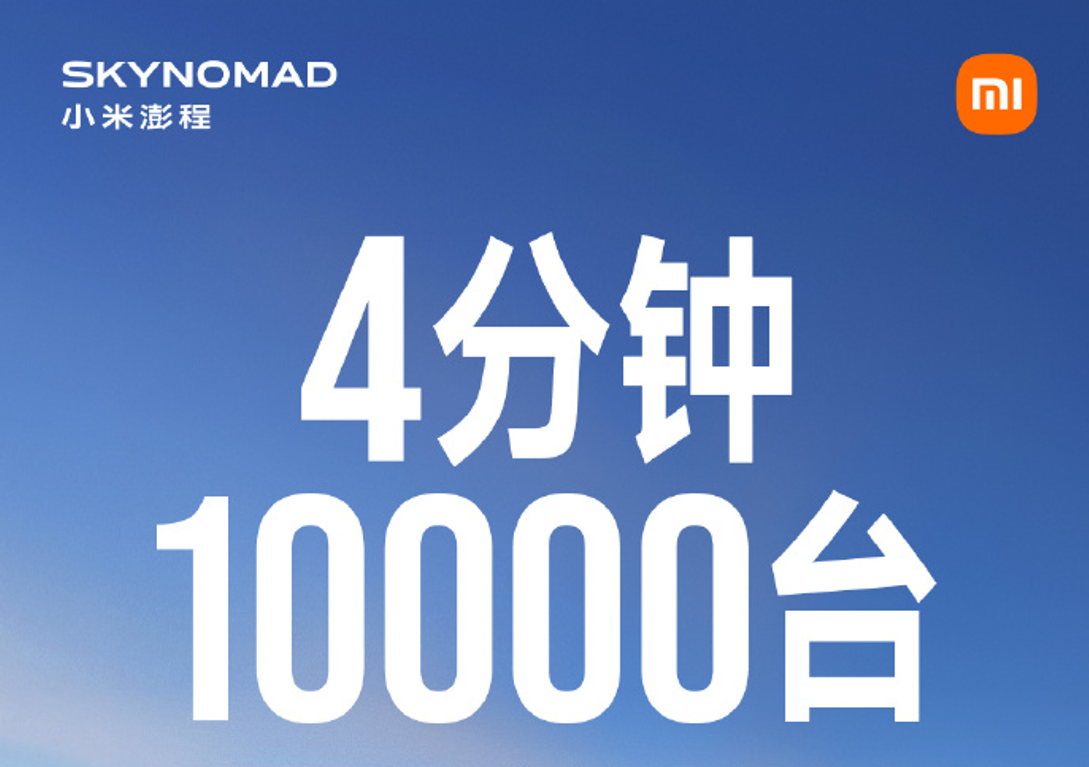
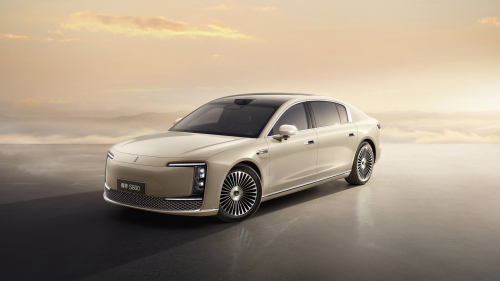
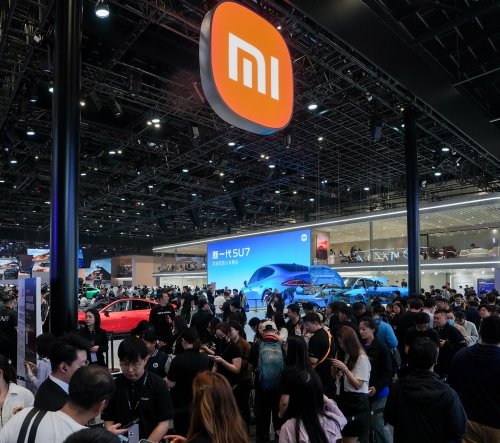
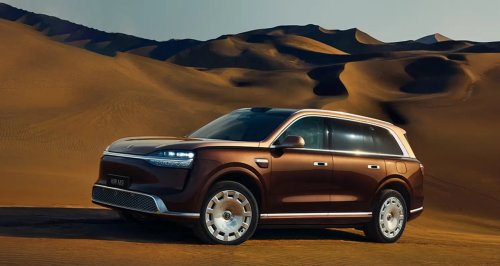
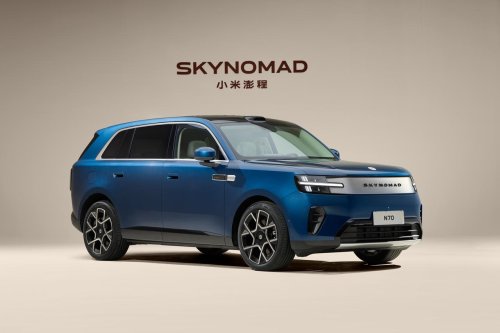
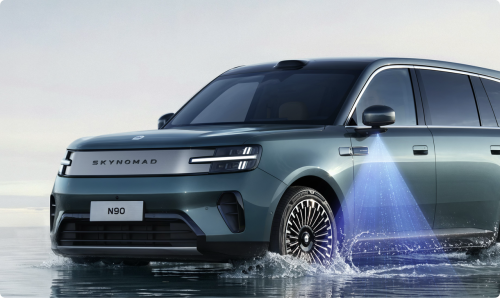
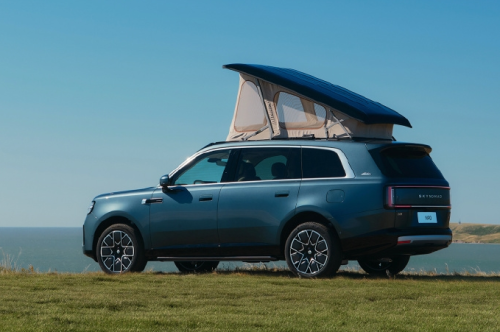
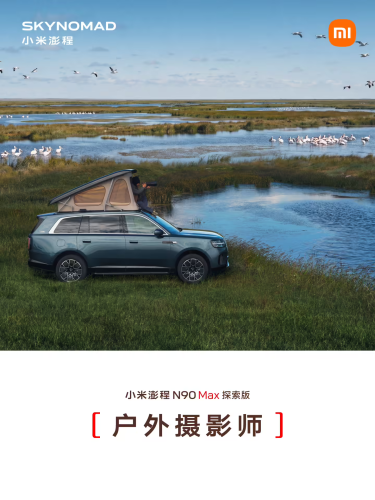
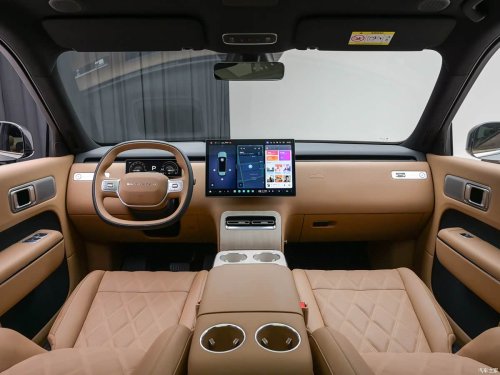
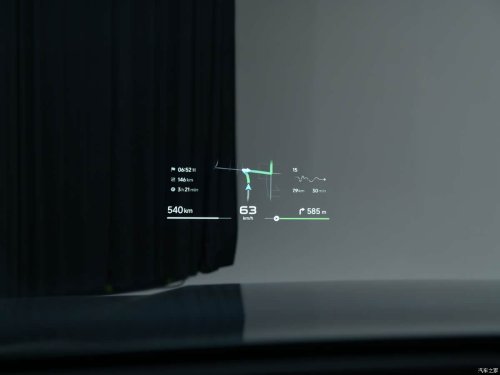
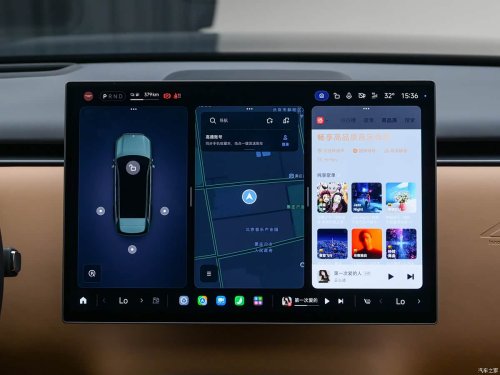
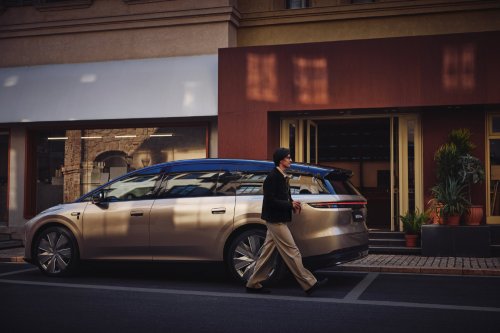
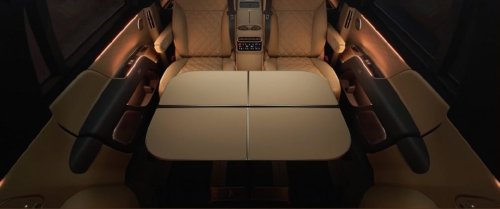
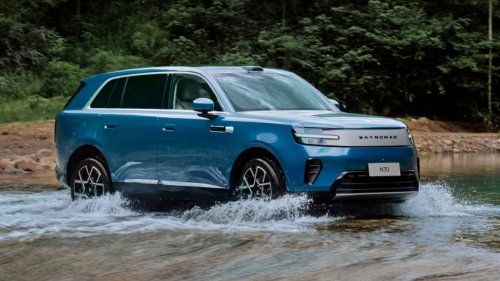
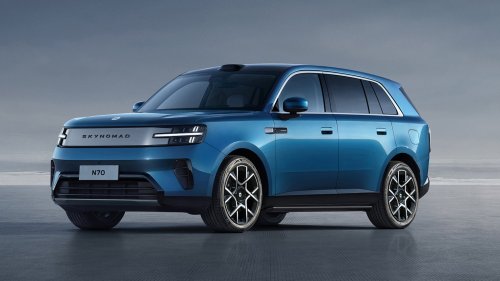
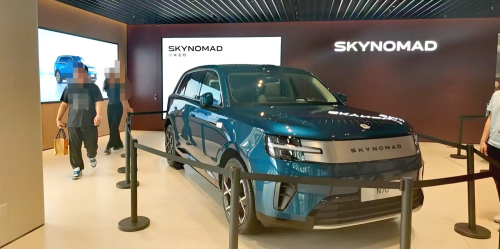
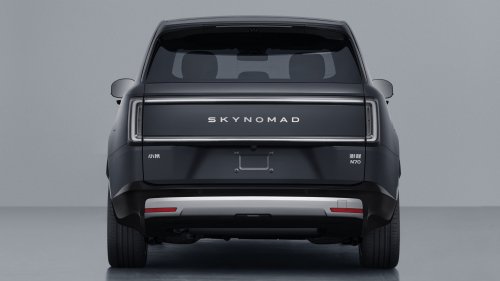
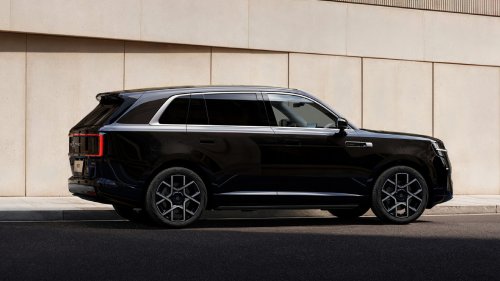
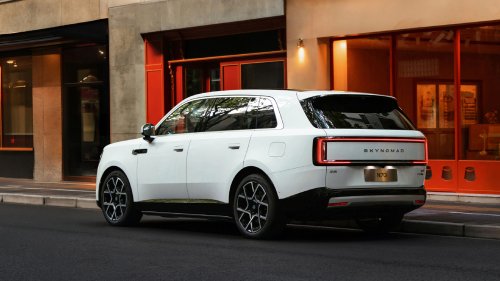
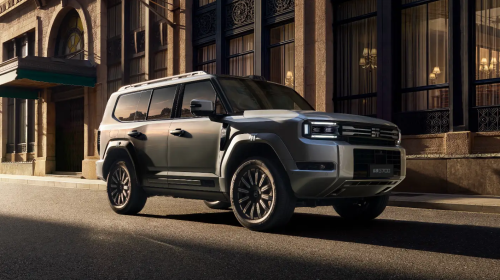
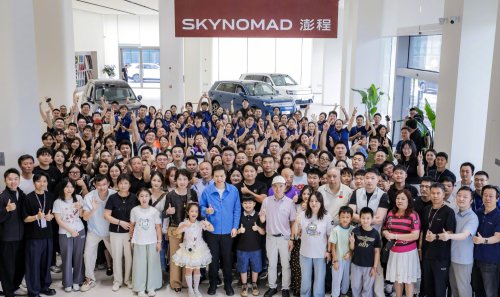
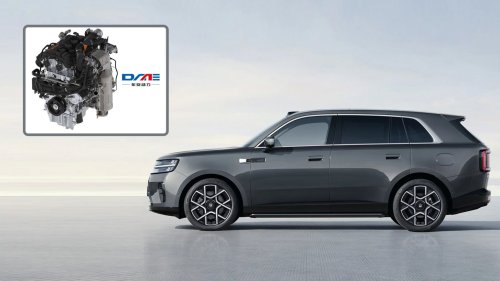
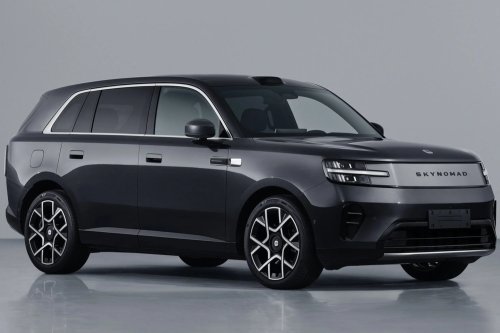
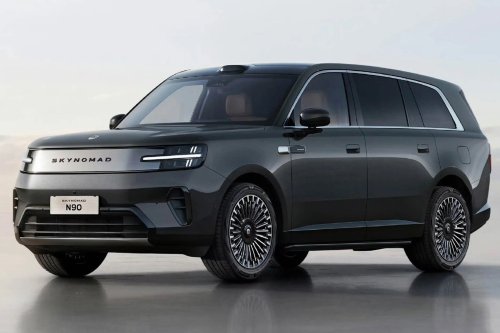
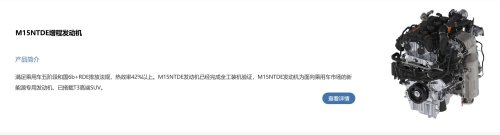
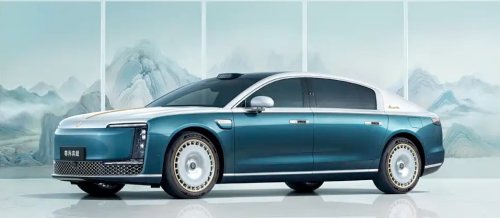
Xiaomi's Skynomad N70 EREV SUV, alongside a range extender from Harbin Dongan's M15 range. Image modified by CarNewsChina. Understand China EV’s Market Real-time notifications when critical EV data is released All important data in one place 2,000,000+ data points Become a member Range-extended EVs (EREVs) have shed their reputation as “stopgap tech” in China, with many Chinese automakers offering both EV and EREV trims of the same model. While legacy state-backed brands have existing combustion tech to fall back on, startups and newcomers have to rely on standalone engine suppliers. One of these suppliers is Harbin Dongan Auto Engine, a subsidiary of state-owned Changan. It once supplied range extenders for Leapmotor’s C11 SUV, and Li Auto’s first SUV, the Li One. Li Auto switched to other suppliers for its later cars, though, due to major issues like carbon buildup. The firm made headlines in China after Xiaomi announced the Skynomad lineup, confirming Harbin Dongan as the sole supplier of the range extenders for the N70 and N90. In terms of tech and efficiency, Harbin Dongan’s range extenders are mostly on par with existing offerings in the Chinese market. Xiaomi’s decision, though, could be attributed to the firm’s low pricing, with Sina Auto reporting a purchase price of only 8,000 yuan (~1,100 USD) for Skynomad’s 1.5T units. Xiaomi’s 1,100 USD Decision Xiaomi shocked the auto industry with the launch of the SU7 sedan and YU7 SUV, going from a newcomer to a household auto brand in record time. While it could leverage its tech-giant roots for EV development, developing an EREV platform from scratch would take time it couldn’t afford. The upcoming Xiaomi Skynomad N70 & N90. Credit: Xiaomi China’s NEV boom, though, has created a mature supply chain for EREV powertrains. Legacy automakers like Changan and Dongfeng developed range extenders from their existing ICE lineups, and new suppliers like Geely & Renault’s Horse Powertrain are now offering drop-in solutions for existing EV platforms. Harbin Dongan has also cashed in on the EREV trend, refining their Mitsubishi-derived petrol engines from a now-defunct joint venture into a lineup of dedicated range extenders. While not the most technologically advanced, the widespread use of the firm’s products in existing EREVs could have influenced Xiaomi’s search for a reliable range extender. The claimed unit price of 8,000 yuan would only tip the scales further in Dongan’s favour. Xiaomi has settled on the M15DRE engine for its Skynomad lineup. MIIT lists it with a thermal efficiency of 44.3%, lagging behind the 47.26% of the Geely Galaxy A7. Still, it allows the N90 to achieve a low-battery WLTC fuel consumption figure of 5.7 L/100 km, a commendable figure for a full-size SUV. One can assume that Xiaomi is satisfied with the Dongan unit’s trade-off between price and efficiency. Using an external engine supplier would allow it to save billions on engine development, and the M15DRE’s low unit price would keep its margins afloat. Despite the SU7’s title as one of China’s best-selling sedans, Xiaomi lost 5,600 USD on every car in Q1 2026. Xiaomi desperately needs a profitable, yet affordable, volume seller to bring in cash. More on Dongan Dongan started as a minor supplier for entry-level microvans and sedans. It now specialises in NEV combustion powertrains, with range-extender models ranging from 1.2T three-cylinder units to 2.0 naturally aspirated generators listed on its website. Dongan’s M15NTDE range extender, boasting a thermal efficiency figure of >42%. Credit: Harbin Dongan Apart from Xiaomi, Dongan also has Huawei’s Maextro as one of its star clients. The firm’s 1.5T range extender is featured on the Maextro S800 Grand Design, a 235,300 USD luxury sedan that’s one of China’s priciest NEVs. Huawei’s Maextro S800 Grand Design. Credit: Maextro The firm previously made headlines for developing a new PHEV engine that meets China VII and Euro VII emission requirements. It also developed China’s first high-power rotary engine, intended for use in the country’s “low altitude economy” in aerial vehicles. Source: Sina Auto, Harbin Dongan Auto Engine Most important news in your inbox. Recaps · scheduled All you need, in one email. Instant alerts · real-time Ping me when an article goes live. 0 of 27 topics selected Bundle into one email per day — instead of one email per article No spam · Unsubscribe with one click · Change settings anytime



















 +28 others