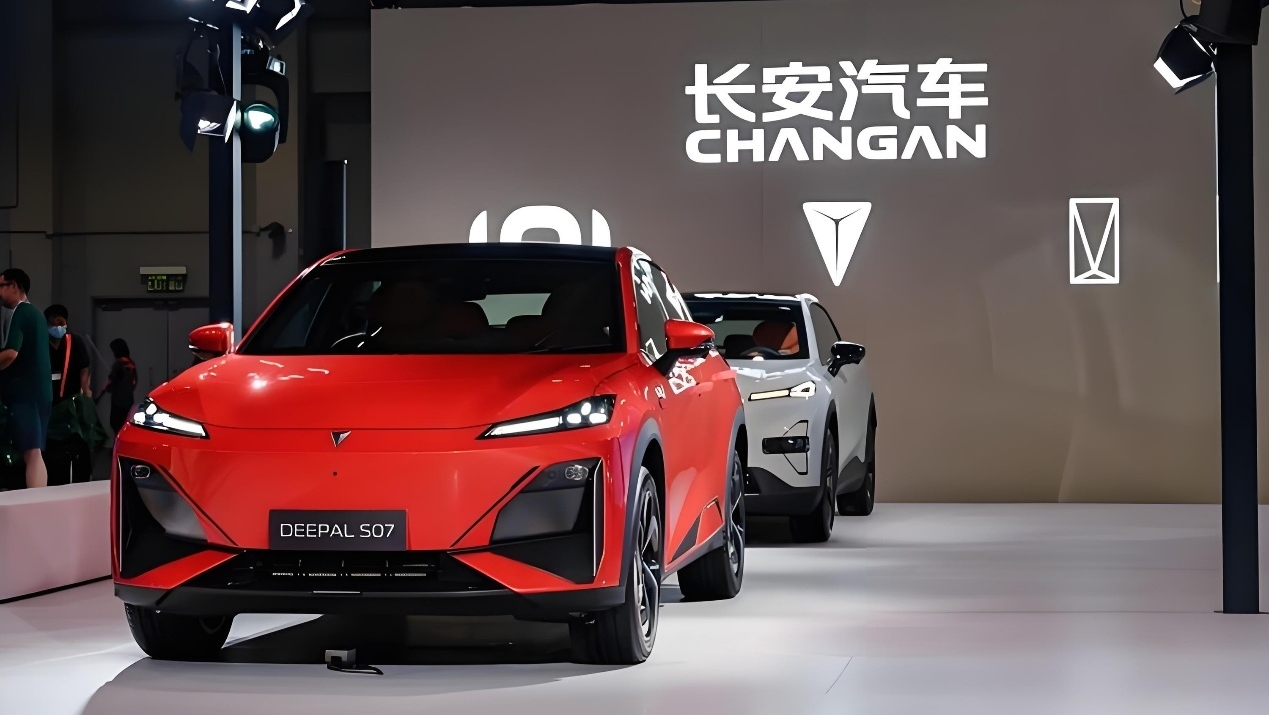
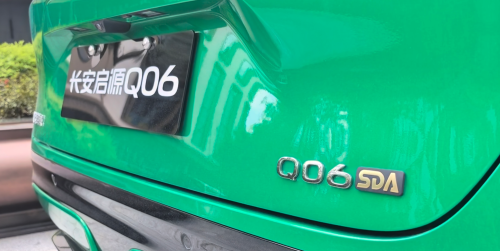
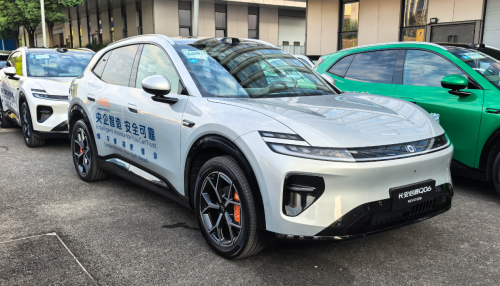
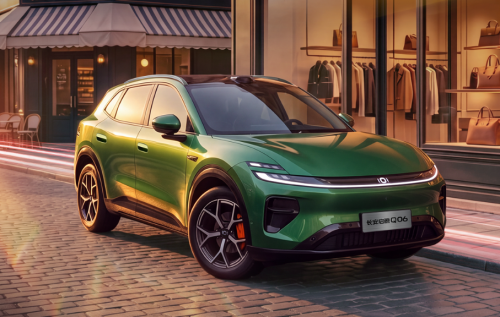
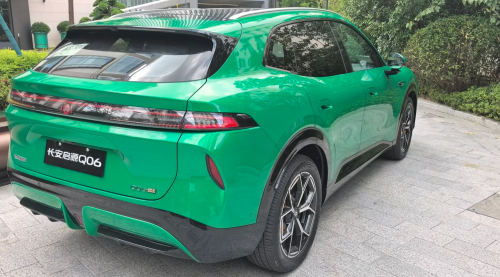
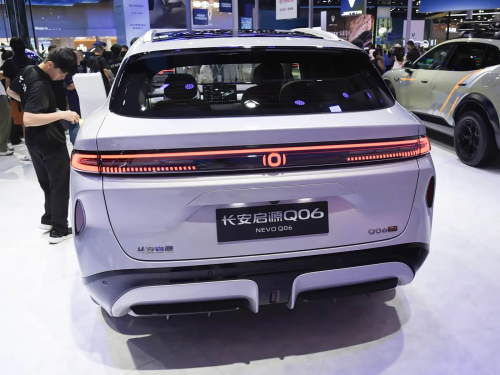
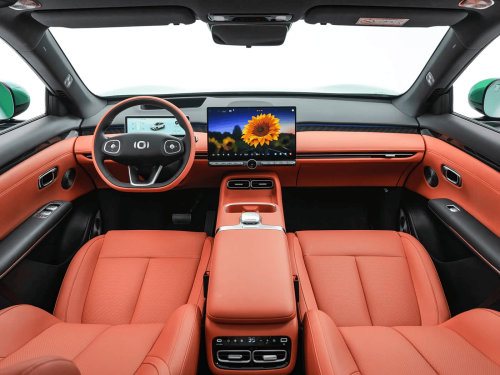
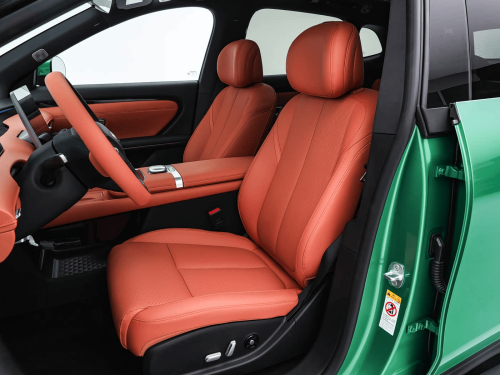
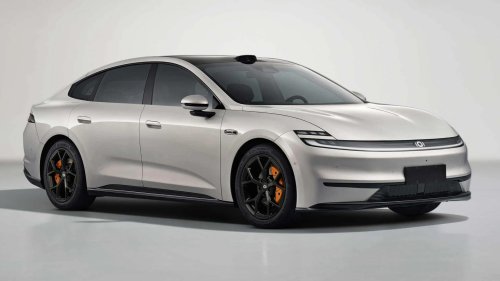
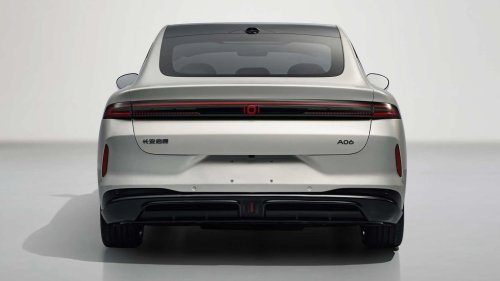
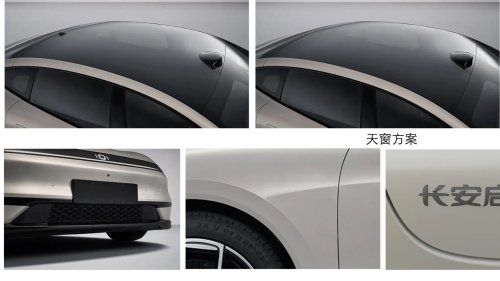
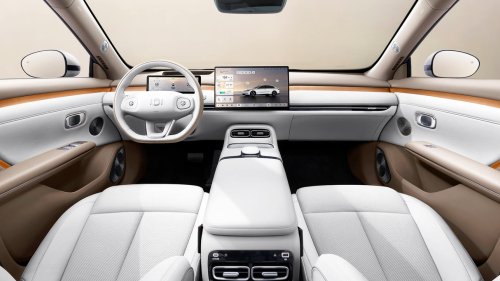
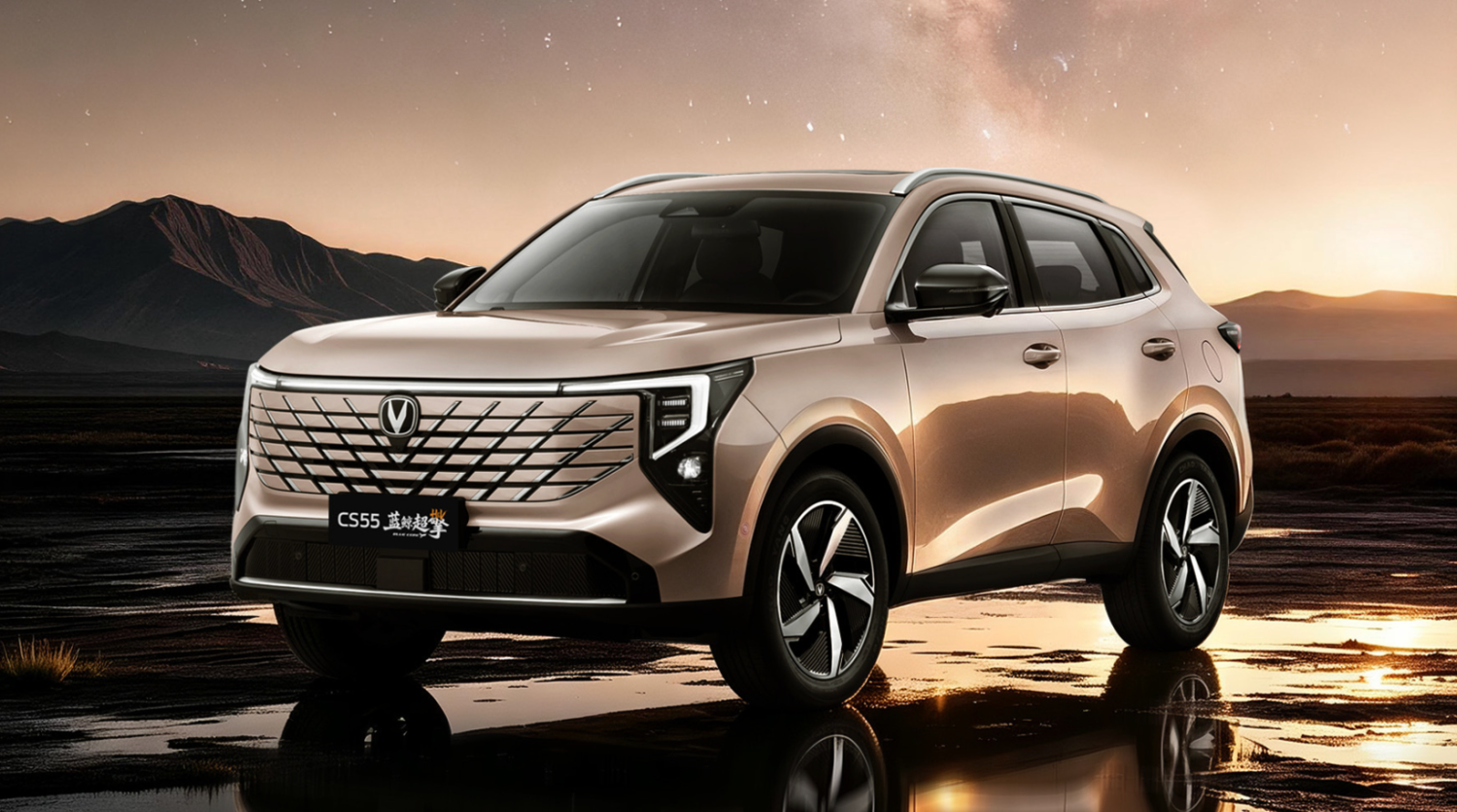
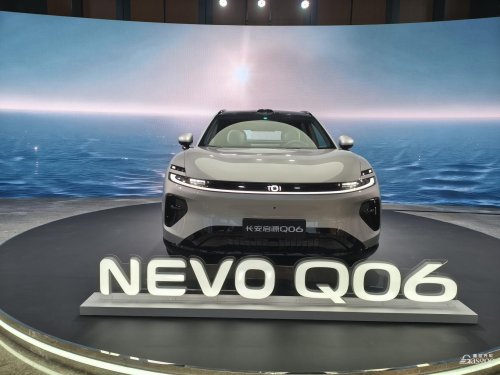
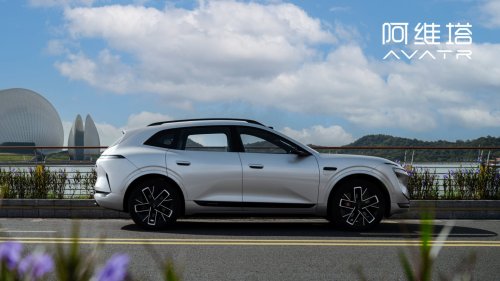
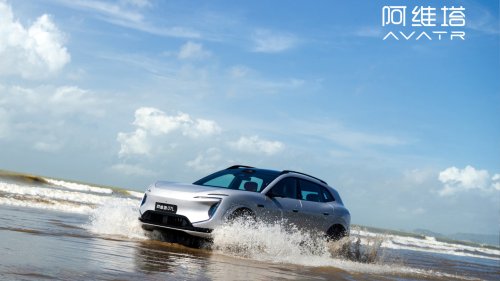
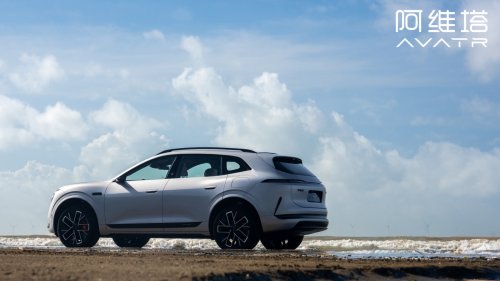
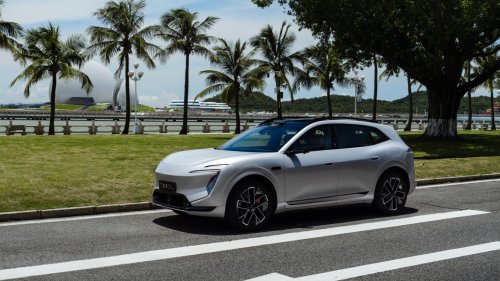
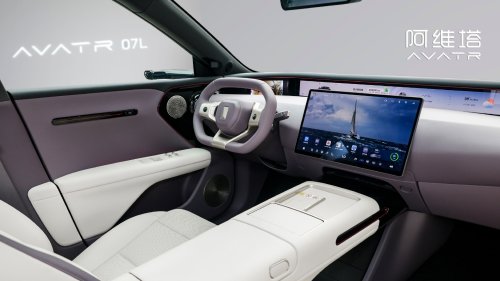
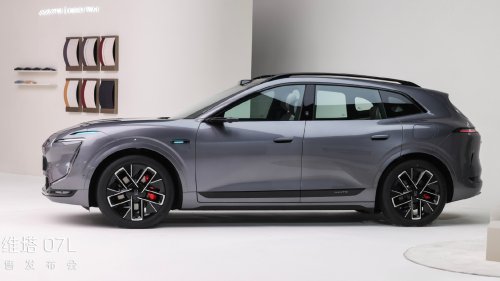
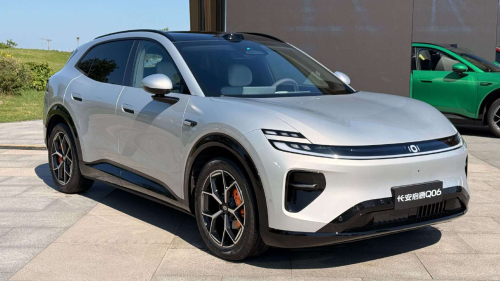
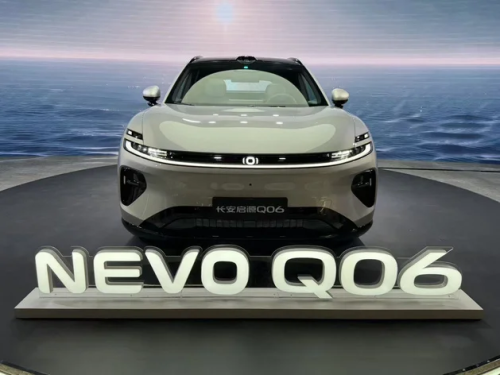
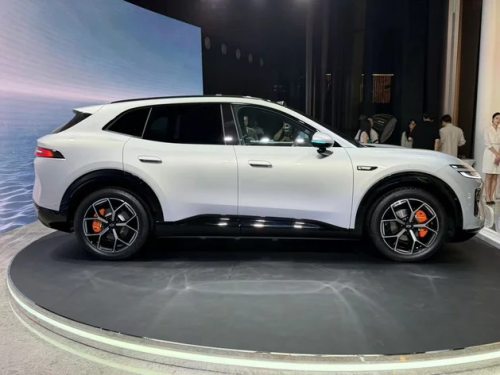
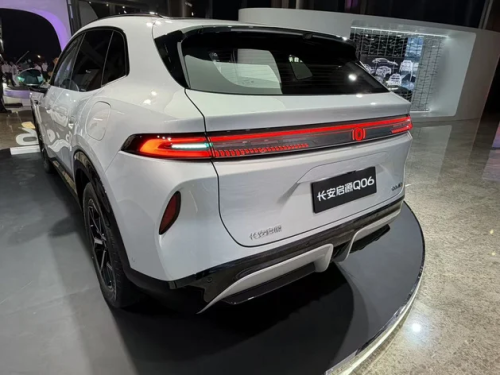
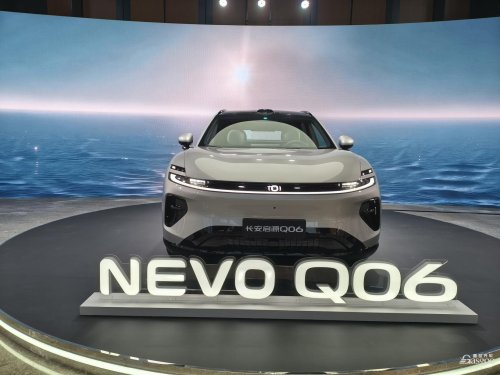
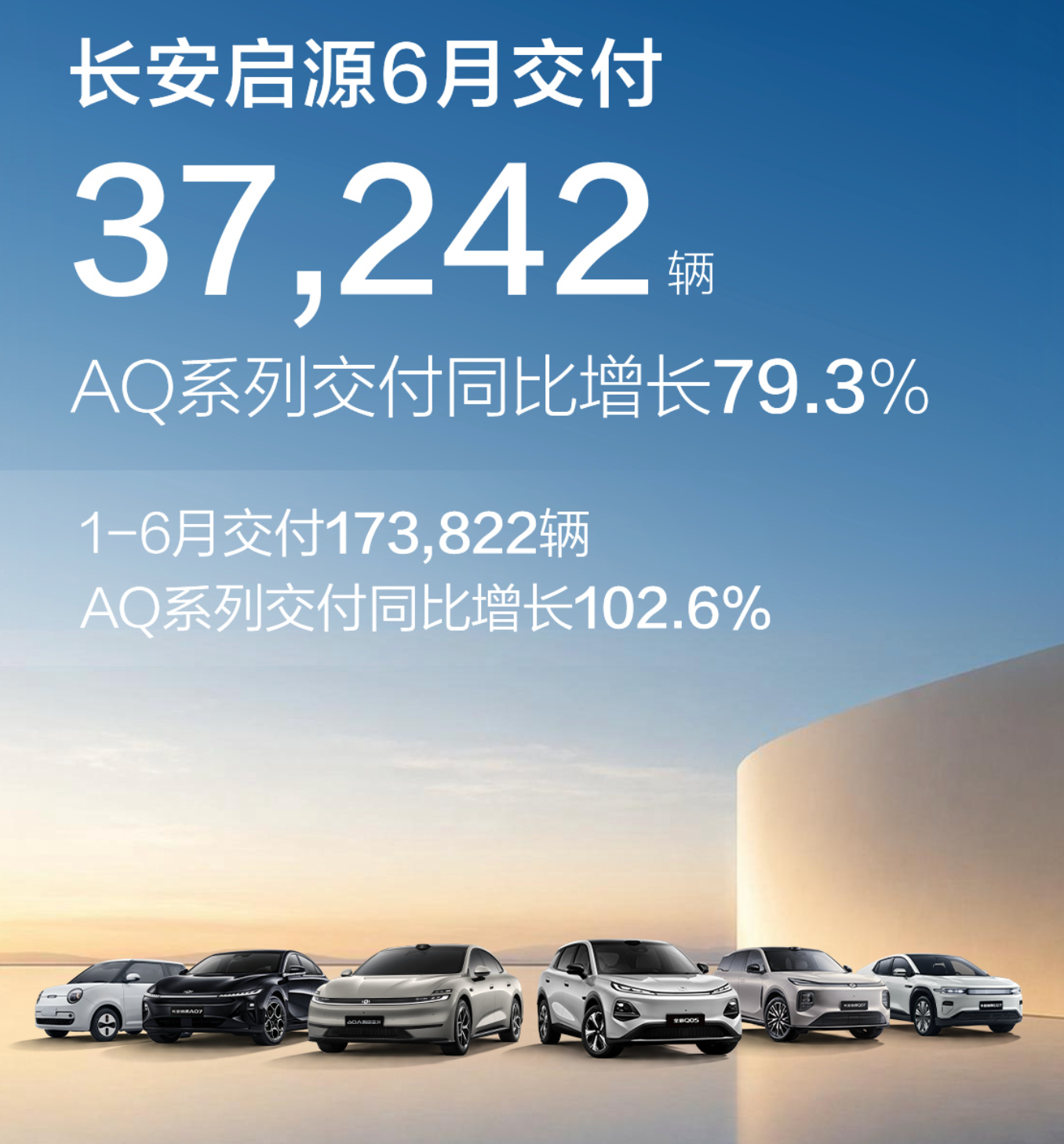
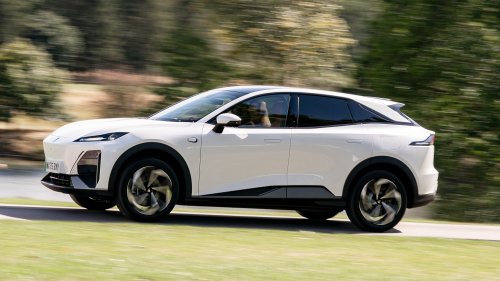
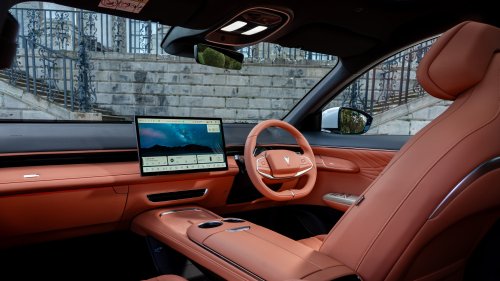
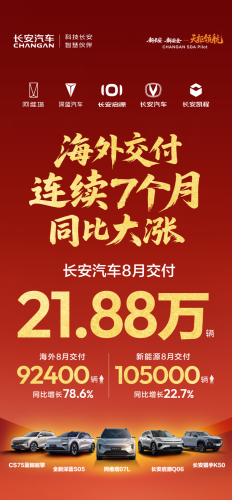
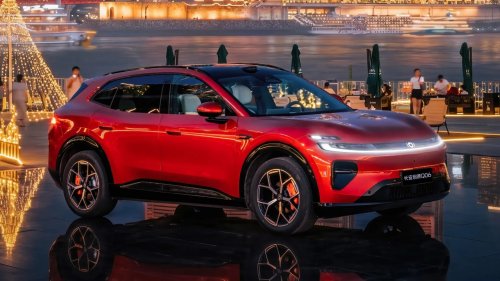
Changan has three NEV brands: Nevo (Qiyuan), Deepal and Avatr. Credit: Yiche Changan Auto has officially launched the “AD Collaborative Development Department” to integrate the mid-to-back-office operations of its two major new energy vehicle (NEV) brands, Avatr and Deepal. This move aims to optimise resource allocation and reduce redundant investment, as reported by The Paper. Despite the organisational restructuring, Changan Auto emphasised that the positioning and strategic planning of both brands will remain unchanged, and user rights will not be affected. The new department, named after the initials of Avatr and Deepal, will function as a first-tier department within the group, focusing on sharing resources in research and development, supply chain, manufacturing, and administrative functions. The company aims to reduce costs by 20% to 30% through this synergy. While the front-end operations – such as brand image and sales – will remain independent, the back-end will be consolidated. Notably, Avatr is tasked with establishing shared centres for design, product development, and platform technology to support both brands, while Deepal will streamline its internal business units. The integration comes as the two brands face contrasting market realities: Avatr: Positioned as a high-end smart electric brand (priced between 200,000 yuan/29,400 USD and 700,000 yuan/102,900 USD), Avatr benefits from the “CHN” partnership (Changan, Huawei, and CATL). However, it has struggled with profitability and sales volume, delivering 27,619 vehicles in the first half of 2026, a 51.3% year-on-year decline. Deepal: Serving as the mass-market NEV brand (priced between 100,000 yuan/14,700 USD and 300,000 yuan/44,100 USD), Deepal has demonstrated strong growth. In the first half of 2026, it delivered 164,200 vehicles globally, a 14.6% increase year-on-year, with overseas deliveries surging 141% to 35,800 units. The timing of this restructuring coincides with Avatr’s pursuit of a Hong Kong IPO. After resubmitting its prospectus in June 2026, the company faces potential regulatory scrutiny over the stability of its organisational structure and business independence following the integration. By consolidating the two brands, Changan Auto aims for a combined annual sales target of over 1.5 million units by 2030. Editor’s comment From the FAW–GAC integration to the recent partnership between Geely and Nio, we may see an increasing consolidation of resources in China’s automotive industry in the future.