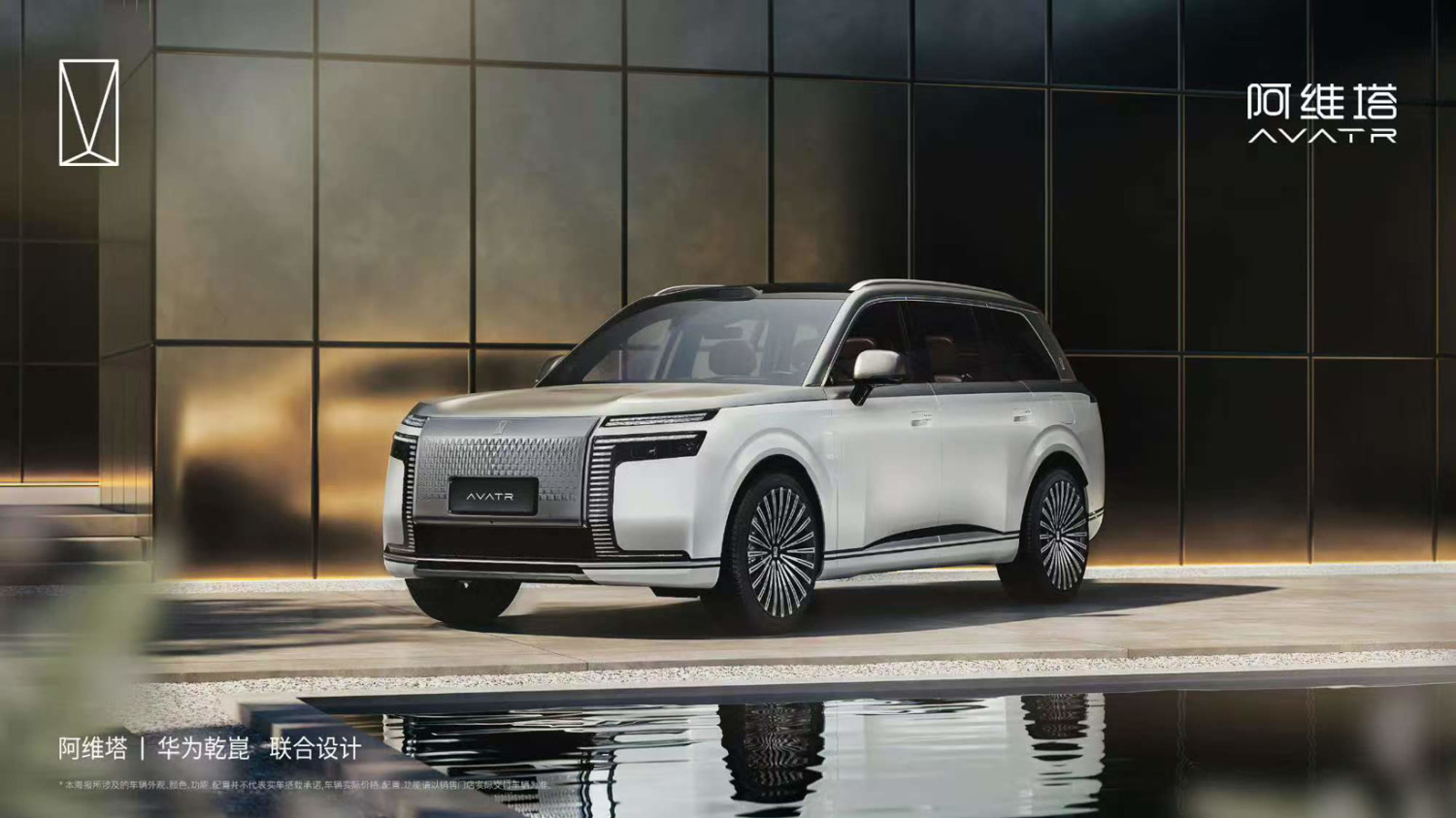
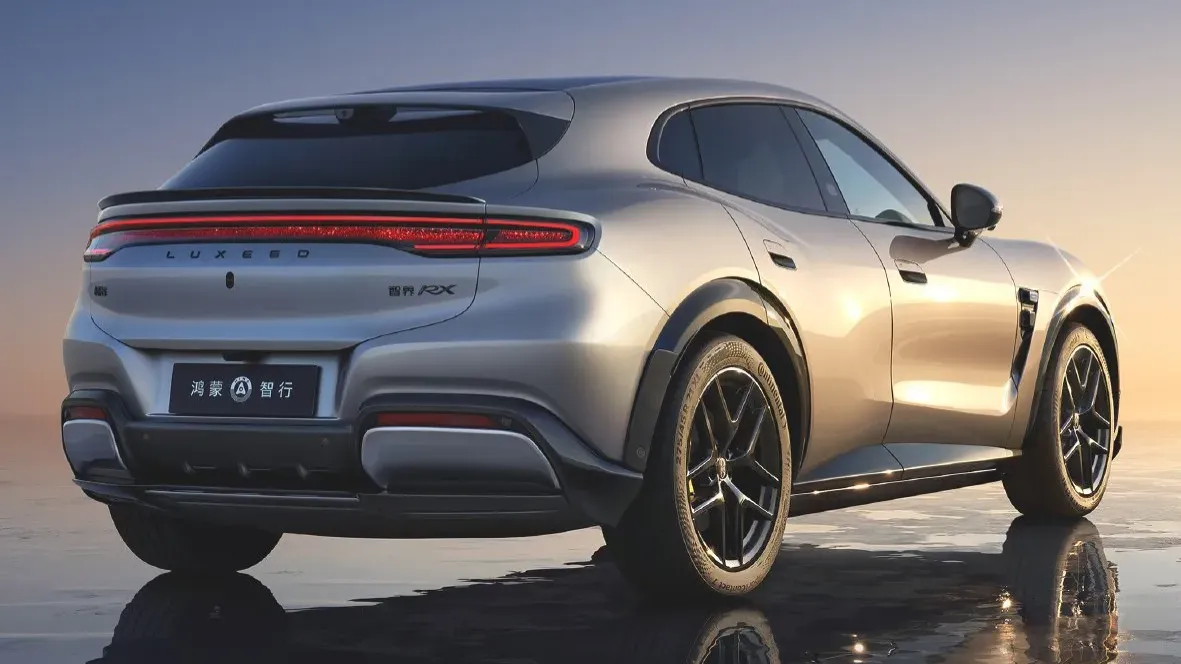
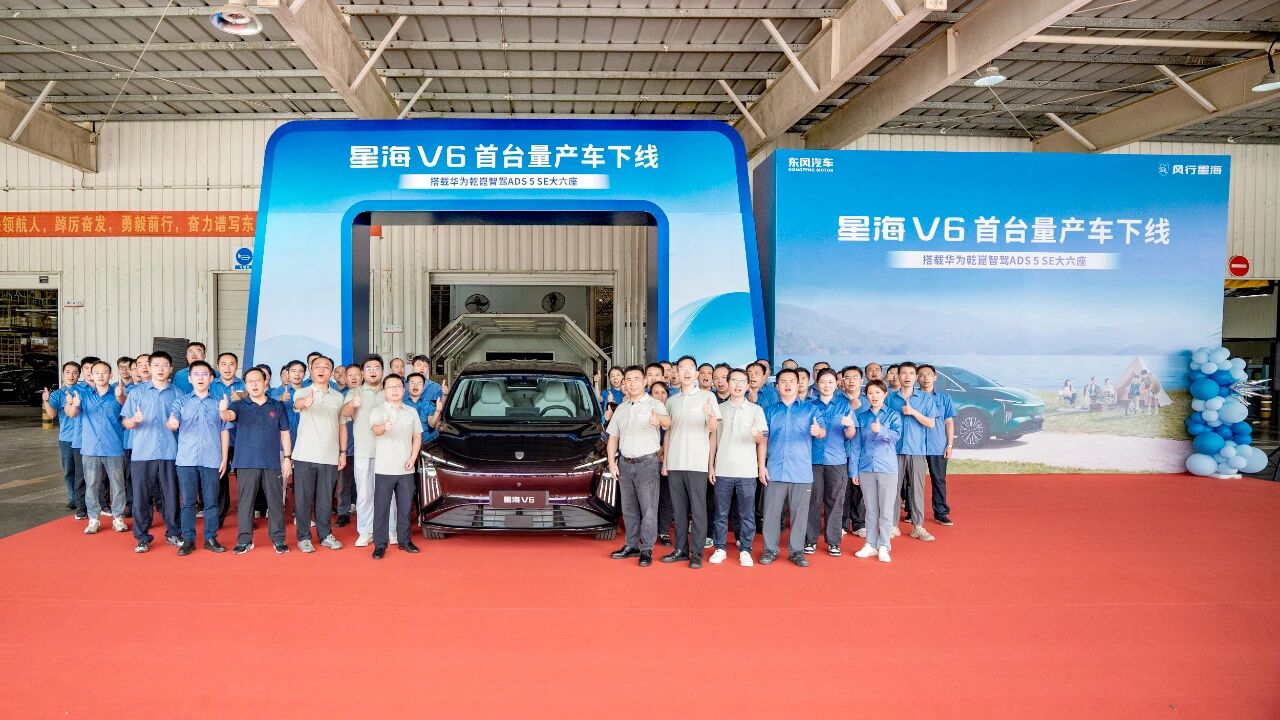
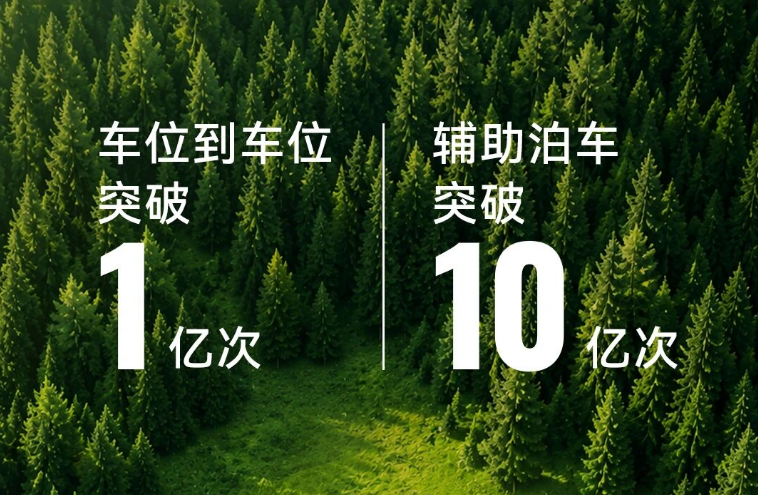
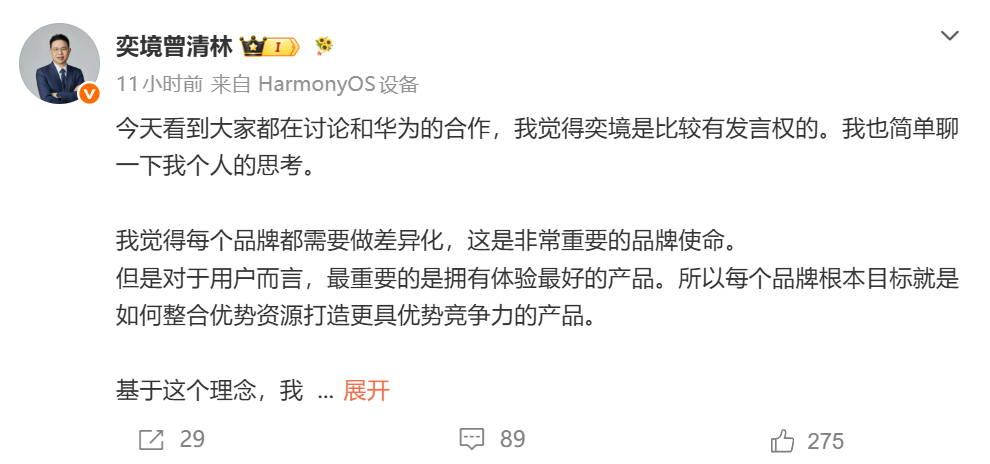
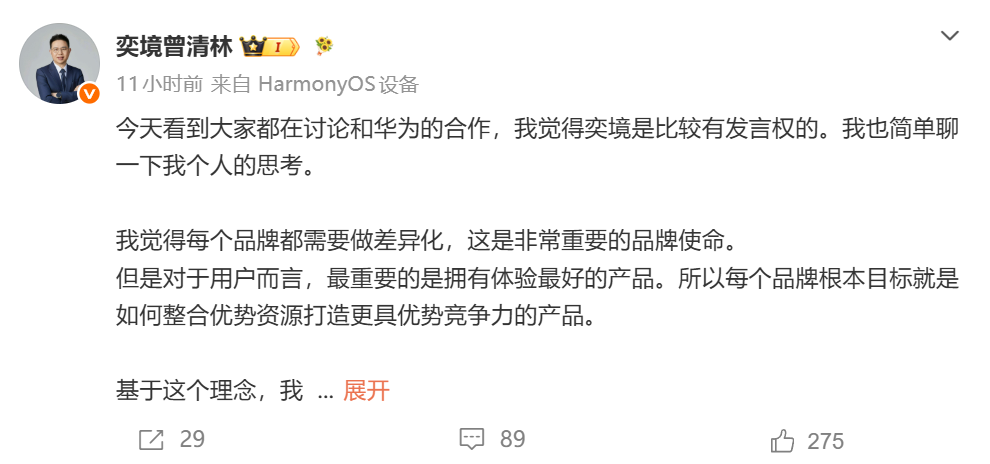
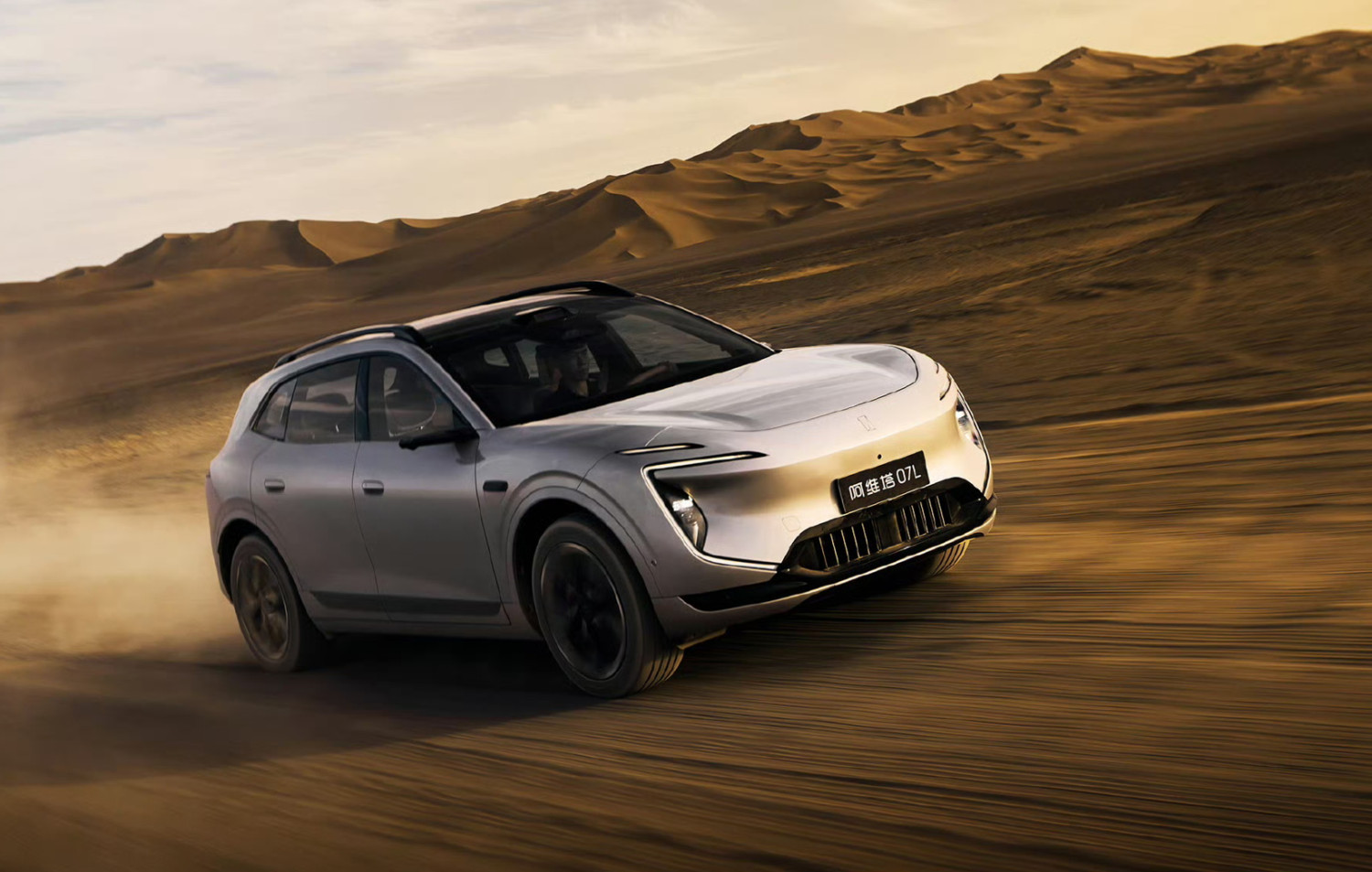
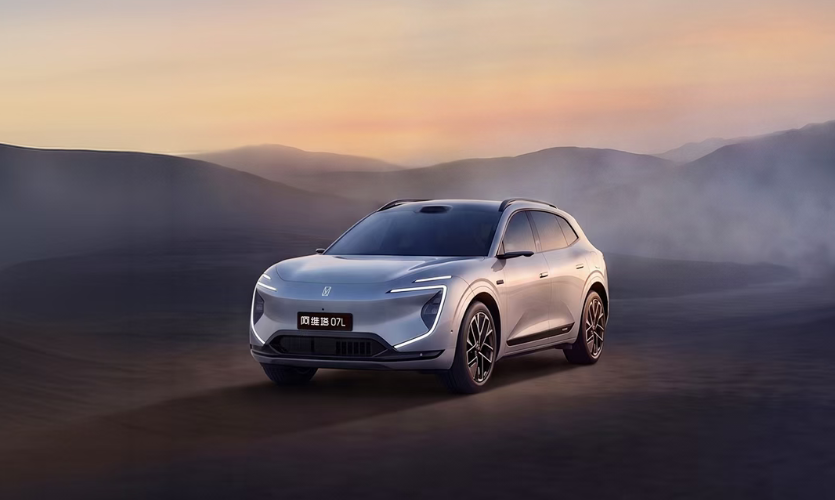
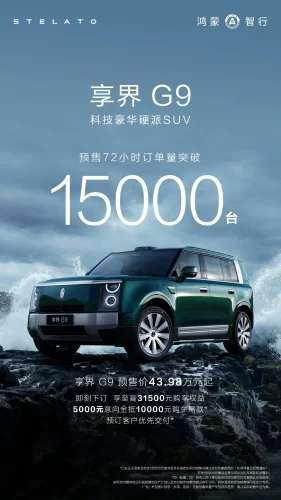
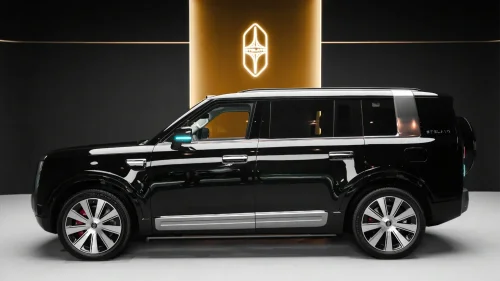
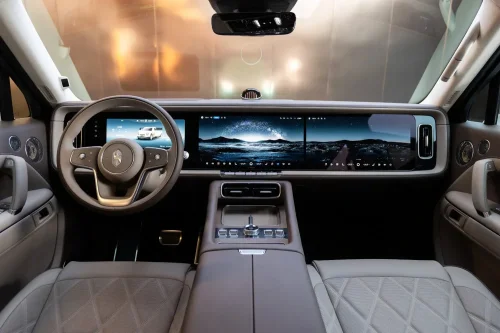
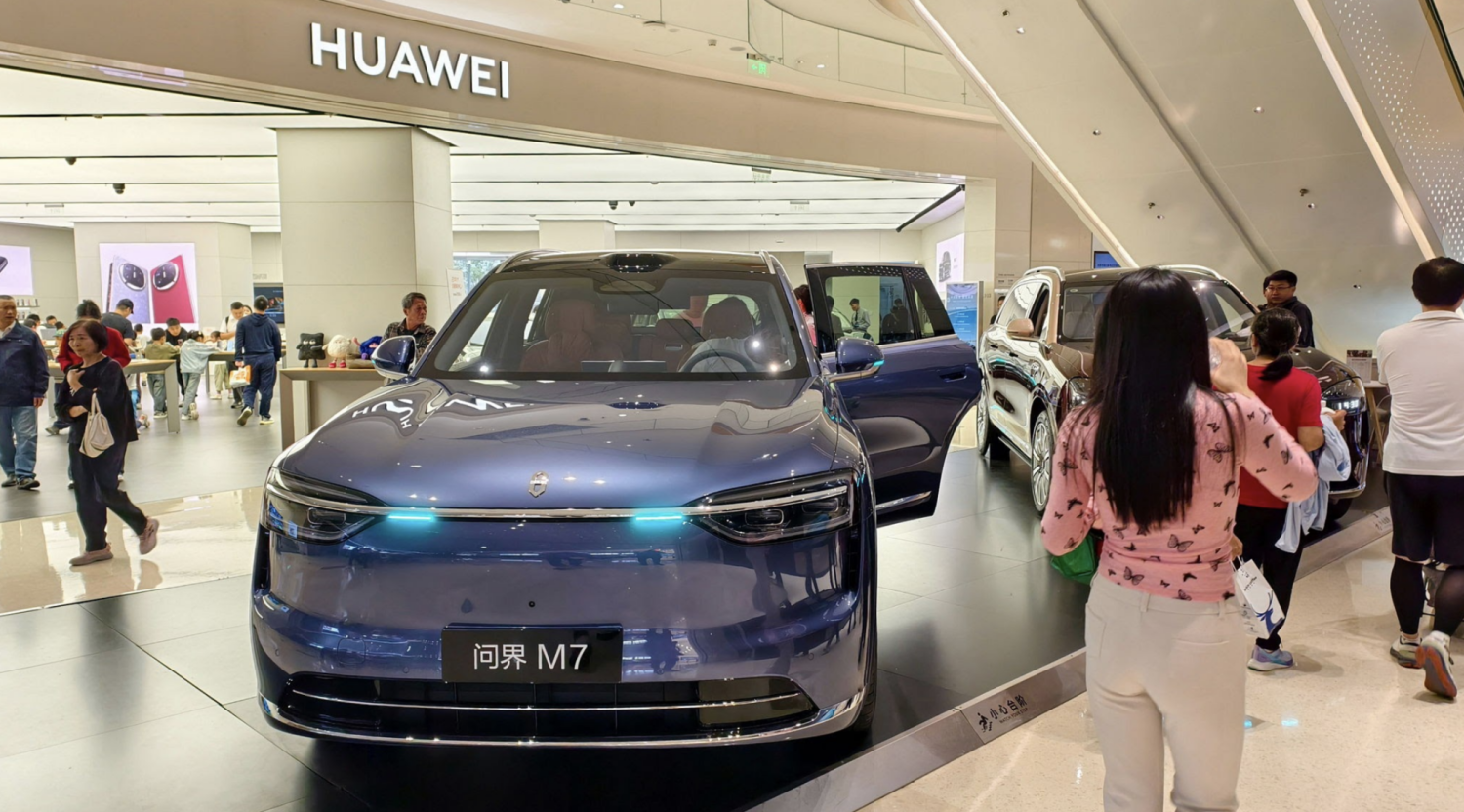
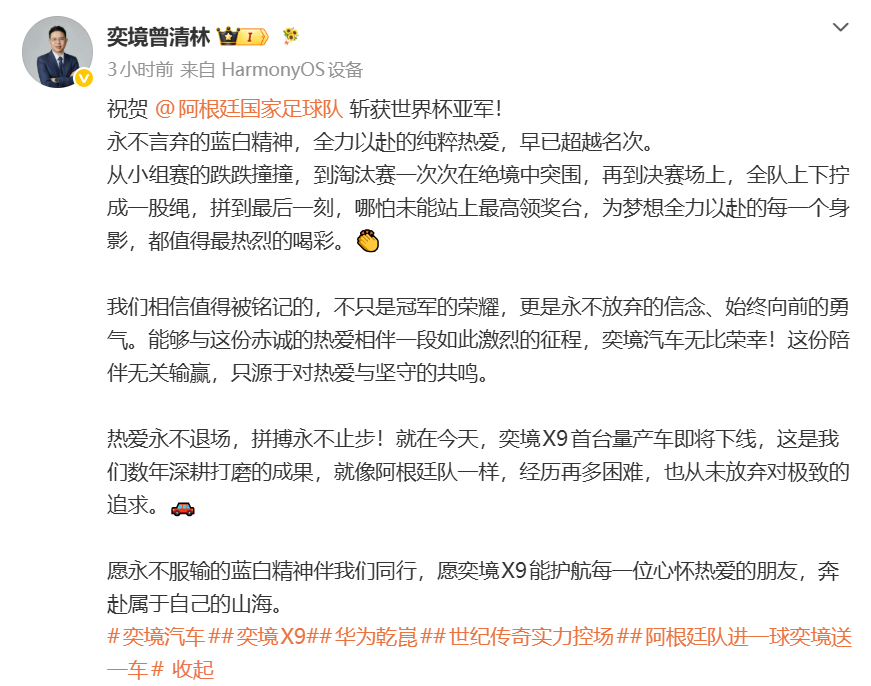
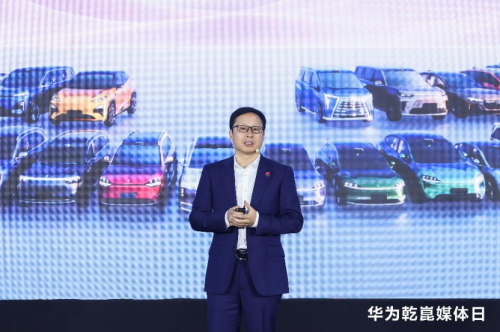
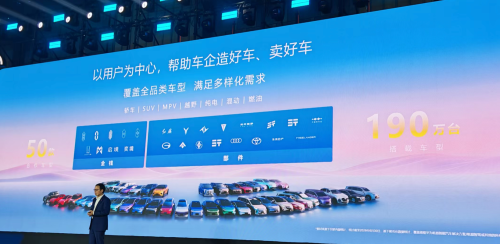
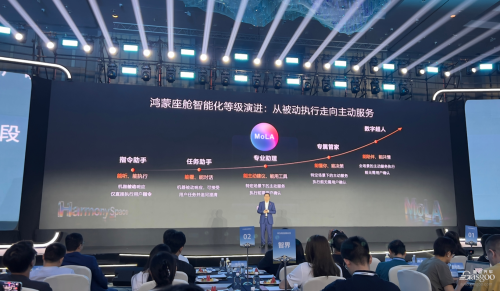
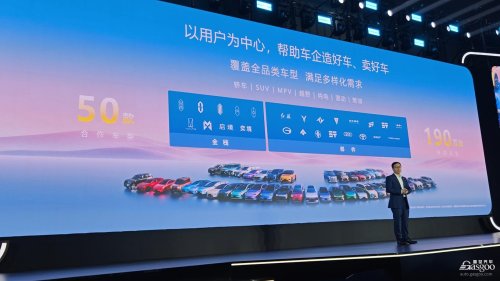
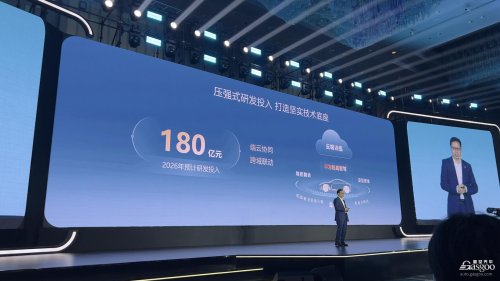
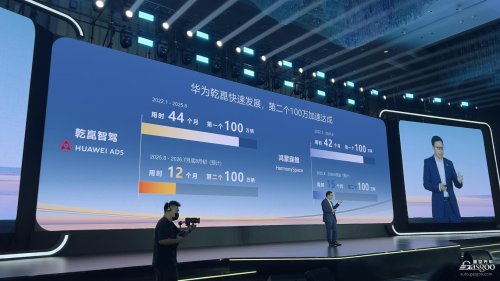
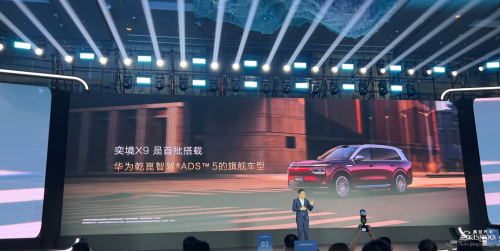
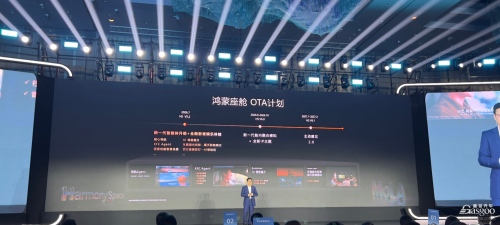
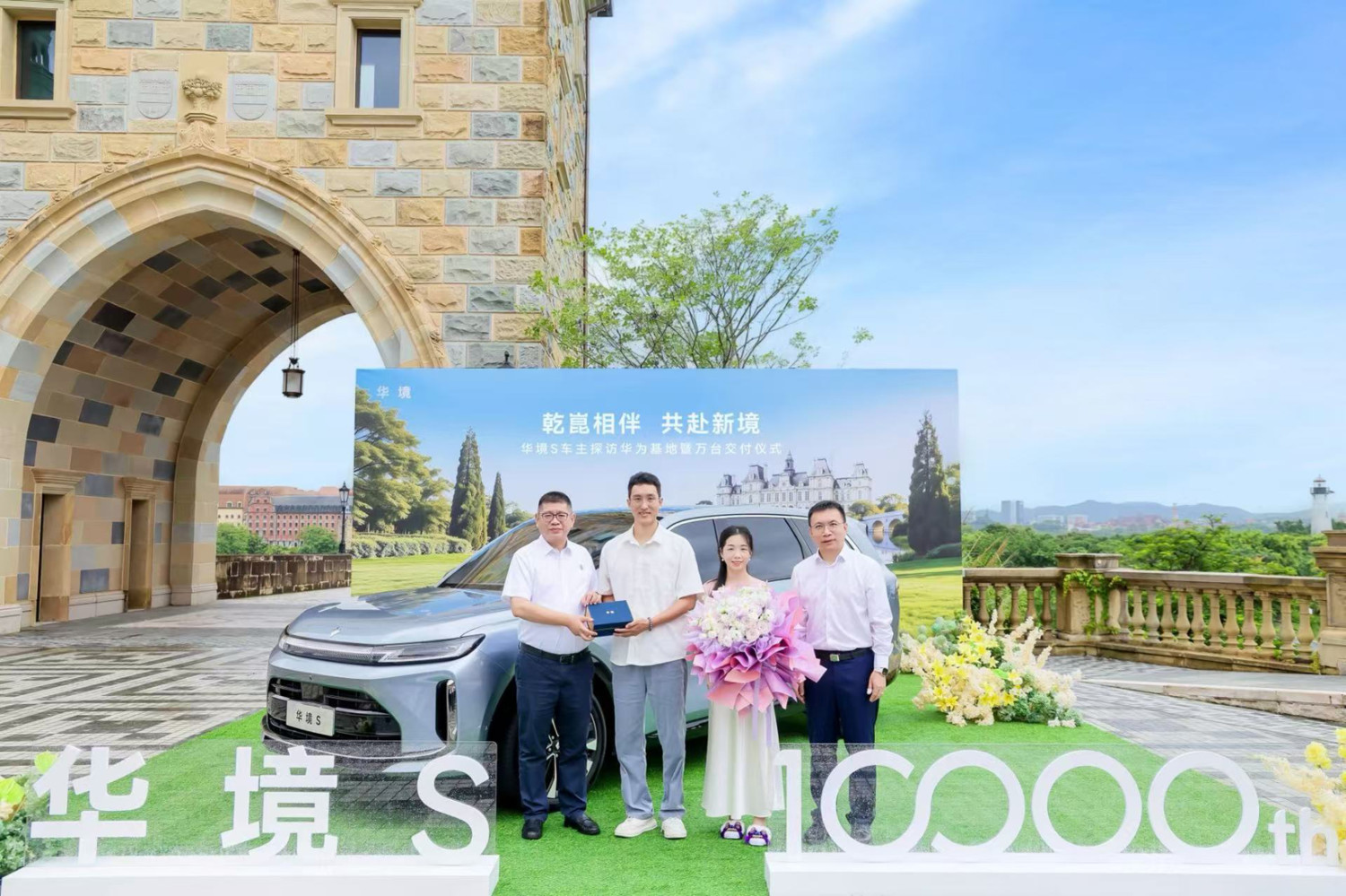
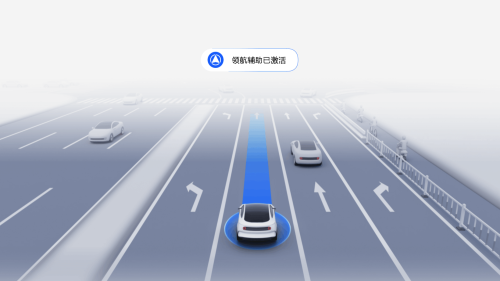
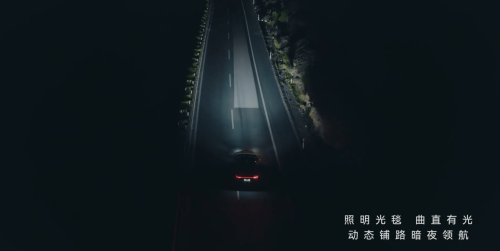
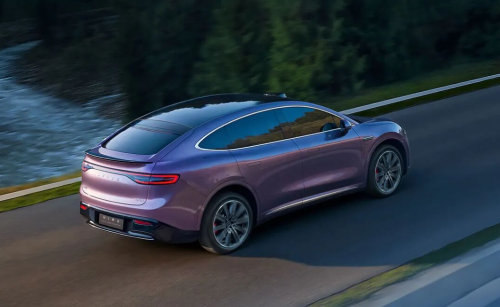
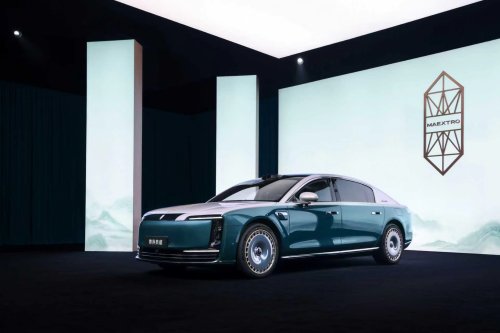
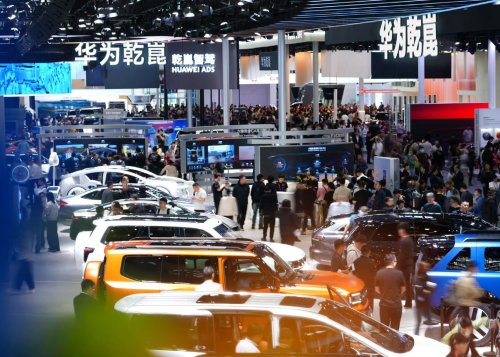
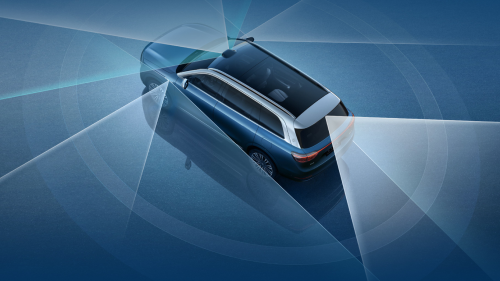
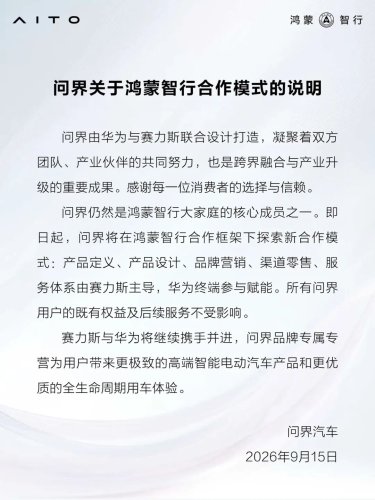
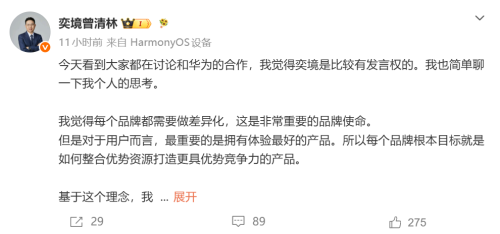
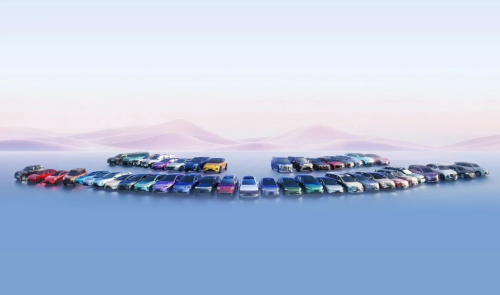
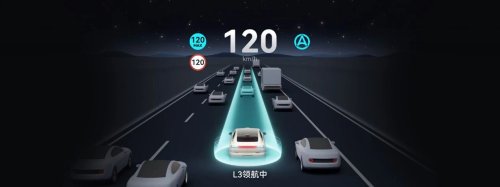
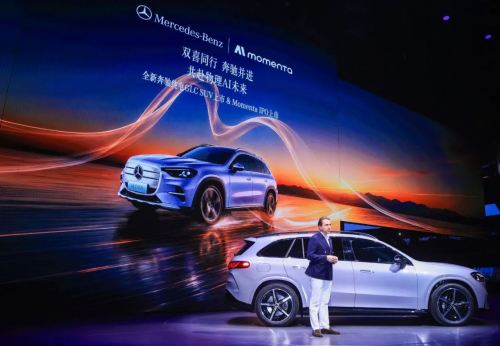
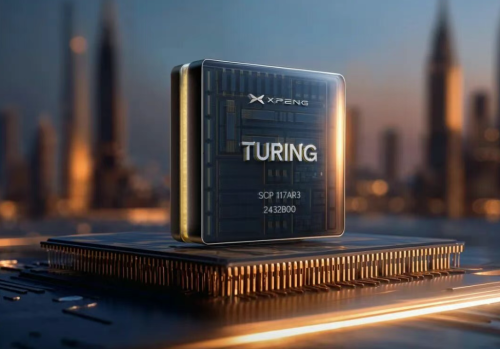
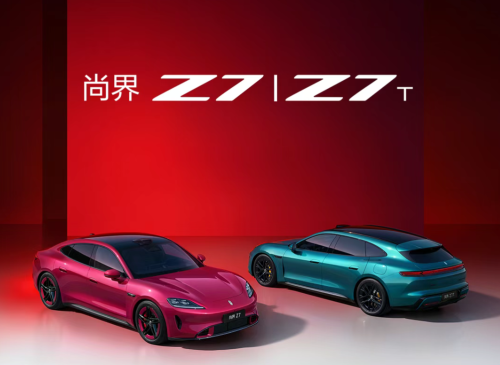
Gasgoo Munich- In August 2026, remarks by Avatr Vice President Yong Jun regarding the company's partnership model with Huawei sparked intense controversy. Avatr officials moved quickly to clarify: the comments had been "misinterpreted." Yong meant that "there is no need for Huawei's Yinwang to build a proprietary smart-driving version exclusively for Avatr"—not that cooperation with Huawei was unnecessary.The controversy offers a key perspective on the industry's mindset. From SAIC's "soul theory" in 2021 to Avatr's recent debate on necessity, Huawei has transformed from an "exclusive supplier" to a "public platform" over five years. Yet automakers' fluctuation between "embracing" and "breaking free" has never ceased.Every step in Huawei's shift toward becoming a public utility compels automakers to address that old question: when the "body" becomes increasingly similar, where does the "soul" actually reside?One "Unnecessary," Two Survival InstinctsAvatr's partnership with Huawei spans capital, technology, and products, making this debate a textbook case. Avatr was the first brand to partner under Huawei's HI model and is the second-largest shareholder in Yinwang. In August 2024, Avatr acquired a 10% stake in Yinwang for 11.5 billion yuan; by October 2025, the full investment was paid.Over six years of collaboration, Huawei's influence is visible throughout Avatr, from brand positioning to product definition.The topic of "Huawei necessity" quickly triggered a chain reaction. On August 10, Avatr officials urgently clarified the "misinterpretation," stating that Yong meant there was "no need for Yinwang to build a proprietary smart-driving version alone," not that cooperation with Huawei was unnecessary.Image source: @EPICLAND Zeng QinglinAlmost simultaneously, Zeng Qinglin, general manager of the EPICLAND, posted on Weibo stating that EPICLAND aims to be a "tech powerhouse for Chinese cars," emphasizing Huawei's "irreplaceability" in smart driving, cockpits, and automation. He added that EPICLAND and Huawei have "never had a 'Plan B mentality' since day one of full-stack native co-creation," and that both sides "bring their strongest assets, combine them, and hand them to the user"—an "all-in" deep integration.The clash of these postures reflects the collective anxiety of China's auto industry: as Huawei shifts from a "lifeline" to "public infrastructure," how exactly should the "necessity of cooperating with Huawei" be defined?To answer this, one must examine it within the context of Huawei's automotive business evolution over the past six years.Image source: Huawei Qiankun Intelligent Automotive SolutionsAccording to Huawei, as of July 2026, Qiankun Smart Driving had partnered with over 25 brands and more than 50 models, with installations surpassing 1.9 million vehicles. Jin Yuzhi, CEO of Huawei's Intelligent Automotive Solutions BU, revealed in July 2026 that specialized R&D investment for 2026 exceeded 18 billion yuan. By year-end, installed models are expected to exceed 80, with cumulative installations potentially reaching 3 million units. Jin positions Huawei as an "electronic screw," focusing only on core intelligent components.But when this "screw" is integrated into almost every price segment—from 150,000-yuan sedans to million-yuan luxury cars—the other side of "widespread adoption" is a sharp rise in the difficulty of differentiation. Huawei wants scale; automakers want uniqueness. This contradiction is now coming to a head in the current discussion."Huawei integration becoming standard equipment itself signals the arrival of an inflection point in industry intelligence," an analyst at Gasgoo Automotive Research Institute noted. "When everyone has Qiankun Smart Driving, true differentiation must actually return to the automakers themselves."The analyst further explained that "Huawei content" is not a single dimension; there are at least two levels of distinction. First is depth of integration: some automakers introduce only one or two products, while others achieve full-stack coverage of cockpits and even smart driving. Second is technological generation: even with Qiankun Smart Driving, there is a generational gap between ADS 4 and the latest ADS 5. He stated bluntly: "Huawei provides the capability base, but how to tune this base to different 'personalities' varies by automaker."A deeper tension lies in the cost structure. Taking Seres as an example, annual sales of the AITO series jumped from under 10,000 to over 400,000, but the first half of 2026 is expected to see a loss of 1.5 to 1.8 billion yuan. According to industry analysis, Huawei's cooperation with automakers usually adopts a "base service fee + sales share" model. Smart driving hardware costs about 15,000 to 30,000 yuan per set, annual software authorization fees are several thousand yuan, and sales share ratios range from 10% to 15%. For models priced over 300,000 yuan, Huawei may claim 30,000 to 50,000 yuan in total profit for each vehicle sold.Deep integration brings technological leadership and brand backing, but it also means compressed profits and diluted brand independence.However, Huawei's "widespread adoption" will not be swayed by the will of any single automaker. From the first AITO M5 in 2021 to the parallel operation of the "Five Realms" of HarmonyOS Intelligent Mobility in 2026 and the expansion of the HI model to 25 brands, Huawei has completed the leap from "exclusive supplier" to "public platform." Its role has also shifted from a "supplier" being selected to "infrastructure" that automakers scramble to access.For new brands, cooperation with Huawei can be described as a lifeline—without technical endorsement, it is hard to gain initial trust. But for companies with established brand recognition, excessive reliance may instead dilute brand distinctiveness.Image source: Huawei Qiankun Intelligent Automotive SolutionsYet for some automakers, the cost of forgoing Huawei's enabling power is equally high. As of August 2026, Huawei Qiankun Smart Driving's cumulative assisted driving mileage exceeded 13.7 billion kilometers. This data accumulation is not something any single automaker can replicate in the short term. To "make something different from others," the prerequisite is sufficient technological prowess—and this is precisely the scarce resource at the moment.Thus, a paradox emerges: the more successful Huawei is, the thinner the "uniqueness" of individual automakers becomes. But without Huawei's boost in intelligence, most automakers struggle to maintain competitiveness in the smart driving track. This paradox is the deep reason why the Avatr controversy sparked widespread resonance. Clearly, this issue is no longer just a strategic choice for a single enterprise, but a microcosm of the industry's collective anxiety in the deep end of intelligence.Is Huawei "Not So Easily Replaced"?Facing the homogenization anxiety brought by Huawei's "widespread adoption," many automakers are beginning to re-evaluate their options for smart driving solutions. Suppliers like Momenta and Horizon Robotics coexist with Huawei in the market for the long term, each serving the demand scenarios of different automakers, together forming a diverse ecosystem of the smart driving industry.Image source: MomentaMomenta's rise is an epitome of Chinese smart driving suppliers. Founded in 2016, the company has partnered with 9 of the world's top 10 automakers, including Mercedes-Benz, BMW, Toyota, Honda, and GM, leveraging its "Flywheel Big Model" technical architecture.At the 2026 Beijing Auto Show, Momenta CEO Cao Xudong revealed that its cumulative designated models exceeded 200, with a deployment volume surpassing 800,000 vehicles. The launch of the all-electric Mercedes-Benz GLC equipped with Momenta's reinforcement learning model is regarded as a landmark event combining "German luxury standards with Chinese AI technology."Horizon Robotics is equally surging. Its Journey 6 series chips have won design wins from over 10 automakers, including SAIC, Volkswagen, BYD, Li Auto, and GAC. In 2025, production shipments crossed 10 million units, making it the first domestic smart driving tech brand to break the ten-million mark. The smart driving solution built by CARIZON, the joint venture between Volkswagen and Horizon Robotics based on Journey 6M, achieved mass production on the Yuzhong 06 and Yuzhong 07 in May 2026.The choice of different paths reflects the differentiated landscape of the smart driving industry. Momenta excels in algorithms and data flywheels, accumulating mass production experience by serving global top automakers; Horizon Robotics delves deep into chips and toolchains, using an open architecture to adapt to different levels of smart driving needs.Huawei, relying on the native integration of the HarmonyOS ecosystem, mobile terminals, and cloud computing power, has formed a unique layout of cross-terminal collaboration. This full-scenario interconnectivity capability gives it a difficult-to-replicate differentiation advantage at the ecosystem integration level.Image source: XPengThe in-house development camp presents another picture. XPeng invests 3.5 billion yuan annually in smart driving, and in 2026 plans to increase physical AI-related R&D investment to 7 billion yuan. Its self-developed Turing AI chip has achieved mass production, demonstrating unique advantages in the collaborative optimization of algorithms and hardware. NIO and Li Auto also have their own layouts, mastering core technology control through vertical integration.But the self-developed route also faces practical challenges: limited cumulative chip shipments make it difficult to achieve economies of scale in the short term; high R&D costs create tension with fierce market competition, and the continuous operation of the data closed-loop requires long-term investment. The strategic value of "full-stack self-development" has been verified, but its commercial sustainability remains to be tested by time.Zeng Qinglin's statement that Huawei is "not easily replaced" lies precisely in its combined barriers of technology, ecosystem, and brand. At the 2026 Huawei Qiankun Media Day, Jin Yuzhi pointed out that Huawei Qiankun Smart Driving's cumulative installations exceeded 1.9 million units, and cumulative assisted driving mileage broke 12.8 billion kilometers. In this highly penetrated market, this is not a victory of a single technical parameter, but a moat built together by user scale, massive data accumulation, and brand trust.Ultimately, this discussion about "replacement" inevitably circles back to a more essential proposition: when software-defined cars become a consensus, what kind of software-hardware collaboration does the Chinese auto industry actually need? What we fear—is it losing technology, or losing the "soul"?Finding the Balance PointTo answer this question, we can trace back to the "soul theory" fiercely discussed in public discourse five years ago, and recalibrate its coordinates within today's industrial reality.On June 30, 2021, then-Chairman Chen Hong, facing a question from investors about whether to cooperate with Huawei, uttered those words that would later be repeatedly cited by the industry: "SAIC finds it hard to accept a single supplier providing us with a total solution. That way, it would become the soul, and SAIC would become the body. SAIC cannot accept such a result; we must keep our soul in our own hands."This statement was later dubbed the "Soul Theory," sparking widespread industry discussion. Five years later today, cooperation models between automakers and Huawei have diverged: some companies choose deep integration, while others seek more initiative within the cooperation. The core proposition pointed to by the "Soul Theory"—how automakers maintain autonomy and say when cooperating with tech giants in the intelligent era—remains a question the industry cannot avoid.Image source: SAIC SAIC Shangjie AutoEven more dramatic is SAIC's own turnaround. In February 2025, SAIC officially announced a deep cooperation with Huawei, launching the fifth "Realm" of HarmonyOS Intelligent Mobility—SAIC Shangjie. It is reported that SAIC Group President Jia Jianxu sought the opinion of retired Chen Hong on the cooperation intention, to which the latter replied: "Huawei has such significant leverage now; you should go cooperate with them." From "rejection" to "embrace," SAIC's turnaround is not a negation of its past stance, but a pragmatic return to market realities.A three-layer deconstruction of the so-called "Soul Theory" might help us clarify the logic behind SAIC's turnaround. The first layer is hardware—the physical integration of chips, sensors, and actuators. This layer is highly standardized, and suppliers like Horizon Robotics and Hesai are up to the task. The second layer is software—operating systems, algorithms, middleware, etc. Momenta, DJI, and others are catching up quickly. Only the third layer, the ecosystem—user data, account systems, cross-end flow of service scenarios, and the consumer perception that "Brand X = Intelligence"—Huawei remains irreplaceable.Image source: Bosch China"Bosch and Continental have been suppliers for many years, so why does no one discuss the 'soul'? Because they are anchored in the mechanical and electronic control layers, which are relatively far from user perception," the aforementioned analyst pointed out. "But Huawei enters the core domain of intelligence, directly defining human-machine interaction and user experience, making it naturally easier to be seen and discussed."Gasgoo analysts believe that although Huawei has clearly positioned itself as "not building cars," its actual actions have exceeded the scope of traditional Tier 1 suppliers. "No traditional parts manufacturer would hold press conferences or generate channel traffic for automakers, but Huawei does." They added, "From the consumer's perspective, they are buying a 'Huawei car.' This shift in brand perception is perhaps the biggest difference between Huawei and traditional suppliers."They further pointed out: "Before Huawei entered the automotive sector, consumers had already embraced this 'soul.' This 'soul' is now just selling an additional product line, and that product line is cars."Ultimately, chips can be swapped, algorithms can be bought from many, but what truly makes Huawei indispensable is the ecosystem it has already formed—user data, account systems, cross-end flow, plus the market perception that "Huawei equals intelligence." These are not individual technologies, but barriers built up layer by layer.The only question now is: at what price are automakers willing to pay for this layer, and can they defend their own boundaries?Facing the realistic industry anxiety, Huawei itself is also adjusting. At the 2026 Huawei Qiankun Media Day, Jin Yuzhi reiterated the "electronic screw" positioning, clarifying the parallel operation of full-stack cooperation and component supply modes. This "decentralization" strategy responds to automakers' demands for differentiation to a certain extent. When the deep integration model encounters "Huawei tax" doubts and brand independence anxiety, the "screw" positioning may offer a "retreat."Conclusion:As Huawei's automotive intelligence business deepens its penetration, some automakers inevitably have to answer an old question: Without Huawei, who am I?Some pursue full-stack self-development, some embrace openness, others wrestle with internal conflict... The paths vary, but point to the same essence: technology can be bought, ecosystems are hard to replicate, and brand perception is even a prisoner of time.There is no right answer for this road, but those who only know how to copy others are unlikely to go far.



















 +46 others