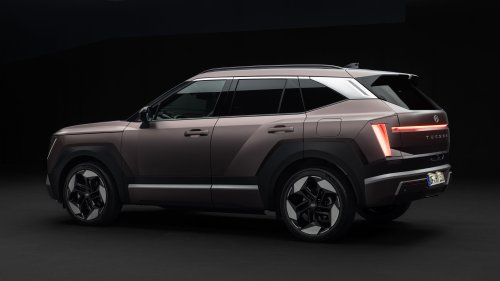
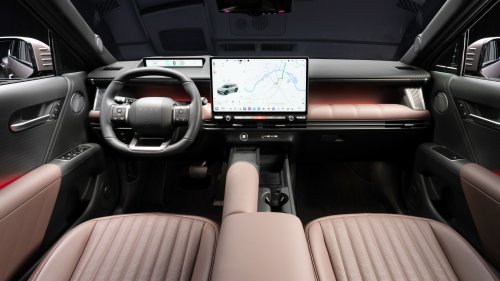
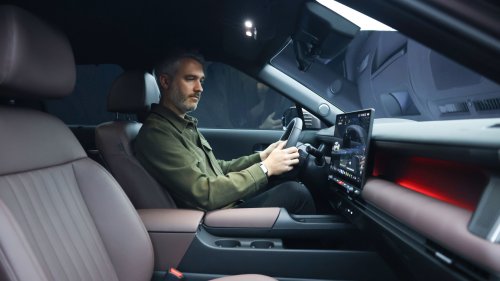
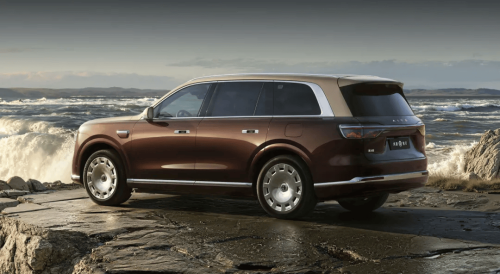
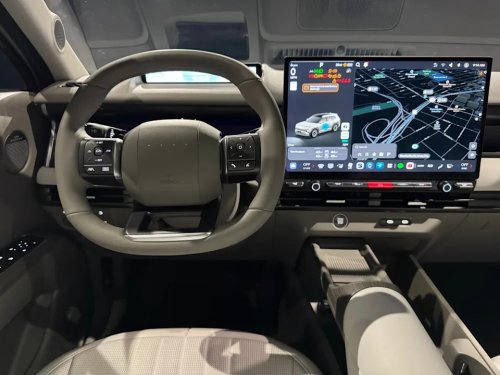
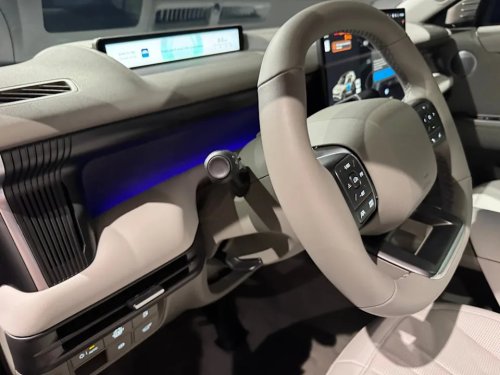
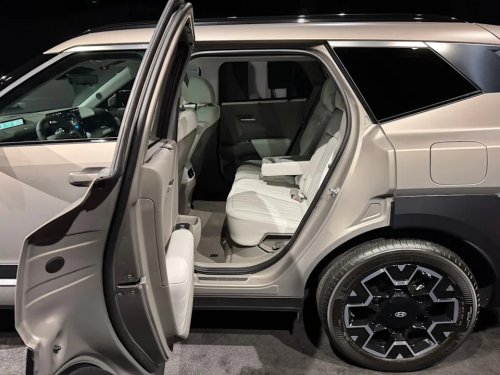
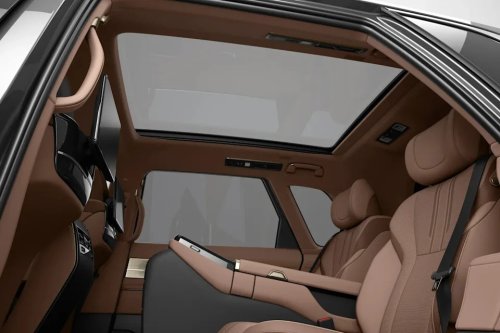
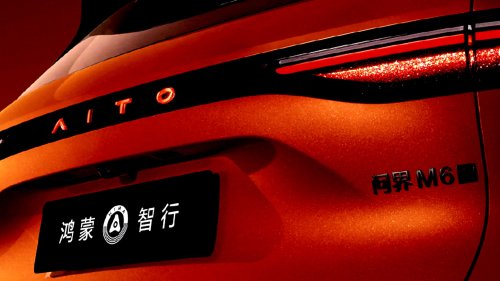
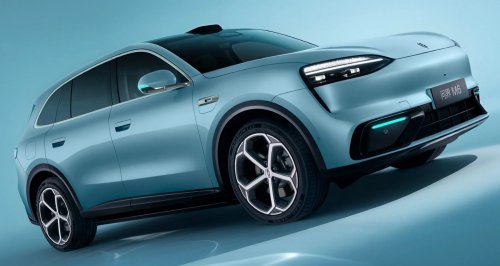
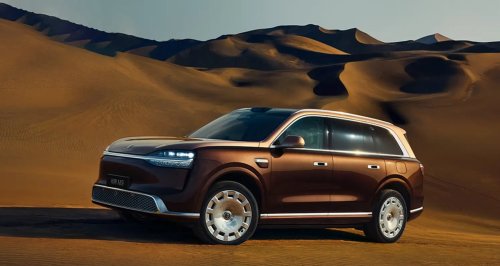
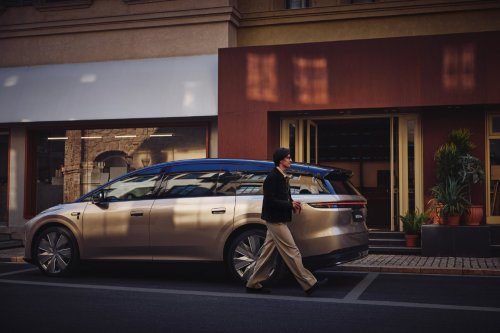
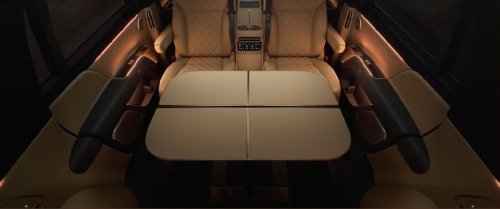
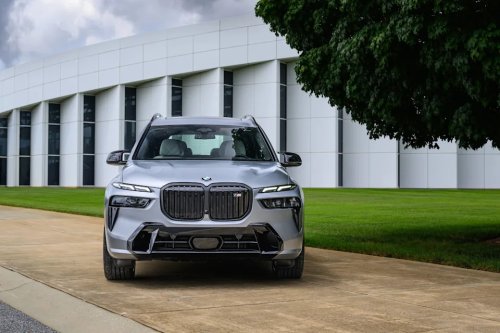
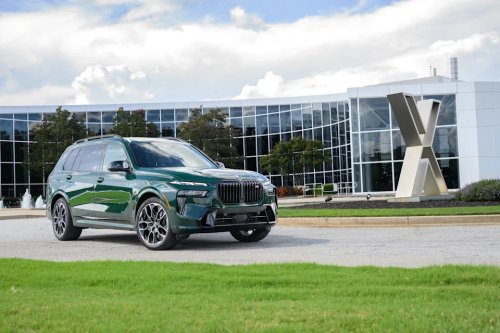
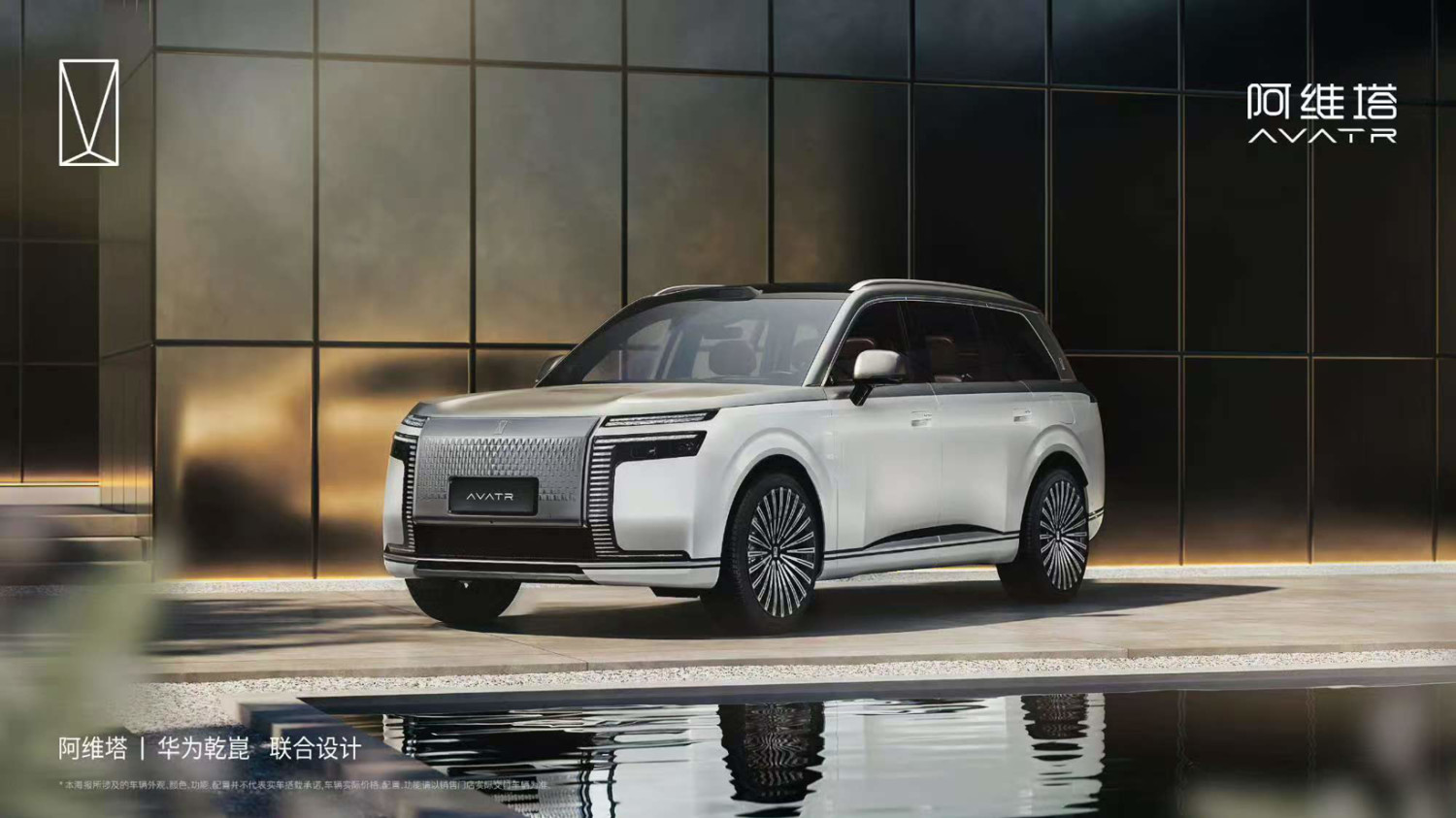
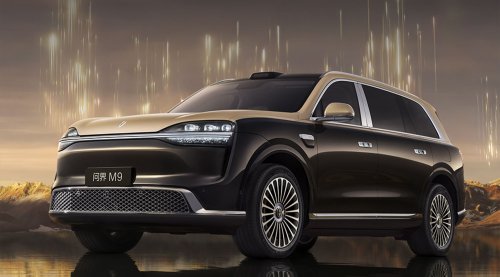
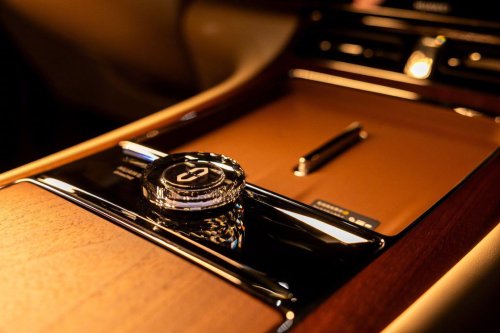
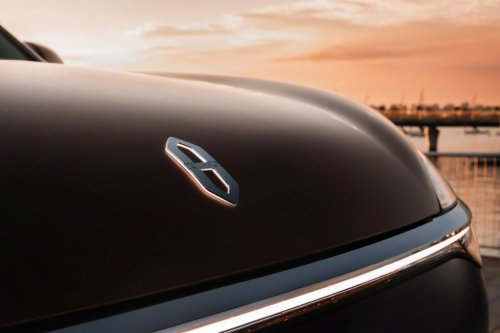
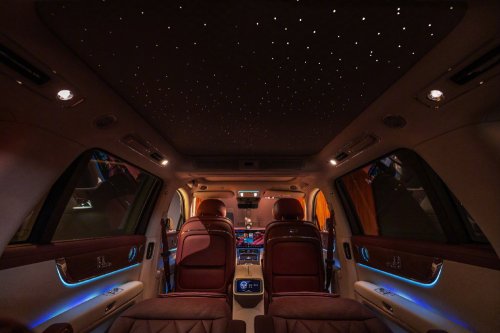
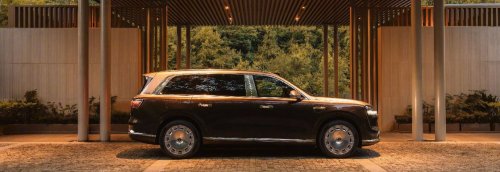
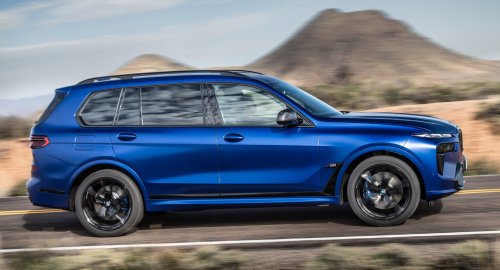
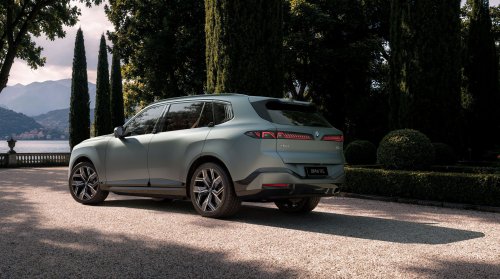
A tweet circulating this week shows a car interior that looks less like a vehicle cabin and more like a first-class lounge suite. It has reclining seats, ambient lighting, pale leather, and a large screen descending from the ceiling.The vehicle is the AITO M9, a flagship luxury SUV developed through a partnership between Huawei and the automaker Seres. The "cinema" getting all the attention is a 32-inch retractable projector screen that descends from the rear-cabin ceiling to create a private theatre.It also doubles as a partition between the driver and rear passengers – a detail that tells you exactly who this vehicle was designed for.AdvertisementAdvertisementAITO has paid special attention to rear-seat passengers; this vehicle was designed specifically for people who spend most of their travelling time in the second row.✨🇨🇳Huawei puts a private cinema into its electric car.The car is banned in the United States. pic.twitter.com/mXc4N02qPI—🇨🇳XuZhenqing徐祯卿 (@XueJia24682) June 19, 2026What the M9 Actually OffersThe screen is the showpiece, but the broader interior concept is where the M9 gets philosophically interesting. The system runs on Huawei's HarmonyOS, while a 25-speaker 2,080W audio system delivers premium sound output.The interior is designed as a digital twin of the driver's mobile ecosystem – seamless, intelligent, and always connected. A triple-screen dashboard operates as one ecosystem, and content flows between up to 10 in-car screens with a three-finger swipe.The Huawei smartphone integration is the point: the car is essentially a rolling extension of whatever Huawei devices you already own.AdvertisementAdvertisementIt is also equipped with Zero Gravity Seat 2.0, reclining seating designed to prioritize passenger comfort over anything resembling a driver-focused cockpit. The aesthetic leans into what the industry has taken to calling "quiet luxury": light leathers, soft ambient lighting, minimal aggression.Soft Nappa leather and Alcantara are absolutely everywhere.It is a deliberate move away from the carbon fiber, sport-trim interior language that still dominates legacy European performance SUVs, targeting buyers who want refinement and technology without the posturing.The new-generation M9 recently launched in China, with official pricing ranging from 479,800 yuan to 659,800 yuan – roughly $70,600 to $97,000 USD.AdvertisementAdvertisementFor reference, that puts it squarely in BMW X7 and Range Rover Autobiography territory on price, while the M9 is a vehicle designed specifically to lure buyers away from those two nameplates.Why Americans Can't Buy OneIn May 2024, the US announced it would impose a 100% tariff on Chinese EVs after a review by the United States Trade Representative.That alone makes importing and selling the M9 financially impossible before any other consideration even enters the conversation. Doubling the landed cost of a vehicle that already starts at $70,000… well that doesn't make it an easy buy.Layer in Huawei's position specifically, and the picture gets more complicated. Huawei itself operates under severe US trade restrictions tied to national security concerns about its telecommunications infrastructure. Separately, the US Commerce Department has been actively investigating Chinese "connected vehicle" software and hardware, concerned about the foreign data-collection risk embedded in the cameras, sensors, and telemetry that run through vehicles exactly like the M9.AdvertisementAdvertisementThe M9 carries Huawei's full-stack intelligent car technology across every system from the OS powering every screen to the six-sensor LiDAR array watching the road in every direction.From a US policy standpoint, that is a checklist of concerns.No single law names the AITO M9 specifically. It doesn't need to. The tariff wall, the Huawei entity restrictions, and the connected-vehicle probe form a "complex web of trade and security policies" that collectively make the vehicle legally and commercially impossible to bring to market in the US.Whether that matters to the broader conversation depends on what you think the M9 represents. Inside China, it is the current high-water mark of a domestic EV interior arms race where brands are competing on screen counts, seat modes, and ecosystem depth rather than horsepower. That race is accelerating regardless of what US trade policy says about it. Americans just won't get to see the results in person.



















 +70 others