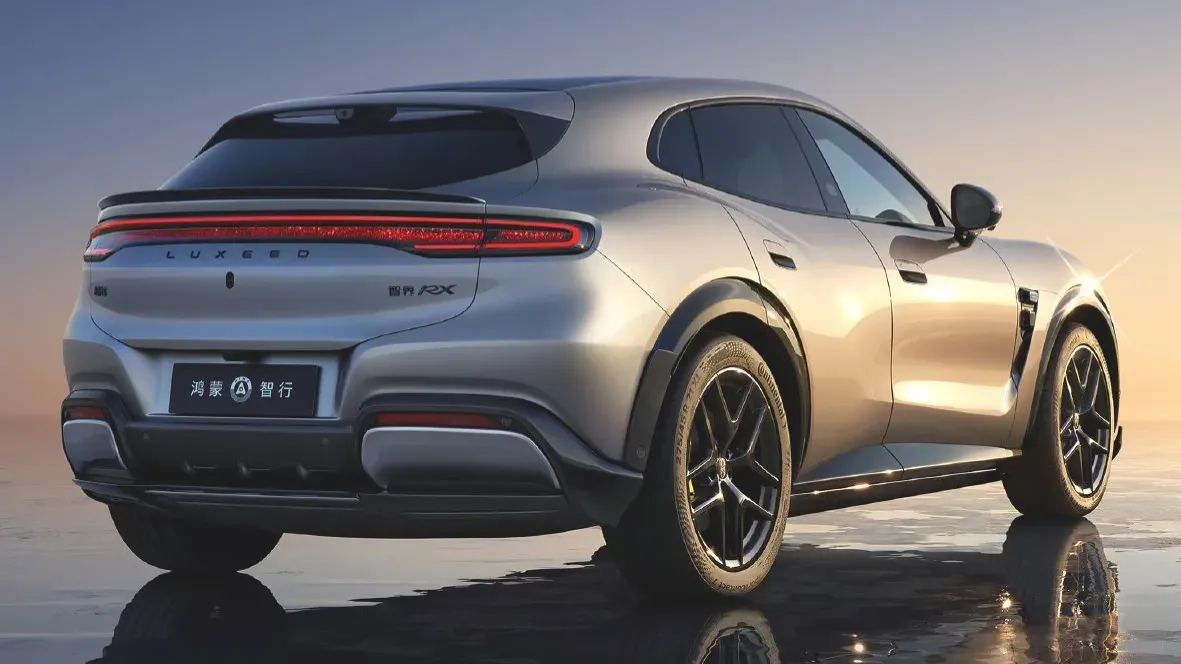
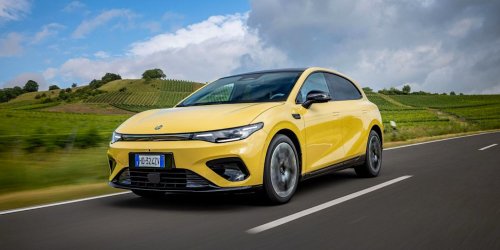
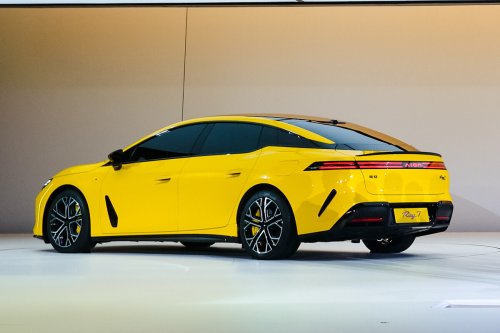
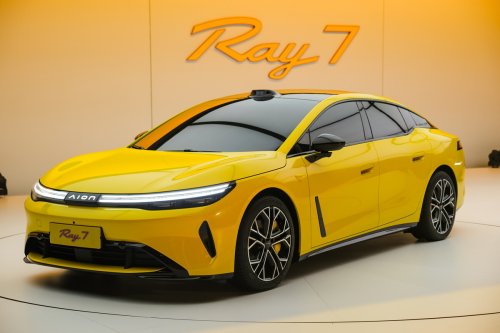
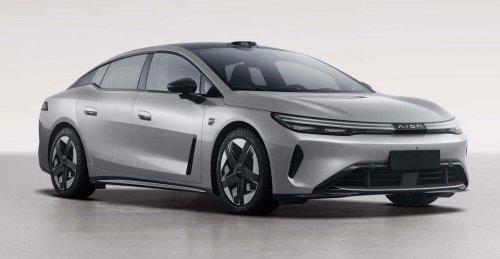
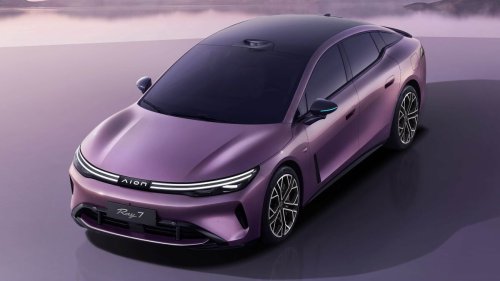
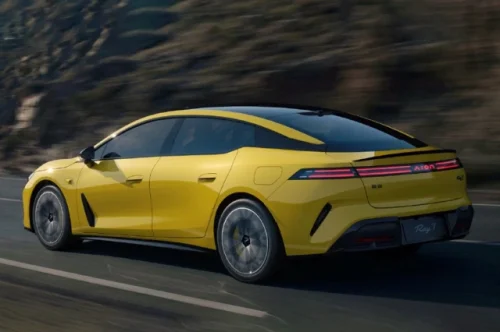
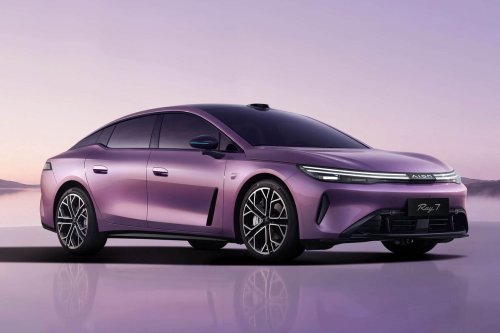
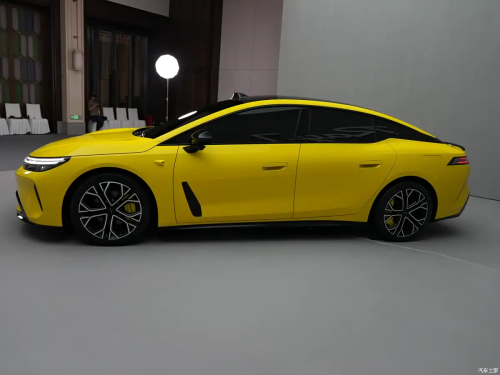
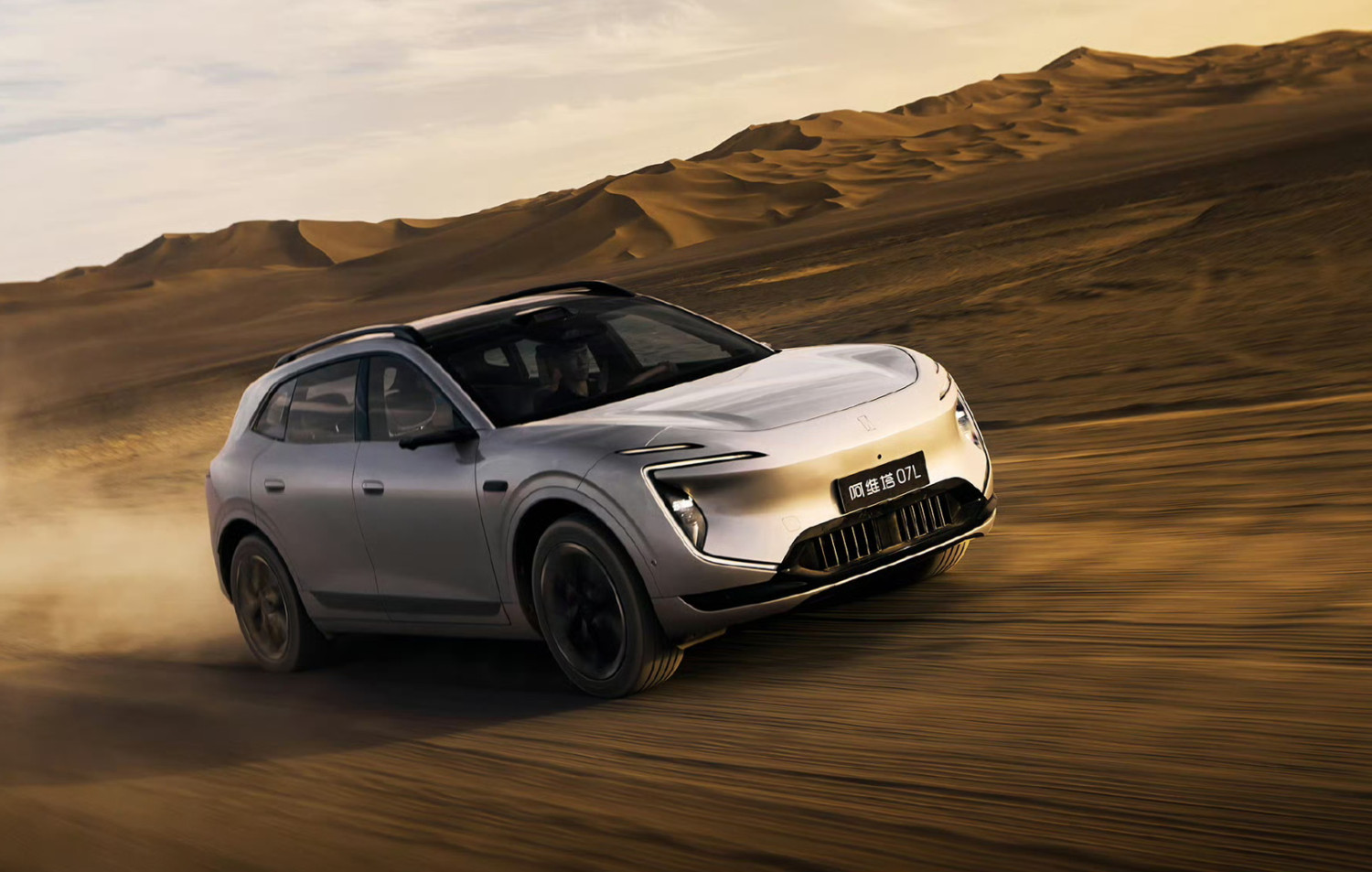
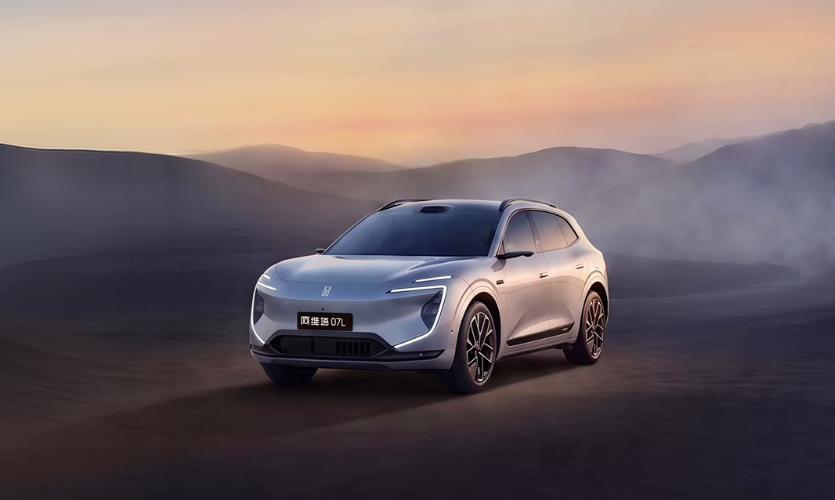
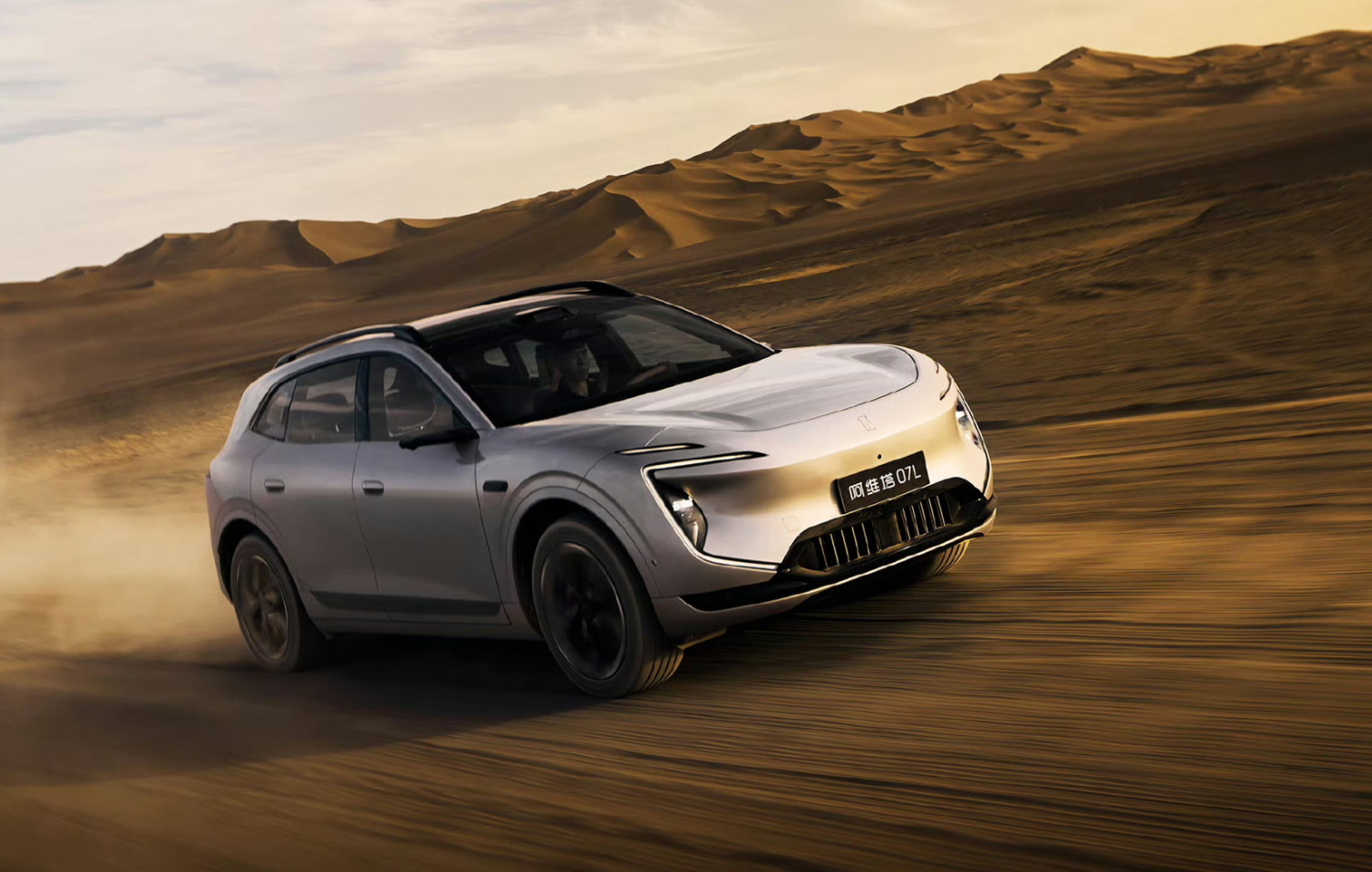
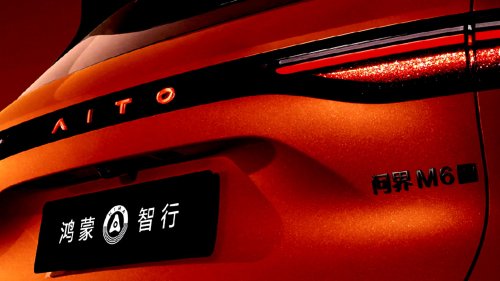
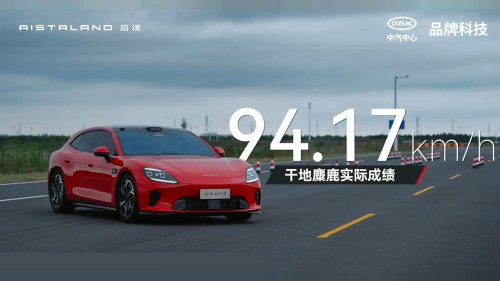
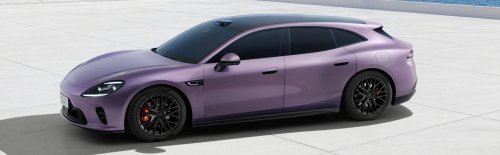
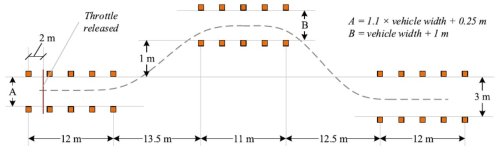
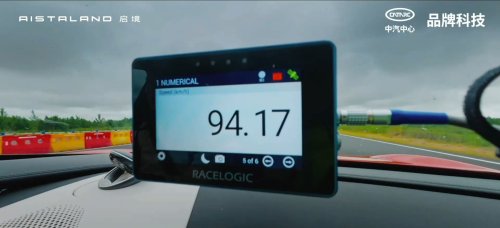
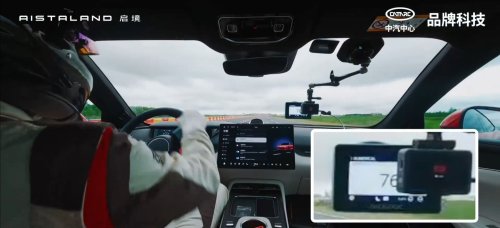
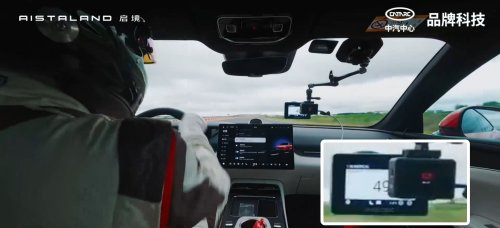
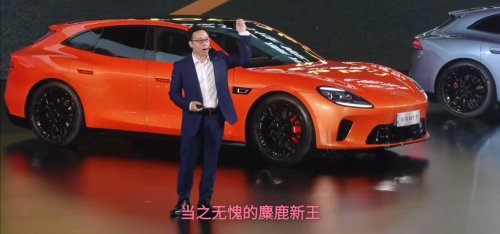
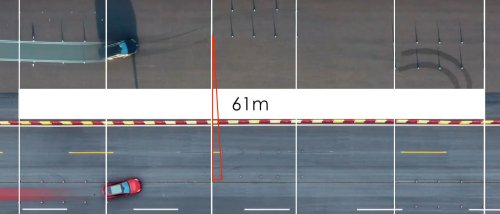
The Aistaland GT7 has been accused of cheating on its 94 km/h moose test. Source: Aistaland Understand China EV’s Market Real-time notifications when critical EV data is released All important data in one place 2,000,000+ data points Become a member Aistaland, a NEV brand co-owned by Huawei and GAC, launched the GT7 EV shooting brake in China on June 26. The brand emphasised the GT7’s road-holding abilities during the launch event, claiming it passed the moose test at 94 km/h. Those claims are now under scrutiny in China. Aistaland has been alleged to have artificially inflated its test results by entering the test zone at high speeds, then using regenerative braking to decelerate before commencing the lane change maneuver. The exterior of the Aistaland GT7. How the test was performed During the GT7 launch live stream, Aistaland said it was adhering to ISO 3888-2:2025 for the test. It specifies the exact rules and layouts for the double-lane change maneuver, more commonly known as the “moose test”. The “moose test” layout as per ISO 3888-2. ISO 3888-2:2025 uses an identical layout.Source: Hierarchical Evasive Path Planning Using Reinforcement Learning and Model Predictive Control. The ISO standard requires the vehicle to enter the first zone at a set speed, with throttle and brake inputs prohibited after entry. The car must complete two sharp lane changes without touching cones. At the start of the test, Aistaland said the GT7 had regenerative braking enabled and that the system was in pre-production. The car entered the first zone at 94 km/h, then decelerated to 76 km/h before commencing the first lane change. The GT7 enters at 94 km/h, slows down to 76 km/h before the turn, and finishes at 49 km/h. As the GT7 completes the second lane change, its speed drops to 49 km/h. Aistaland claims the test was a success, and crowns the EV shooting brake as “the new moose test king”. Aistaland proclaims the GT7 as the “rightful new king of moose tests”. Did Aistaland cheat? The ISO standard forbids drivers from braking manually during the maneuvers. Braking is allowed, though, if it is performed by the vehicle itself, and this usually occurs as the car’s stability control system (ESC) tries to keep everything under control. It can be argued that Aistaland is technically in compliance, as the test driver did not brake manually after the 94 km/h entry. All speed reductions were performed by the car itself: regenerative braking in the straights and ESC in the turns. With new EVs boasting ever-increasing horsepower figures, regenerative braking power rises as well. The GT7, with its top-trim tri-motor setup, should be no stranger to this either. With one-pedal driving engaged, one can also argue that this is feasible in real-world conditions, as the EV decelerates before the driver reacts to threats on the road. This setup, though, fails to properly examine a vehicle’s handling prowess on an even playing field. Un-electrified ICE cars can’t brake via regen, and regen power isn’t equal across all EVs In China’s competitive EV market, manufacturers could increase the default regenerative braking setting in their cars, potentially achieving higher entry speeds during the moose test. Who certified the test? There is also scepticism regarding the China Automotive Technology & Research Centre (CATARC), a state-owned testing organisation. The test was performed in conjunction with the auto brand and China Automotive Brand Technology (CABT), a subsidiary of CATARC. CABT is registered with China’s State Administration for Market Regulation (SAMR) and operates primarily in the fields of printed publications, advertising consulting, and public relations. It is unclear if CABT is qualified to issue certifications for automotive tests in China. CABT’s registry at China’s SAMR, in Chinese and translated to English. Source: Ai Qi Cha There are also concerns about Aistaland & CABT’s test setup. A top-down comparison with the Yangwang U7’s test shows the GT7’s second zone was moved forward, giving it more space for the first lane change. Top-down view of the Yangwang U7 & Aistaland GT7’s moose test layouts. This would also allow the GT7 to enter the first zone at even higher speeds, further inflating its results. As of writing, however, Asitaland, CABT, Huawei, and GAC have not responded to these accusations. Source: Aistaland, Ai Qi Cha, BiliBili – WoShiFanShuA, SEDSAD, XinNengCheGuanFang References: [1] Fehér et al. (2020). Hierarchical Evasive Path Planning Using Reinforcement Learning and Model Predictive Control.

















 +56 others