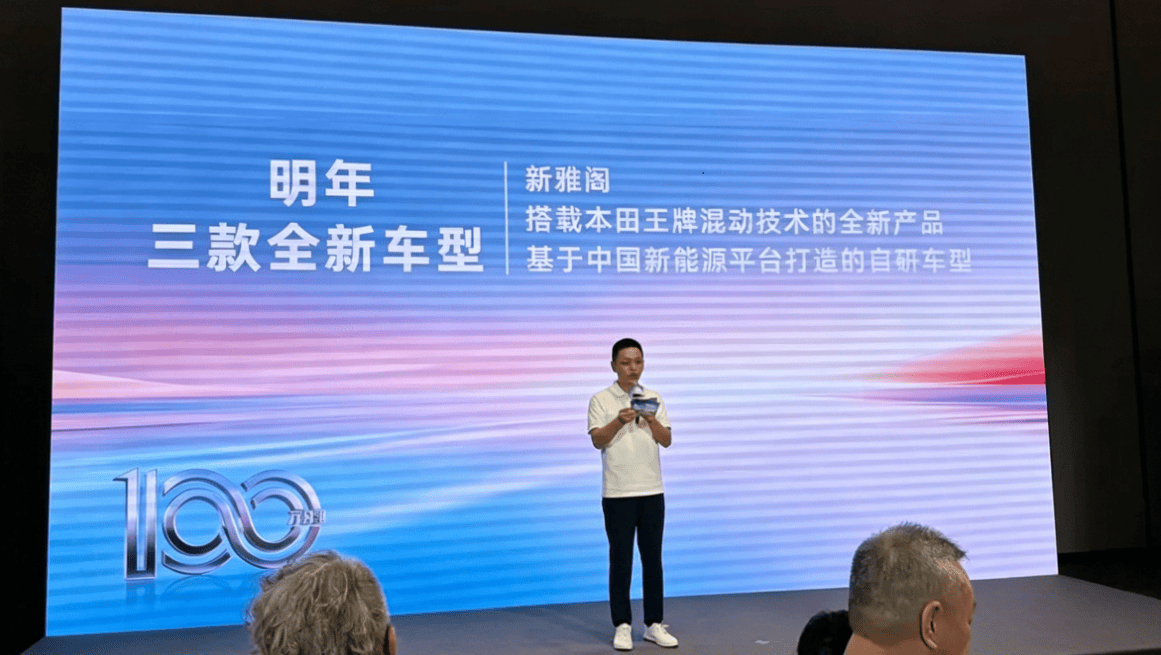
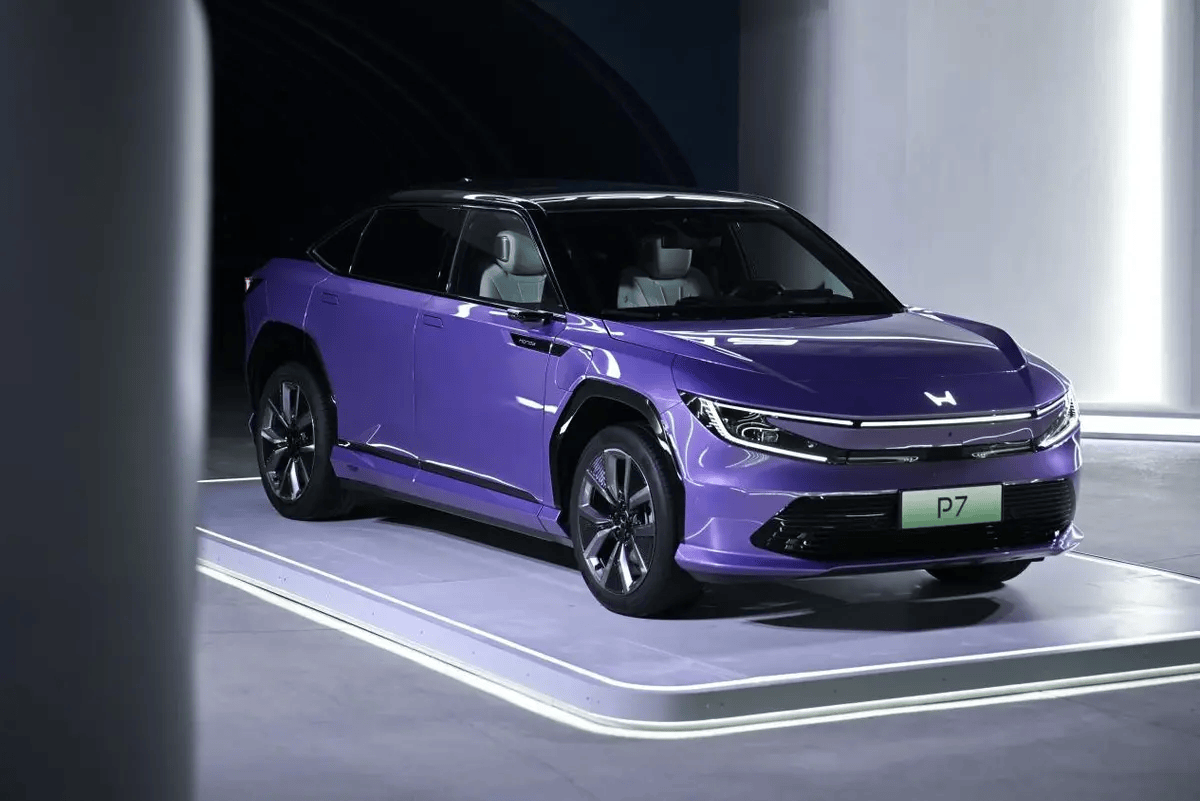
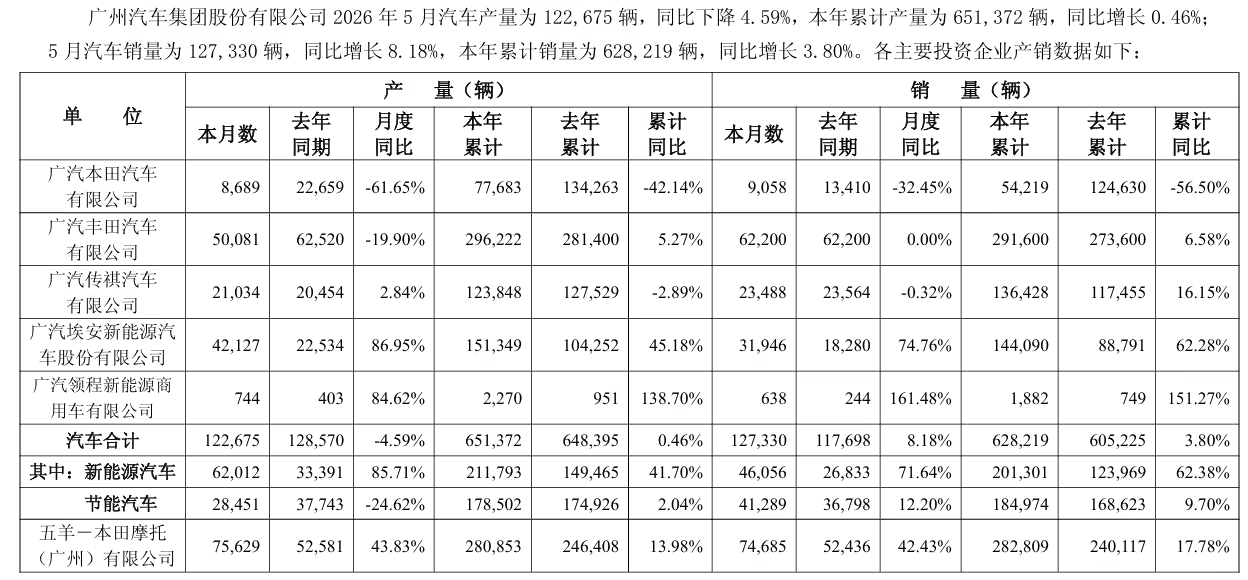
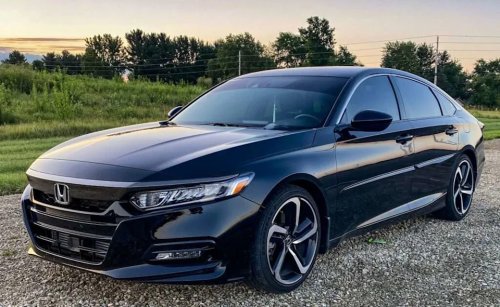
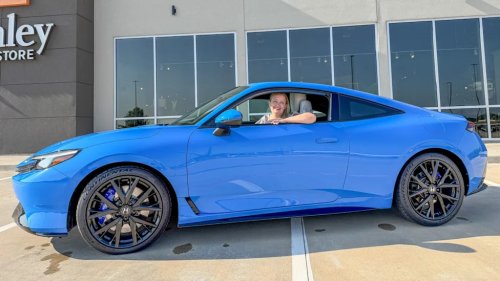
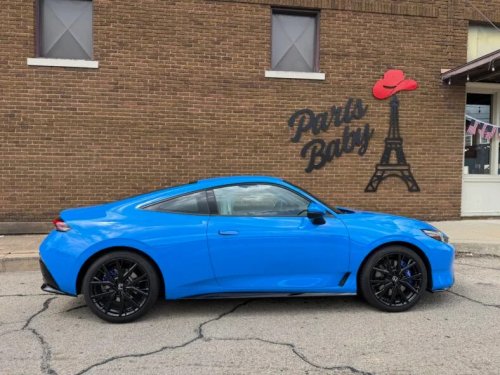
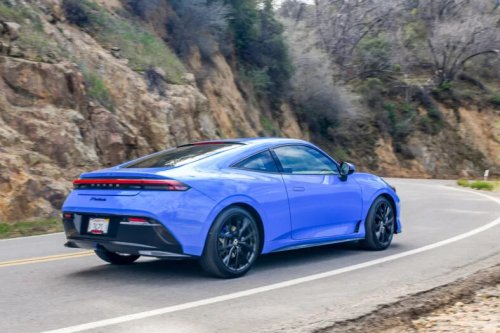
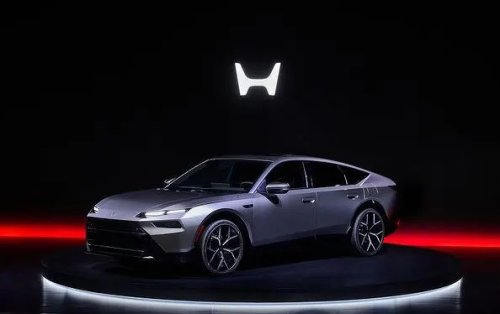
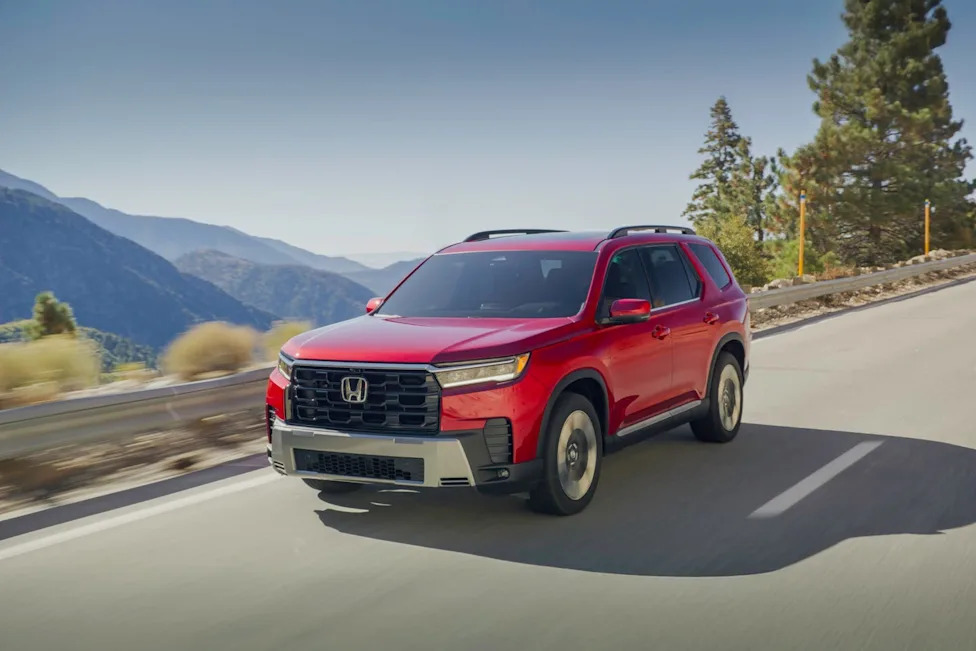
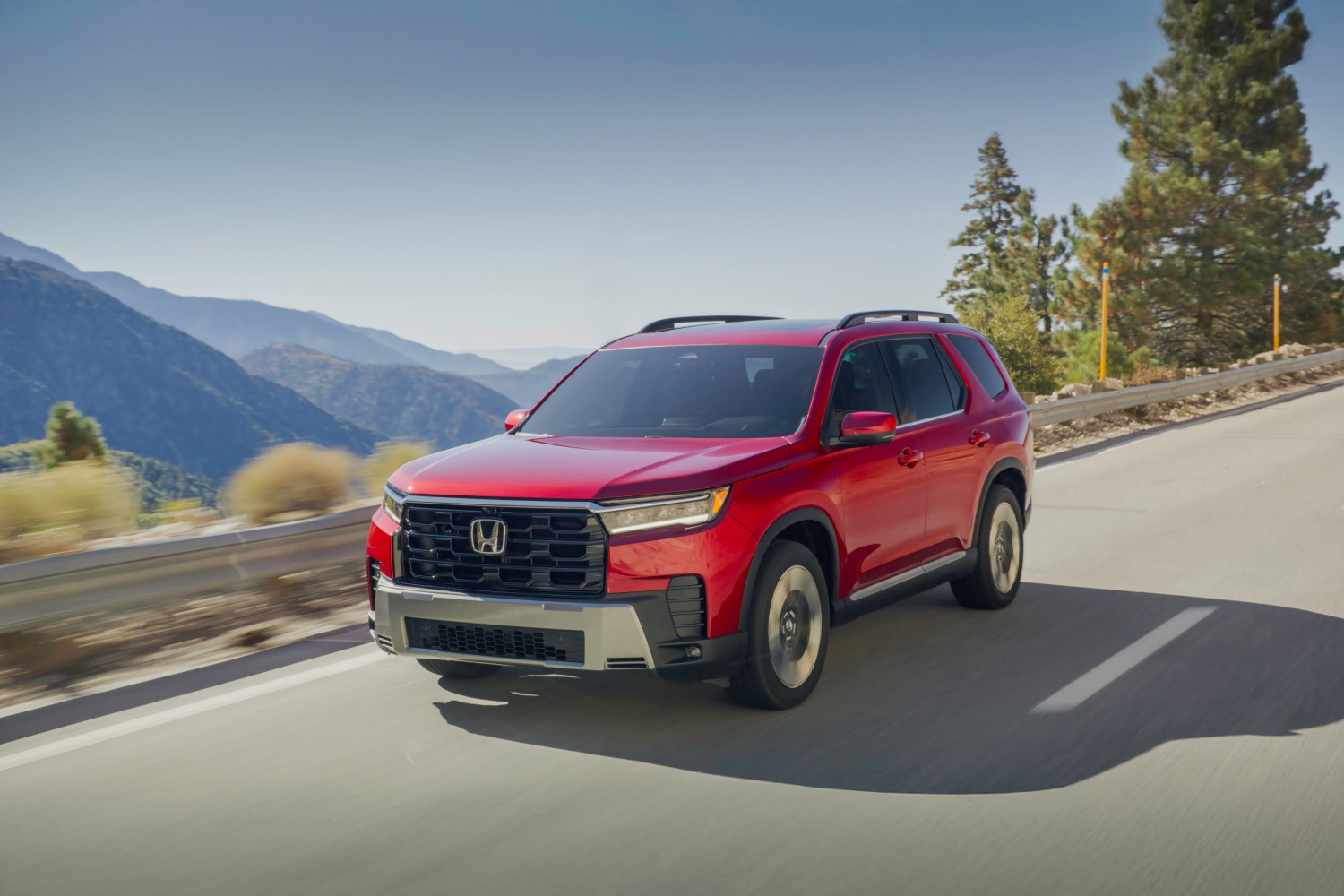
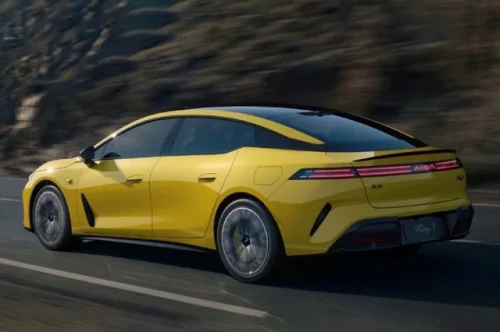
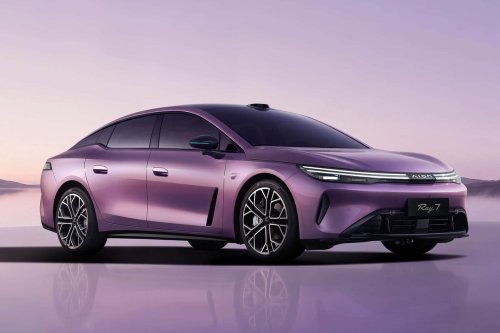
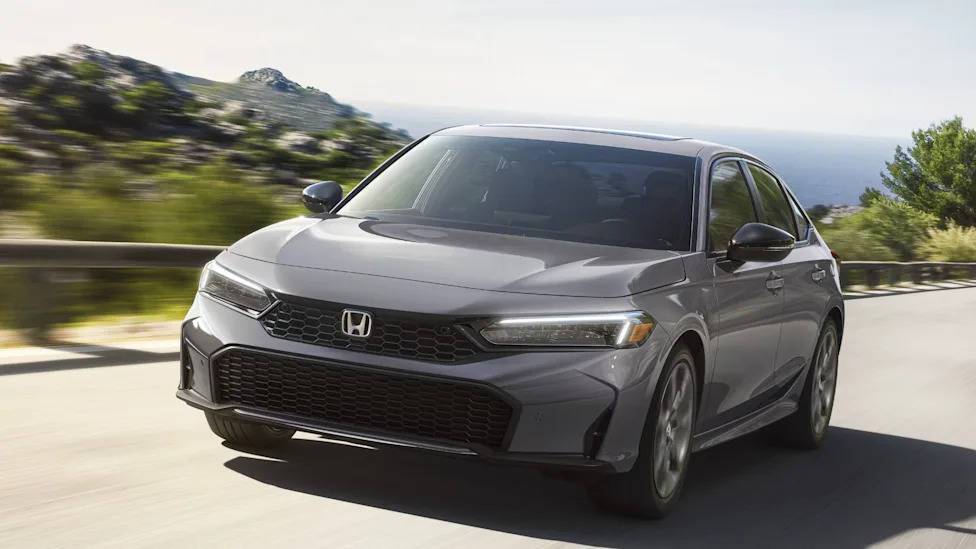
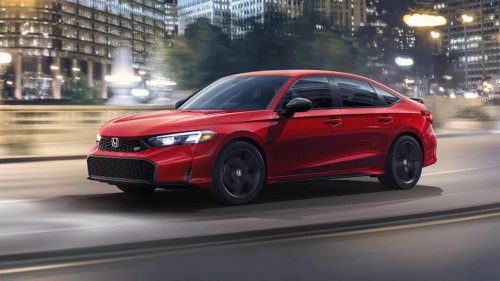
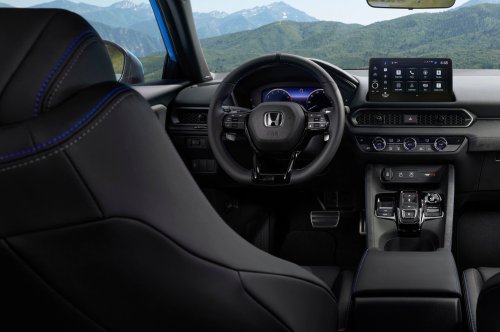
Joint venture GAC Honda is planning to launch three all-new models in 2027, covering internal combustion engine (ICE), hybrid, and fully electric powertrains, according to a Chinese media report. The planned lineup includes a next-generation Accord, a new model equipped with Honda’s fifth-generation i-MMD hybrid system, and a self-developed electric vehicle built on a China-specific new energy platform. GAC Honda to roll out ICE, Hybrid and EV models in 2027 cycle In April this year, GAC Honda deputy general manager Lin Zhibin said the company was advancing internal restructuring focused on localized R&D, supply chain reconfiguration, and deeper smart mobility partnerships, aiming to prepare for a new product cycle after 2027. A key element of the strategy is the hybrid system upgrade. The fifth-generation i-MMD hybrid system will be rolled out across new models starting in 2027, delivering an estimated 10% improvement in fuel efficiency compared with the current generation. The first model equipped with the system is scheduled for release in Q1 next year. On the smart vehicle front, Honda is accelerating cooperation in China, working with Huawei’s HarmonyOS ecosystem and autonomous driving firm Momenta to enhance in-car software and advanced driver assistance systems, while integrating more local suppliers into its development pipeline. GAC Honda EV P7 The product overhaul comes as GAC Honda continues to face sustained sales pressure. In May 2026, Honda’s sales in China fell to 28,279 units, down 49% year-on-year, with aging core models such as the Accord cited as a key factor behind the decline. At the joint venture level, GAC Honda sold 9,058 vehicles in May, down 32.45% year-on-year, marking five consecutive months of decline. Cumulative sales from January to May totaled 54,219 units, down 56.50% from 124,630 units a year earlier. GAC Group’s May production and sales data in May 2026 The slowdown is attributed to multiple factors, including a limited EV lineup that lags domestic rivals in range, smart features, and charging ecosystem coverage, failing to generate meaningful incremental demand. Meanwhile, ICE models such as the Accord and CR-V remain core volume drivers but face shrinking margins amid continuous price competition. In addition, GAC Honda’s relatively slow product cadence and limited upgrades in recent years have reduced the impact of new model launches on overall sales. The planned three-pronged strategy across ICE, hybrid, and EV segments effectively represents a synchronized catch-up effort to rebuild its product pipeline.