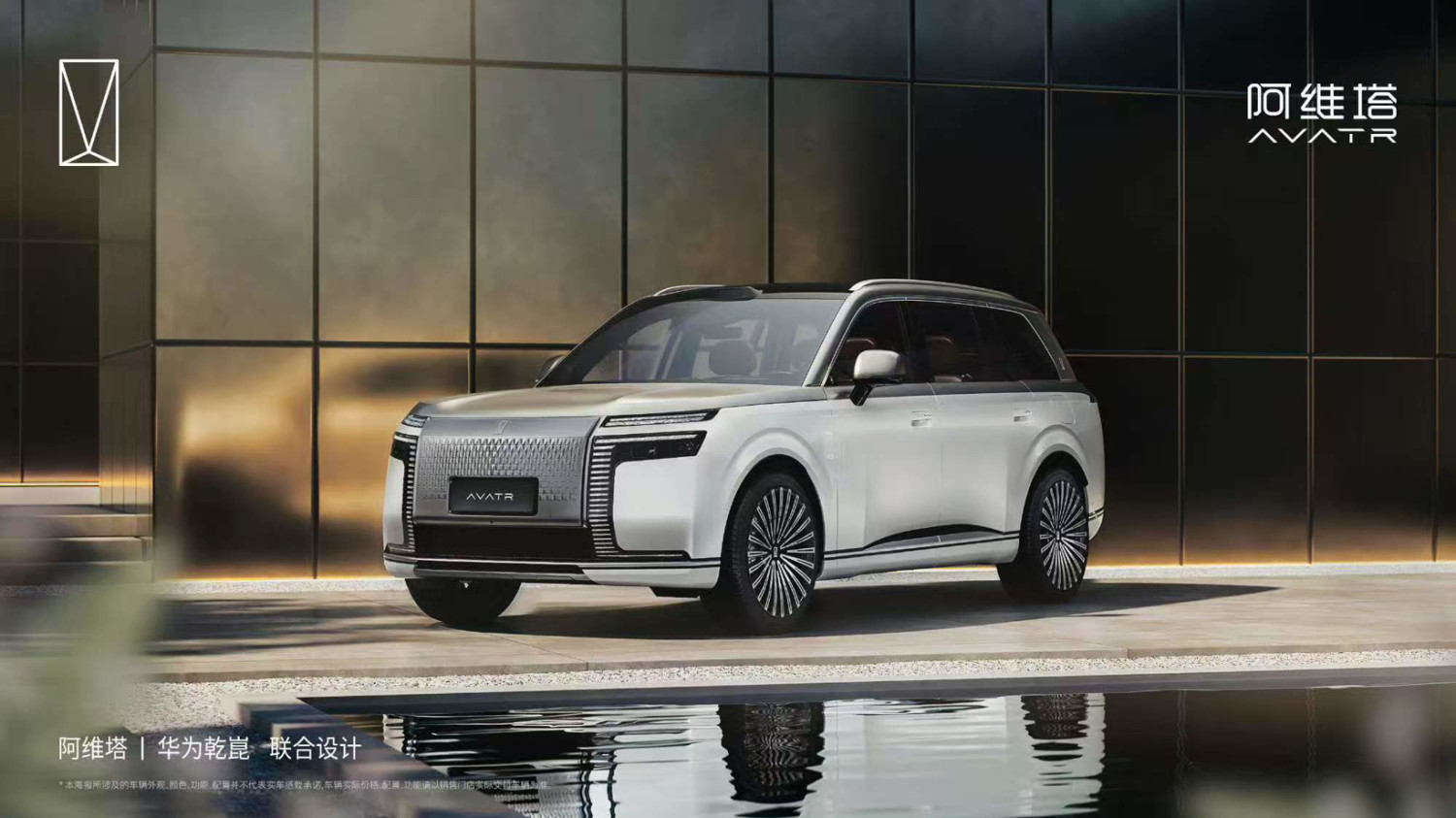
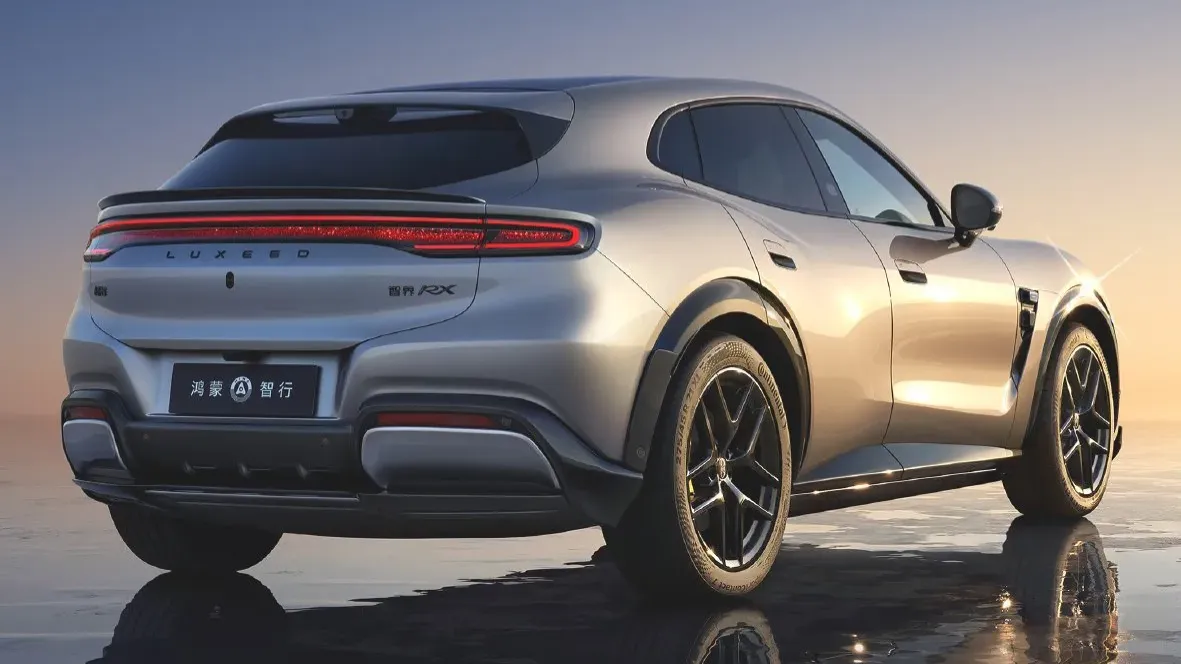
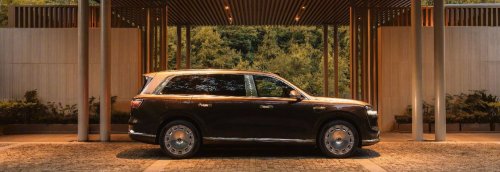
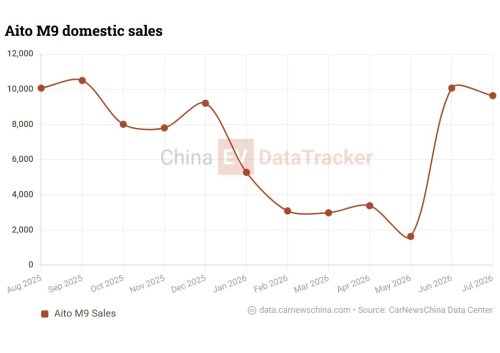
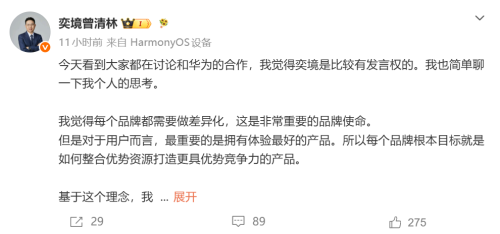
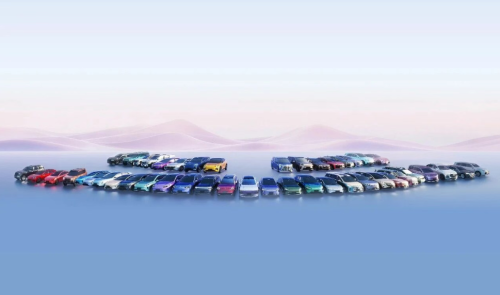
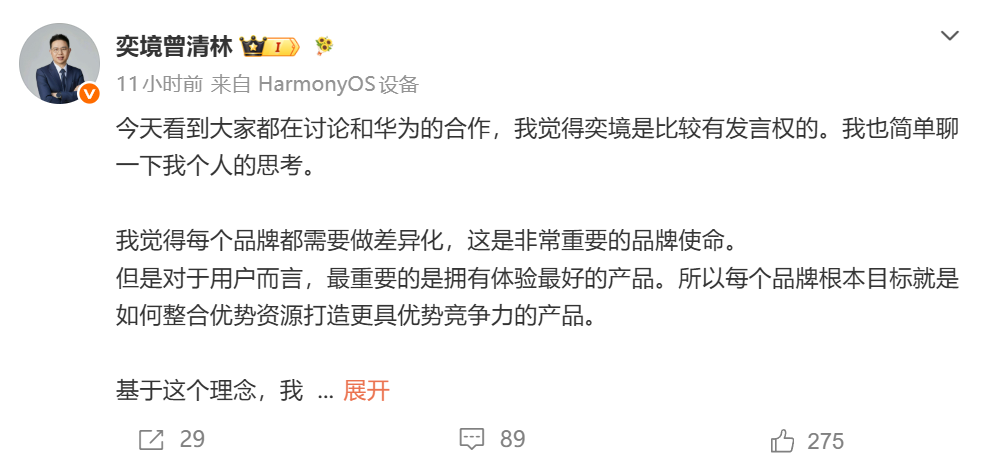
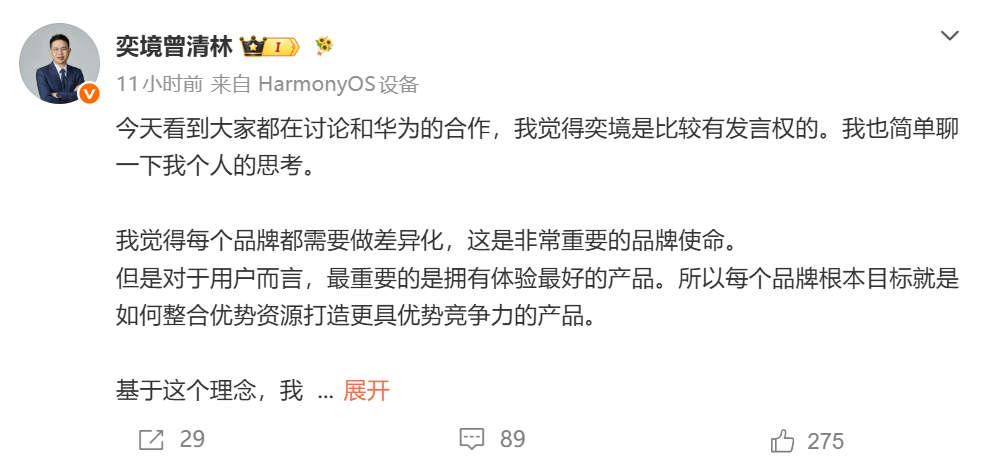
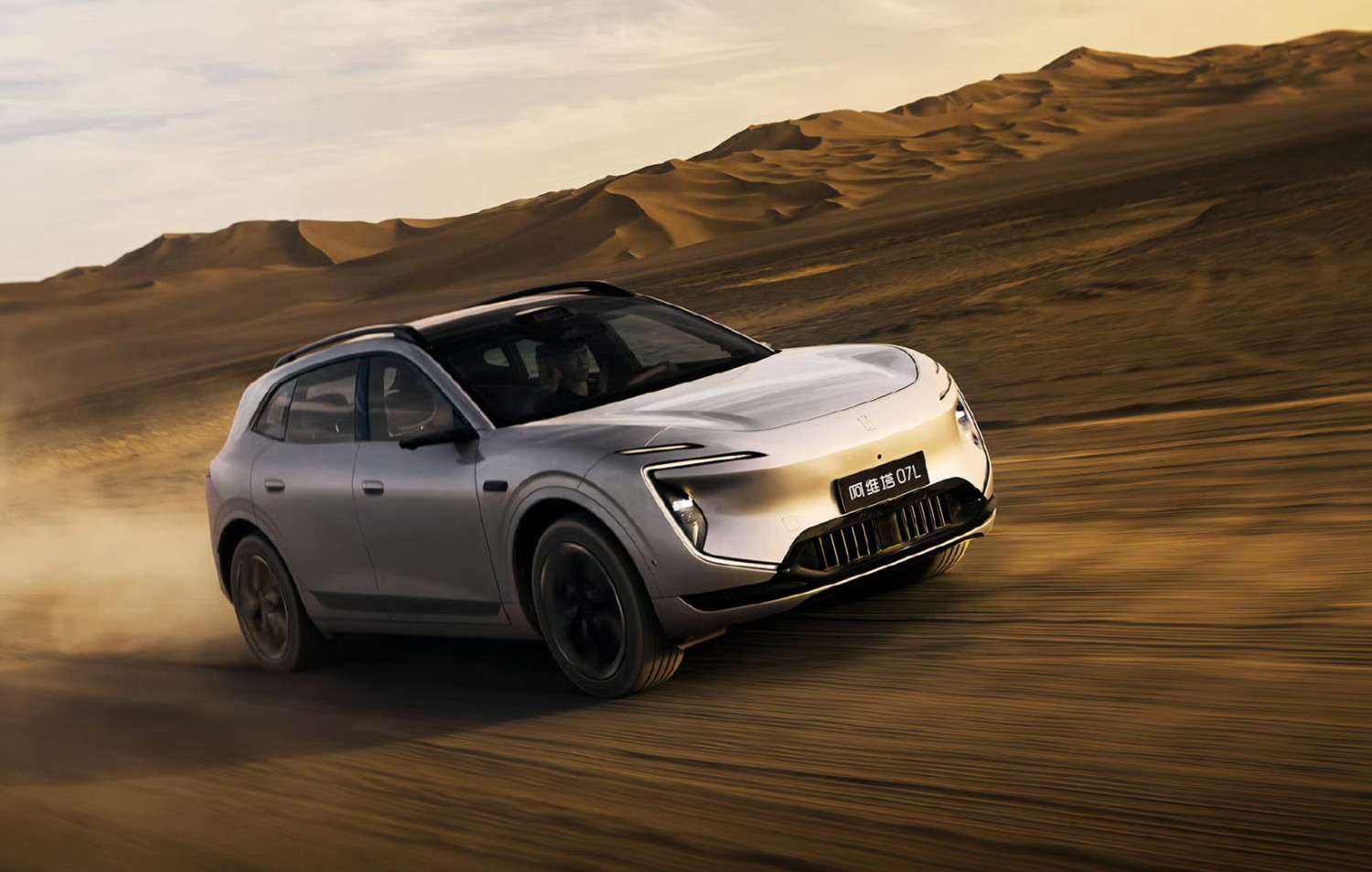
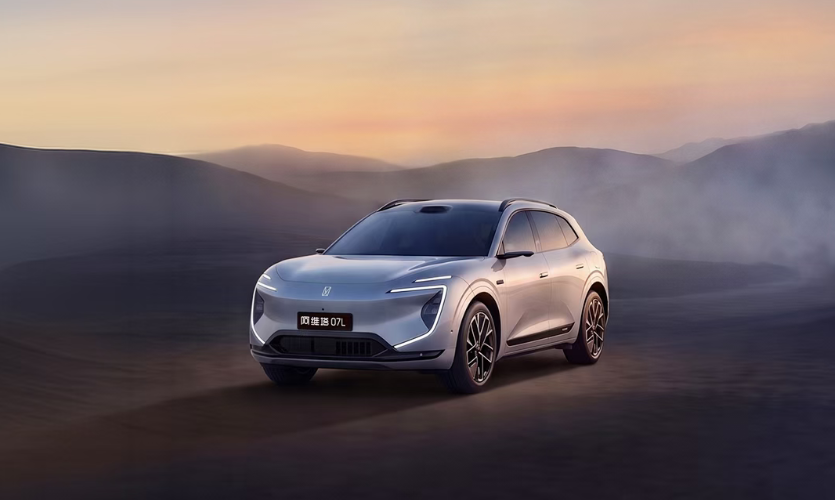
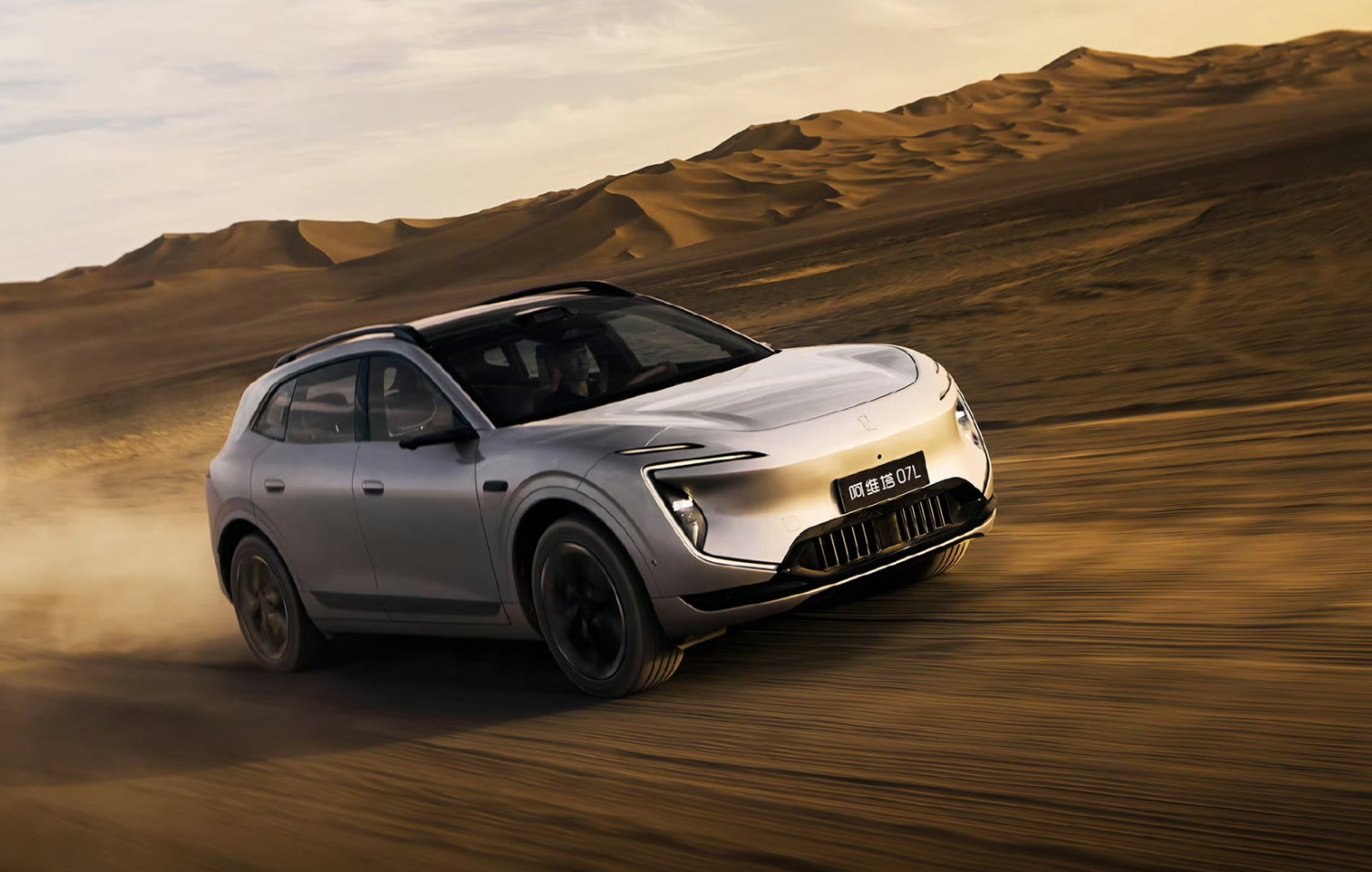
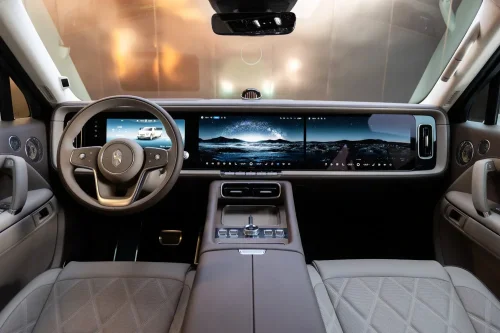
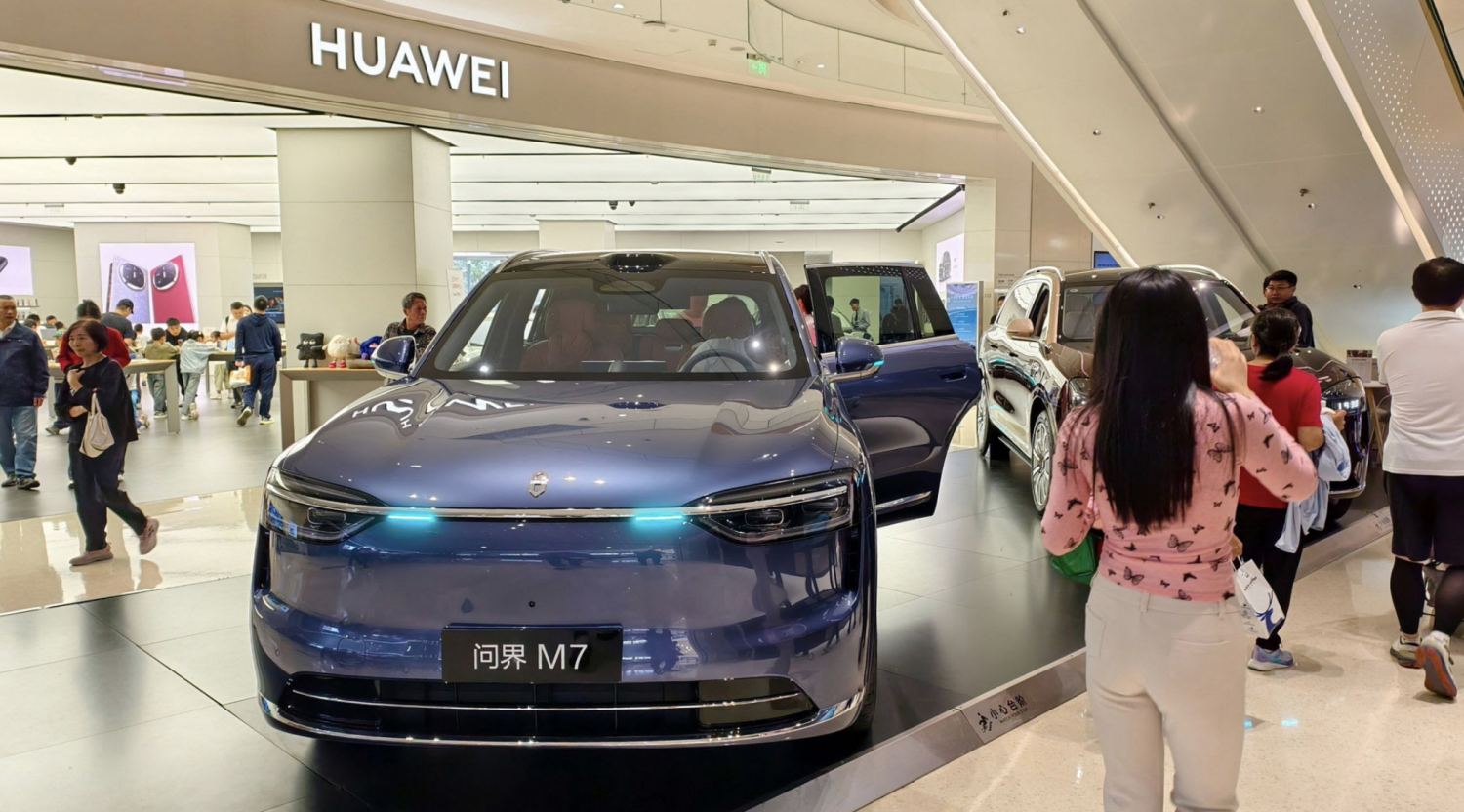
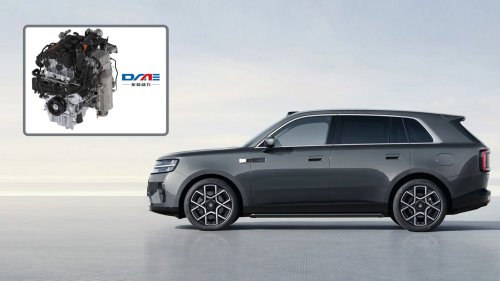
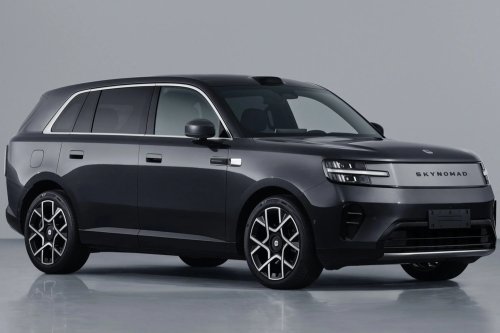
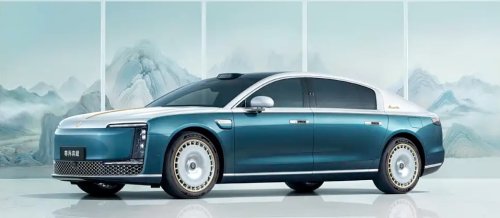
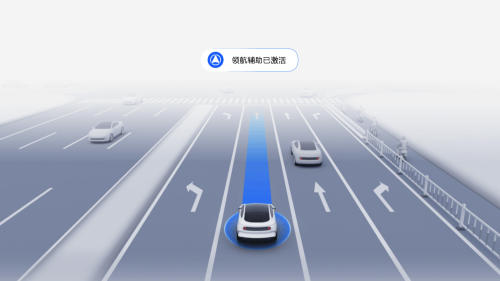
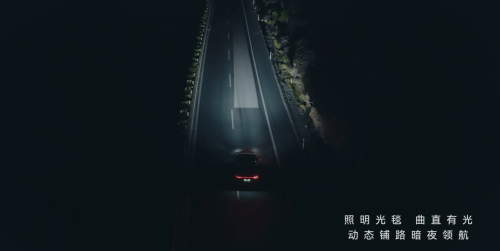
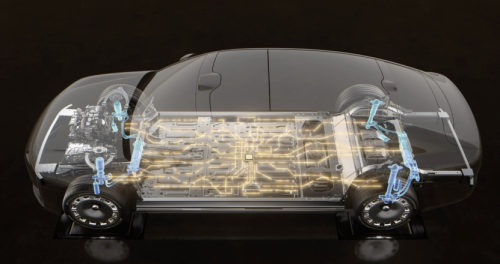
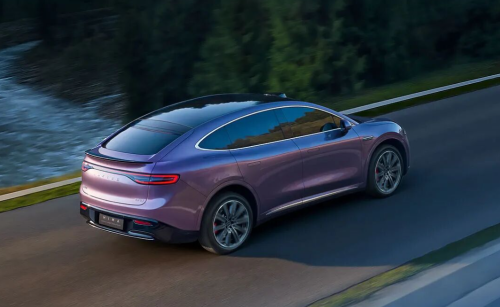
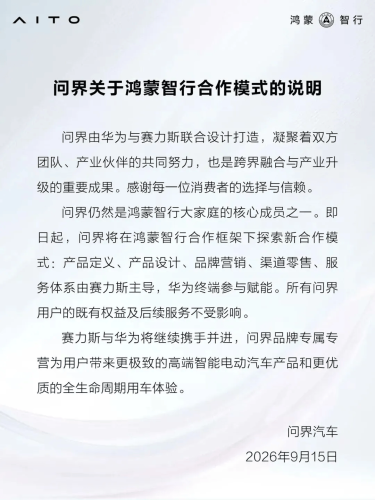
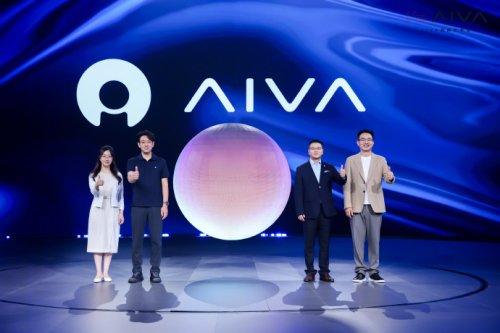
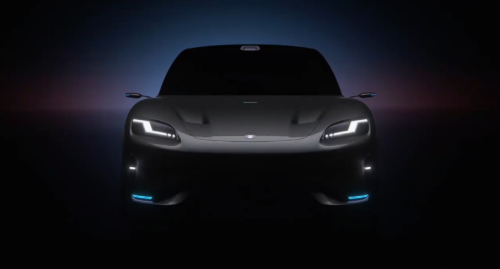
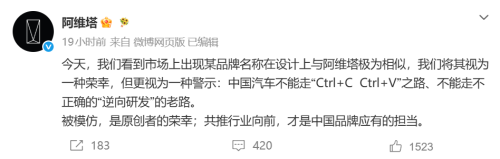
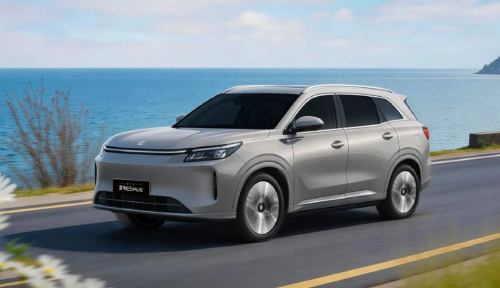
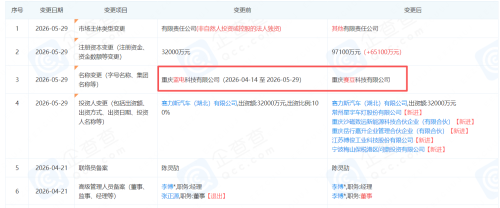
Gasgoo Munich- On the evening of June 9, Saidou Technology held a brand launch in Beijing, officially unveiling its new AI automotive brand, AIVA. The name is derived from the acronym of "Artificial Intelligence Voyage Ahead," symbolizing "AI accompanying users every step of the way." At the event, the AIVA Origin Concept made its debut, and the first mass-production model was named AIVA ME7, with plans to launch within the year.Saidou Technology was formerly known as Landianan Technology, a subsidiary of Seres. It completed a capital expansion of roughly 6.671 billion yuan in late May, bringing in several new shareholders—making this event Saidou's debut. The launch of AIVA carries Seres' strategic intent to build a second growth curve beyond AITO, signaling that this automaker, deeply integrated with Huawei, is now exploring parallel technological paths.AIVA's Strategy to Reduce Reliance on HuaweiIn terms of technology, AIVA has made choices that stand in stark contrast to AITO.Before AIVA's official reveal, rumors circulated that Seres and ByteDance would jointly build vehicles. Some reports interpreted "Saidou" as ByteDance's automotive brand, even mislabeling it as "Doubao Auto." On June 6, ByteDance issued a statement to clarify: it has no plans to manufacture cars or launch an automotive brand; Saidou is not a brand launched by ByteDance or Doubao, and there is no equity partnership between the two. Cooperation between Volcano Engine, Doubao, and the auto industry is limited to providing technical services such as large models and smart cockpits.Image source: Weibo AutoYang Liwei, vice president of Volcano Engine, reiterated at the conference that the two sides will jointly define, jointly design, and co-create the AI automotive experience. Volcano Engine will provide core technologies, including the Doubao large model and smart cockpit systems, for the entire AIVA lineup.AIVA President Li Bo explained the brand's underlying logic: "AI defines the car; first comes AI, then comes the car." He noted that traditional automotive development relies more on surveys and human judgment for product definition, whereas in the AI era, needs can be actively mined in bulk.Image Source: Saidou TechnologyAdditionally, the AIVA Origin Concept made a simultaneous debut, with the first mass-production model, the AIVA ME7, set to launch later this year. Moving forward, the brand will refine its full product lineup to cover the market segment above 200,000 yuan.Regarding intelligent driving, AIVA did not adopt Huawei's HarmonyOS Mobility technical route, instead choosing DeepRoute to provide its assisted driving solutions.On the industrial synergy front, AIVA's shareholder structure shows distinct diversification. Zhang Zhengyuan, chairman of Saidou Technology, emphasized that Saidou Technology is not Seres' second brand, but a completely independent company. As a significant shareholder, Seres provides support in vehicle manufacturing, supply chains, and quality systems; CATL backs battery technology and energy solutions; while state-owned platforms offer capital and industrial resources. The first mass-production vehicle will roll off the line at Seres' Phoenix plant, with plans to establish independent sales channels targeting both domestic and overseas markets.Image Source: AvatrNotably, AIVA's brand launch was accompanied by external controversy. On the afternoon of June 9, Avatr's official account posted a message stating: "A certain brand's design is extremely similar to Avatr's. We view this as an honor, but even more as a warning: Chinese automobiles cannot follow a 'copy-and-paste' path." It further stated, "Being imitated is the original creator's honor." As of press time, Saidou Technology has not yet issued a formal public response.AIVA Takes the Baton from LandiananOnce you understand the "novelty" of AIVA's technical route and industrial synergy, its background becomes clear: the emergence of AIVA stems largely from an unsuccessful brand experiment.In 2025, Seres released its financial report. Full-year revenue reached 165.05 billion yuan, up 13.7% year-on-year, with a net profit of 5.96 billion yuan—marking a second consecutive year of profitability. New energy vehicle sales reached 472,300 units, with the AITO series accounting for 426,000 deliveries, representing over 90% of Seres' total NEV sales. With high-end models gaining traction, the gross margin for new energy vehicles climbed to 28.8%.Landian AutoYet behind the gleaming figures lie concerns. Seres' proprietary brand, Landian, has long struggled. Launched in March 2023 and positioned in the 100,000 to 150,000 yuan range, its first model, the Landian E5, featured FinDreams' hybrid system and HUAWEI HiCar 3.0. Hampered by low brand awareness, Landian never gained traction. According to relevant data, sales of the Landian E5 totaled just 8,756 units in all of 2023; sales increased to 29,000 units in 2024 thanks to the new E5 PLUS, but slumped back to 20,000 units in 2025.Landian's slump further validates Seres' dependence on its partnership with Huawei. AITO contributes over 82% of Seres' sales and is the primary source of profit growth. But this deep integration comes at a steep price.According to Seres' prospectus, from 2022 to the first half of 2025, Seres paid Huawei over 75 billion yuan in procurement costs. The first half of 2025 alone saw 20 billion yuan in payments—more than 30% of total procurement for that period. This means that for every AITO sold, roughly 136,000 to 141,000 yuan flows to the Huawei ecosystem.Meanwhile, Huawei's automotive footprint is expanding rapidly. Following AITO, it launched Luxeed with Chery, Stelato with BAIC, Maextro with JAC, and Shangjie with SAIC, creating a landscape of "Five Realms." Seres' status as Huawei's "exclusive partner" has dissolved. Although AITO still dominates sales within HarmonyOS Mobility—with May 2026 seeing total deliveries of 46,122 units across the alliance and AITO accounting for 34,320 units, or over 70%—the diversion of Huawei resources is a reality.QichachaAgainst this backdrop, the restructuring of Landian's assets was put on the agenda. In February 2026, Seres signed a cooperation agreement with the Chongqing Shapingba District Government, spinning off Landian's existing assets to establish a new company. On May 25, Landian Technology completed a capital expansion of approximately 6.671 billion yuan. Chongqing's state-owned Shaci Zhiyuan invested 3.433 billion yuan, becoming the largest shareholder with a 34.5% stake; Seres' stake fell to 32.96%, making it the second-largest shareholder. Industrial players like CATL's Wen Ding Investment, Bojun Technology, and Xingyu Co., Ltd. also joined as shareholders. Subsequently, on May 29, Landian Technology was officially renamed Chongqing Saidou Technology. One week later, the AIVA brand was officially unveiled.This spin-off removes Landian's assets from Seres' consolidated financial statements, allowing the company's financial reporting to focus more sharply on its core AITO business. At the same time, state-owned capital becoming the largest shareholder establishes a clear boundary between Saidou and Seres—one of equity participation rather than controlling interest.Ultimately, the launch of AIVA can be seen as a proactive adjustment by Seres amidst an increasingly complex competitive landscape in the new energy sector. For Seres, AIVA serves as a testing ground to verify its supply chain integration capabilities outside the Huawei ecosystem. For the industry, this combined model of "state capital control + Seres equity + ByteDance tech empowerment," along with the dual-source approach of "Doubao cockpit + DeepRoute driving," offers a differentiated blueprint for other automakers to consider.Once the first mass-production vehicle, the ME7, debuts later this year, its competitiveness in the new energy market above 200,000 yuan, the efficiency of its channel rollout, and whether its product definition appeals to target users all remain to be tested by the market.














 +18 others