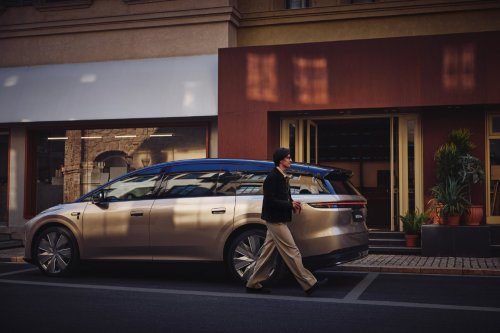
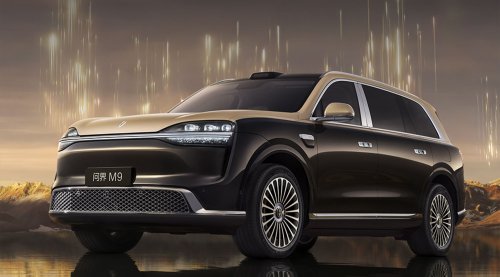
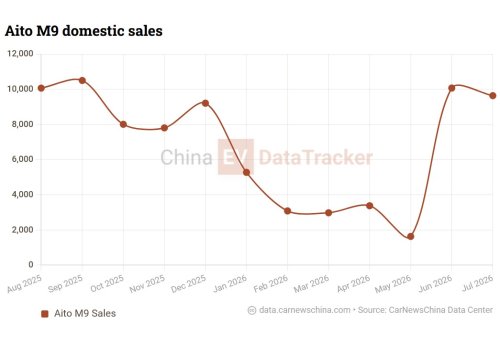
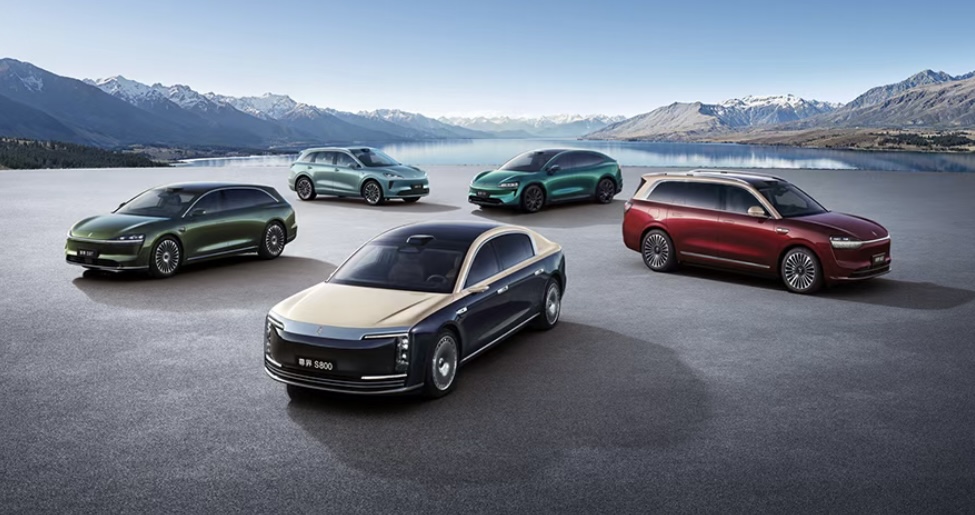
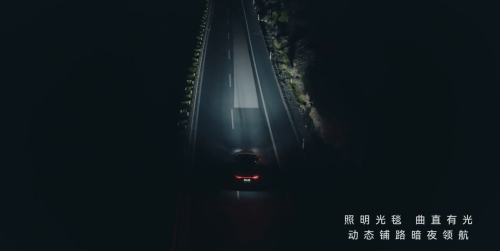
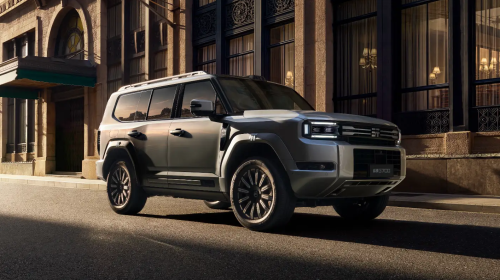
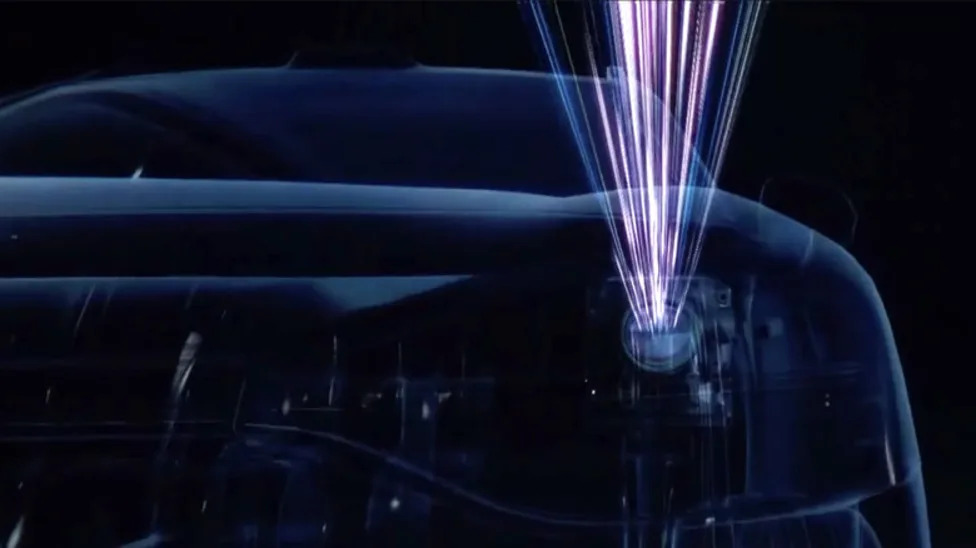
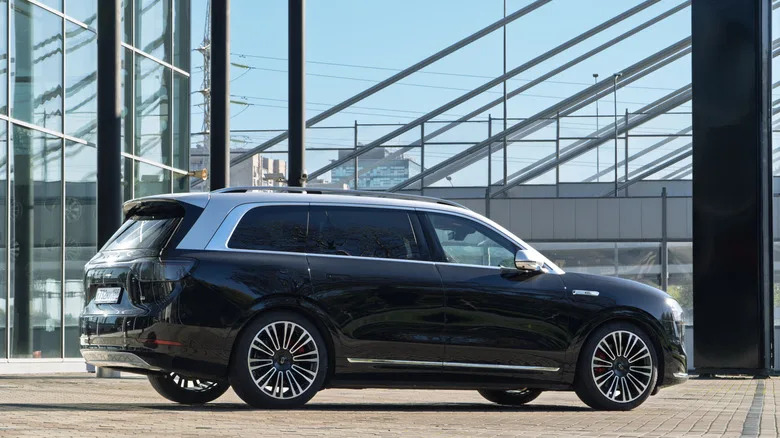
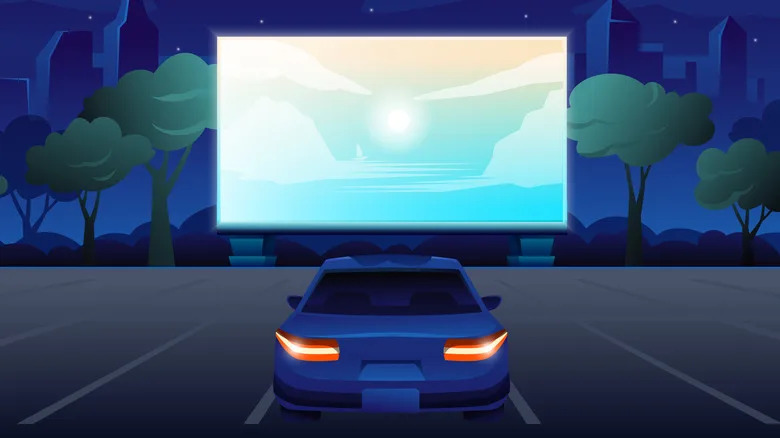
Light emanating from a headlight in a demonstration of Huawei's latest XPixel technology. - CN Technology Launch Event/YouTubeThe humble headlight is getting an exciting upgrade after Huawei announced that the next version of its XPixel system will let you project video from a car's front lights. It means drivers will be able to beam their favorite shows and movies, and even live sports, onto walls or screens up to 120 inches, and project interactive games onto the ground. There are improved safety benefits, too.Many of today's LED headlights already offer features like adaptive driving beams for better night visibility and matrix-style LED systems for glare control. Huawei's latest XPixel technology takes things to another level by transforming the headlights into a full-color projection system, bringing an element of entertainment to what has always been a rather mundane, though admittedly important, car feature.Huawei has shown increasing interest in automotive technology in recent years, including working on an EV battery that can last over 1,800 miles on a five-minute charge. At the April 2026 Beijing Auto Show, the automaker said the latest iteration of its XPixel lighting platform will debut on an upcoming version of the Aito M9 (pictured below), an SUV co-developed with Chinese automaker Seres. However, U.S.-based drivers shouldn't get too excited just yet, as U.S. lighting rules only began allowing adaptive driving beam headlights in 2022, suggesting it could be a while before entertainment-style projection systems make their way to American cars.AdvertisementAdvertisementRead more: 10 Major Car Battery Brands Ranked Worst To Best, According To Consumer ReportsProjection technology that travels with youThe Aito M9 SUV. - DiPres/ShutterstockHuawei's XPixel system has been around since 2023, with earlier iterations working in monochrome and focusing more on safety features such as adaptive lighting and road guidance. This latest version builds on existing LED technology and Huawei's apparent eagerness to experiment with incorporating projection technology into car lighting systems.Bringing full color to XPixel for the first time, Huawei's next-gen headlights can project moving images onto a screen or wall. The clever kit adds full RGB output to Huawei's existing pixel-controlled lighting platform, and uses individual light elements to shape and direct a full-color image, keeping it sharp as the light falls on a wall or flat surface in front of the vehicle. Huawei said during its Beijing Auto Show presentation that XPixel can project a 120-inch image 23 feet away, with 1200-lumen brightness and 125% Rec.709 color gamut for richer, more vivid colors. According to Huawei, this means it enables more accurate and vibrant color reproduction than the HDTV standard. To make the most of the visual experience, users might also want to upgrade their vehicles' audio system. Huawei's updated XPixel tech is about more than just entertainmentA digital illustration of a car in front of a movie screen. - Irina Cheremisinova/Getty ImagesAs with the original XPixel system, the latest version offers navigation cues, road guidance, and pedestrian warnings. The new system, however, goes a step further by advancing from monochrome output to color. It's designed to make cars safer by intelligently adjusting the color temperature to better penetrate fog and heavy rain, improving road visibility. AdvertisementAdvertisementAdaptive headlight technology has been around for years, with German automaker Mercedes, for example, exploring it back in the mid-2000s. Huawei's XPixel takes things up a notch. Chinese regulators' relatively accommodating approach to LED car lighting paves the way for automakers there to incorporate the latest XPixel technology into their vehicles. However, pricing will be a key factor in its success, and Huawei has yet to announce it. If it does prove popular, it could offer a quick way to enjoy movies and live sports at places like campsites and meetups, allowing Huawei to claim a whole new dimension to headlight technology, and a fun one at that.Enjoyed this article? Sign up to BGR's free newsletter and add us as a preferred search source for the latest in tech and entertainment, plus tips and advice you'll actually use.Read the original article on BGR.


















 +1 others