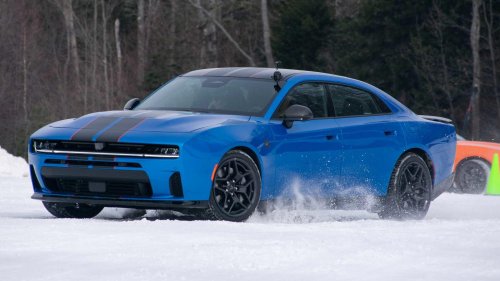
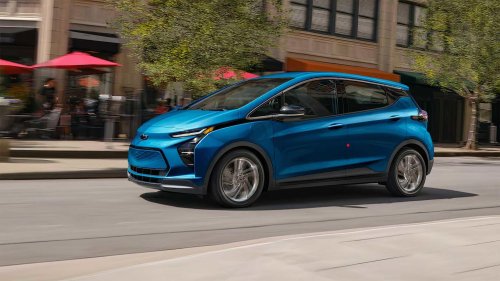
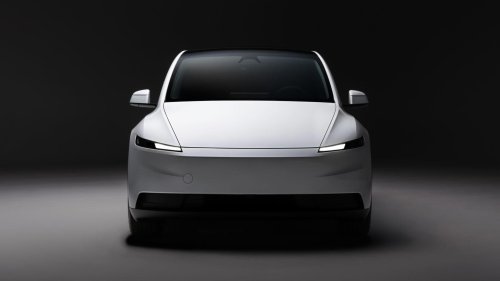
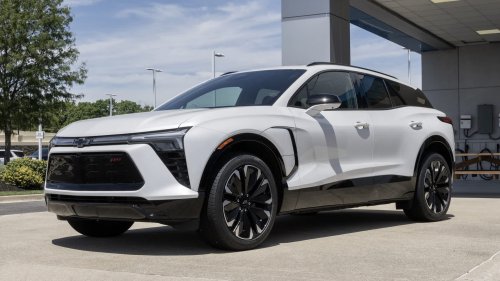
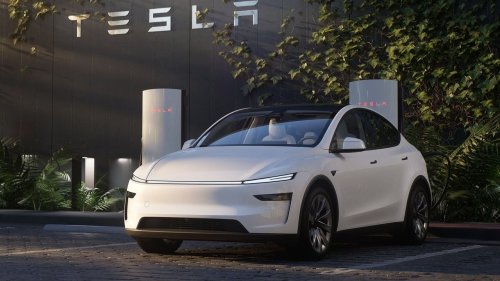
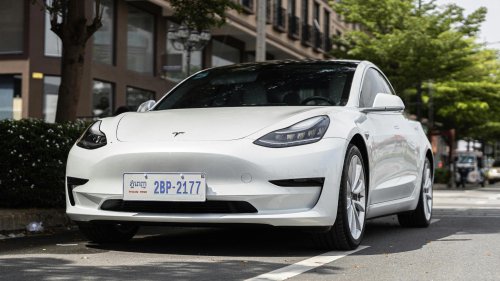
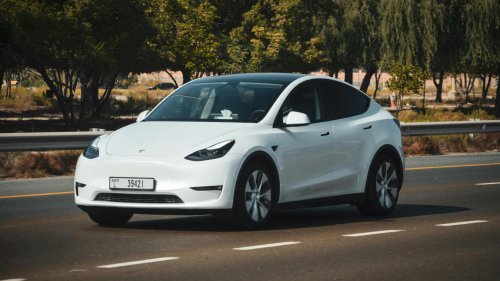
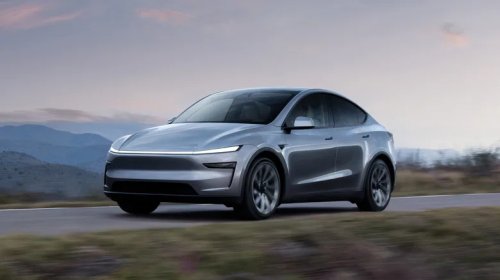
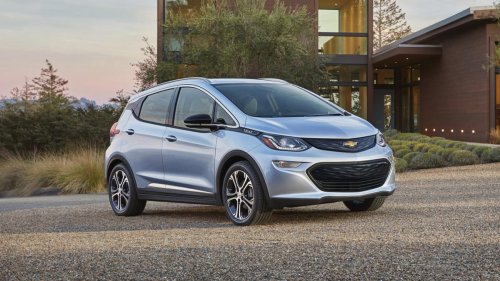
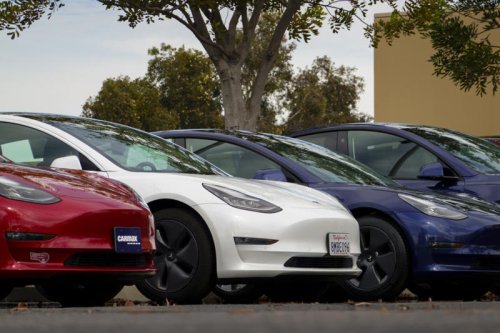
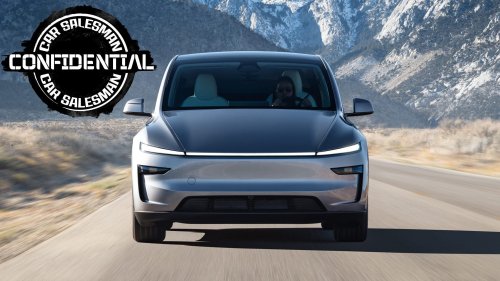
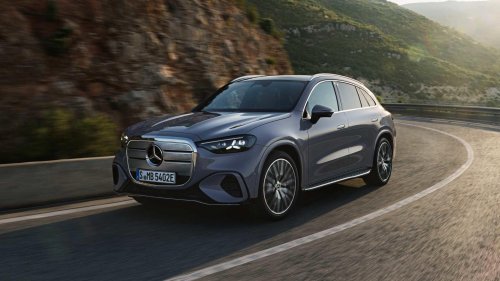
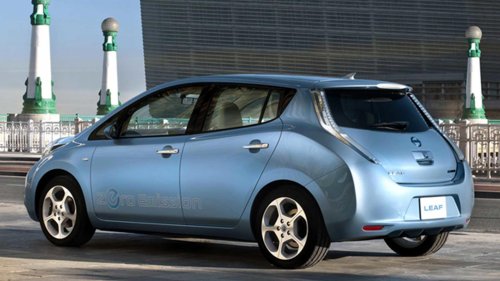
Not that long ago, electric cars like the Tesla Model S were regarded as vehicles for early adopters and techies. Whether you considered them exciting or a little nerdy, the segment was regarded as a niche in its early stages of development. We associated these cars with Silicon Valley millionaires and programmers, not with soccer moms and carpoolers.As it turns out, EVs found their foothold in the market by shifting away from the tech-geek branding and towards, well, the same old boring daily drivers, crossovers, and compacts produced in every other segment. For instance, the electric Dodge Charger sold fewer than 2,000 units in the first quarter of 2026, while the Chevy Equinox EV sold 9,589 units. A new study from Grand View Research dives deep into this trend. Mid-Range Performance Dominates The Global EV Market TeslaGrand View Research conducted a study observing EV sales for 2025 across Latin America, Europe, North America, the Middle East, and the Pacific regions of Asia. It found that the mid-range specs tended to dominate the market in every country. To go over the key findings: The most common top-speed range was 100-125 mph. A range from 150-300 km, or 93-186 miles, is the common driving distance for most EVs sold in 2025. Passenger cars made up 57.7% of the market in total. Most EVs sold in 2025 packed 50-100 kilowatt-hour batteries. Chinese EVs dominated the Asia-Pacific region in 2025. Personal vehicles make up more than three-quarters of the $1.1 trillion global EV market, compared to commercial vehicle use. Asia Pacific buyers make up 44.8% of the market, driven by strong government support and tax incentives. EVs Will Become Faster And More Efficient In The Future Christopher Smith / CarBuzz / Valnet To get into some of the predictions GVR makes in their market forecast. EVs are getting faster, and market share for the 125+ mph segment is expected to grow in the coming years. Range is expected to grow faster than most other specs, with the 186+ mile (300+ km) segment set to explode in the near future. Batteries are expected to get bigger, with the 100+ kWh segment projected to grow significantly, as automakers aim to sell more cars by addressing range anxiety. The EV segment is expected to continue to grow into the coming years, thanks in part to rapidly expanding electric infrastructure. Innovations in vehicle software are expected to be a leading driver of EV development in the future. An interesting point we'd like to make here: average range and battery size seem a bit low to us, because we live in the United States. An EV with less than 100 miles of range doesn't make much sense here in the US, where our highway system is sprawling, and our public transportation options are limited. In Southeast Asia or Europe, on the other hand, 100 miles of range might be more than enough for a daily driver. Global Trends Generally Track With American Trends Tesla If we take a look at the top-selling EVs in the United States for 2025, we find that the trend towards boring vehicles tends to track no matter where you go.Passenger cars dominate the EV market worldwide, while here in the US, the compact crossover is the key driving segment, accounting for six of the top 10 sellers.In terms of range, these models average around 251 miles on a full charge. That's on the low end, meaning we're looking at base models and all-wheel drive where available, and it's more than twice the low-end average for top sellers globally.These key differences help prove the GVR study's key findings. Where we differ is in what we consider to be a boring vehicle. A small SUV that can go for 251 miles on a single charge might be more exotic in Ireland or South Korea, whereas that would be the baseline for basic functionality here in the US. EVs Are Becoming More Mainstream, And Less Exciting Chevy To get an idea of how the EV segment has changed in the last five years, let's take a look at the top sellers in 2021.Some things never change. The Model 3 and Model Y remain at the top of the list, and compact crossovers are the most popular segment. But we see more luxury brands represented here, such as Porsche and Audi, and greater diversity across segments, with the full-size Model S sedan ranking ninth.Sales numbers were generally much lower five years ago. Even in the number one spot, the Model Y nearly doubled its annual sales from 2021 to 2025. With a total of 16,742 sales in 2021, the Volkswagen ID.4 wouldn't even have made the top ten in 2025 at that rate.Was the EV segment more fun back when you could find a Porsche in the top ten list? Heck yeah. Butif a niche product like the Porsche Taycan could secure that spot, it meantthe segment hadn't yet reached a tipping point. By 2025, the list of top-selling EVs looked a lot like the list of top-selling combustion vehicles. Boring Cars Means Market Stability2026 Tesla Model Y Standard Exterior (6)In most industries, not just passenger vehicles, you tend to see a trickle-down effect as technology developed for enthusiasts and early adopters is watered down, rounded off, and made more accessible to the mainstream. Your PlayStation 5, for instance, would have been considered a supercomputer 30 years ago, and it probably wouldn't have fit in your garage. When Doritos decided to make its tortilla chips nacho cheesier, we thought it was flying too close to the sun, but now it's their most popular flavor.But seriously, the shift towards more functional, practical cars is exactly why the EV market is now in a position not only to survive but to thrive in the face of a less-welcoming legislative environment than we saw five years ago. EPA mandates are less restrictive, we don't have the EV tax credits anymore, and the current administration seems disinterested in expanding infrastructure support. And yet, people are still buying electric cars.If you're an enthusiast, it's easy to get stuck in a headspace of comparing top speeds, horsepower, and 0-60 times. This is all very exciting stuff, but none of it means diddly to busy parents, commuters, and college kids who just want an affordable, efficient vehicle that will get them from point A to point B.Enthusiasts are, we can admit, kind of finicky and quick to turn on automakers who rub us the wrong way. A mainstream product ultimately lives or dies on mainstream appeal, meaning that excitement will eventually take a backseat to considerations like range, reliability, and usability.