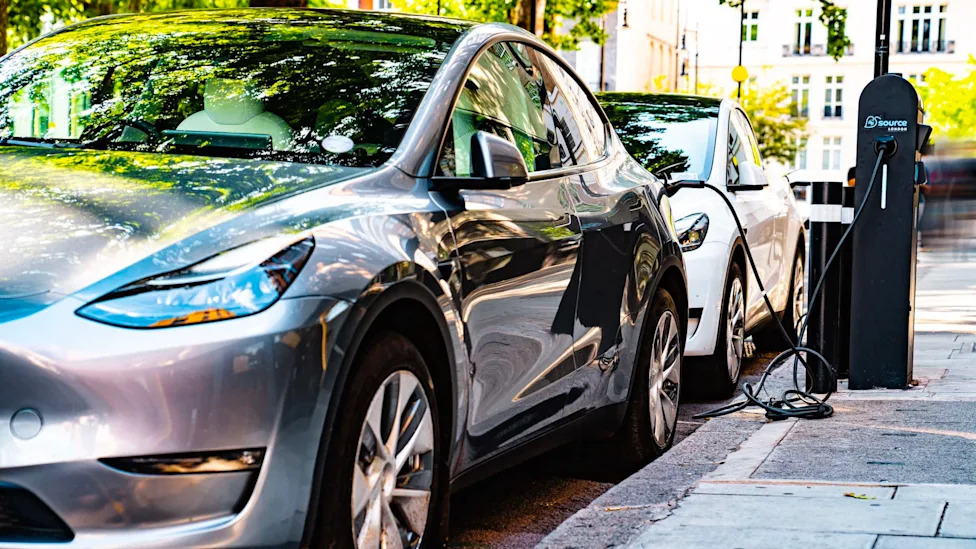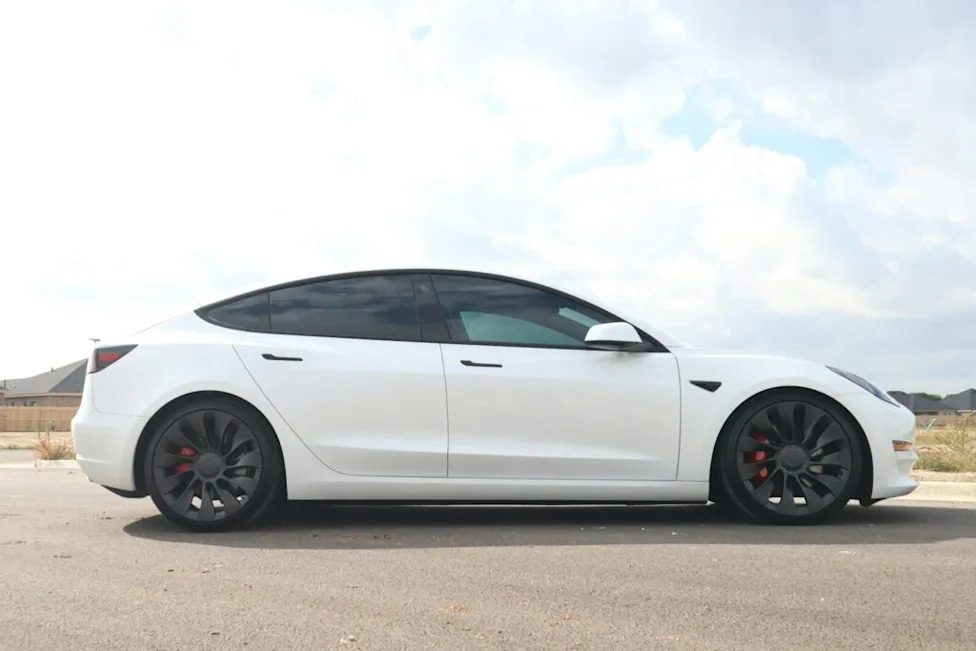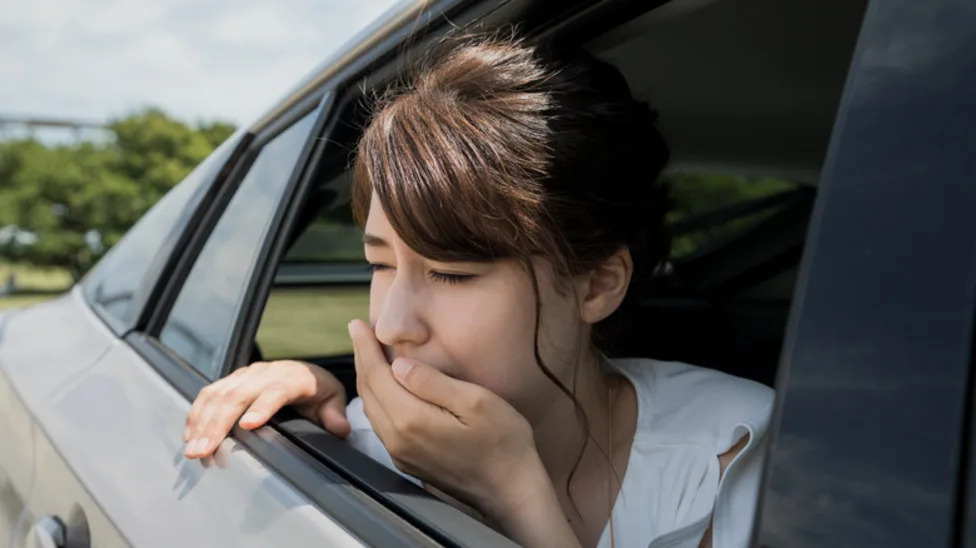
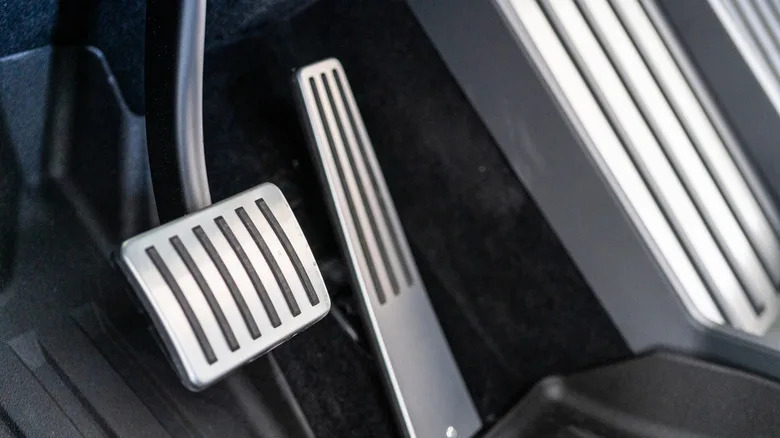
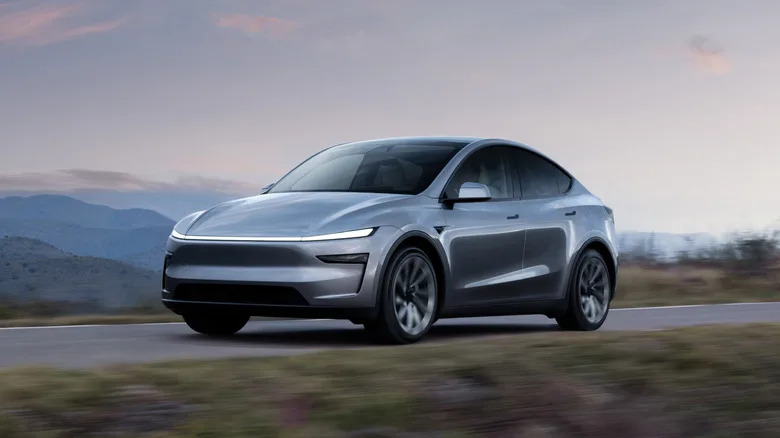


















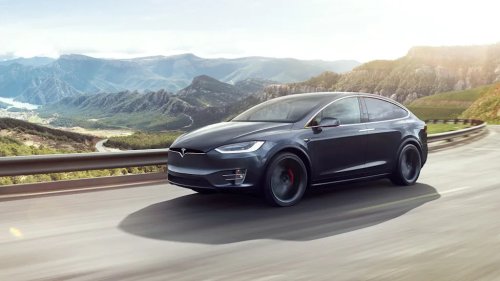


Metamorworks/Getty Images If you find yourself ordering an Uber or Lyft and are filled with dread when that ride turns out to be a Tesla, because you always seem to get carsick in those, you're not alone. Habitually getting nauseous in the back of a Tesla (or electric cars of any brand, for that matter), even when you don't usually get carsick in normal, gas-powered cars, is very much a thing. And no, it's not an emotional reaction to some of Tesla's political associations... most of the time. It's actually a result of multiple characteristics of EVs coming together. The effects of one-pedal driving definitely have something to do with it, and perhaps so does the overworked, underpaid rideshare driver who isn't quite as good at mastering a gentle throttle as they could be. But there's also the fact that EVs tend to have lots of torque at lower speeds, abrupt regenerative braking (several Tesla models have stronger regenerative braking than other EVs, exacerbating the problem), and a lack of engine noise, all of which contribute to potential nausea when you're riding in the back. Regen problems Arina P Habich/Shutterstock One of the main factors in EV-carsickness is regenerative braking and how it makes the car feel. Like gas-powered cars, EVs still have two pedals, an accelerator and a brake, but most EVs have settings where you can adjust the regenerative braking that is connected to the accelerator. So, you still press on the accelerator pedal to go, but whereas letting off would normally just cause the car to coast, heavy regenerative braking (sometimes called one-pedal mode or one-pedal driving) applies the regen brakes as soon as you lift your foot. Letting go completely and abruptly in these heavy-regen modes feels like a rough transition, like going from accelerating to hard braking immediately and without warning. Having driven quite a few EVs with one-pedal mode engaged, I can attest to the fact that your right foot needs to become an ultra-sensitive dictator of G-forces for the entire car to smooth out this process. I always feel like I'm controlling a computer mouse that I happen to be sitting inside of and, oh yeah, you're controlling the mouse with your foot. Sure, you can get better at driving this way, and I'm sure there are many EV drivers who are good at it, but I'd also be willing to bet that the proportion of one-pedal drivers who are jerky is bigger than the proportion of normal, two-pedal drivers who are jerky simply because we've been driving with two pedals for so much longer. On top of having regenerative brakes that are sensitive and tough to control, EVs are quite a bit torquier than the average gas-equivalent vehicle. Electric motors can typically create lots of torque from a standstill, so there's more abrupt motion when speeding up. So much motion, so little sound Tesla Finally, the lack of sound is also a likely contributing factor for motion sickness in EVs. At its core, motion sickness is a physiological response to a mismatch between your brain's expectation and reality; it's why many people experience it on the insides of boats, on dark or 3D-screened roller coaster rides, or using virtual reality headsets — there's a disconnect between what their eyes see happening and the physical reality around them. A similar phenomenon can happen when you know you are moving forward in a car, your body feels your movement, yet your ears don't hear any of the "vroom" noises it's been associating with the sensation for perhaps your entire life. There's no engine surge, no vibration you'd typically associate with increased revs, and very little beyond a digitally piped-in sound. Seems like there's a practical case for those funky, sometimes-musician-crafted, artificial EV noises after all. The good thing about these causes is that they can, theoretically, be dealt with over time. Drivers can get used to and better at using regenerative brakes. Automakers get better at engineering EVs to behave more comfortably. And we can all stop complaining about the piped-in sounds so much. Although those "it'll get better in the future" strategies don't help much when you're 42 years old and fighting for your life for the third time this month in the back of a poorly-driven Model Y. If that's you, maybe try Dramamine before your next back-seat EV-rideshare experience.