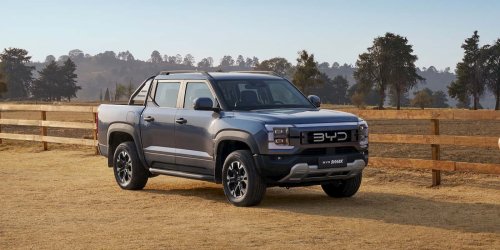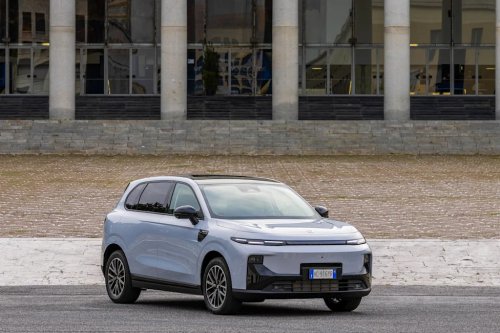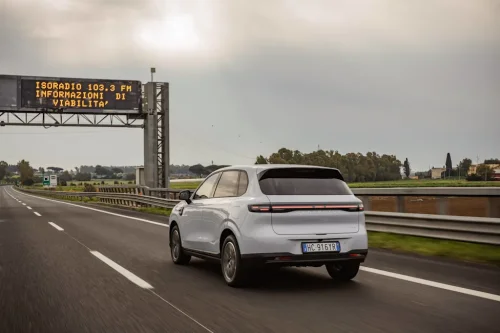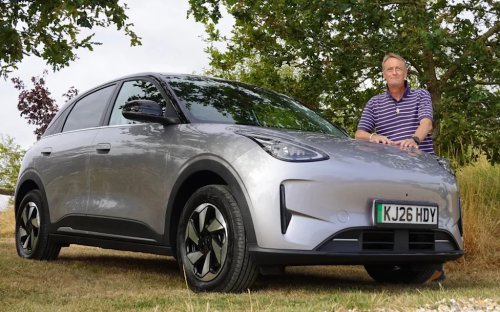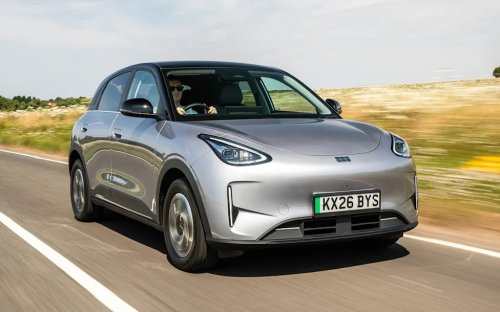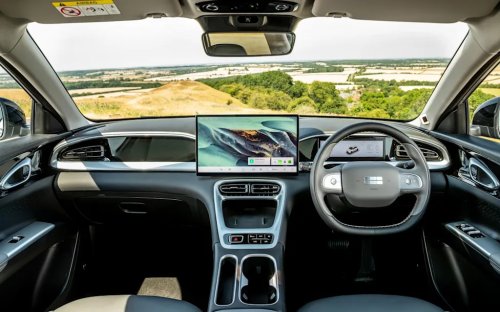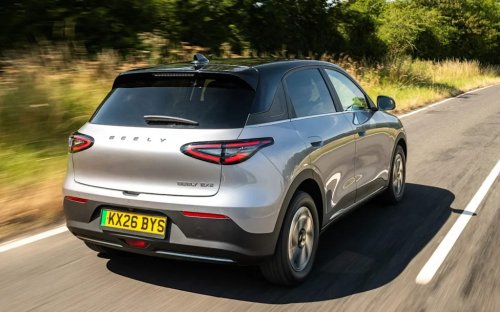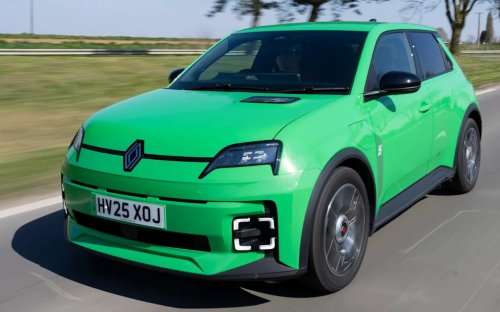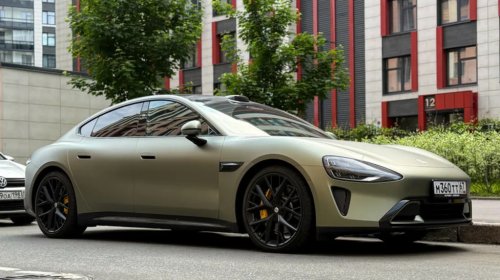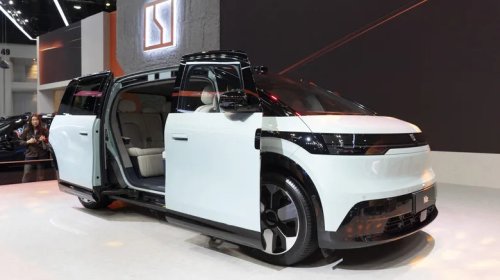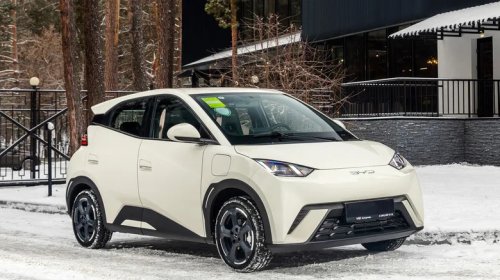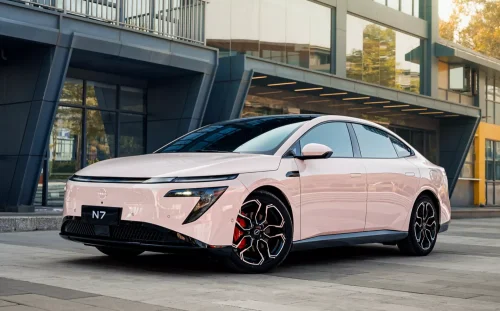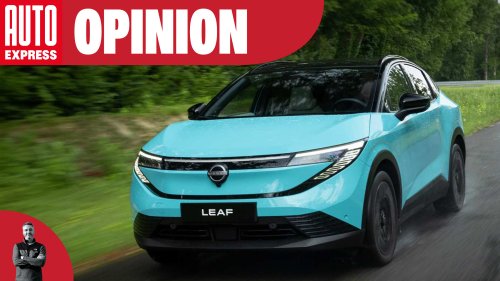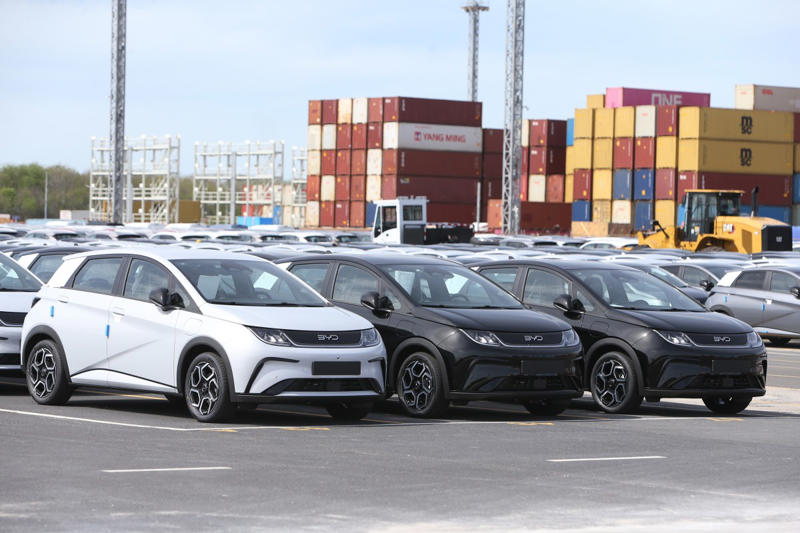
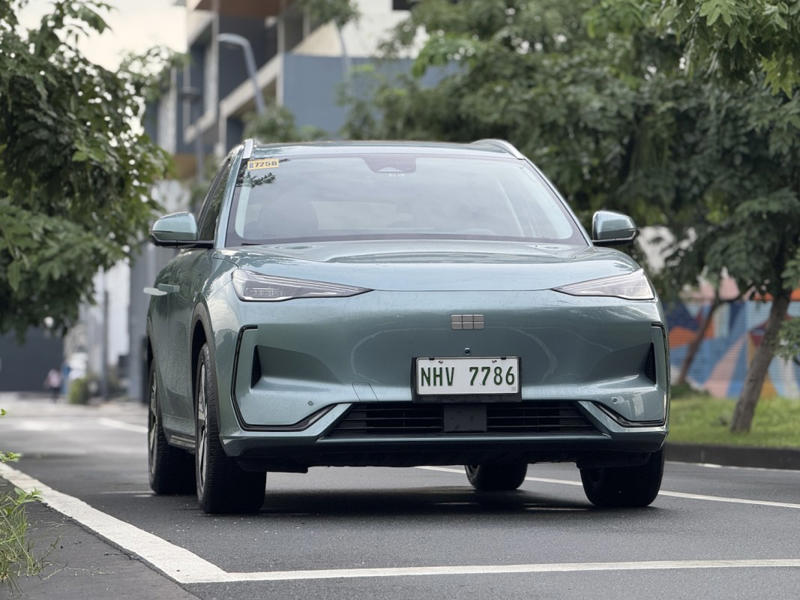
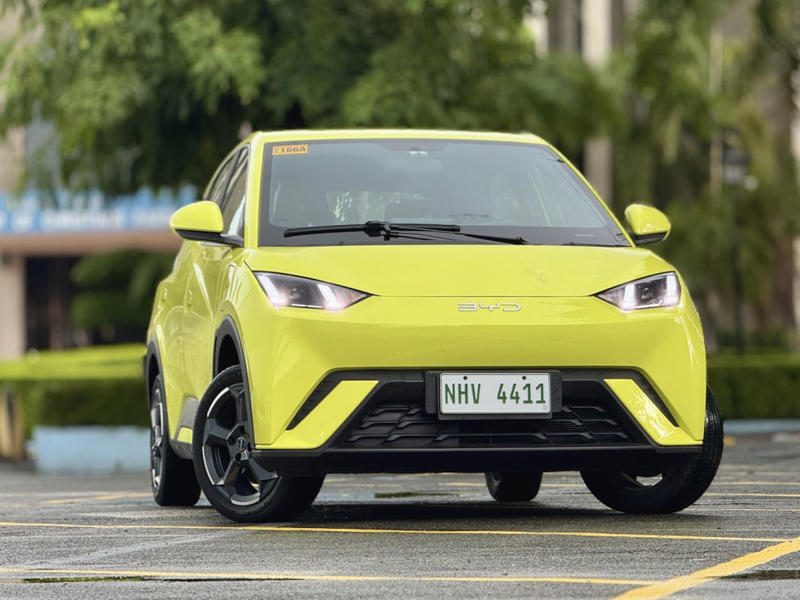




















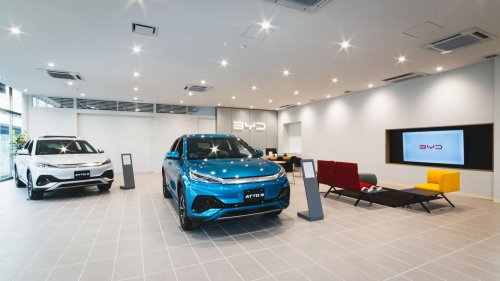
Lines Are Being DrawnCanada’s decision to let Chinese automakers enter its market under lower tariffs and in limited numbers has further strained relations with the U.S., as the Trump administration has threatened Canada with steeper tariffs. Now, the tensions appear to be escalating further after U.S. Ambassador to Canada Pete Hoekstra said Chinese-made electric vehicles would not be allowed to cross the border.Automotive News reported that the decision to block those vehicles from crossing the border is tied to security concerns, particularly because modern vehicles can transmit data – an issue the U.S. has treated as especially sensitive when it comes to China and Russia. Hoekstra said, “Those cars can come in from China, come into Canada, but they’re not going to cross the border into the U.S.” Between the LinesOne important gray area, however, is that the statement does not clearly say whether Chinese-made EVs would simply be barred from being sold or prohibited from entering U.S. territory entirely. That is a significant distinction, especially for Canadian buyers who may cross the border frequently for work or other reasons.What is clear for now is that only 49,000 EVs would be allowed into Canada under the first year of the agreement at a lower tariff rate. Automakers such as BYD and Geely are already looking to get their vehicles into Canadian showrooms. BYD may be the more familiar name to North American buyers after making headlines for surpassing Tesla in EV sales. Pressure From All SidesMexico, another neighboring country, is already selling Chinese vehicles, which could add further pressure on the U.S. market. After all, China-made EVs tend to carry lower price tags while still offering a significant amount of in-vehicle technology. That is something many consumers would likely appreciate, especially given how limited affordable EV options remain in the U.S. right now. Two of the most attainable models are the Nissan Leaf and Chevrolet Bolt EV, both starting at under $30,000, though the latter is produced only in limited numbers.More affordable EVs are on the way to the U.S. market, including Slate’s electric trucks, which are expected to start in the mid-$20,000 range. Even so, as Chinese automakers continue expanding globally, it may be only a matter of time before rival brands are pushed to reshape their lineups, even if China-made EVs never officially reach U.S. soil.