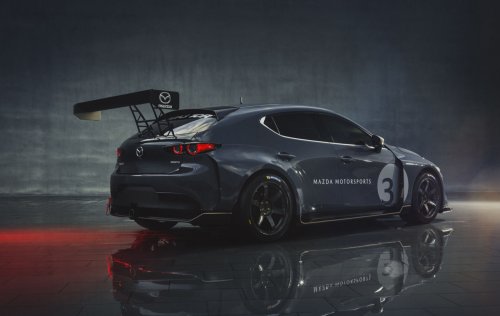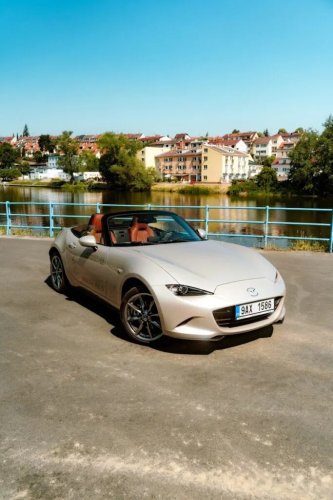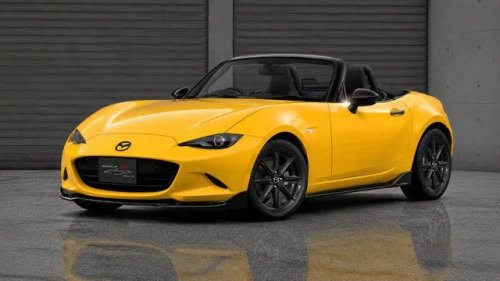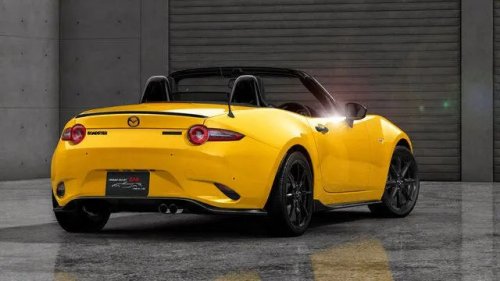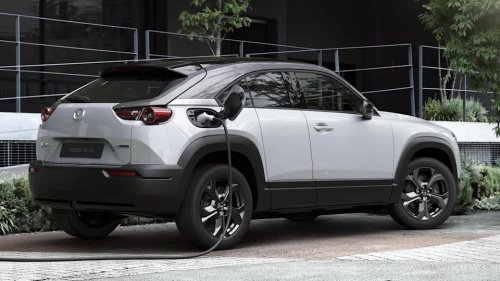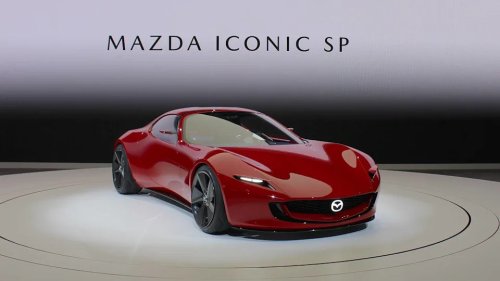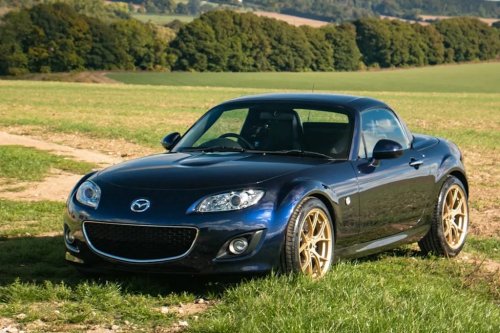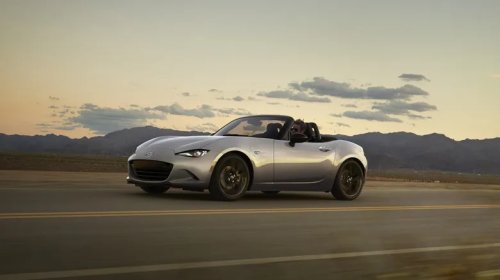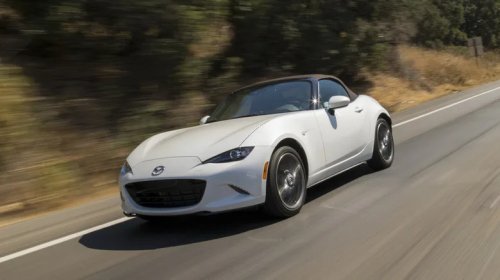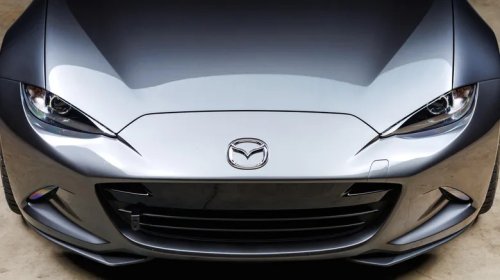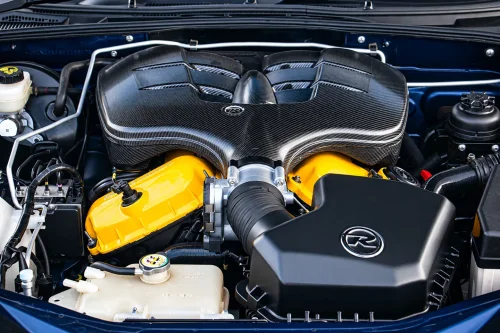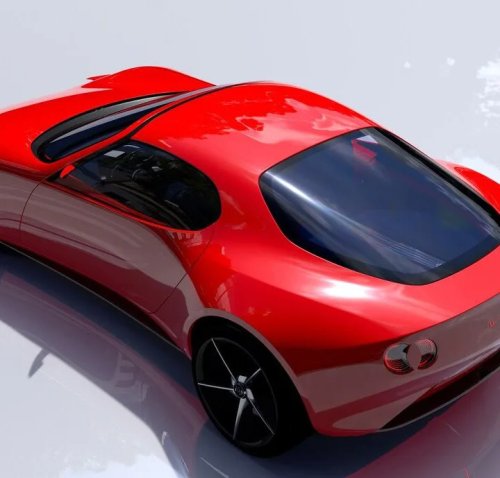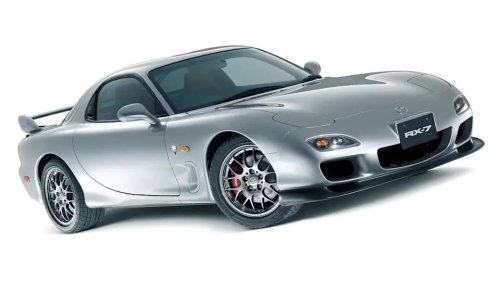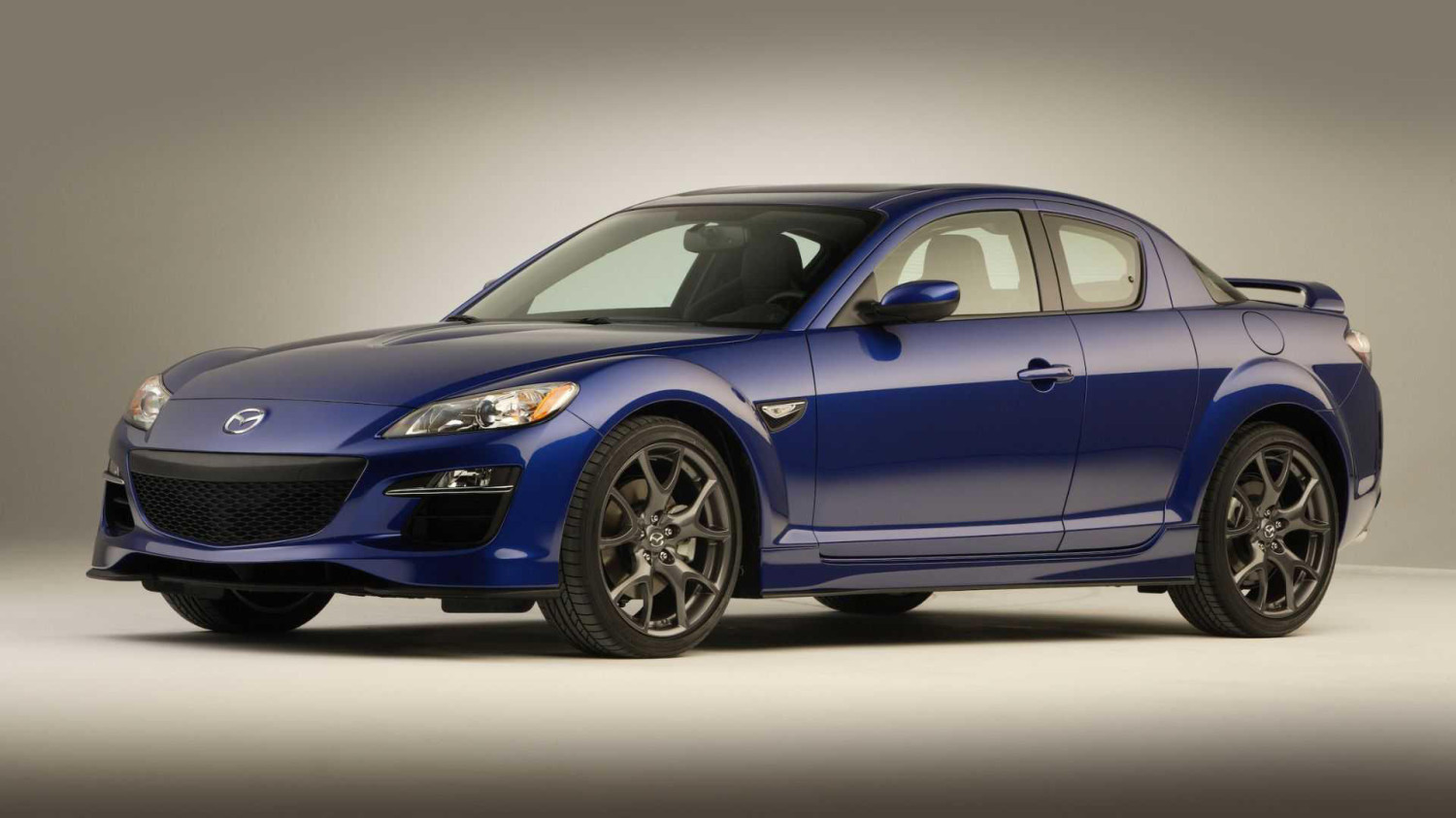
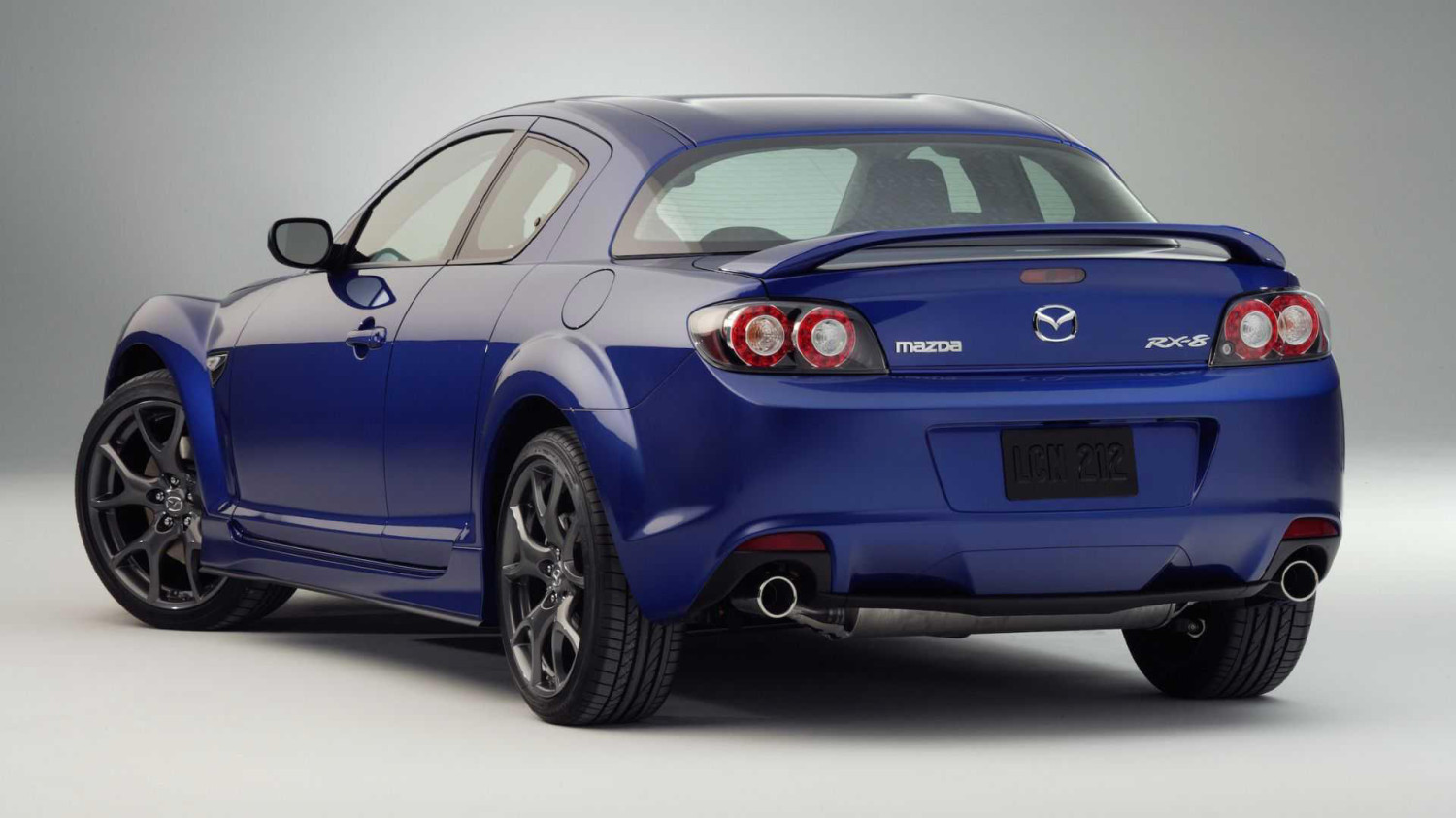
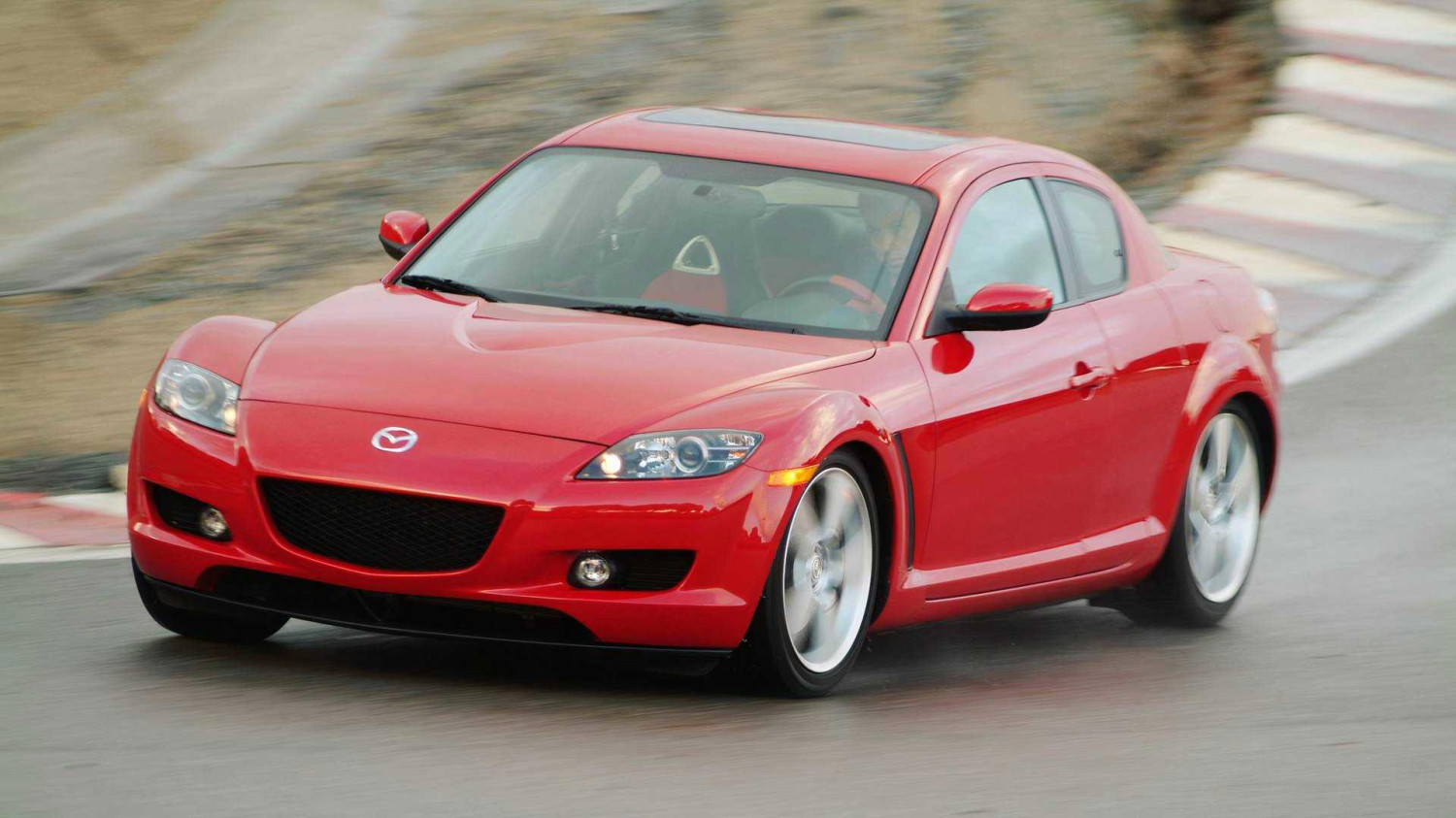


















Hope for fans of Mazda's rotary-powered cars springs eternal, even when it seems like it shouldn't. We can't blame them, though, since Mazda's own hope for the engine seems to be just as unstoppable. Mazda has always been playing with the rotary in the background, and it even relaunched the engine briefly in the MX-30 R-EV. Of course, it also just killed that model. It's surely exhausting to constantly be on the cusp of the rotary having a glorious return, and this new trademark filing from Mazda isn't going to help. The Case For It MazdaOf course, the obvious and most hopeful interpretation of this filing is that Mazda might be looking at reviving the RX-8 name. Also, since Mazda is pretty careful about its use of specific prefixes like "MX" and "RX," a new RX-8 would probably be a rotary sports car of some sort.Mazda has also been showing rotary sports car designs for years, each one looking like it would comfortably wear an RX-8 badge. The most recent was the 2025 Vision X Coupe, which was more of a four-door shooting brake, which followed the 2023 Iconic SP Concept, and the 2015 RX-Vision Concept. The RX-Vision is even drivable in Gran Turismo 7 alongside a GT3-style racing variant. Mazda executives have also publicly talked about the enthusiasm within the company for a potential successor to the RX-7 and RX-8.MazdaPast rumors have even suggested that a new Mazda sports car project could get a boost from Toyota, as it may want a partner for a Supra successor now that the BMW-based one is at the end of its life. If the two companies worked on a new sports car platform, it could make development much more affordable and feasible for what would otherwise be a very niche product.Mazda The Case Against It Besides the usual argument of companies filing trademarks to protect names and hold them for licensing purposes, anything with a rotary faces huge hurdles. They still face all the typical engineering issues such as fuel economy and emissions. While slow sales of the EV likely played a role, we wouldn't be surprised if the cost and difficulty of meeting emissions regulations was another factor in Mazda's decision not to offer the rotary-powered MX-30 in the U.S. Reliability has never been a strong point of the engine, either.Additionally, investing in a niche sports car with an even more niche engine with quirks that many buyers might not be ready for, could be a bad move for the company. Mazda isn't exactly swimming in funds, even with support from Toyota. So it needs to pick its products carefully, and needs to be sure they can sell in strong numbers. Plus, if it's going to keep a niche sports car around, the Miata is likely the better choice, since it's a perennial favorite and doesn't require particularly unique and expensive powertrains to exist. Still, Mazda could surprise us, and we'll wait to see what happens, but we certainly won't be holding our breaths.Source: U.S. Patent and Trademark Office