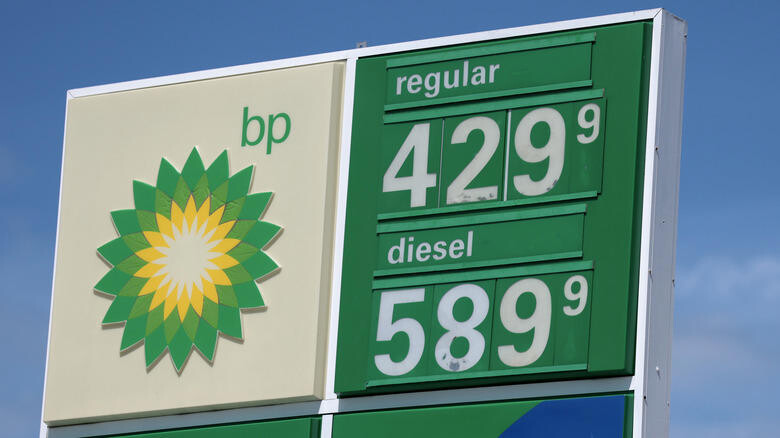
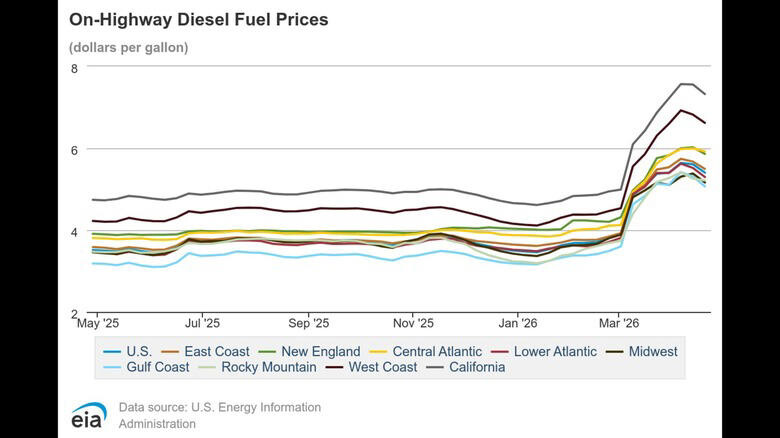
Parker Hall · 6 months ago@parkerhall62It's not your imagination, diesel prices are going up faster than gas or oil Liked by+46 othersPost commentRelated PostsThe Renault 5 Turbo Was A Hot Hatch That Could Go Over 800 Miles On One Tank Of Gas 82 · Ava Anderson · 4 months agoCostco's Synthetic Oil Price Just Jumped 60%. The Purchase Limit Is the Real Story 30 · Emily Brown · 1 months agoFerrari Has Confirmed That Gas-Cars Are Not Going Anywhere 52 · Noah White · 4 months agoElevated Crack Spreads & Crude Oil Prices Contribute to Higher Prices at the Pump 29 · Chloé Labelle · 1 months agoFerrari Says It Won’t Build Self-Driving Cars, And Gas Engines Aren’t Going Anywhere 62 · Ava Lavoie · 4 months agoVenezuela Oil Deal and Gas Prices: What Drivers Should Expect at the Pump 11 · Amélie Pelletier · 1 months agoMan Says There's A Trick To Filling Faster At The Gas Pump. Then He Reveals All: 'An Old Trucker Taught Me This' 15 · Daniel Leblanc · 7 months agoBMW Alpina Is Going Electric, But Gas Engines Are Staying 45 · Gabriel King · 5 months agoTrump to Host Big Oil CEOs as Gas Price Average Remains Over $4 a Gallon 91 · Camille King · 1 months agoAcura going all-in on hybrid: Final call on gas-only performance 46 · Morgan Tremblay · 5 months agoCorrupt DoT head took oil money for reality TV show during oil price spike (update) 10 · Daniel Anderson · 2 months ago‘Largest Supply Disruption In History’: High Oil Prices Drove Record EV Sales In 50 Countries 87 · Ryan Lavoie · 2 months agoAcura Is Going All-In On Hybrids, Honda Is Keeping Gas Cars Affordable 13 · Samuel Scott · 5 months agoOil Inventories Hitting ‘Dangerously Low Levels’ And You’re About To Pay The Price 77 · Lauren Campbell · 4 months agoCan electric motorcycles go as fast as gas-powered ones? 91 · Oliver Rogers · 6 months agoZhao Changjiang reveals former Ferrari designer joins Luxeed; Oil prices cut 67 · Audrey Girard · 4 months agoWith How Gas Prices Are Going, Bet You Wish Thorium-Powered Cars Had Become Real 40 · Connor Fortin · 6 months agoWith Fuel Prices Rising, Expect Your Oil Changes To Get More Expensive Too 42 · Emma Poirier · 5 months agoTesla Officially Announces Supervised FSD Rollout in China; NVIDIA Net Income Surges 211%; Oil Prices Raised 58 · Nicole Scott · 5 months agoIf We Net Export Oil, Why Are Gas Prices Going Up? 42 · Jackson Gagnon · 6 months ago



 +46 others