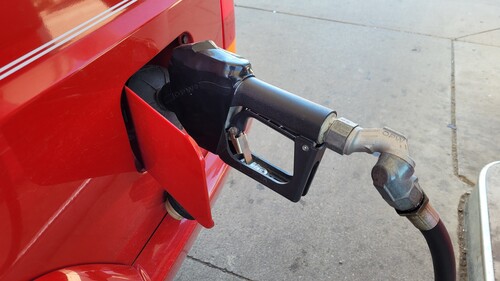
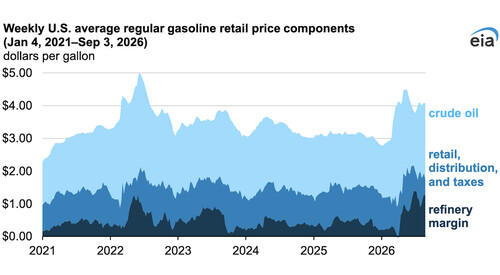
Jackson Gagnon · 6 months ago@jacksongagnon42If We Net Export Oil, Why Are Gas Prices Going Up? Liked by+26 othersPost commentRelated PostsBMW Alpina Is Going Electric, But Gas Engines Are Staying 45 · Gabriel King · 5 months agoTrump to Host Big Oil CEOs as Gas Price Average Remains Over $4 a Gallon 91 · Camille King · 1 months agoAcura going all-in on hybrid: Final call on gas-only performance 46 · Morgan Tremblay · 5 months agoCorrupt DoT head took oil money for reality TV show during oil price spike (update) 10 · Daniel Anderson · 2 months agoGas Mileage Drops The Faster You Go, But Here's Where Your MPG Really Nose Dives 81 · Sarah White · 5 months ago‘Largest Supply Disruption In History’: High Oil Prices Drove Record EV Sales In 50 Countries 87 · Ryan Lavoie · 2 months agoAcura Is Going All-In On Hybrids, Honda Is Keeping Gas Cars Affordable 13 · Samuel Scott · 5 months agoOil Inventories Hitting ‘Dangerously Low Levels’ And You’re About To Pay The Price 77 · Lauren Campbell · 4 months agoCan electric motorcycles go as fast as gas-powered ones? 91 · Oliver Rogers · 6 months agoZhao Changjiang reveals former Ferrari designer joins Luxeed; Oil prices cut 67 · Audrey Girard · 4 months agoWith How Gas Prices Are Going, Bet You Wish Thorium-Powered Cars Had Become Real 40 · Connor Fortin · 6 months agoWith Fuel Prices Rising, Expect Your Oil Changes To Get More Expensive Too 42 · Emma Poirier · 5 months agoIt's not your imagination, diesel prices are going up faster than gas or oil 62 · Parker Hall · 6 months agoIf Supply Drops But Demand Does Not, The Price Of Oil Will Soar 14 · Victoria Moreau · 5 months ago9 reasons gas cars aren’t going away anytime soon 49 · Alexander Mitchell · 11 months ago'I Thought It Was Me': Man Goes To The Gas Pump. Then He Claims You Need To Wear A Mask When You Go 26 · Samuel Bouchard · 6 months agoFord drivers who go EV don't miss gas cars 'in the least bit' 68 · Amelia Scott · 6 months agoThe BMW 4 Series Isn't Going Anywhere. And It Should Keep Its Gas Engine 45 · Ethan King · 9 months agoFerrari's Gas Engines Aren't Going Anywhere—Including the V-12 30 · Jackson Côté · 1 years ago‘Friends’ Alum Matt LeBlanc Seen Driving Old Ford Focus Despite $85 Million Net Worth 89 · Abigail King · 24 days ago




 +26 others