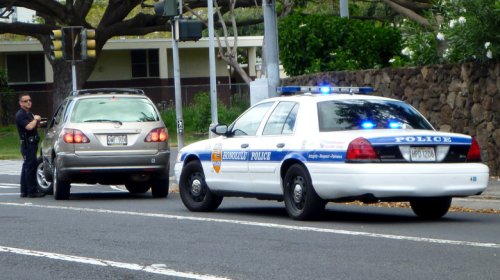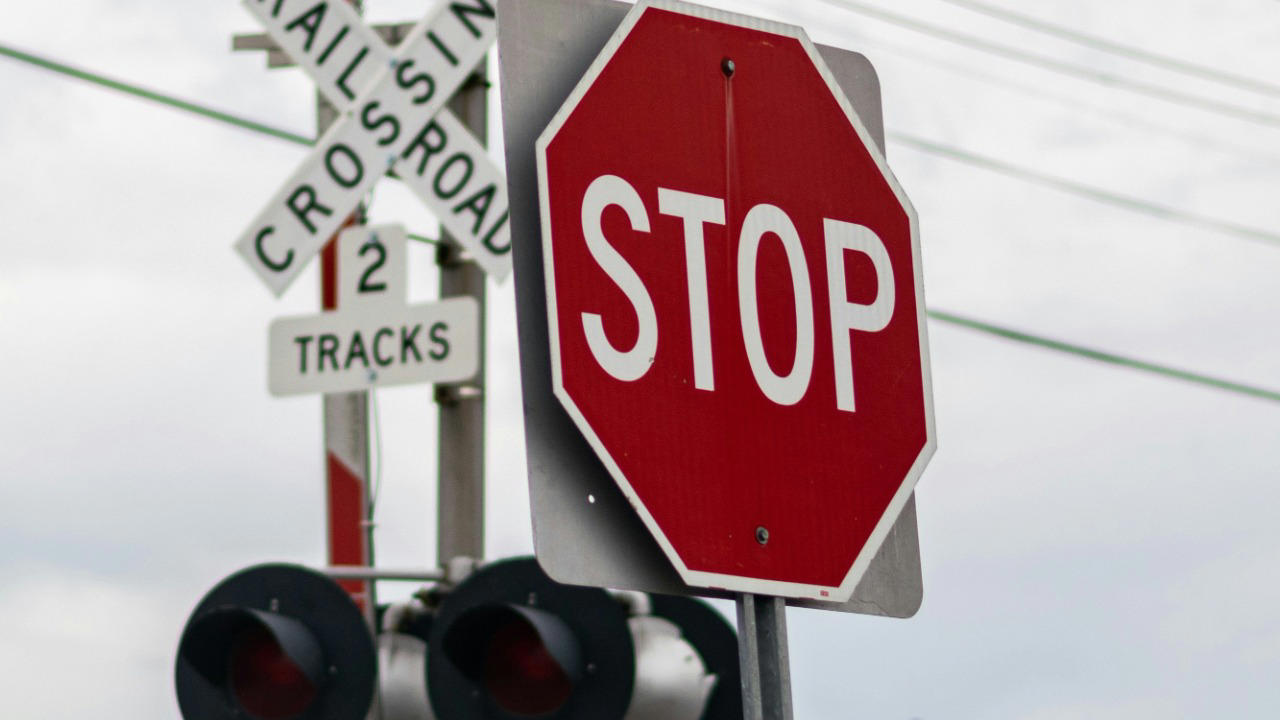


















Why rolling stops are getting more drivers pulled overYou might think of a rolling stop as a harmless shortcut, a quick slow-and-go when no one seems to be around. Yet that small habit is increasingly what lands you in the glare of red and blue lights. As police, lawyers, safety researchers, and even trucking companies focus more on intersection risks, they are paying closer attention to drivers who ease through stop signs instead of coming to a full, legal stop. To avoid that next ticket, it helps to understand why officers treat rolling through a sign as a serious violation, how the law views it, and what is changing in traffic enforcement. The pattern is clear: when you treat a stop sign like a suggestion, you give officers a clear reason to pull you over and quietly raise the odds that a simple trip turns into a crash. What a rolling stop really is in the eyes of the law In legal terms, a rolling stop is not a gray area or a “close enough” maneuver. It is a failure to stop. Definitions used in traffic law spell it out plainly: a rolling stop is when you slow your vehicle but do not let your wheels come to a complete halt at the required stopping point, which is usually the limit line, the crosswalk, or the edge of the intersection. Legal references describe a rolling stop as a distinct violation, not a softer version of a proper stop, which means an officer does not have to guess whether you broke the rule. That clarity is exactly why officers lean on this violation so often. In one widely shared clip, an officer named Jul explains to a frustrated driver that “rolling stops equal not stopping,” then adds that he has “pulled over hundreds” of people for that single behavior. In the Jul traffic stop, the officer is blunt about the standard: if your vehicle is still moving, you did not stop, and that alone justifies the stop and the citation. With a rule that simple, you give up a lot of leverage the moment you coast through a sign. Why rolling through a sign is more dangerous than it feels From behind the wheel of your own car, a rolling stop can feel safe. You see no one in the crosswalk, you think you have the intersection figured out, and you want to keep your momentum. Safety research tells a different story. Intersection studies from federal highway programs describe how limited sight lines, parked cars, and building corners make it hard to see pedestrians and cross traffic until you are right at the line, which is why intersection safety has its own dedicated federal research program. If you creep through instead of pausing, you shorten your reaction window to almost nothing. Crash lawyers see the same pattern in real cases. Injury firms describe how a rolling stop is especially risky for pedestrians, bicyclists, and drivers with the right of way, because you are effectively entering the intersection before you have finished checking for hazards. Another firm breaks down the hazards in simple terms: the maneuver cuts your reaction time so sharply that you may not be able to brake or steer away if someone steps out or another car appears. You might feel in control, but you are gambling on perfect timing in a place designed for full stops. How officers are using rolling stops as a go-to enforcement tool For officers on patrol, rolling stops are low-hanging fruit. The violation is easy to see from a distance, easy to explain, and usually not contested successfully in court. In one online discussion, a patrol officer in Oct spells it out: “Rolling is not stopped,” and he describes how he pulls people over simply to remind them that a “California stop” is still a stop sign violation. He also notes that when you are moving, your blind spots and the vehicle’s frame keep shifting, so you can miss a hazard that would be obvious if you paused for a full second. In some cities, there is also a broader surge in traffic enforcement where rolling stops become one of several easy reasons to initiate a stop. San Francisco drivers, for example, have noticed that officers are pulling over more cars and writing more citations, while community members debate how those stops are tracked and whether they should rely more on automated cameras for ethnic breakdowns instead of discretionary traffic stops. In that environment, your decision to roll a sign does not just affect safety, it also shapes whether you end up in a police database at all. Safety research, traffic deaths, and the push to rethink stops At the same time that some officers are leaning into intersection violations, researchers are rethinking how often you should be stopped for minor issues at all. One major analysis of traffic enforcement points out that when police focus on non-safety issues, such as broken lights or expired tags, they can create a lot of tension without clear safety gains. The study highlights new evidence that limiting non-safety-related stops can actually make roads safer by allowing officers to spend more time on genuinely dangerous behavior like high-speed violations or intersection running. Other researchers connect this debate to a wider spike in fatalities. Traffic safety experts note that traffic deaths spiked in the United States in 2020 and have stayed elevated, and some observers blame reduced deterrence as police pulled back from traffic enforcement. Put together, these threads lead to a strange place: some advocates want fewer minor stops overall, yet the same research suggests that when officers do engage, they should prioritize violations like rolling through intersections that have a clear link to serious crashes. Why fleets, trucking inspectors, and lawyers all care about your rolling stops If you drive a commercial vehicle, your rolling stops are not just a matter of a single ticket; they can affect your job and your company’s risk profile. Fleet safety companies warn that other drivers expect you to come to a full stop and that when you roll, you surprise them and increase the chance of a collision. One analysis of risks of rolling for fleets points to distractions as a key factor, describing distractions as any activity that shifts your attention away from defensive driving and toward something else, which makes it even more likely you will miss a hazard while coasting through a sign. Regulators and inspectors pay attention too. Drivers who deal with Department of Transportation checks describe how inspectors look at your truck, your company, and your driving habits, and how repeated violations can trigger more frequent inspections and fines. In one breakdown of why DOT keeps pulling you over, a safety coach explains that understanding it is and your habits behind the wheel, including how you handle intersections. When you add in the fact that traffic defense lawyers say a rolling stop provides reasonable suspicion and probable cause for a legal traffic stop, and that Can Police Stop a rolling stop is answered with a clear yes, you can see why this one habit keeps dragging drivers into courtrooms and inspection bays. More from Fast Lane Only Unboxing the WWII Jeep in a Crate 15 rare Chevys collectors are quietly buying 10 underrated V8s still worth hunting down Police notice this before you even roll window down