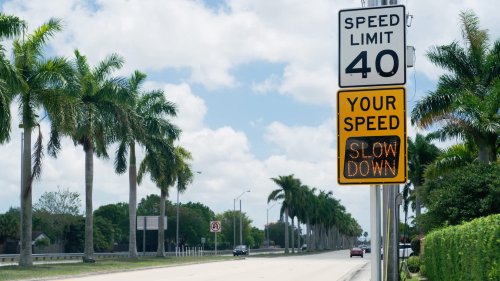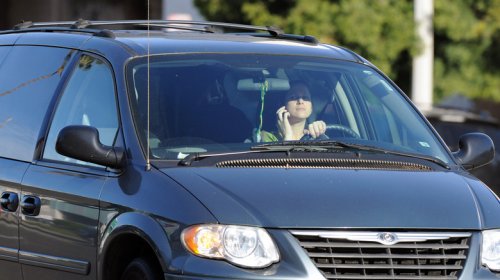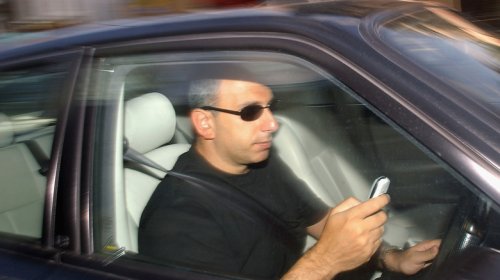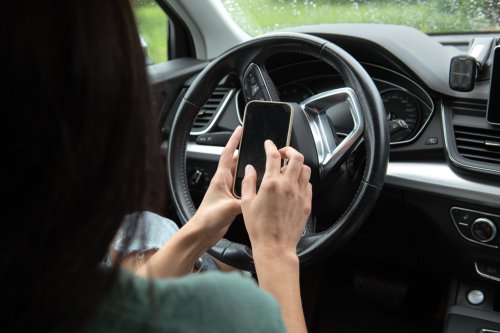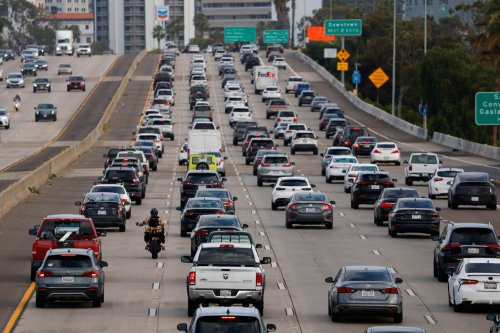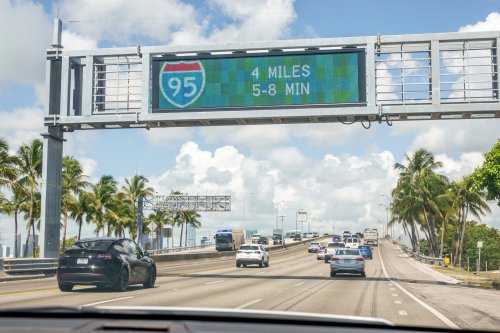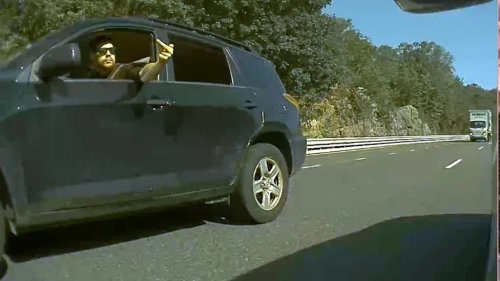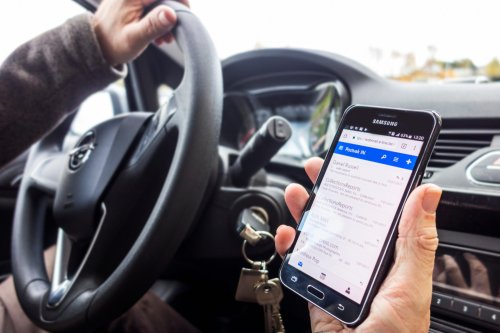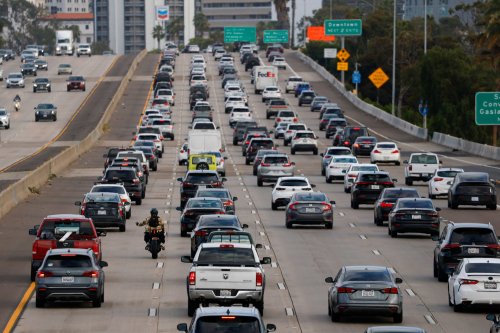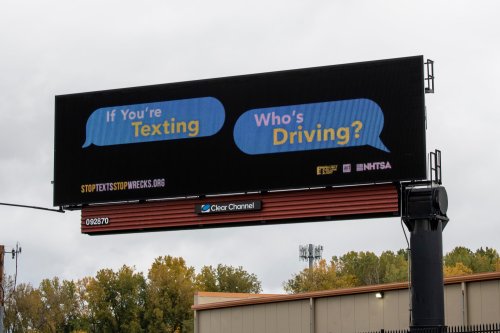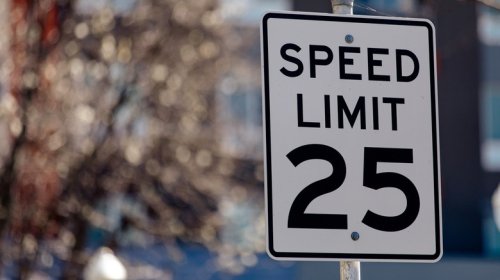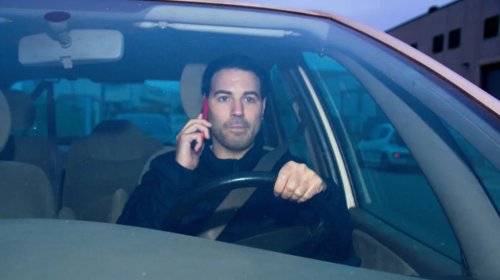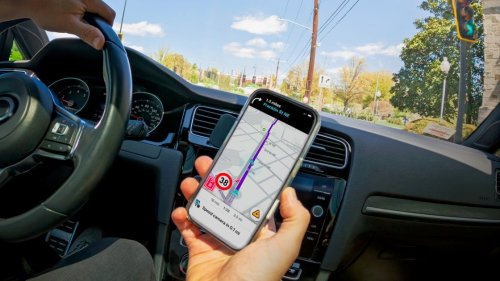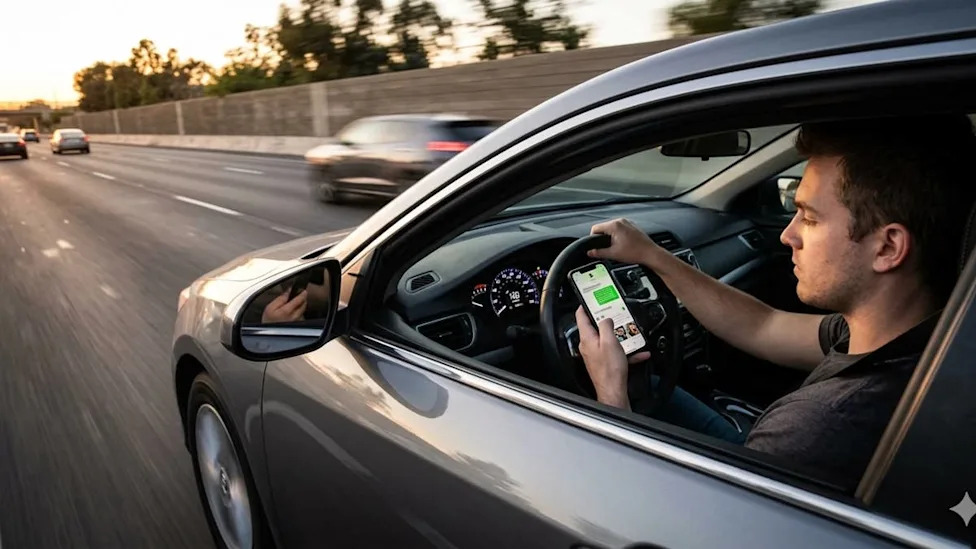




















Autoblog and Yahoo may earn commission from links in this article.Two Dangerous Habits CollideA recent study published by the IIHS has revealed a troubling trend on American roads. The study, based on real-world telematics data received from insurance providers’ safe driving apps, has shown that speeding drivers are more likely to be using their cell phones, and that cell phone usage actually increases as speeds go up. These findings challenge the assumption that drivers tend to use their phones at lower speeds or in slow-moving traffic, demonstrating instead that the opposite behaviour was more common, especially on highways. Real-World DataRather than rely on volunteer groups and roadside observations for data, the IIHS study analysed information gathered by the telematics apps used by insurance companies to gauge how each person drives, so that they can adjust premiums accordingly. These apps track driving behaviour through smartphone sensors, gyroscopes, and GPS data, and record events such as hard acceleration, sudden braking, and phone use. The study covered nearly 600,000 trips across multiple regions in the United States, giving researchers a realistic look at driver behaviour. GettyWhat the Numbers SayThe study demonstrated a marked increase in phone handling that was more pronounced on higher-speed limited-access freeways than on surface streets. The data revealed a roughly 12 percent increase in phone use for every 5 mph over the speed limit on limited-access highways, with 70-mph-speed-limit stretches showing the strongest correlation between speeding and phone use. Conversely, when using surface streets and arterial roads, drivers demonstrated a smaller 3 percent increase in phone usage for every 5 mph over the speed limit. This is probably down to the fact that intersections, stop signs, and traffic lights force drivers to stay more engaged on these streets. Getty ImagesRisky Driving Habits Often Go TogetherResearchers have speculated that the overlap between speeding and phone use while driving may be down to risk-taking personalities simply being more likely to engage in both behaviours simultaneously. Traffic conditions may also play a role, with drivers feeling more comfortable reaching for their phones on open highways with lighter traffic and fewer interruptions. The findings of this study arrive as distracted driving continues to be a major road safety issue in the United States. Speeding and cellphone use have been shown to independently affect reaction times and increase crash severity; combining them creates an especially dangerous mix. This story was originally published by Autoblog on May 16, 2026, where it first appeared in the News section. Add Autoblog as a Preferred Source by clicking here.