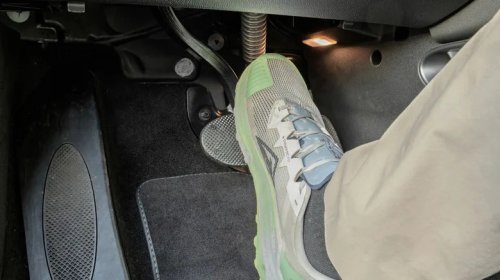
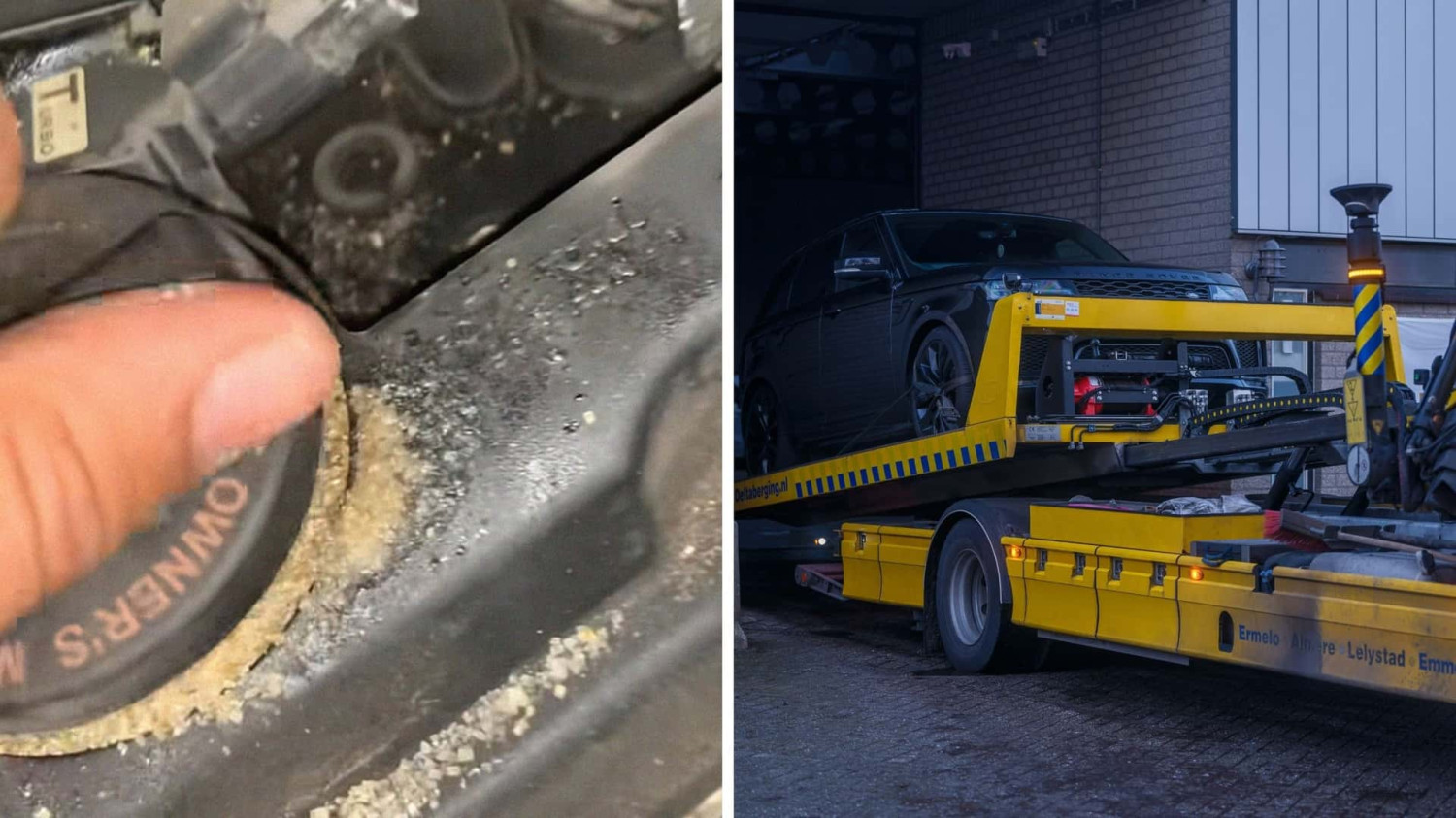
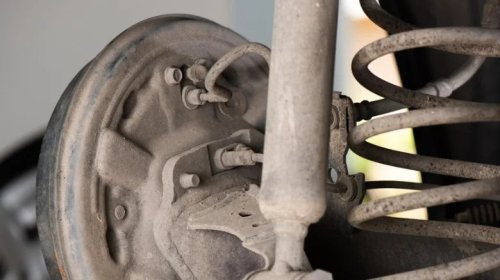
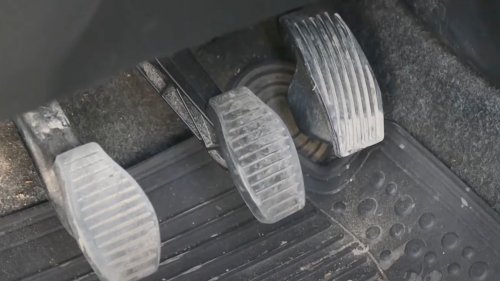
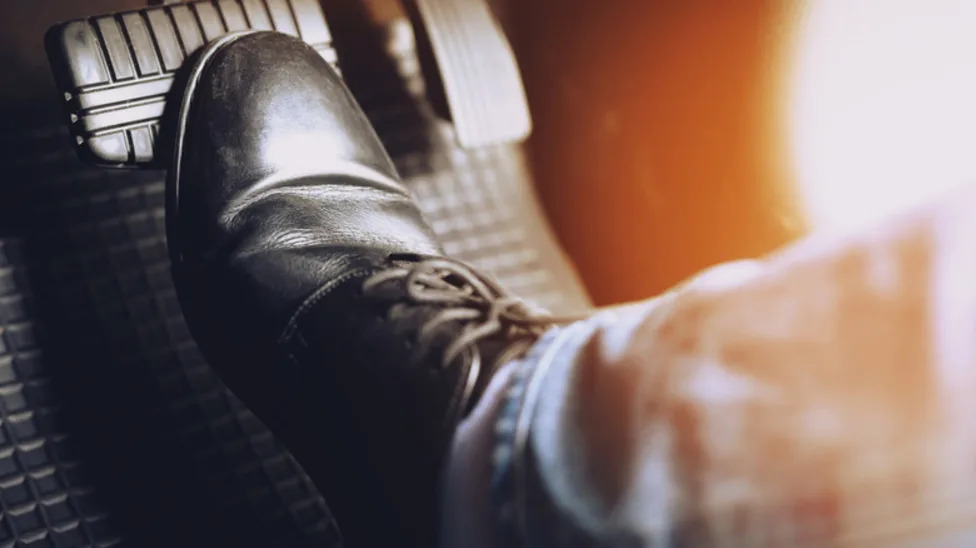
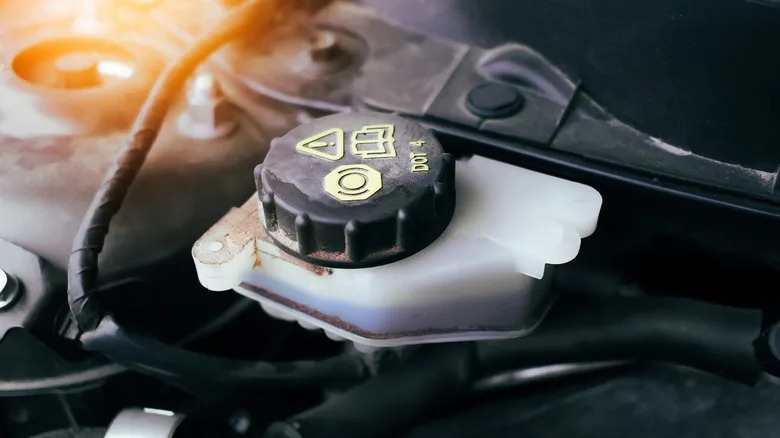
Boot pushing down on brake pedal - Rattankun Thongbun/Getty ImagesYears of driving helps develop muscle memory, and you can go into autopilot mode while behind the wheel sometimes. However, you can be jolted from that mindless state when something feels totally off. One of those things? The brake pedal sinking all the way to the floor without resistance. There are a few reasons your brake pedal may reach the floor. One of the most common causes is a brake fluid leak. If this is the case, you won't have enough fluid moving through the brake lines to activate the calipers that stop your vehicle. Low fluid can also allow air to enter the brake lines, reducing the required pressure needed to pump the breaks. This could also be caused by issues with the master cylinder. If it's worn out, it can't maintain the pressure needed to push fluid to the four wheels. The pads and calipers could also be stuck or not properly in place, meaning the pedal has to be pushed further before the brakes engage. Regardless of the reason, you shouldn't be driving if your brake pedal is pressed against the floor, as this means the brakes may not work when you need them.AdvertisementAdvertisementRead more: 11 Best Oil Filter Brands, RankedWhat to do if your brake pedals touch the floorClose-up of brake fluid container cap - Birdlkportfolio/Getty ImagesIf your brake pedal is sinking to the floor, you should head directly to a nearby mechanic. If you're at home, you can try to figure out the issue yourself. First, check the brake fluid levels to make sure they are not running low and remain clean. Next, check the brakes themselves, looking for fluid leaks and ensuring they are moving as intended when the pedal is pressed down. The pads should be at least ¼-inch thick, otherwise it might be time to replace them. You can then test the brake pressure with a pressure gauge. If there is a drop in pressure, this could mean the master cylinder is leaking. If air has entered, you will need to bleed the brake fluid. You may also need to replace brake lines, depending on what's wrong. There's also a chance you'll need to replace the master cylinder, worn brake pads, or other broken or old parts. To prevent this from happening, remember that it's always best to inspect brakes about once per year or every 12,000 miles. You should also check your brake fluid regularly to ensure it's clean and full. You will also need to flush the brake fluid every two years or so. Finally, regularly check your brake pads, making sure they are replaced as soon as they show significant signs of wear.AdvertisementAdvertisementWant the latest in tech and auto trends? Subscribe to our free newsletter for the latest headlines, expert guides, and how-to tips, one email at a time. You can also add us as a preferred search source on Google.Read the original article on SlashGear.



















 +72 others